


Where Can British Luxury Brands Grow?
By
3 months ago
Should brands look east to China and India, head west to the US or stick closer to home in Europe?
Jonathan Akeroyd has run Burberry, Versace and Alexander McQueen and worked between London and Milan for three decades. He has navigated the dot-com crash, 9/11, the global financial crisis and Covid, but says he has never seen anything like ‘the perfect storm’ that has buffeted luxury brands over the past 18 months. President Trump’s imposition of tariffs; a sharp decline in luxury spending in China; revelations of poor working practices at some maisons; ‘greedflation’ price hikes by top brands; and the ailing US department store model have all left brands reeling.
But Akeroyd can see a path for British brands to make it through to calmer waters. ‘It’s all a question of product, timing and, most important of all, the story you tell about your brand. It’s hard to get those things right but, if you do, you can prosper, in particular in Asia and the US where economies are growing faster than in Europe.’ And it might be the right time for brands to get back on the front foot.
The China Problem
Overall sales of luxury goods have stopped falling due to stabilisation in China and a surge in creative momentum across the industry generated by the debuts of new designers and new leadership at top brands – notably Burberry, where CEO Joshua Schulman has reinjected much-needed British quirk and lowered prices. ‘There is a sense that the worst is behind us,’ says Bernstein luxury goods analyst Luca Solca.
Chinese consumers accounted for up to 35 percent of sales of some brands before Covid, but that figure has slumped as they have tightened their belts in response to domestic economic pressures. Consumers who do have money are opting for Chinese brands. But those who know the market well say China will continue struggling to develop its own homegrown, super-upscale luxury labels, which creates opportunities for British brands.
Andy Palmer, former CEO of Aston Martin, says: ‘I don’t think Chinese brands have really understood luxury, so there are chances for British brands.’ But he cautions that the gap is at the top end of the market. ‘It’s very hard for brands that are trying to sell volume.’ Burberry has been struggling in China, but Palmer points out there are signs of life at Bentley and Rolls-Royce, as well as the likes of Hermès and Louis Vuitton, with the latter having recently opened a hit flagship store in Shanghai shaped like a cruise ship.
Jonathan Siboni, founder and CEO of Paris-based research analyst Luxurynsight, agrees that there is room for growth in China for high-end brands which successfully weave a compelling story about new products. He singles out Miu Miu, Brunello Cucinelli and Moncler for nailing a new look – respectively, rebel college girl chic; quiet luxury with a twist; upscale modern outerwear – then backing that up with a powerful, uplifting backstory: Prada’s edgy little sister; responsible yet fun luxury; hi-tech chic that works as well in Manhattan as it does on Mont Blanc. ‘These brands are seeing sales increases of up to 20 percent in a flat luxury market. China is not a bad market for everyone,’ he says.
The Solution
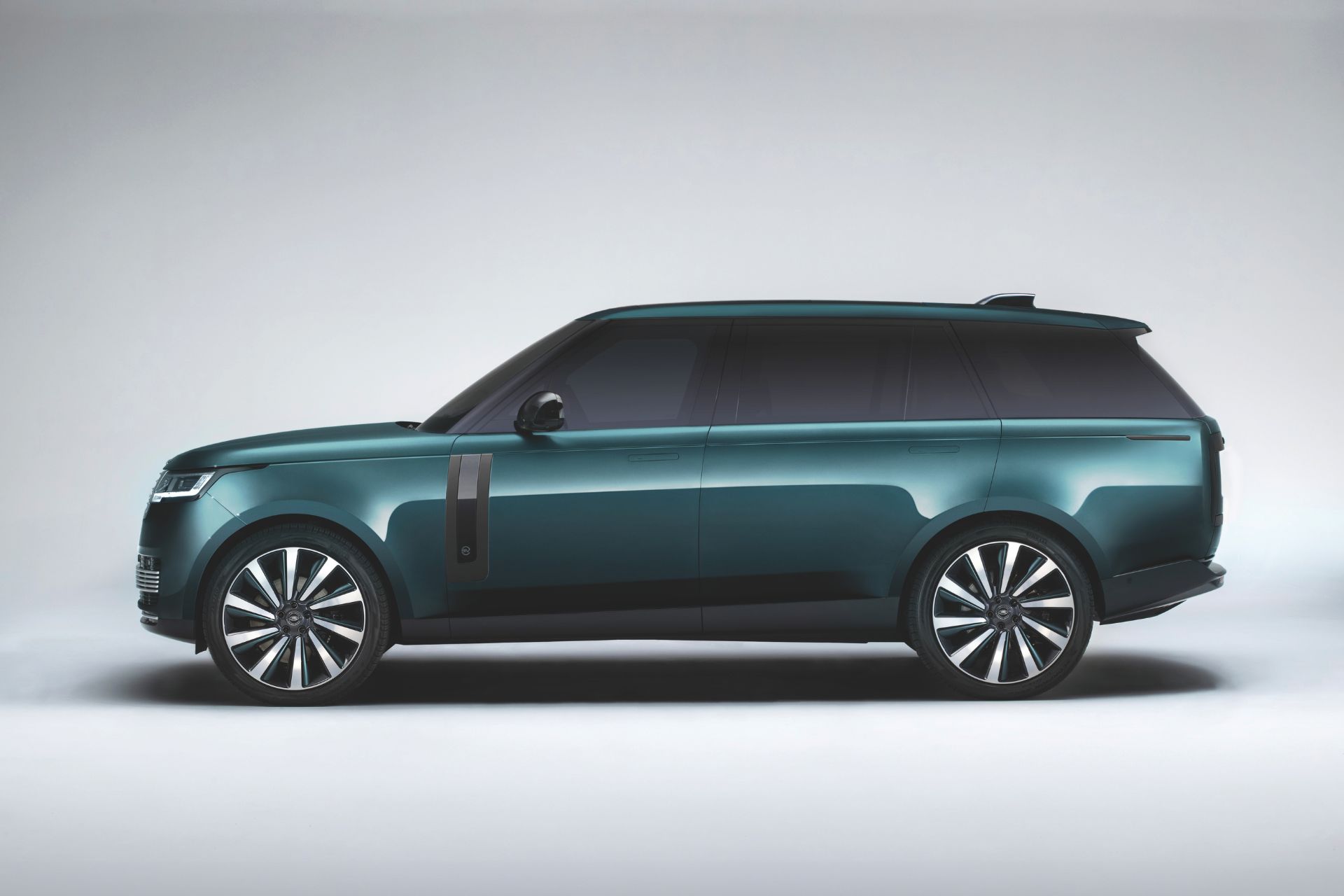
British luxury brands need to copy the approach of these labels to create what Siboni calls ‘bubbles of British happiness’. The best way is to leverage the heritage of UK brands and combine it with traditional British values. ‘British brands need to dial up their sense of elegance, which is timeless, and combine it with values of politeness and respect, which people associate with Britain but have been lost in today’s world. You can imagine a Chinese consumer seeking to align him or herself with those values by wearing Dunhill or driving a Bentley, a Range Rover or an Aston Martin. Or by drinking rare single malt whiskies, the grand cru of Britain. The message is: I’m the opposite of those wannabes who are on TikTok all day long. I am more refined.’
Akeroyd agrees. British brands, from small (John Smedley, Mulberry) to big (Burberry, Jaguar), have heritage, ‘but not all have created an easily relatable narrative about themselves that means they resonate with global consumers. Look at how clearly Brunello Cucinelli has created its own mythology of quality, craftsmanship and ethical responsibility through its base in the village of Solomeo and the personality of Brunello. It’s fantastic. British brands have a lot of the same qualities, and need to work harder to create their own storied appeal.’
Siboni, a proud Frenchman, admits British brands could have an edge here because their history gives them a rich, distinct personality, which is more valuable at a time when luxury goods purchases ‘are more about defining and exhibiting your identity than showing off your wealth’. He explains: ‘When you see a Ferrari, you say: “Wow, look at that car.” When you see an Aston Martin, a Range Rover or a Bentley, you look less at the car and instead are more interested to see who is driving it. Is it the King of England? James Bond? David Beckham? Done right, there is more personality and quality infused in British luxury goods and less bling bling. This has great modern appeal.’
How To Approach The US
American consumers have a long-established love of Britain and British brands, but the imposition of tariffs on goods from Britain and EU countries has roiled the market. ‘The uncertainty around tariffs and pricing is a huge issue,’ says Achim Berg, founder and managing director of FashionSIGHTS, a think tank focused on the future of the luxury industry. ‘If you are the CEO of a British brand, are you really going to double down, opening stores in the US and deploying capex? No, you’re not. I think everybody is just waiting to see what is happening now.’ Looking at luxury car brands, Palmer agrees. ‘There is a lot of love for British brands in the US, but you’ve got a lot of delayed decisions. Do I buy a Bentley this week or do I buy it next year?’
HSBC’s global head of consumer and retail research Erwan Rambourg is more sanguine about the prospects for luxury brands in the US. He points out that ‘wealth is spreading out geographically: you are seeing a greater importance of Texas, Arizona and other pockets of wealth outside the traditional NYC/Miami/LA markets’. The soaring value of US equity markets during most of last year has boosted consumer spending. Morgan Stanley managing director Édouard Aubin reported in October: ‘As per channel checks, credit card data and luxury mall data, spending on personal luxury goods has been accelerating in the US in recent months.’
British brands that appeal to growing middle classes – notably Burberry – could do well, argues Bernstein’s Solca. The luxury market in the Gulf states is currently the fastest growing, Rambourg says, with double digit sales increases year on year. But he cautions that it remains small in comparison to China, the US and Europe, accounting for a modest three to five percent of global luxury spending. ‘It is moving the needle less than US and China markets.’
Where Else Should British Brands Explore?
India will remain a key market for super luxury British brands, notably car brands so beloved by the Mumbai business elite. But some analysts point out that when it comes to fashion, many Indian consumers prefer to buy outside India, in the country of a brand’s origin. ‘India is a difficult place for luxury,’ says Berg.
One market in which all analysts agree demand for all luxury goods brands will remain subdued is Europe. ‘It is pretty flat,’ says Berg. ‘The aspirational customer is not spending.’ The UK is particularly flat, but that is in no small part the result of the government’s decision to end tax-free shopping. Siboni points out that most luxury brands’ goods are cheapest in their country of origin. The tax changes mean British brands are more expensive in Britain, ‘which means there is no reason or urgency to buy British in Britain’. This, he scarcely needs to add, ‘is – how do you British like to say? – bonkers’.