


The Harvest Moon Will Light Up The Sky This Weekend
By
1 week ago
Here's when to see it
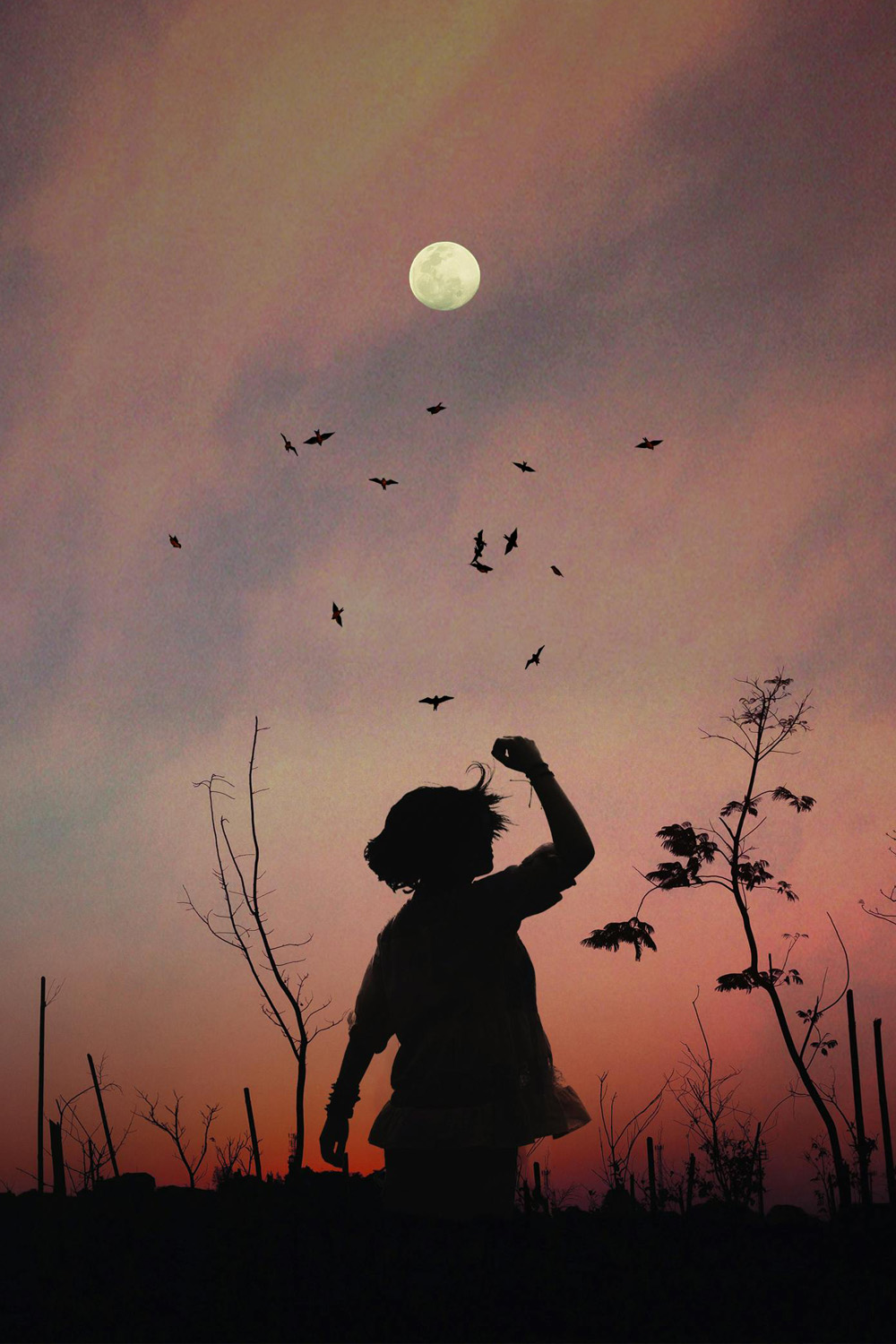
September’s full moon will rise into the sky this weekend, casting a celestial glow over the nation. However, this isn’t just any full moon: tonight we will see the Harvest Moon. Also known as the Corn Moon, Barley Moon, Autumn Moon and Falling Leaves Moon, here’s exactly what a Harvest Moon is, and the history behind it.
What Is The Harvest Moon?
There are 12 or 13 full moons every year – one for every month, with a bumper Blue Moon thrown in every few years (hence the idiom, ‘once in a blue moon’). September’s full moon belongs to the harvest, a traditional bountiful celebration at the beginning of autumn. Once all of summer’s growth is complete, the crops are ready to be shorn, while fruits and berries fill with ripeness and squashes and pumpkins begin to appear.
In 2026, the Harvest Moon is the tenth full moon of the year. It gets its name from the harvest season, but not just because the timings coincide. Once a more staple part of life, the Harvest Moon allowed farmers head out into the night to get a head start on harvesting their crops – since the moon shines so brightly, they can continue working unimpeded even when the sun sets. And then we get to celebrate their hard work and bounty with autumnal banquets and celebrations.
Also known as the ‘corn moon’ or ‘barley moon’ for the crops in question, the Harvest Moon sometimes comes with a slightly golden appearance, making it a treasured sight for modern and ancient farmers alike, and in Native American cultures, too. This is because of the Harvest Moon’s atypically low position in the sky (compared to other full moons), falling so close as it does to the autumn equinox. Sitting low on the horizon means the moon’s silvery light has to be filtered through more layers of the Earth’s atmosphere before reaching our eyes, which scatters more of the shorter blue waves, allowing the yellows, oranges and reds to flourish. Add seasonal dust and haze sitting in the atmosphere, and we have a moon that appears to glow with warmth.
Traditionally, the Harvest Moon refers to the first full moon after the autumnal equinox, which comes with its own array of connotations and traditions. This year, the Harvest Moon will appear on 25 September – two days after the autumn equinox on 23 September.
How To See It
The Harvest Moon will technically reach its fullest at 5.49pm UK time on Saturday 26 September 2026. However, since moonrise isn’t until 6.26pm, we won’t be able to see it until a little bit later. The sun will set at 6.49pm, so anytime after this will offer the clearest view of the Harvest Moon. If you are an early riser, you can also catch a glimpse of the moon on Sunday morning: the sun will begin to rise at 6.54am, but the moon will stay in the sky until 7.52am.
As always, areas away from city lights and light pollution will offer the best views, such as parks, open fields, or the countryside, where the eastern horizon is unobstructed. Dry, clear skies are forecast in southern and eastern parts of the UK, bringing favourable viewing conditions. Cloud and rain further west, in Scotland and in Ireland might upset the view.
If you miss it, fear not: because of the moon’s shorter cycle around the Autumn Equinox, it will rise (and still appear full) around the same time on the following two evenings. It will rise at 6.40pm on Sunday 27 September, and then 6.56pm on Monday 28 September, before the moon’s path stretches out again.
A bonus for any keen stargazers: Saturn is expected to be visible on the same evening as the Harvest Moon, appearing as a bright golden star just below and to the left of the moon around 30 minutes after moonrise. No telescope necessary, Saturn will be visible to the naked eye. That said, if you have the equipment, Neptune will also be visible in the same area.
When Is The Next Full Moon?
The next full moon will rise on 26 October. It will be the Hunter’s Moon, and you can learn more about that here.
2026 Full Moon Calendar
There are 13 full moons in 2026, including May’s Blue Moon. They are:
- 3 January: Wolf Moon
- 1 February: Snow Moon
- 3 March: Worm Moon
- 2 April: Pink Moon
- 1 May: Flower Moon
- 31 May: Blue Moon
- 30 June: Strawberry Moon
- 29 July: Buck Moon
- 28 August: Sturgeon Moon
- 26 September: Harvest Moon
- 26 October: Hunter’s Moon
- 24 November: Beaver Moon
- 24 December: Cold Moon