



‘Literature Can Change Things In A Way Policy Can’t’: Sky City Author Jacqueline Crooks On Her Favourite Books
By
38 minutes ago
The award-winning novelist chats living in the apartment block that inspired her novel, giving a voice to the voiceless and why Dickens made her want to write
In December 2003 a 38-year-old woman by the name of Joyce Carol Vincet passed away. Her body wasn’t found until over two years later on 25 January 2006. She died in Sky City, an apartment block in Wood Green, London.
Her death shone a ghastly light on just how much our local communities have been eroded – without friends, family and neighbours keeping an eye on you, who will know when you’re gone? Years later, a film about her life and death titled Joyce, Dreams of a Life (2011) was made. And it was at a Q&A with the director Carol Morley and star Zawe Aston, that Jacqueline Crooks revealed that she too had lived there, on the very same block (though not, she notes, at the same time).
‘I was struck by how taken aback [Zawe] and the director were,’ says Jacqueline. ‘I was also Indo-Caribbean like Joyce, and about the same age. Zawe said it was as if she’d seen a ghost. That stayed with me. I felt there was a connection between us, and I wondered whether my life story could have been similar to hers.’
It was this moment that inspired Jacqueline’s most recent book: Sky City. In her own words: ‘It’s about a young woman carrying the effects of childhood trauma and trying to reconnect with someone from her past, in the hope that it will help her to shape her future. It’s really an exploration of loneliness and disconnection from society.’
Despite the tragedy now tied to the building, Jacqueline has fond memories of her time there. Previously homeless, the Metropolitan Housing Association relocated her to the block from a hostel. She recalls that it ‘was this magical thing: “Oh my God, I’ve got keys to this place, I don’t have to share the hostel with other vulnerable people”. It felt like a place where I could centre myself, start healing and feel safe.’
It’s not unusual for Jacqueline Crooks to draw on her lived experiences in her work – but it’s never interior or self-aggrandising, instead always looking outwards to other people and places. ‘I start from lived experience,’ she says, ‘but I want to see how it can be magnified so that people look at situations and issues differently, while still being entertained and taken in.’
Her life and her route to authorship has not been an easy one. When her debut novel Fire Rush was released, and then deservedly bestowed with endless honours and awards, Jacqueline says it had a ‘strange effect’ on her: ‘It was hard to process. I was, and still am, dissociated from it and what it means, because it’s so far removed from where I’ve come from. I can’t connect the world I’ve spent most of my life in, council estates, homelessness and living on the streets, with the year I had with Fire Rush and all the attention. It’s impossible.’
Fire Rush tells the story of Yamaye, a young second-generation Caribbean woman coming of age in suburban London in the late 1970s and early 1980s. But it also tells the untold story of the underground dub reggae scene – something Jacqueline enjoyed in her own youth.
Like most of her work, it’s interested in ‘the politics of invisibility’. Primarily, she’s concerned with voicelessness, particularly the voices of children and the elderly. Applaudingly, her politics extend beyond the pen. ‘I work in the community sector with children and older people who are silenced, and their stories are fascinating. They have so much to say, and we could learn so much from them.’
Though she believes there’s a place for pure escapist fiction, she envisioned Sky City as an instrument of change. ‘I want to open up dialogue around safeguarding, which I can use in my community work, and start conversations about taboo subjects, using the book as a way into those awkward conversations […] Literature can change things in a way that policy perhaps can’t, because policy can’t reach people.’
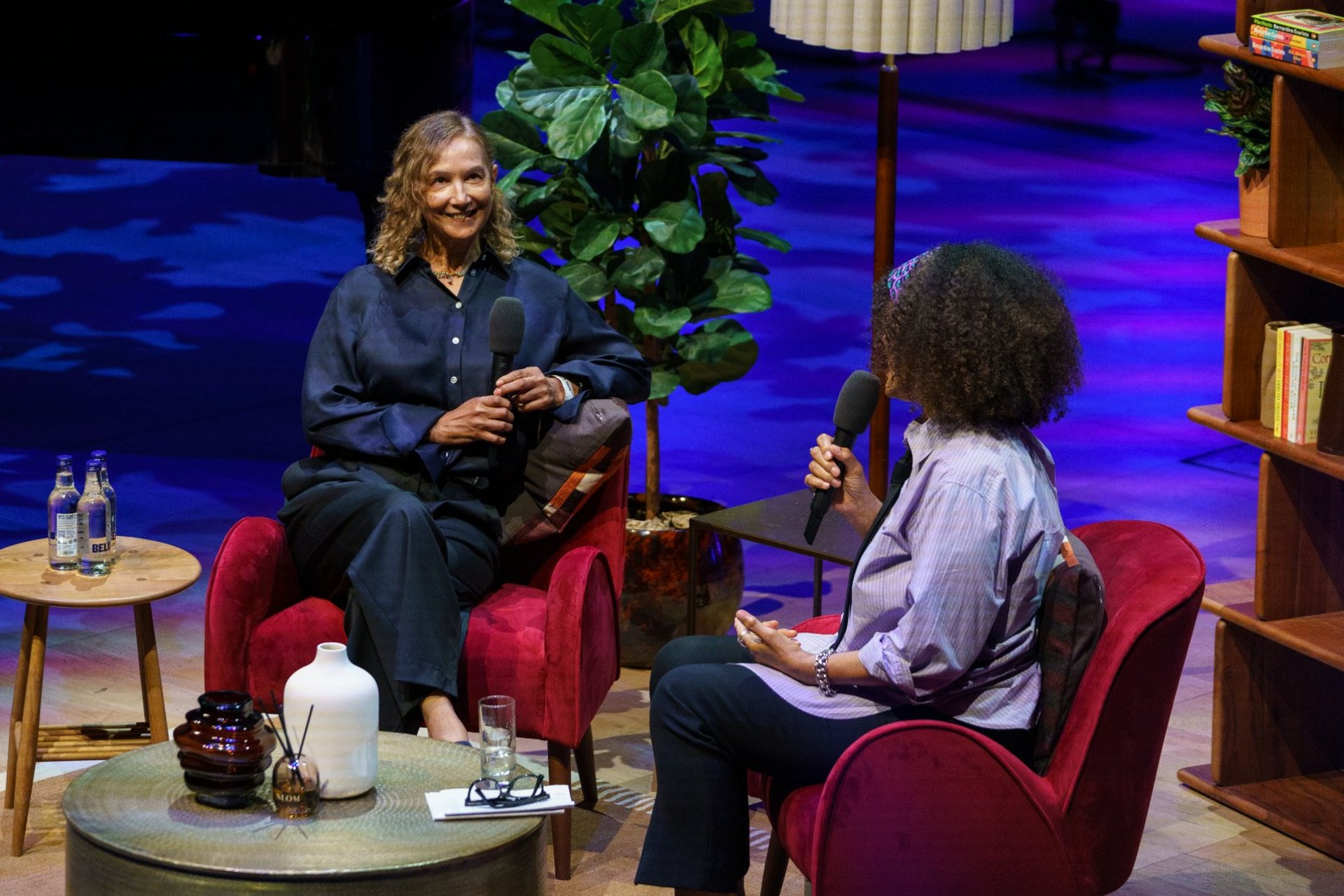
Jacqueline Crooks with Bernadine Evaristo at our 2026 Chelsea Arts Fetsival
Shelf Life: Jacqueline Crooks
This book made me a reader…
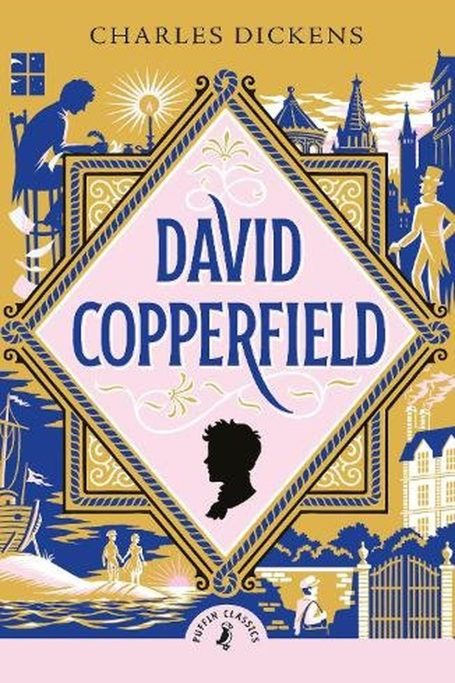
I love all of Charles Dickens’s books, but David Copperfield made me want to write. I love the epic, character-driven style. All of his work has political issues you can feel he’s passionate about, but it’s still entertaining and I find it quite comforting. It’s hard to write about difficult, sometimes disturbing things, but the reader can still find comfort in how the protagonist overcomes them, and in their outcome.
This book was formative in my youth…
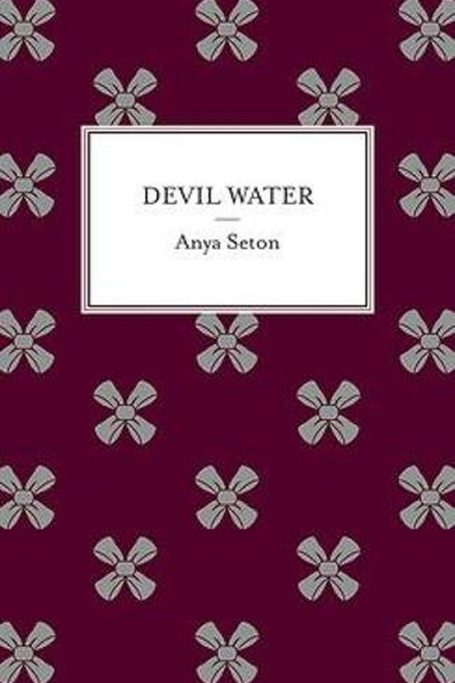
Devil Water by Anya Seton. I read it when I was 12 or 13. It’s a historical novel about a father and daughter that spans the Americas and the uprisings in Scotland. It really affected me. I love its epic scope, its many characters and how they grow. That book has stayed with me since I was 12, and I reread it every so often. I think it shaped me as both a writer and a reader.
This book broadened my horizons…
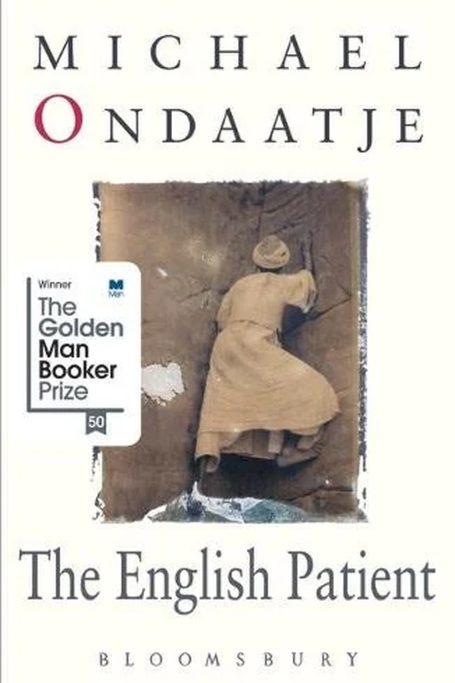
I loved, loved, loved The English Patient by Michael Ondaatje. It spans many countries, and Ondaatje is a poet writing prose. So it broadens horizons geographically, in the scope of the story, and in what he does with literary technique, language and words. In Siberia by Colin Thubron is another one. It’s not fiction, but I love travel writing, and that book shaped how I want to write about place, maybe as a character in itself. I find the language exquisite. It opened up my mind to what fiction could look like if it concentrated on landscape and place.
This book is my comfort blanket…
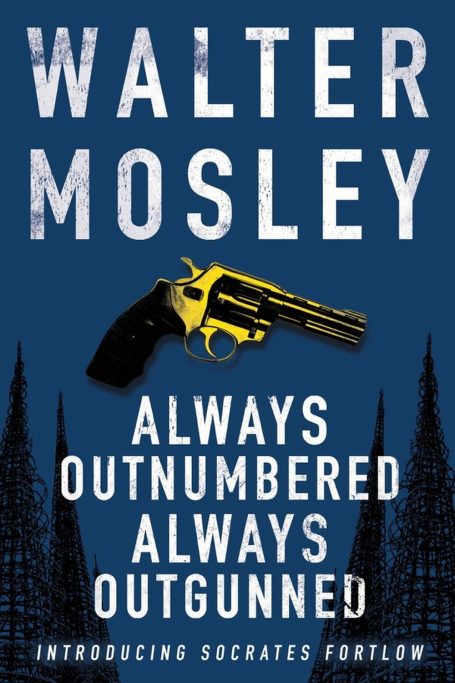
Always Outnumbered, Always Outgunned by Walter Mosley. The main character is an ex-criminal living on next to nothing, hustling to survive, but he still finds ways to help people who are perhaps worse off than he is. I find a lot of comfort in that: helping other people while we’re helping ourselves. I also find the way he hustles really comforting. He’s always resourceful and finds a way to put together a meal or something.
I wish I’d written this book…
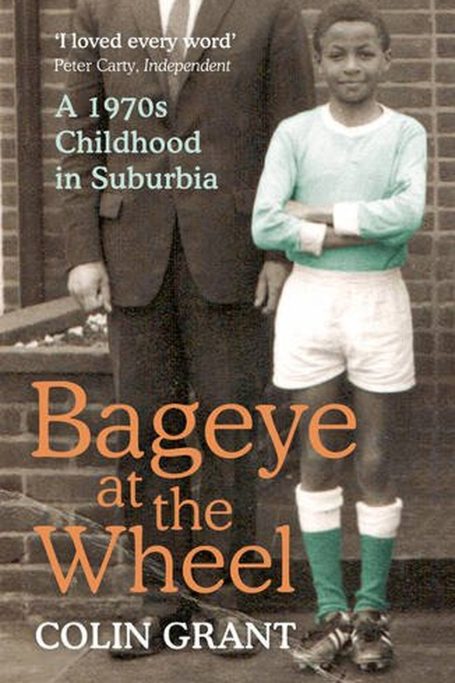
Bageye at the Wheel by Colin Grant. For me, Colin Grant is the master of capturing Jamaican vernacular and the behaviour of a certain class of Jamaican, which I recognise as my own: the Jamaicans I grew up with. If you’re not of that culture, a lot of the humour may go over your head. I laughed so much with that book, but I also recognised the deep, profound things he identifies in the community. It’s so clever. It’s a brilliant book.
I can’t stop talking about this book…
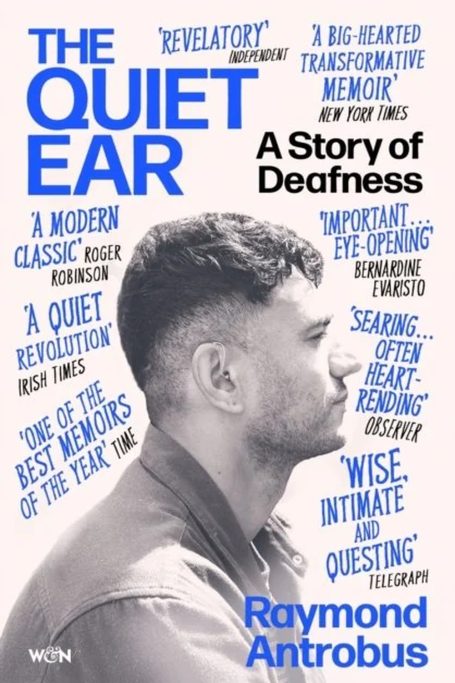
The Quiet Ear by Raymond Antrobus. I’m telling everybody about this book. It’s a memoir, but it’s poetic and reads like a novel. It defies classification. It’s about being deaf, but it’s also about sound, and I’ve never read anything that made me think about sound the way he does. It’s enlightening, moving and utterly brilliant.
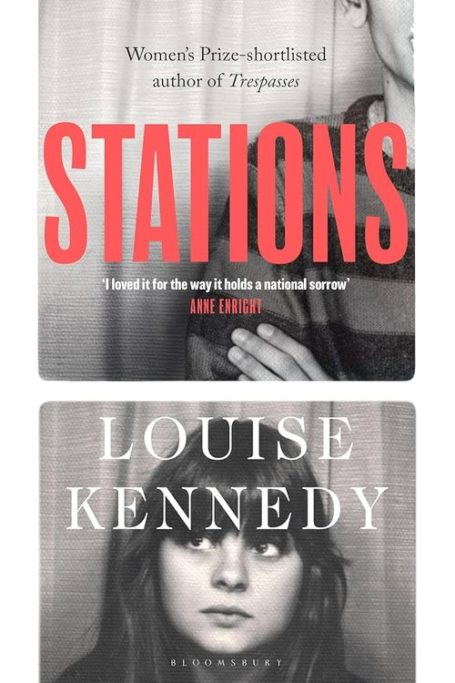
I can’t wait for this book to hit shelves…
Louise Kennedy’s new book Stations has just come out. I’m really excited to read it. It’s going to be on BBC Radio 4’s Book at Bedtime, so I’m not sure whether to listen to it first or read it.
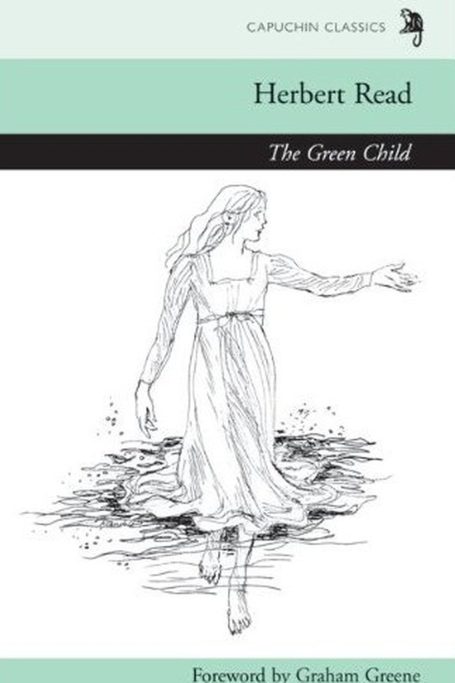
I’d recommend this book to anyone and everyone who will listen…
The Green Child by Herbert Read. It’s a very old book, but it’s magical and a bit surreal. It’s one of those lost gems.
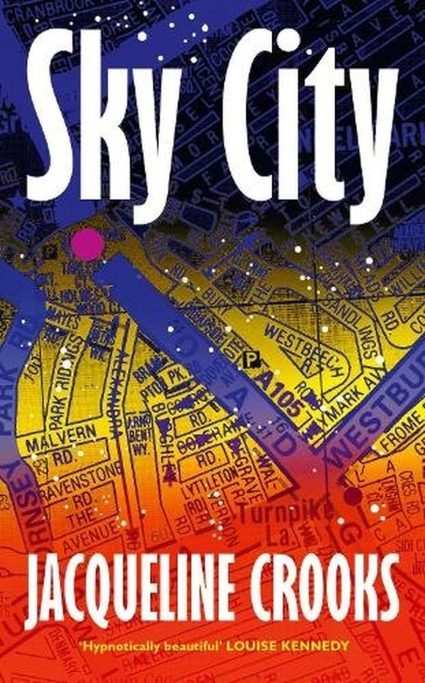
Sky City by Jacqueline Crooks
Jonathan Cape, Hardback, £18.99