


Irish Author Louise Kennedy On Her ‘Vivid’ Memory, ‘Beserk’ First Drafts & The Books That Shaped Her
By
1 minute ago
After her debut Troubles novel Trespasses was Women's Prize shortlisted in 2022, Louise Kennedy is finally back with her unflinching follow-up
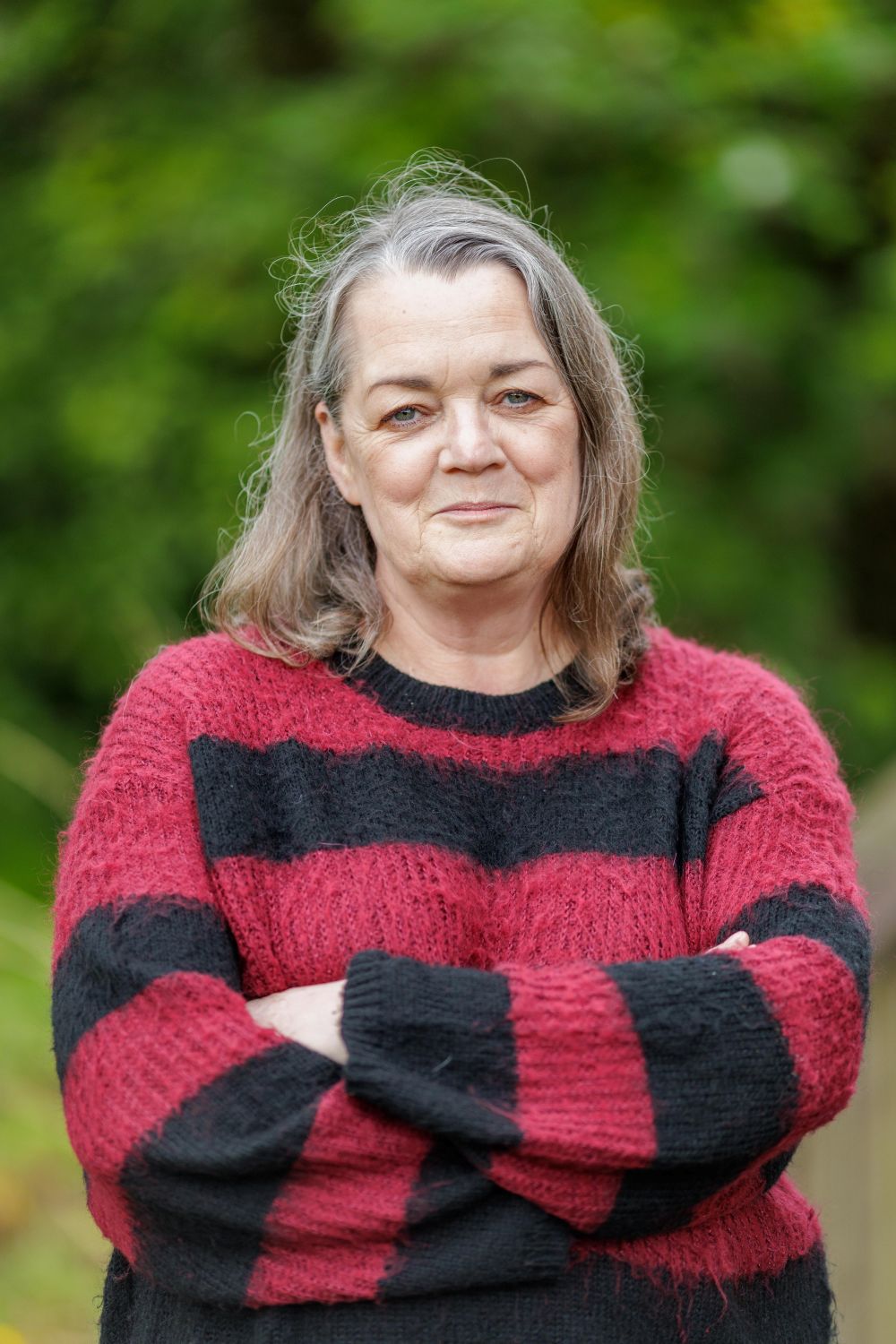
Irish novelist Louise Kennedy is very busy. When we call, she’s in her hotel room in Edinburgh – having arrived last night fresh from The Queen’s Reading Room festival at Chatsworth – squeezing me into the beginning of her morning before her book tour begins in earnest. She has all manner of signings, interviews and talks to attend to as Stations hits the shelves, Kennedy’s much-awaited follow-up to her Troubles romance debut, Trespasses (2022).
‘It’s been a while since it came out, but Trespasses ended up having quite a long life, I think partly because of the TV series,’ Kennedy says, referring to last year’s Channel 4 adaptation starring Lola Petticrew, Tom Cullen and Gillian Anderson. An executive producer, the author was quite happy to hand the writing reins to screenwriter Ailbhe Keogan. ‘I think if I had [written it], I wouldn’t have written my new book,’ Kennedy admits. ‘It takes a couple of years [to write a script], and it’s quite a collaborative thing. I don’t know if that’s really me. I’m happier in a manky jumper I’ve been wearing for three days with blankets on my knees and away from people. At a distance, it was lovely to work with them. But if I’d had to take my book that I’d worked on for three years and cut it up and do things to it… I think I might have cracked up.’
Dubbed ‘ChatGPT for Belfast, 1975’ by Trespasses’ producer, Kennedy contributed instead in keeping the series authentically 1970s Irish. ‘It’s terrifying, what I remember,’ she laughs. ‘I have a really strong, visceral memory. I just remember all the detail.’ This came in handy when turning her pen to Stations, too. Kennedy’s writing is distinctly evocative of time and place across everything she writes – and Róisín, our Stations protagonist, leaps off the page instantly. ‘Frighteningly, it took very little for me to step into the voice of a teenage girl,’ Kennedy says. ‘That came to me so, so sharply. It was as if I was walking around myself, slamming doors, rolling my eyes and fighting with everybody.’
Where Trespasses traces about six months in 1975, Stations’ scope is much broader, skipping a couple of days, then a few months, then a year or two until it can stretch all the way from 1989 to 2007. Describing her debut novel as an unintentionally ‘plotty book,’ Stations embodies’ Kennedy’s more vibes-based manner of working. ‘I don’t plot or plan,’ the author shares. ‘If Stations has a plot, it’s maybe just about the choices that one girl – who then becomes a woman – makes over the course of her life, and the people who are important to her at various stages, who come and go, and what they help her learn about herself. A lot of it is about regret. I’m almost 60, and I don’t know anybody my age who doesn’t grapple with that often.’
And where Trespasses navigated the Troubles-torn fringes of ‘70s Belfast, Stations begins in the ‘80s, closer to Dublin where Róisín is a teenager, before hopping across the Irish Sea to London. Born and raised in Holywood, Northern Ireland herself, Kennedy and her family relocated south in 1979 when the author was 12, to Dublin and then Kildare. ‘I think because of that, the years either side are really vivid to me. It was a kind of watershed for me, I suppose,’ she reflects.
When Róisín moves to London, that draws on Kennedy’s reality, too – and the reality of the hundreds of thousands of Irish people who emigrated to Britain in the ‘80s. ‘When they’re going to gigs, drinking cider and scrabbling together money for food and bumming cigarettes from each other, that was my youth,’ Kennedy says. So again, her vivid memory came in handy: the books she read and the music she listened to in her early London years, ‘those became Róisín’s taste,’ Kennedy says. ‘The things that carried her through.’
Living in Beirut before returning to northwest Ireland (‘literally 10 minutes from the Atlantic in either direction’), Kennedy trained as a chef, working in kitchens for close to 30 years and squeezing reading into her rare breaks. But writing was never on the cards, she says. ‘I just got in my head that writers were magical people, and that I’m not magical.’ But when she finally did come to write, Kennedy drew on all of the form, structure and style she had absorbed by osmosis.
The author first conjured Róisín in ‘Belladonna’, the shortest story in her debut collection, The End of the World is a Cul-de-Sac (2021). An isolated, unpopular tween, ‘Belladonna’ examines Róisín’s fascination – and later obsession – with the new couple who have moved in across the road. ‘She’s not terribly likeable,’ Kennedy laughs. ‘Cushla in Trespasses was really likeable, but Róisín wasn’t at all, and I kind of loved her for that. I felt that I had unfinished business with her, so in Stations I go back to Róisín, but I give her a friend and see how she copes with that.’
After the success of Trespasses, was it daunting to return to a blank page, cursor flashing on the empty screen, for the next one? ‘Every day that I walked towards my laptop, I literally felt like throwing up. It’s really hard to park anxiety,’ Kennedy admits. ‘But when I opened my laptop [to write Stations], all of that vanished. It was just about those characters and trying to figure out how to make the story work. I think that was a blessing. I do think the only cure for that sort of anxiety is just to write your way out of it.’
It’s a daunting process she finds herself facing again as she begins her third novel which, after ‘70s Trespasses and ‘80s Stations, kicks off in the ‘90s. It’ll centre on a glamorous Irish-American couple’s arrival in a coastal village in the west of Ireland, ‘and how that unsettles one woman in particular,’ Kennedy teases. ‘I’ve written seven chapters. I’m afraid to look at them. I fear they may be very bad. But it’s always like that,’ she says. ‘My first drafts are berserk. The second draft is the hardest – they can sometimes take a year and a half to fix because sometimes I’m dealing with, like, three pages of bullet points. I just write like a maniac to try and get everything down. That sounds mad, but I do think, writing the first draft that way, some of the energy remains on the page through all the subsequent drafts.’
And where Trespasses unfolds in Belfast and Stations captures London, this work-in-progress third novel takes Kennedy out of the city and back into nature. ‘I found the [urban] environment a bit limiting because I really do like to be outside,’ Kennedy says. She notes it is the first time she has delved into nature writing since her short story collection, to which I counter that the most vivid, sticky scenes from Trespasses in my mind were those set on the gorse-covered hills outside of the city. ‘Those are the bits that I loved,’ Kennedy agrees. ‘That’s why I brought them up the hills! I was like, “please get me off the streets of Belfast”.’
The author is excited to get back to the nitty gritty wonder of nature, something she learned from her children. ‘When kids are small, they’re very close to the ground. They pick things, mushrooms and puffballs – or they stamp on them. Mine would pick wildflowers and ask me what they were, and I’d have to go home and look them up because I didn’t know. I had quite a suburban childhood, so there were things that I had to learn. So I’m really looking forward to getting back to that.’ It’s a useful, two-birds-with-one-stone exploration for an author who sits and writes for as long as she can, before she has to ‘get the hell outside and take a brisk walk up a country road.’
In between all of these writing stints, walks, interviews and talks, Kennedy is still reading voraciously. Most of all, ‘I can’t really get past Irish women’s writing,’ she says. ‘Edna O’Brien, I think, was criminally underrated; I’m really happy to see that her publisher has reissued a lot of her backlist. I think In the Forest is arguably the best Irish novel I’ve ever read, and that was out of print for a while, but it’s available now. But, you know, the queen is dead, long live the queen: Anne Enright. Actually, it’s not even fair to compare them because they’re both completely incredible in different ways. But I think Anne Enright is just sublimely gifted.’
Below, C&TH delves into the rest of Louise Kennedy’s reading life for the latest edition of Shelf Life, where book-lovers tell us about the reads that shaped them. From Toni Morrison to Joan Didion, you can find her picks below.
Shelf Life: Louise Kennedy
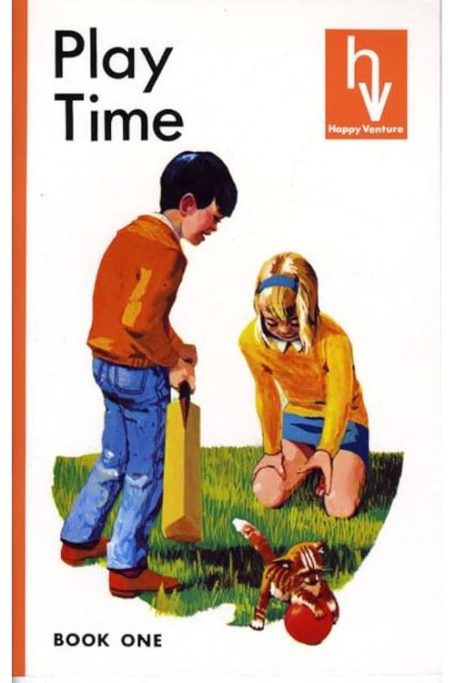
This book made me a reader…
In primary school we learned to read from slim, dreary ‘readers’ that featured children named Dick and Dora. The first time the words left the page as code and reassembled in my head to make story was magic.
This book made me want to be a writer…
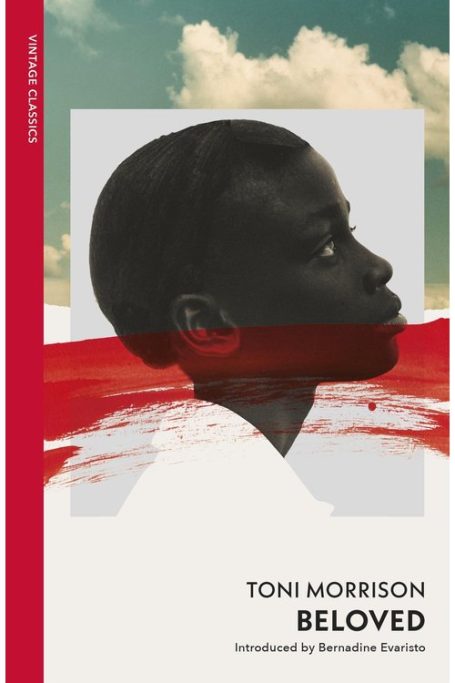
I stumbled into writing, it wasn’t something I had wanted to do all my life. I do recall thinking though, as I closed the pages of Toni Morrison’s Beloved, that I would give anything to be able to write something so completely beautiful.
This book was formative in my youth…
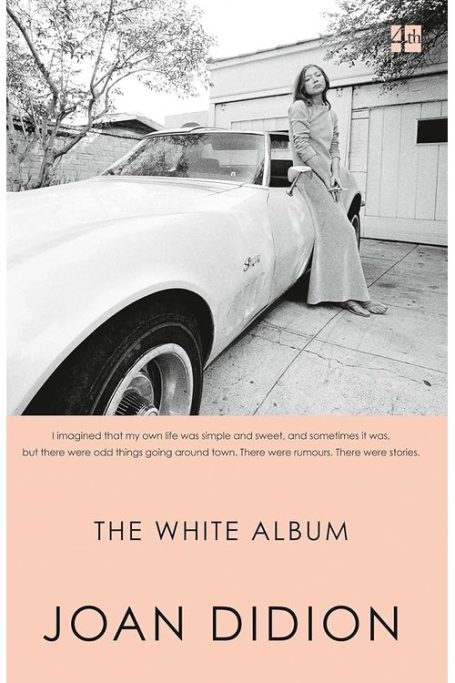
When I was fifteen, my neighbour gave me a copy of Joan Didion’s The White Album. I read her account of being sent to buy a respectable dress for Linda Kasabian – Manson Family member turned state witness – to wear in court and it blew my mind.
This book is one I can’t stop returning to…
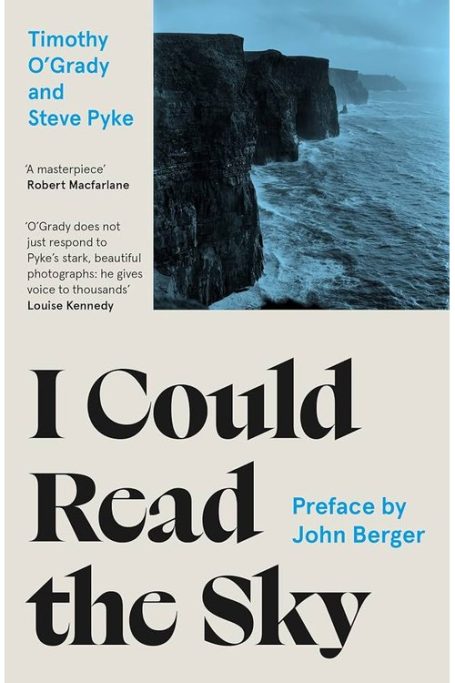
I Could Read the Sky is a novel written by Timothy O’Grady in response to photographs by Steve Pyke. It is an exquisite book that captures the Irish emigrant experience better than anything I have ever read.
This book broadened my horizons…
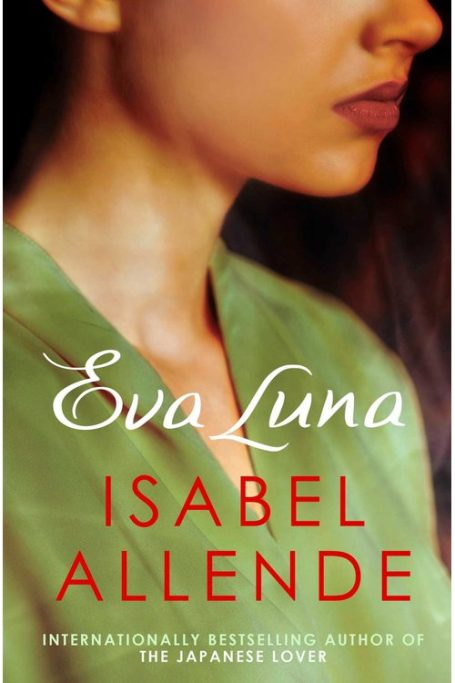
With its Scheherazade-esque tales of love and horror, Isabele Allende’s Eva Luna took me to places I’d never imagined.
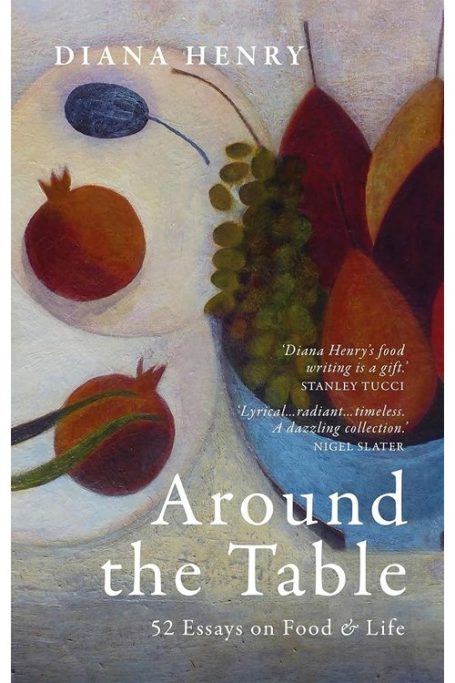
This book is my comfort blanket…
When I’m tired, stressed or in a reading slump, I go to food writing. My current favourite is Diana Henry’s Around the Table, a sensible and sensuous collection of essays on cooking, eating and living.
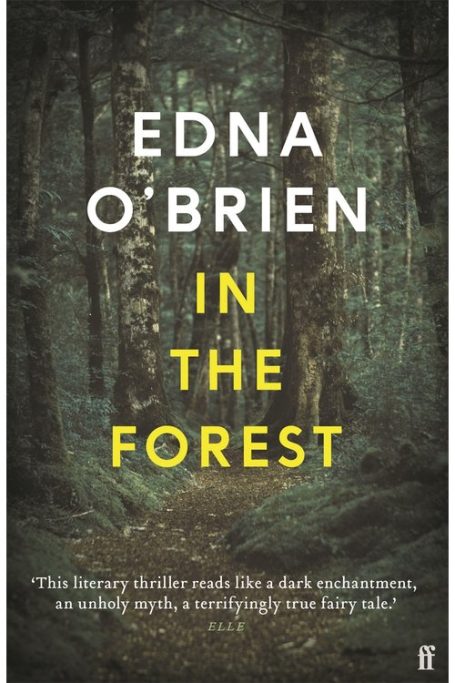
I wish I’d written this book…
Anything by Edna O’Brien but if I had to choose one it would be In the Forest.
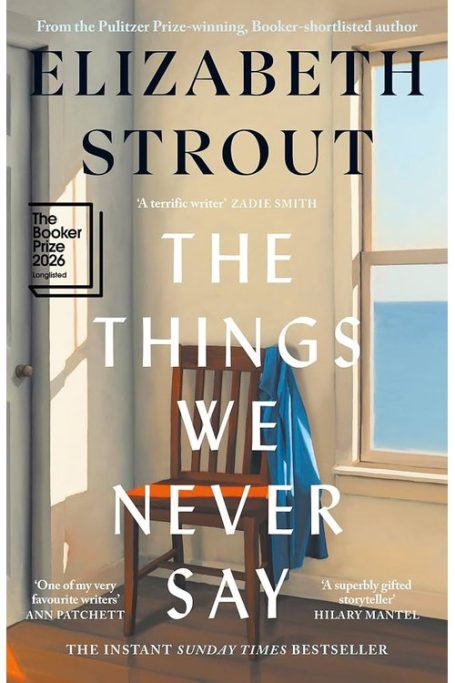
I can’t stop talking about this book right now…
A new book from Elizabeth Strout is always a treat, especially when she is introducing a new character. Still, I wasn’t prepared for kind, lonely Artie Dam in The Things We Never Say. A book of the year for me.
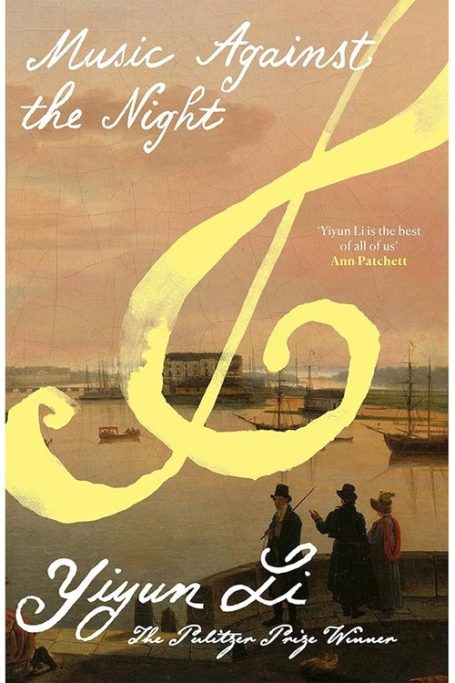
I can’t wait for this book to hit the shelves…
Music Against the Night is Yiyun Li’s novel of artistic rivalry and frustrated ambition. Li is a writer of extraordinary gifts and I cannot wait for everyone to read this book.
Published 22 October 2026
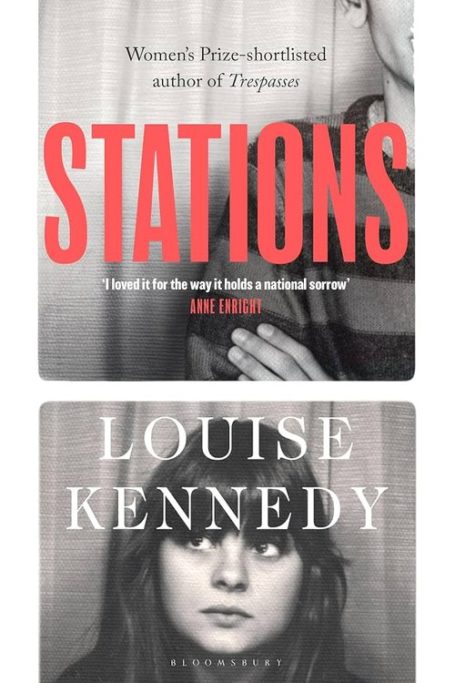
Stations by Louise Kennedy
Bloomsbury, Hardback, £20