


Meet The Curator: Lucian Freud: Drawing Into Painting
By
2 months ago
C&TH meets Sarah Howgate, Senior Curator of Contemporary Collections at the National Portrait Gallery
One of Britain’s foremost portrait painters is the subject of a new exhibition at the National Portrait Gallery, opening tomorrow. But Lucian Freud: Drawing Into Painting shows a new side to the Sigmund Freud descendent: his compositions on paper, proving his mastery of drawing in all of its mediums – pen, pencil, charcoal, etching, ink.
Running until May, the exhibition was curated by the NPG’s Senior Curator of Contemporary Collections Sarah Howgate along with David Dawson, artist and Director of the Lucian Freud Archive. Here is Sarah’s guide to Lucian Freud: Drawing Into Painting.
The Curator’s Guide To Lucian Freud: Drawing Into Painting
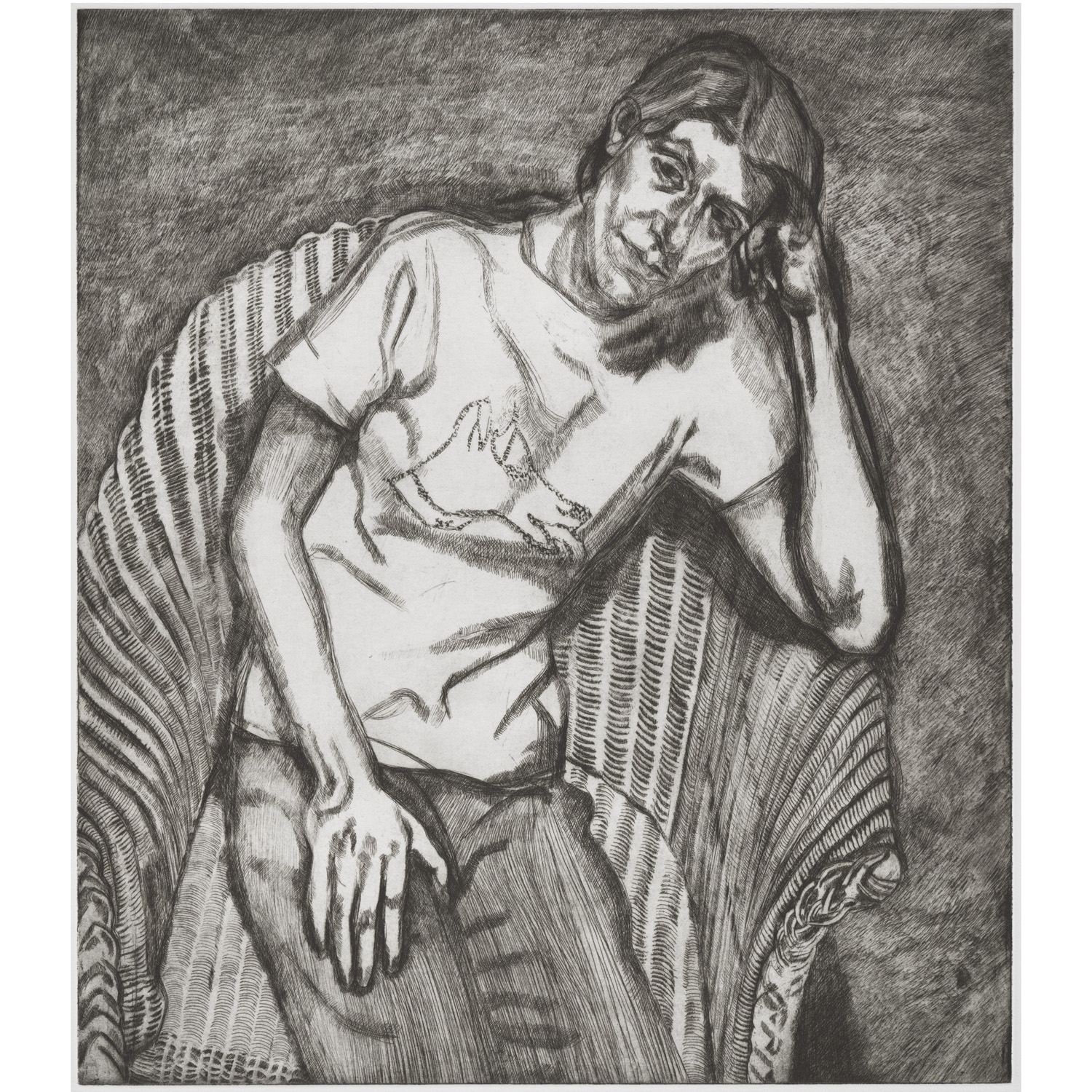
NPG 7195 Bella in her Pluto T-Shirt (etching), 1995 (© The Lucian Freud Archive. All Rights Reserved (2025)/Bridgeman Images/National Portrait Gallery)
The Background
Best known for his paintings, first announced in July 2025, Lucian Freud: Drawing Into Painting marks the UK’s first comprehensive exhibition focussing on the British artist’s works on paper.
‘We’re bringing together 175 drawings, etchings and paintings – some on display for the first time – to offer an unprecedented insight into the creative process and working methods of one of the greatest realist artists of the 20th century,’ curator Sarah Howgate explains. ‘While Freud is best known as a painter, some of the most significant changes in his art can be traced through his drawing. This exhibition interrogates his lesser-known work as a draughtsman and reveals a less familiar side of his practice.’
The NPG has possessed the archive of Lucian Freud since 2015, but Drawing Into Painting follows the gallery’s acquisition of 12 new works from the artist’s estate, including eight etchings, the first of their medium to enter the gallery’s collection – one depicting the artist’s daughter, fashion designer Bella Freud.
As a Lucian Freud exhibition must, Drawing Into Painting explores the artist’s lifelong obsession with the human face and figure. ‘The starting point of the exhibition was the fascinating accumulation of childhood drawings, 48 sketchbooks, letters and unfinished paintings which comprise the Lucian Freud Archive at the National Portrait Gallery,’ Sarah says. ‘This treasure trove of living, working documents reveal Freud’s thought processes throughout his career.
‘I’ve curated the exhibition in collaboration with David Dawson, an artist who was Freud’s long time studio assistant and is now Director of the Lucian Freud Archive,’ Sarah adds. ‘Together, we’ve drawn works from collections around the world to reunite drawings with corresponding paintings, many for the first time.’
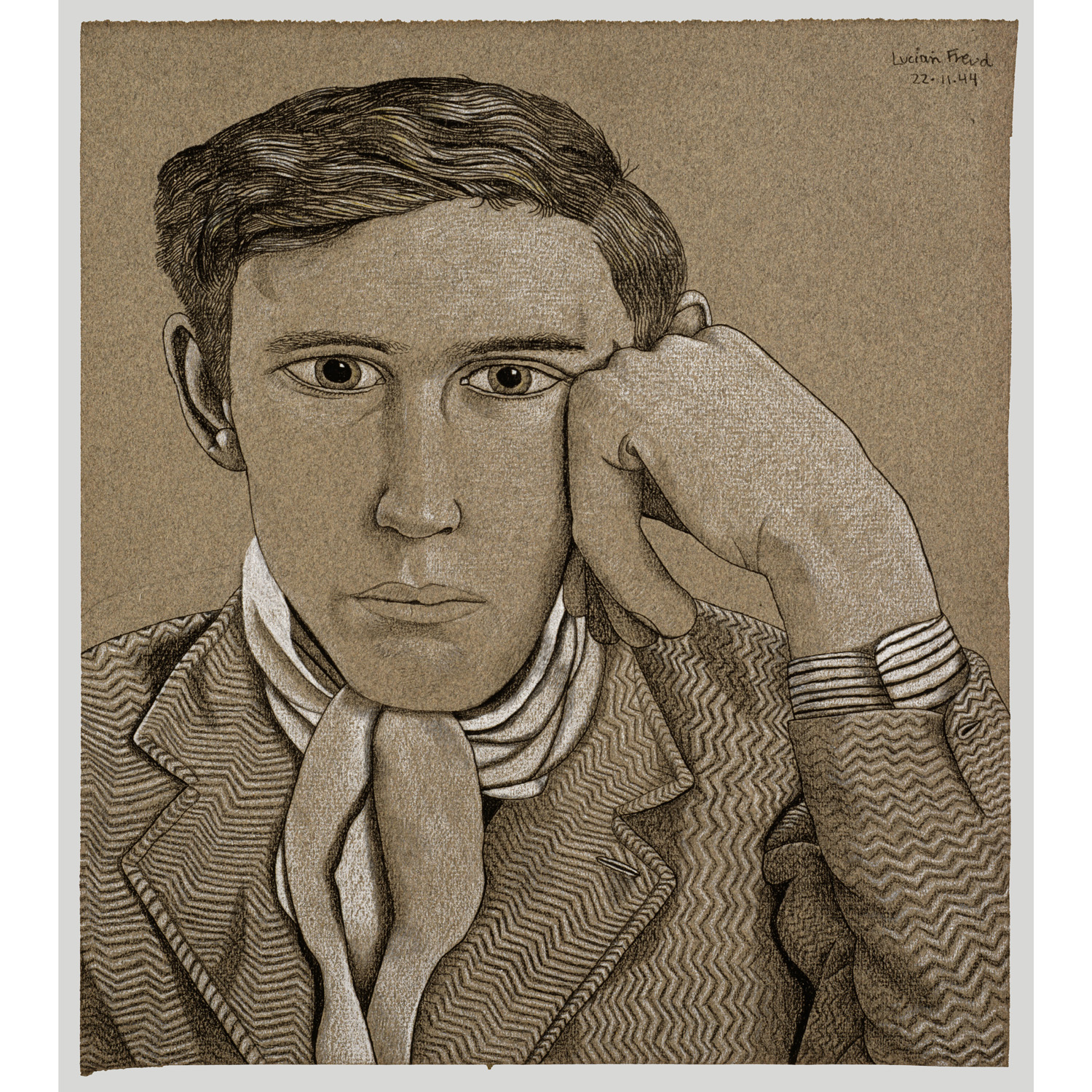
Portrait of a Young Man, 1944, Lucian Freud, Black crayon and chalk on paper. (© The Lucian Freud Archive. All Rights Reserved 2025/Bridgeman Images, lent by a private collection)
What Is On Display?
Spanning the 1930s to the early 21st century, ‘the exhibition spans Freud’s entire career, featuring drawings in various media alongside etchings and oil paintings,’ Sarah explains. ‘The subjects are quintessentially Freud: intense, unflinching studies of the human figure and condition. Visitors will see highly finished linear observational drawings from the 1940s, looser sketchbook drawings, and etchings which he regarded as a “form of drawing”.
‘The sketchbooks contain not only drawings but curious details, recurring motifs, telephone numbers ranging from the gas board to the British aristocracy, love-letter drafts, betting tips, and thoughts on paintings,’ Sarah adds.
But it’s that idea of ‘reuniting drawings’ that sits at the exhibition’s ‘heart’, Sarah says. ‘By placing drawings in dialogue with paintings, we can demonstrate how Freud used drawing not merely as preparatory work, but as an essential tool for observation and understanding his sitters,’ the curator explains. ‘Included in the exhibition will be Hotel Bedroom (1954), a psychologically intense early double portrait painting of Freud with his second wife, Caroline Blackwood. Freud made a number of compositional sketches in preparation for the painting and, intriguingly, we will be displaying one of these sketchbook pages alongside the painting. This is the first time this juxtaposition has been made.’
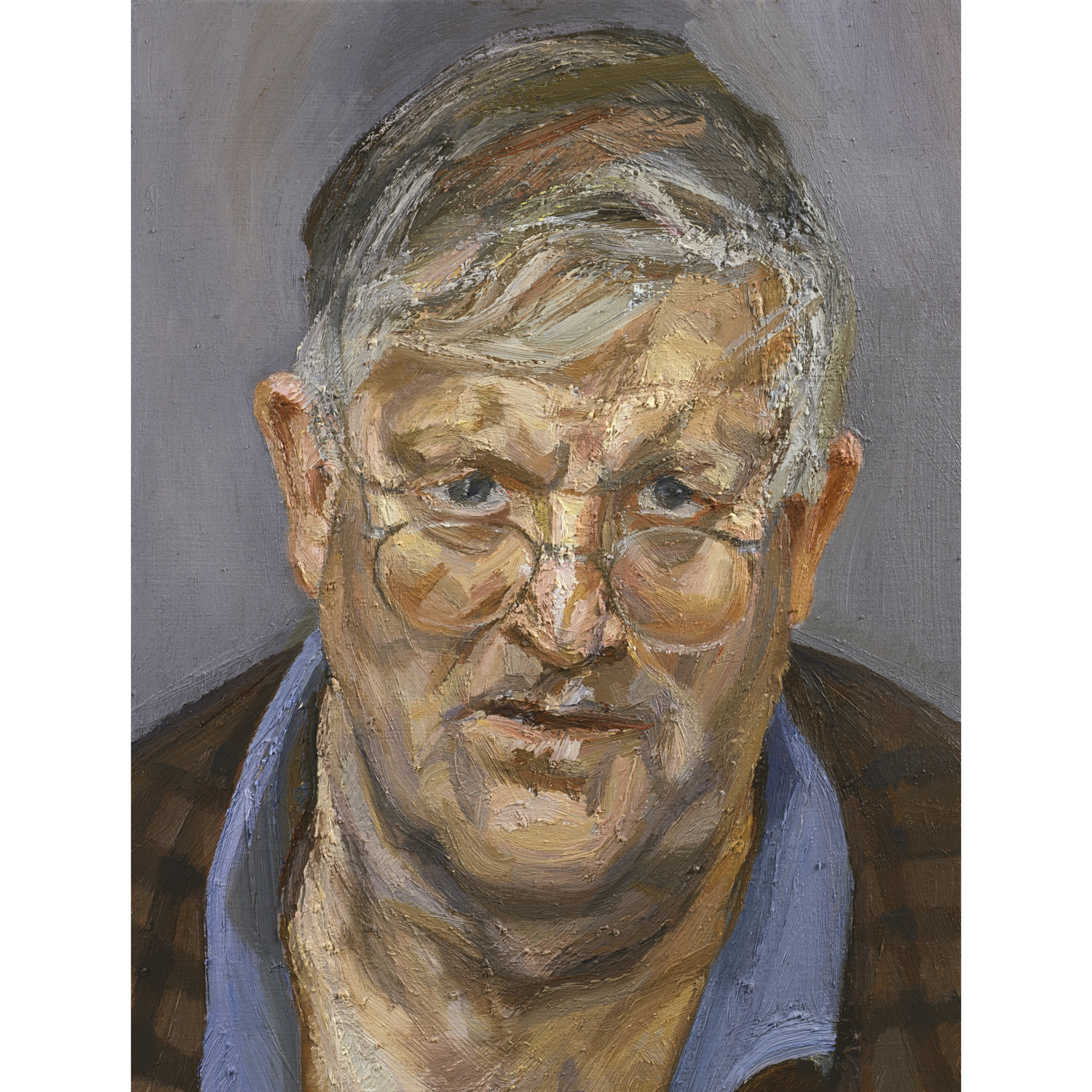
David Hockney, 2002, Lucian Freud, Oil on canvas. (© The Lucian Freud Archive. All Rights Reserved 2025/Bridgeman Images, lent by a private collection)
The Highlights
Freud’s etchings of his fashion designer daughter Bella have made headlines, but Sarah picks out five other highlights to look out for when you visit Lucian Freud: Drawing Into Painting.
The first is Jean Antoine Watteau’s painting Pierrot Content (c.1712), which Sarah is ‘delighted’ to display, adding it is ‘an important loan from the Thyssen-Bornemisza in Madrid.’ The painting will be displayed alongside sketches Freud composed in response to the painting.
Next, look out for Constable’s Study of the Trunk of an Elm Tree (c.1821), ‘which Freud attempted to copy as a young man,’ Sarah says, ‘but abandoned because it was too challenging.’ Instead, it will be shown alongside Freud’s etching After Constable’s Elm (2003).
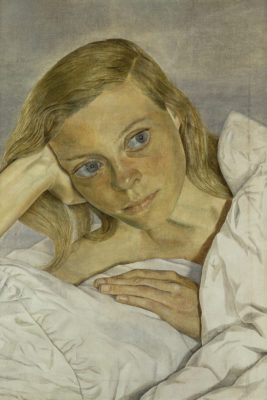
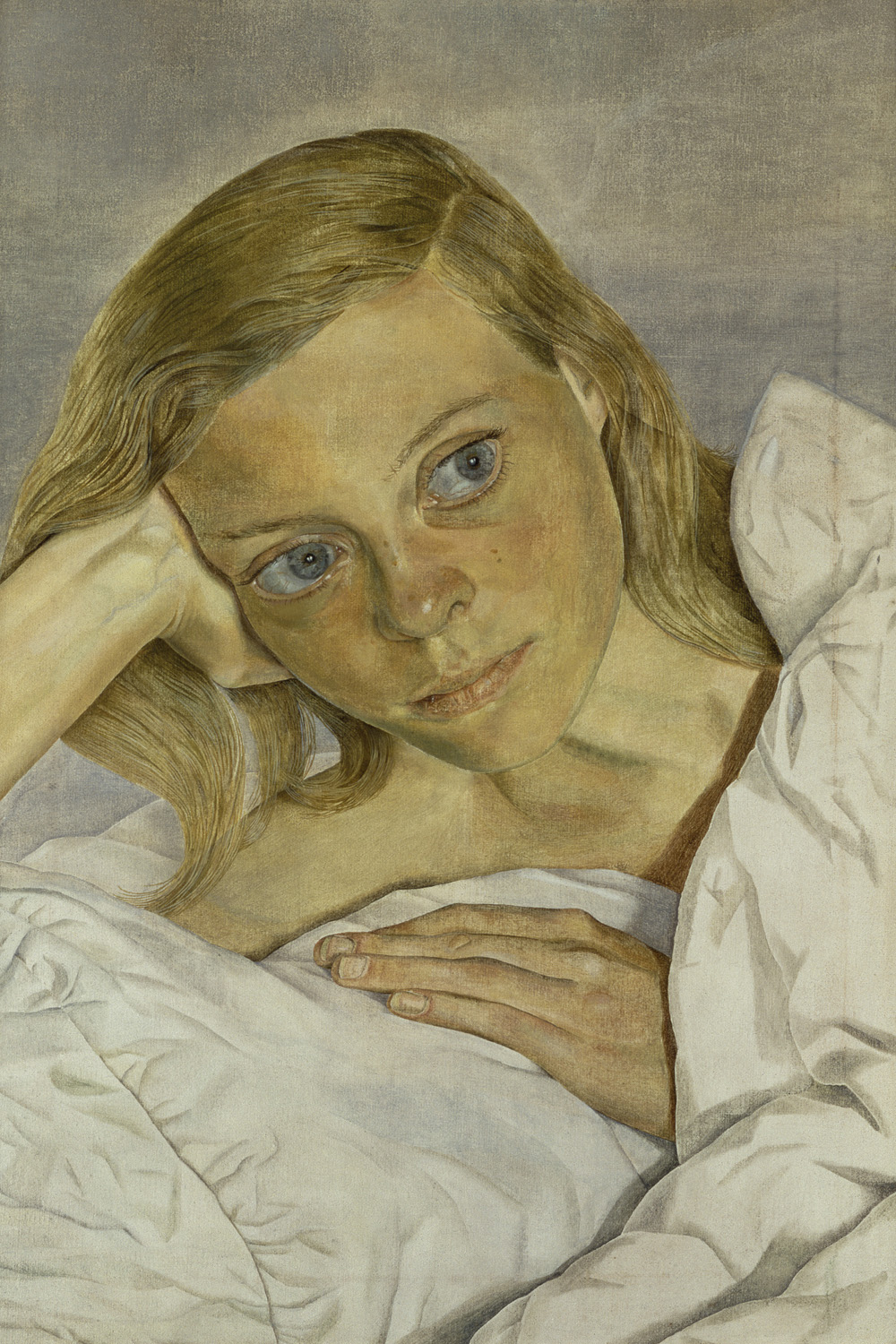
Elsewhere, visitors will spot Freud’s portraits of David Hockney (2002) and Queen Elizabeth II (1999-2001), alongside his iconic painting Girl in Bed (1952).
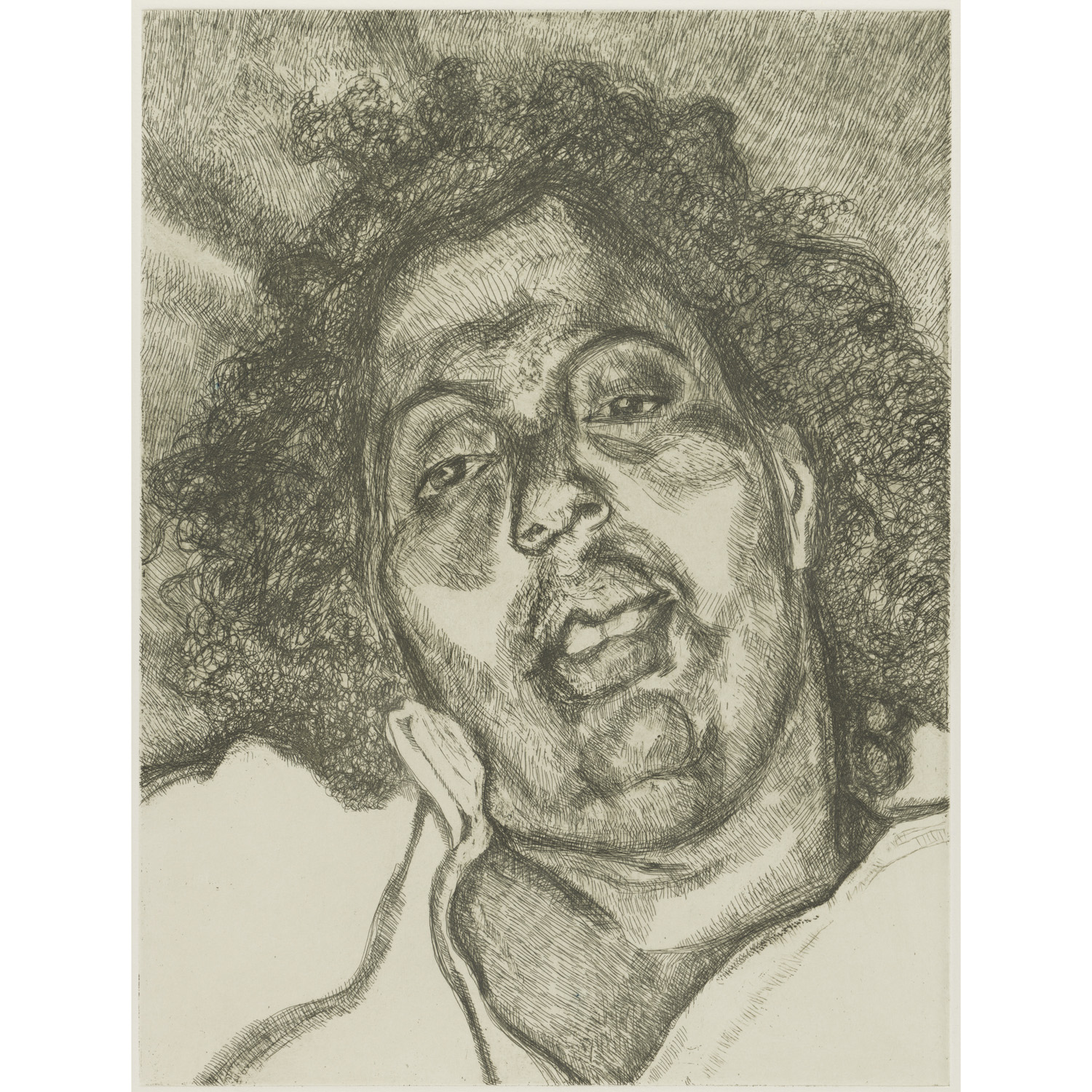
Solicitor’s Head, 2003, Lucian Freud, Etching, (© The Lucian Freud Archive. All Rights Reserved 2025/Bridgeman Images)
The Takeaway?
‘The important role that drawing in all its forms played in Freud’s oeuvre,’ Sarah hopes. ‘Visitors will see everything from quick sketches to highly finished drawings that stand alongside his paintings in their intensity of observation and psychological depth.
‘I think visitors will also be struck by the intimacy of the drawings,’ the curator adds. ‘Because drawing was often a more private activity for the artist, these works offer a special glimpse into Freud’s studio practice and his unique way of seeing.’
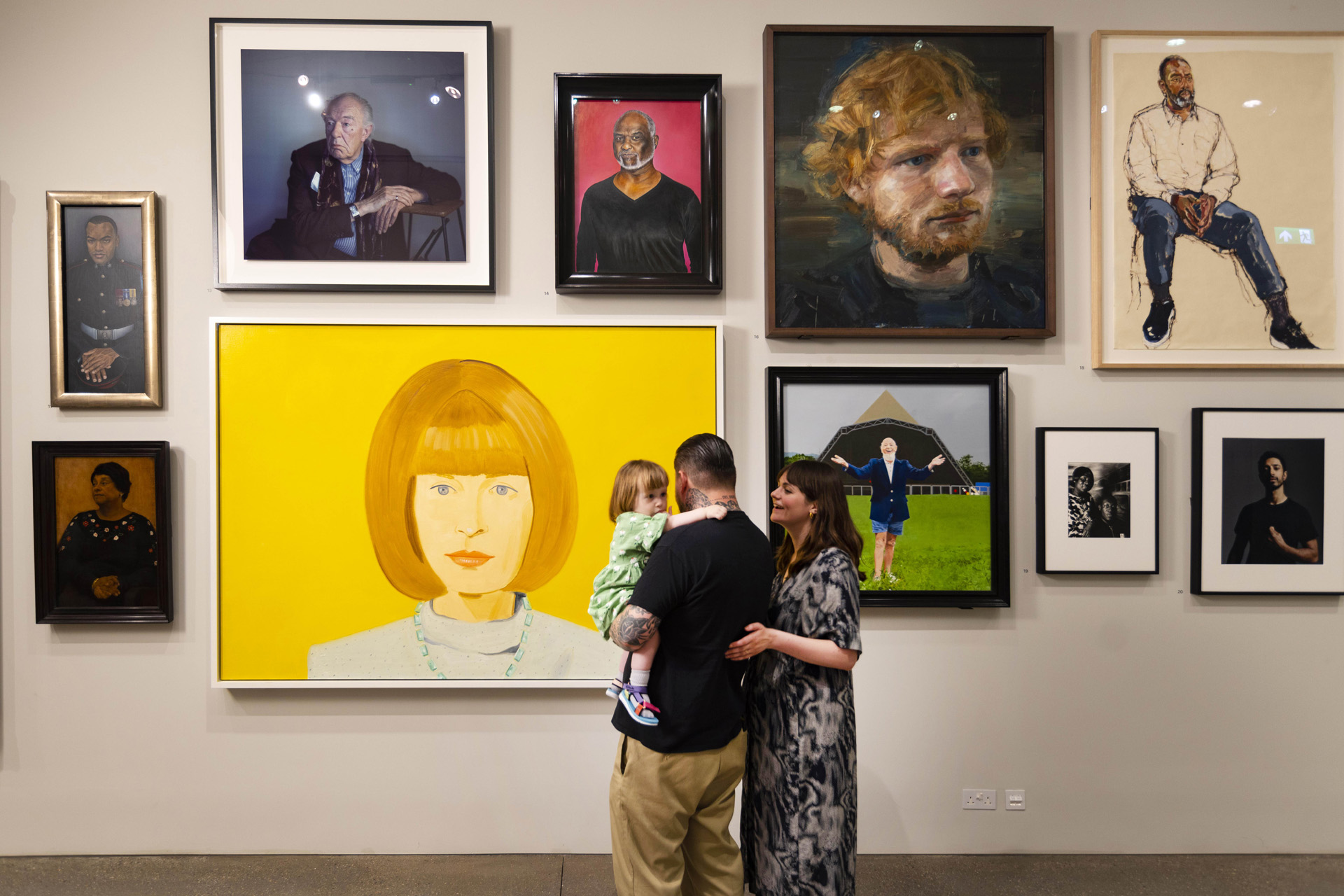
National Portrait Gallery. (© David Parry)
While You’re There…
The National Portrait Gallery is one of the UK’s very best free-to-visit art collections, meaning there’s plenty more to see when you visit. Make sure you check out Artists First: Contemporary Perspectives on Portraiture, Sarah recommends. This is ‘a display of newly commissioned works throughout the Gallery by nine contemporary artists,’ she explains: Helen Cammock, Giana De Dier, Mary Evans, Małgorzata Mirga-Tas, Ravelle Pillay, Mary Reid Kelley and Patrick Kelley, Soheila Sokhanvari and Charmaine Watkiss.
‘The works are a wonderful array of media – from installation to textile, photomontage, painting, drawing and film – and focus on reclaiming untold narratives and connecting past and present histories,’ Sarah says.
The Debrief
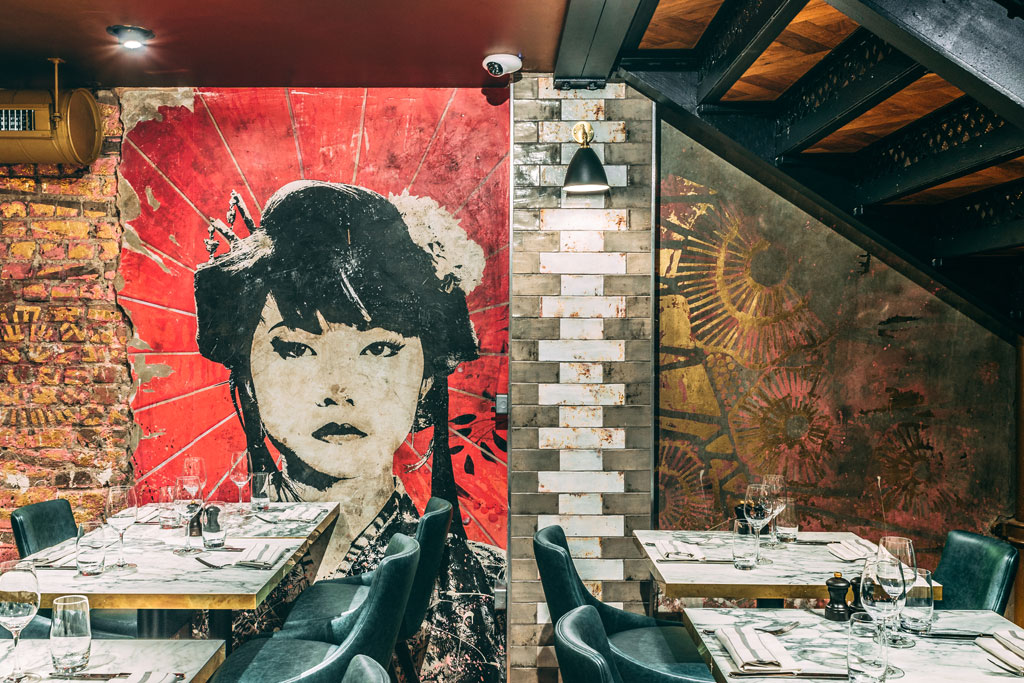
Looking for somewhere to mull on everything you’ve just seen? There’s the perfect debrief spot right on sight, Sarah says: ‘The Portrait Restaurant on our top floor offers stunning views across Trafalgar Square to Big Ben – perfect for reflecting on what you’ve seen – or our cafe Audrey Green is perfect to discuss your highlights over a coffee.’
Outside of the Gallery, which sits on the fringes of Soho and Covent Garden, there’s plenty to explore. On the other side of Leicester Square, swap portraits for pop art at Old Compton Brasserie, an art-lover’s dream of a restaurant. Elsewhere, just over 10 minutes away from the NPG on foot, vibey robatayaki grill INKO NITO is the place for flame-grilled small plates and cocktails on tap, while glam Italian eatery Dear Jackie is our go-to for pasta, tucked inside the buzzy Broadwick Soho hotel. Quo Vadis is another beloved spot, once owned by Damien Hirst but more recently vivified by the brother-duo behind Barrafina.
VISIT
Lucian Freud: Drawing Into Painting runs 12 February to 3 May 2026 at the National Portrait Gallery (St. Martin’s Pl, London WC2H 0HE). Tickets start from £23 per person.