


How Does The Peugeot e-408 GT Live Up To Its Rivals?
By
2 months ago
Zut alors! The e-408 is an ambassador for French style and charism – if only this EV had battery range to get you there...
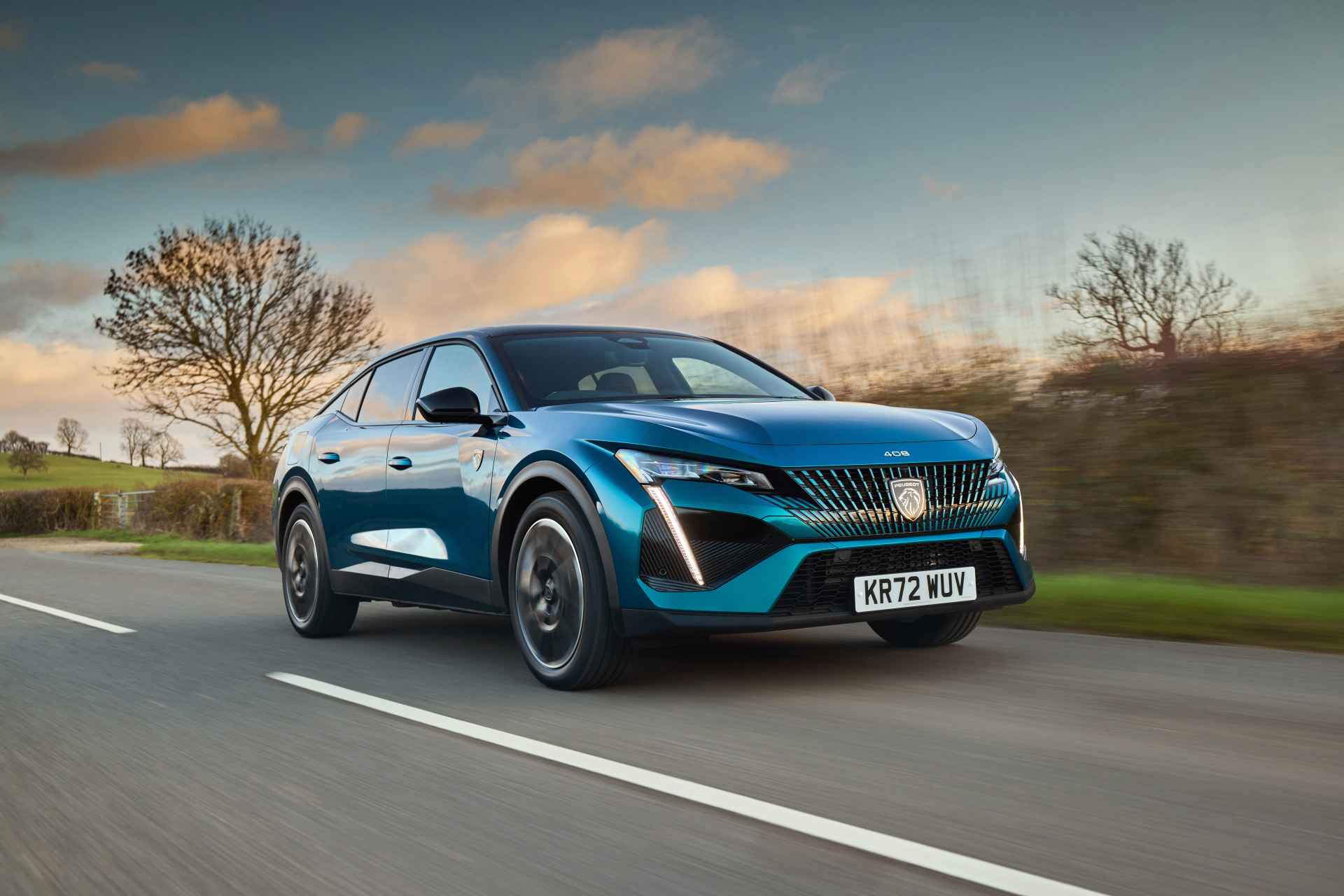
Jeremy Taylor and Jessica Talbot-Ponsonby drive the fastback SUV that’s more chic than practical.
Road Test: Peugeot e-408 GT
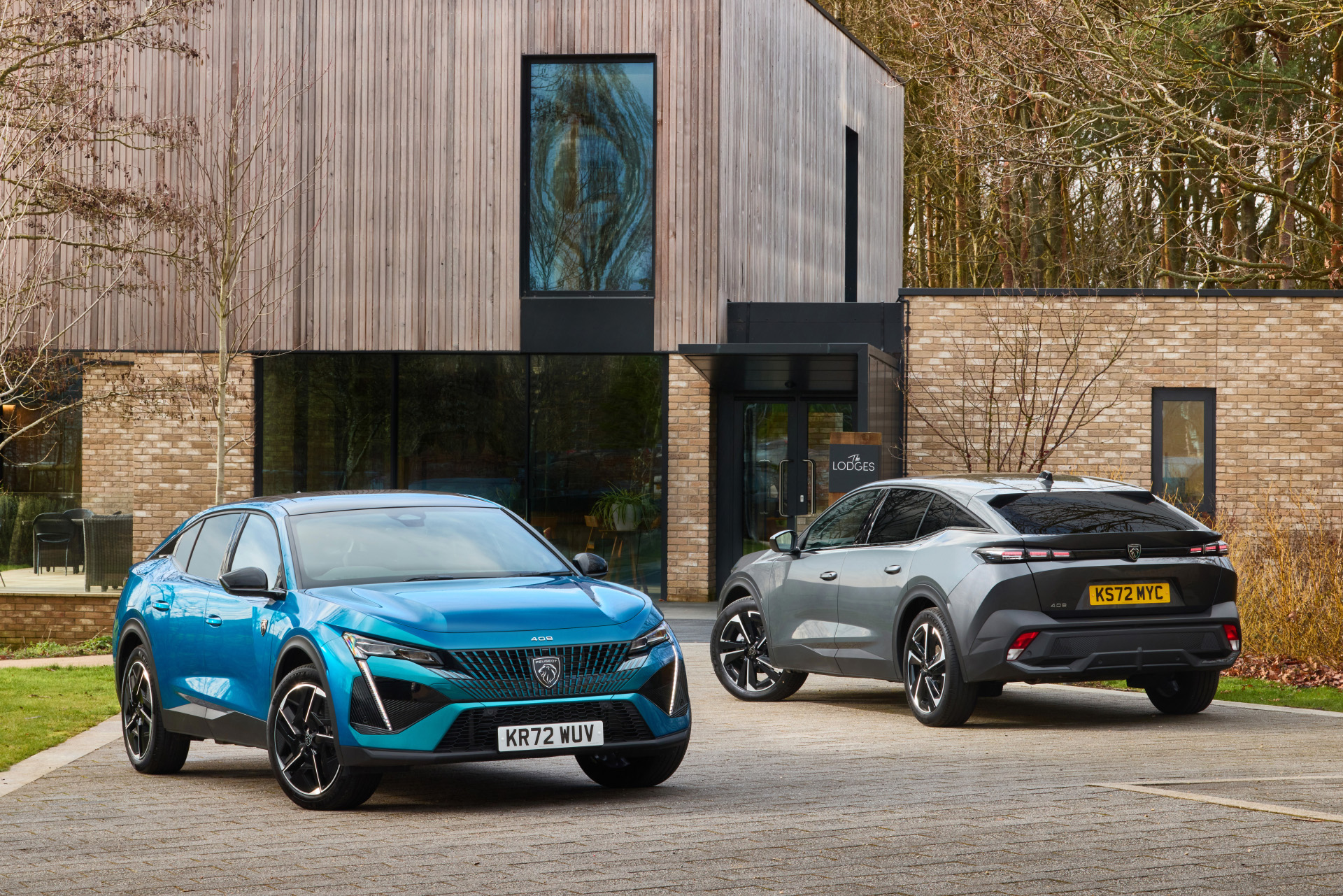
Jeremy: SUVs dominate the car market – which is why manufacturers are trying increasingly unusual ways to tempt buyers. The Peugeot e-408 is a slightly wacky cross between a saloon and a coupe that’s styled like nothing else on the road.
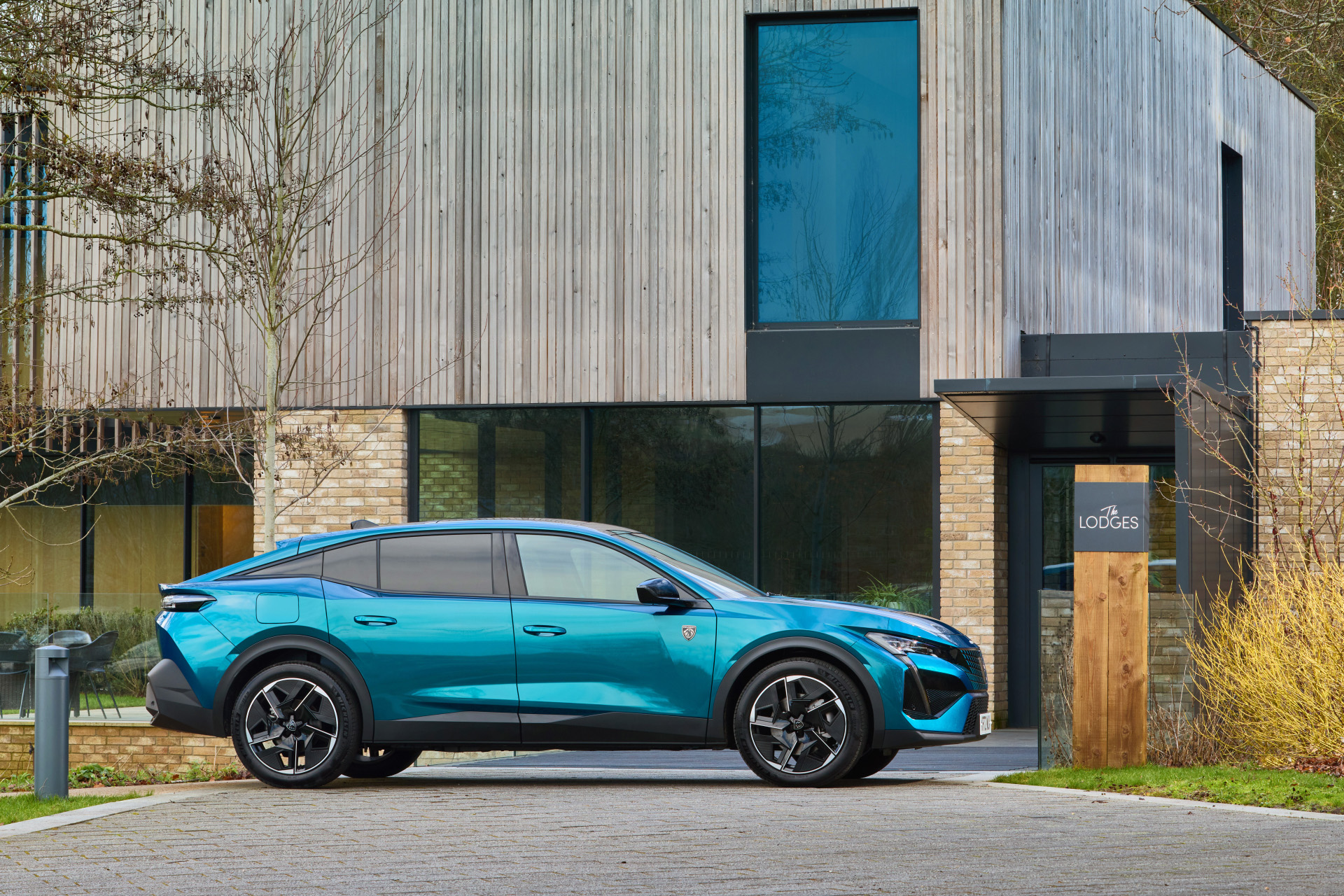
Whatever way I look at this family-friendly Peugeot, it’s impossible to describe the curious, crossover design. Is it a saloon, is it a coupe, or is it just another SUV with a sportier profile?
The ‘GT’ badge suggests this electrified version of the 408 will have a decent turn of speed. It does tick along nicely once ‘sport’ mode is engaged – 0-60mph in 7.6 seconds – but hardly enough to set the pulses racing.
And while the interior is comfortably refined, driving pleasure is restricted to around 220 miles of battery life in real-world conditions – not enough for an ooh-la-la weekend drive to Paris and back in cold January conditions.
That’s especially true when compared to rivals such as the Tesla Model 3 and Kia EV6; if regular long-distance journeys are part of your driving routine, consider your options.
Peugeot’s positives are a distinctive design, premium-feel interior with good tech, and a comfortable, composed ride. However, the low-cut roof at the rear does eat into boot space, making luggage room smaller than many competitors.
The sleek profile means a lower roof in the cabin too, amplified when the headlining is a black cloth, as in our test car. A glass roof would ease the problem. Rear visibility is tricky too, while the small, irregular-shaped steering wheel will obscure controls for some drivers.
The infotainment system is also noticeably sluggish, while some of the menus are hard to find and fiddly, especially to turn on the heated steering wheel and front seats. Simple, physical buttons for the ventilation system are sorely missed.
At least the safety systems – lane control and speed warning – that many drivers like to switch off are easy to find. As usual, the whole process must be repeated every time you climb in the car.
Generally, the cabin itself is well fitted together – an air of sophistication not often found in a car costing around £39,000. Lots of storage space and cubby holes, while leg room in the back is average for this size of car.
And I can vouch for the 408’s stopping power. While the brake pedal does feel spongey, the Peugeot’s ABS system kept me out of trouble when I was almost forced off a country lane by a truck. Most cars feature reversing cameras these days – including the e-408 GT – but for a lense that helps you stay safe on the road, my pick is the Nextbase iQ (£349, nextbase.co.uk), which sticks to the inside of the windscreen, is easy to set up and videos high-quality, 4k footage. And since dash cam footage can be used in insurance claims, for those ‘truck in a country lane’ moments, it could prove an invaluable device.
Overall, the Peugeot e-408 is a likeable car that will tempt buyers looking to break away from the ‘standard-issue’ design of a regular SUV. Smooth responsive and refined – if only the battery range was better.
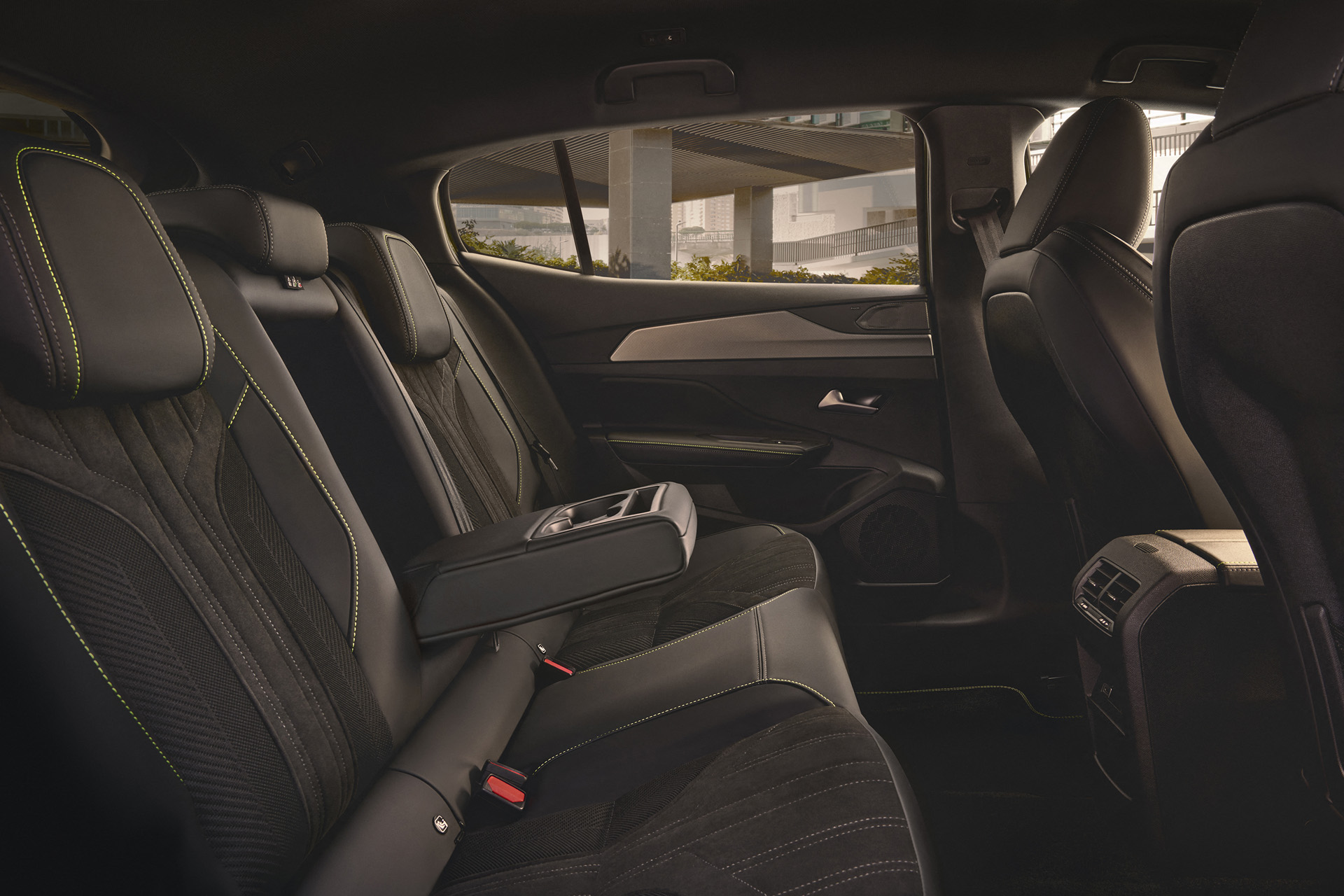
Jessica: The battery-powered 408 is aesthetically pleasing but not quite as posh on the inside as the exterior suggests. Some of the materials don’t measure up: hard plastic trim in some areas is a real letdown. I’d like a 408 with a little more performance, too. All that GT promise isn’t realised.
Peugeot’s i-Toggle system – a cross between touchscreen and physical buttons – doesn’t work that well either. It was such a faff trying to turn on my heated seat that I didn’t bother for short journeys.
Find out more about the Peugeot e-408 GT at peugeot.co.uk
Jessica Talbot-Ponsonby is Director of Programmes at London College of Fashion, studying for a PhD in sustainable e-textile design.