


Gen Z Is Swapping Pilates For Polo – And It’s All Jilly Cooper’s Fault
By
28 minutes ago
Polo membership is up, spectator numbers have doubled at some clubs, and a quarter of players are now under 30. We go inside the TikTok takeovers, Ibiza-themed after-parties and Jilly Cooper effect turning Britain's poshest sport into a Gen Z favourite.

A hundred years old, Ham Polo Club did something this summer that might make your teen cringe: it joined TikTok. London’s last remaining polo club is seeing a surge of interest from a younger generation – and it’s not alone. This is in no small part due to social media, some serious hard work and, of course, Rivals.
Polo: A Sport In Decline – Until It Wasn’t
In 2011, the FT reported that the number of UK polo players had hit a peak in 2008 at 3,325 but that by 2009 this was already shrinking. In 2019, the Hurlingham Polo Association (HPA) found that the decline had finally levelled but membership and patrons had declined by 20 percent in a decade. It created a five-year vision document in which the suggested solution involved engaging younger people to join. How? Through pony clubs and subsidising the sport at university level. It probably did not account for the wildly popular Jilly Cooper adaptation on its way; a boom of younger polo enthusiasts were about to charge the horizon, mallets in hand.
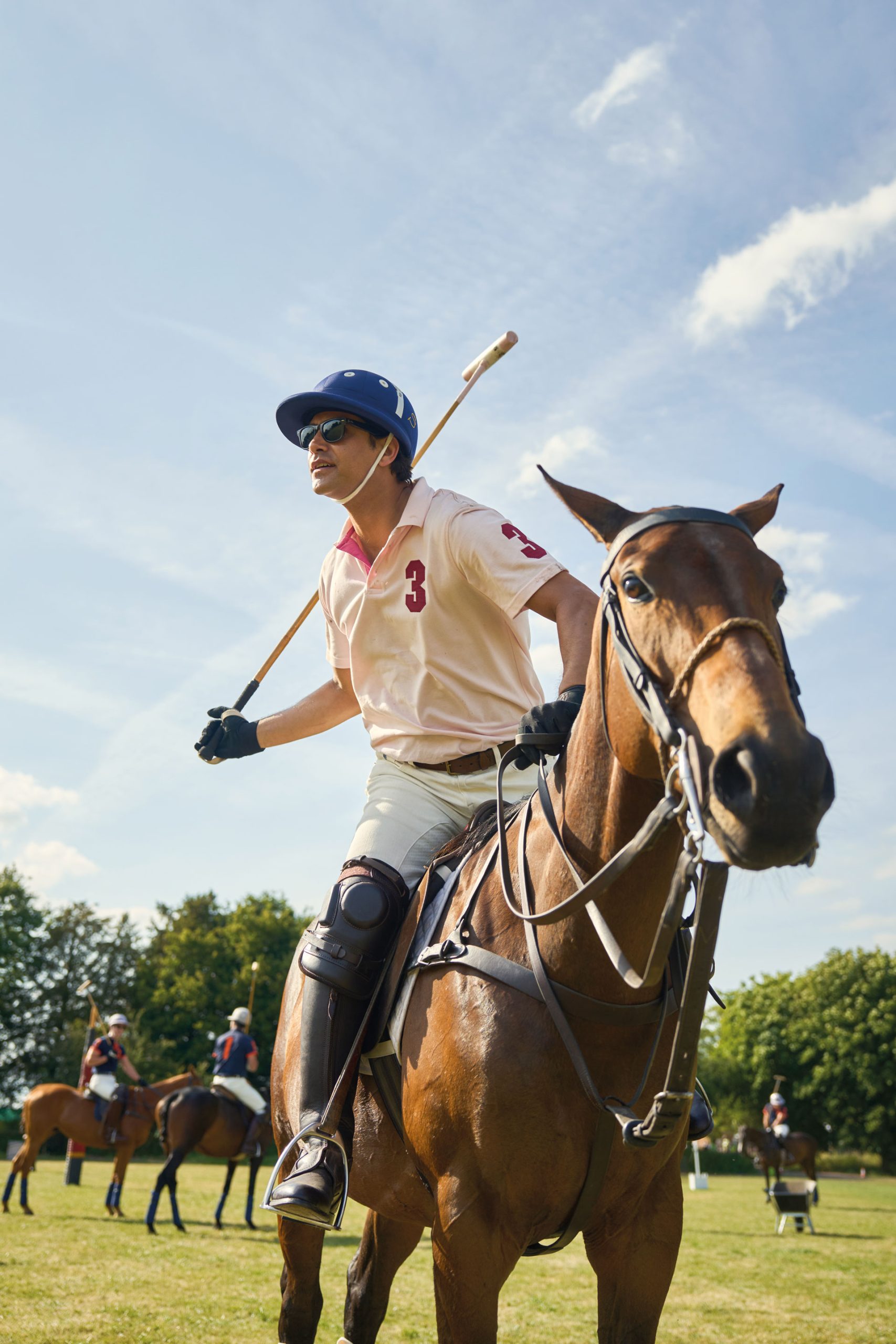
Jilly Cooper’s Rivals doesn’t depict younger players but has introduced the sport to a generation previously unfamiliar with it © Disney
Today, 35 percent of the HPA’s playing membership is under 30 years old, reports its CEO Anna Hall. Younger spectator numbers are growing too. ‘We’ve seen attendance at games almost double this year,’ says Lily Paterson-Neil, events and marketing executive at Ham Polo Club. Its recent Independence Cup – which pits Brits against Yanks in an age-old revolutionary tale – attracted 750 attendees to this sleepy pocket of west London, up from 400 just one year ago.
So, what is attracting a Gen Z audience – a generation well-known for snubbing pretension and frothing for authentic experiences – to a sport so closely tied to the Royal Family?
How TikTok Became Polo’s Unlikely Recruiting Ground
‘We have half a million followers on TikTok, and we use it to challenge narratives about traditional sports,’ says Dominic Matcham, founder and director of Invades. Conceived as a sports event company in 2019, its bread and butter is taking Gen Z students to the kinds of races you need a milliner for. But in the past four years it has brought a sizeable cohort of young people to Chestertons Polo In The Park, too: 2,000 people this year, Matcham says, with an estimated 70 percent having gone for the first time. The appeal for his audience is that today’s polo represents a neat intersection of the kind of parties younger people enjoy. ‘Our whole thing tends to combine dance music and live sport,’ he says.
@invades__ good luck finding that at the polo #invaded #invadesmatchmaking #invadesmatch #polo ♬ original sound – INVADES
The polo clubs succeeding with young people are doing so by also adding late-night events to their programming, festival-style. There’s Ibiza Night at Cowdray Park Polo Club, for example, which takes place on the eve of the Gold Cup final and is 65 percent Gen Z, or the DJ-and-drinks Friday nights at Ham Polo Club. ‘When we started advertising our Friday night polo parties, we noticed an uptick in general attendance,’ says Paterson-Neil, ‘especially among younger demographics.’
Combined with a strong social media presence, the result is that young people are seeing a new side to polo: one that subverts their expectations. And it’s cheeky, too. Invades’ TikTok page features Tinder sponsorship and lippy presenters voxpopping guests. At Polo in the Park, one Gen Z asks: ‘What’s the biggest green flag at the polo?’ The response? ‘MILFs!’

Sports insiders say that ‘polo parties’ – aka club nights, like Cowdray’s Ibiza night – are part of the appeal for younger polo spectators
From Goldsmiths To The Polo Field: Meet The New Gen Of Players
In turn, an unusually urban cohort is entering the sport as players. It is easy to imagine a Durham or St Andrews student taking on the pony clubs – but it was at Goldsmiths, studying history of art, that 24-year-old Alex Priest first got into the sport. Now a coach at Salisbury’s Druids Lodge, she Zoom calls me from her bedroom, where mallets in a range of funky colours hang on the wall behind her. ‘Polo at university is surprisingly accessible,’ she says. ‘You can borrow equipment and horses, and it’s easier than dressage or cross-country.’
Investment over the past five years in university clubs, including subsidies from membership bodies, has successfully made it cost-effective to join as a young player. ‘For students, it’s pay-and-play,’ says Hall at HPA, ‘which negates the need to own horses; you receive coaching and can rock up to play a mini chukka.’ A University of Exeter student, for example, would pay £60 for an annual training membership and £95 for a full playing membership (this covers entry to the national championships), with subsidised lessons at Druids Lodge around £60 per hour. For a new player after university, Priest says a private, two-hour introductory lesson costs around £130. Compared to, say, a private Pilates lesson in London, which can sting you for £60-£90 per hour, it’s not completely out of reach. ‘It’s only if you want to play high goal that it becomes a completely different financial bracket and you need to pay for a whole team,’ explains Priest.
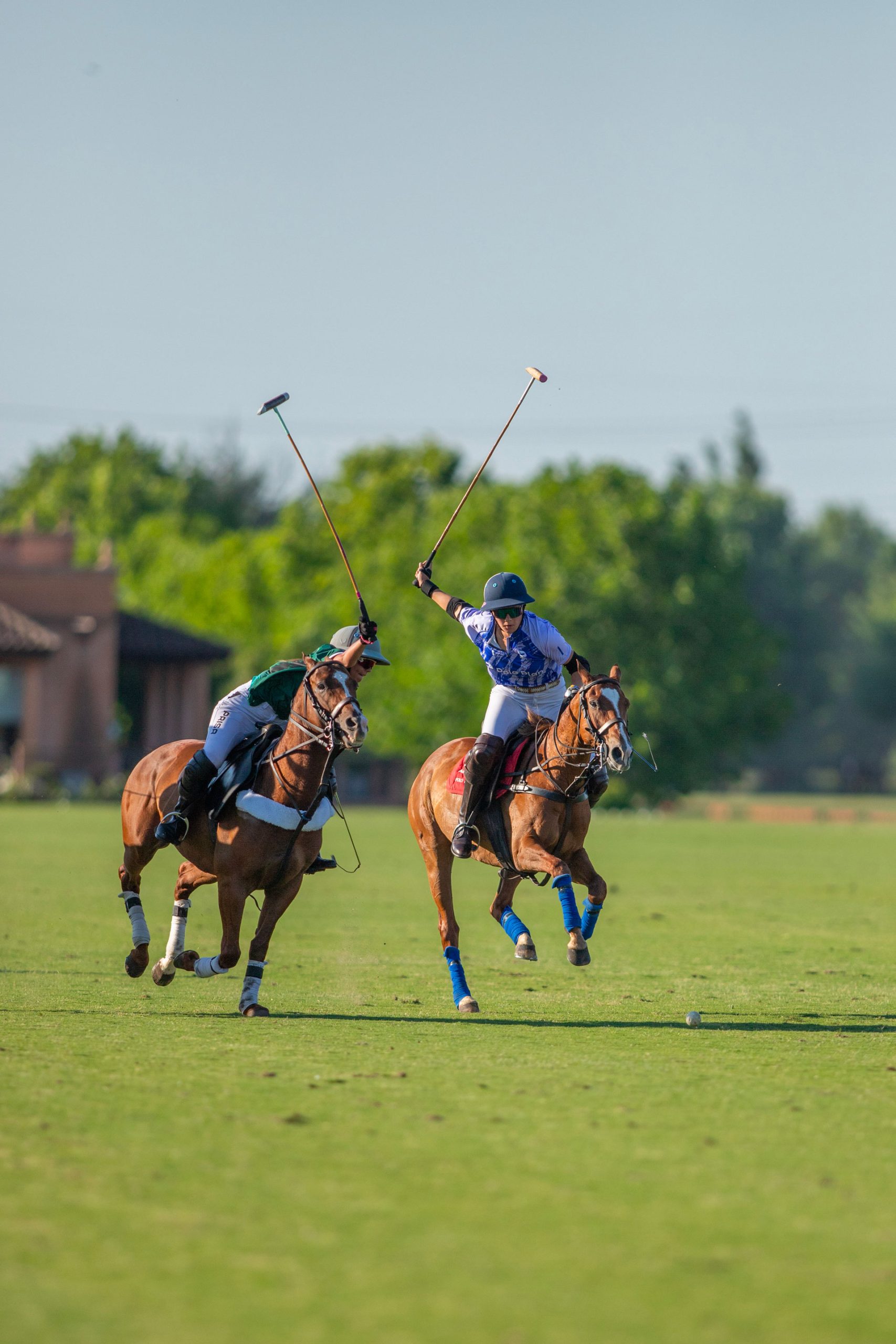
Alex in action
For young spectators looking for a Friday night out, it’s not a financial stretch either. ‘People are coming round to the fact that other equine sports – those that have been traditionally part of the summer social scene – are getting too expensive, while polo has remained competitively priced,’ says Fleur Turner, marketing manager at Cowdray Park Polo Club. ‘Younger people are realising they can see the best players in the world for £40. And it’s BYOB.’
Gen Z is also more likely than other age groups to enjoy extreme sports, according to a 2019 Nielsen global sports report. ‘[Polo] is a full-contact extreme sport,’ says Turner. ‘It’s fast, quick, high-adrenaline and interesting to watch. And over the years, it’s changed; you now have a generation of polo players who can hit the ball seven times in the air, which is amazing to watch. Young people are really taken by how fast and furious it is.’ The HPA has separately engaged third party consultants to assess if the sport might alter formats to better attract young people, like The Hundred did for cricket. It was told that the sport was already at its most effective in terms of snappiness.
Of course, not a single conversation goes by without mention of Rivals. Universally lauded as the single best thing to happen to polo, it has ‘caused people to talk about the sport, and driven awareness’, explains Hall. The late Dame Jilly’s legacy may now stretch beyond her beloved bibliography and include the essential revival of a sport that, until recently, was headed perhaps towards equine exit.