




We Americans Are Watching The Headlines And Wondering: Is The UK Still Stable?
By
3 months ago
The former White House communications director ponders how the 'special relationship' has evolved under Trump – and whether it still has much love left in it
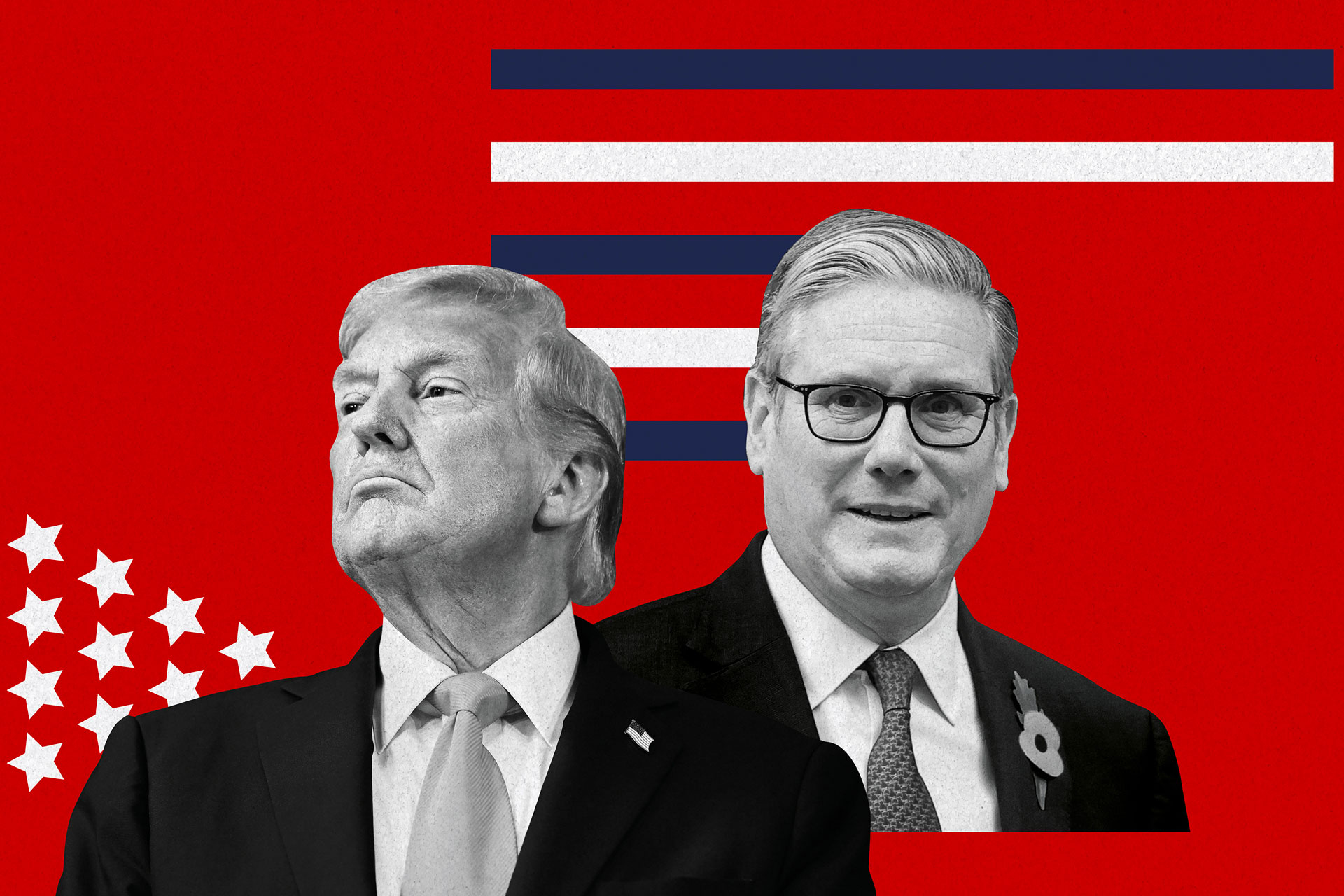
Do Americans still love the Brits – our businesses, products, humour, culture, country, and the people behind it all? Short answer: yes. But let’s not kid ourselves: ‘that love comes with conditions’, writes former White House communications director, Anthony Scaramucci, discussing the special relationship under Trump.
Do Americans Still Love The British?
Let me level with you. The phrase ‘special relationship’ has been tossed around for decades – like a potential football no one wants to fumble. Churchill coined it. Reagan and Thatcher waltzed with it. Blair and Bush tried to rekindle it. Obama gave it a cool nod. Trump? He grabbed it by the collar and asked if it was still worth the trouble.
That’s the crux of it: is Britain still great?
As an American entrepreneur, investor, and someone who’s worked in both politics and finance, I’ve spent time with people shaping both countries. I’ve seen the love affair, the tension, and the reality behind the diplomatic optics. So: yes, America still loves the Brits – but with caveats.
Follow The Money – London Still Delivers
Let’s start with the money. London’s still a global financial capital. Sure, Brexit rattled the house – the windows shook, the china smashed – but the foundations are still solid. New York bankers still hold meetings in Mayfair. US tech firms continue to launch European HQs in the UK for good reason: stability, expertise, and a shared language.
From Wall Street to Sand Hill Road, American investors still take Britain seriously. Whether it’s fintech in Shoreditch or green energy in Glasgow, there’s real opportunity. You’ve got the brains and infrastructure. What you need is more ambition. Scale matters. Speed matters. Britain’s brilliant at ideas – but half the time it ties its own shoelaces together before sprinting.
On regulation, the UK can be surprisingly nimble – especially compared to the US. While Britain often gets bogged down in committees when it comes to scaling big ideas, it’s shown real agility on fronts like AI, crypto, and data privacy. That’s attractive to American capital – but the window won’t stay open forever. Be bold.
Heritage Meets Hype – And Needs Scale
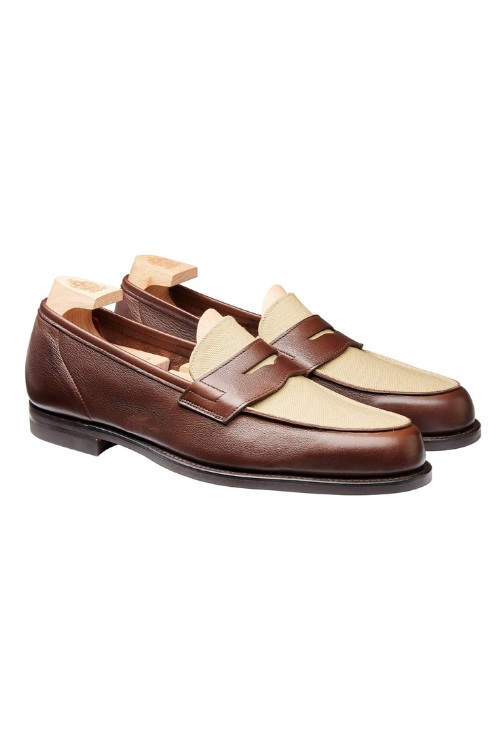
Americans still love British products. It’s the paradox of polished heritage and underground cool. We love the luxury – Rolls-Royce, Aston Martin, Savile Row – and the quirks: Marmite, Dairy Milk, novelty tea towels that say ‘Keep Calm’.
That heritage sells. But it doesn’t scale unless you move fast and think globally. Look at how the Germans industrialised branding. Or how K-pop went global in under a decade. Britain has that potential in niche areas – from heritage fashion to podcasting, from historical storytelling to premium audio and food brands – but it needs to stop thinking parochial and start thinking scale or die.
Even in media, the strongest UK exports are the ones that adapt. Take Goalhanger. Their podcasts aren’t just British – they resonate beyond borders. The Rest Is History doesn’t talk down to its audience. The Rest Is Politics is open about its perspectives and invites debate rather than pretending to be neutral. That’s modern brand thinking: own your lane, double down – never apologise.
The Rest Is Politics
America still romanticises the UK – the Oxford quads, Highland castles, Cornish coastlines. But we’re also watching the headlines and wondering: is the UK still… stable?
From Brexit to Boris to Truss to Sunak to Starmer – it’s felt like a political revolving door. And from a US investor or tourist perspective, that matters. Predictability breeds confidence.
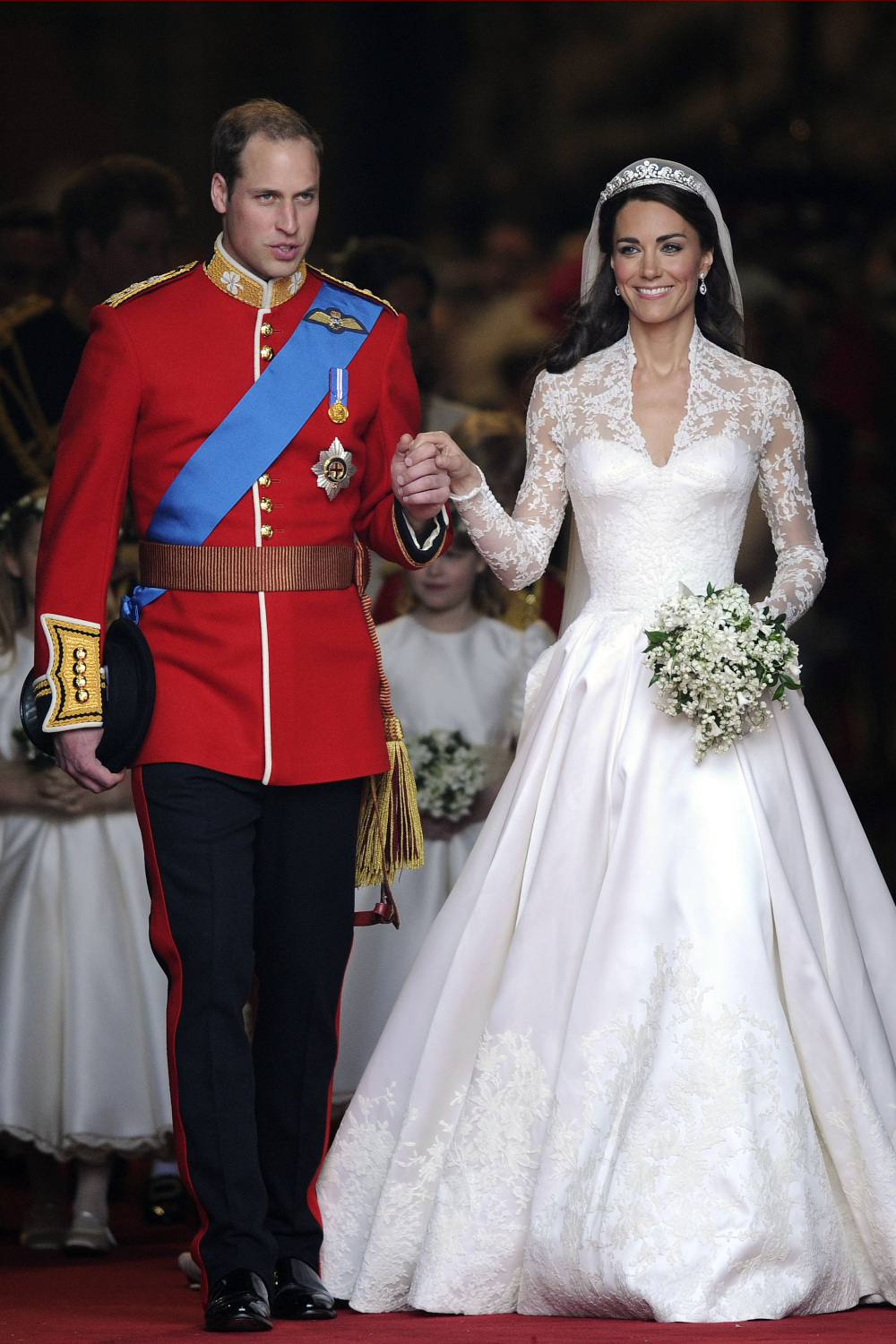
The Royal Wedding is evidence of the UK’s ‘charming’ hosting ability. © Alamy
Still, amid the chaos, the charm endures. The UK can host a royal wedding, a Wimbledon final, or a G7 summit like no one else. That counts. Just make sure the wifi doesn’t cut out – nobody’s flying six hours for cold tea and no signal. Soft power is delicate. Lose credibility at home, and it echoes abroad.
Which brings us to Trump. Because you can’t talk about the special relationship without talking about him.
The Trump Test
The relationship didn’t disappear under Trump – in fact, you could argue it thrived, just not in the usual, polite-society way. Say what you like about him, but Donald Trump is more of an Anglophile than any US president in the last 25 years. The UK secured a post-Brexit trade deal under him – done relatively quickly and, let’s be honest, at a 33 percent discount to the EU.
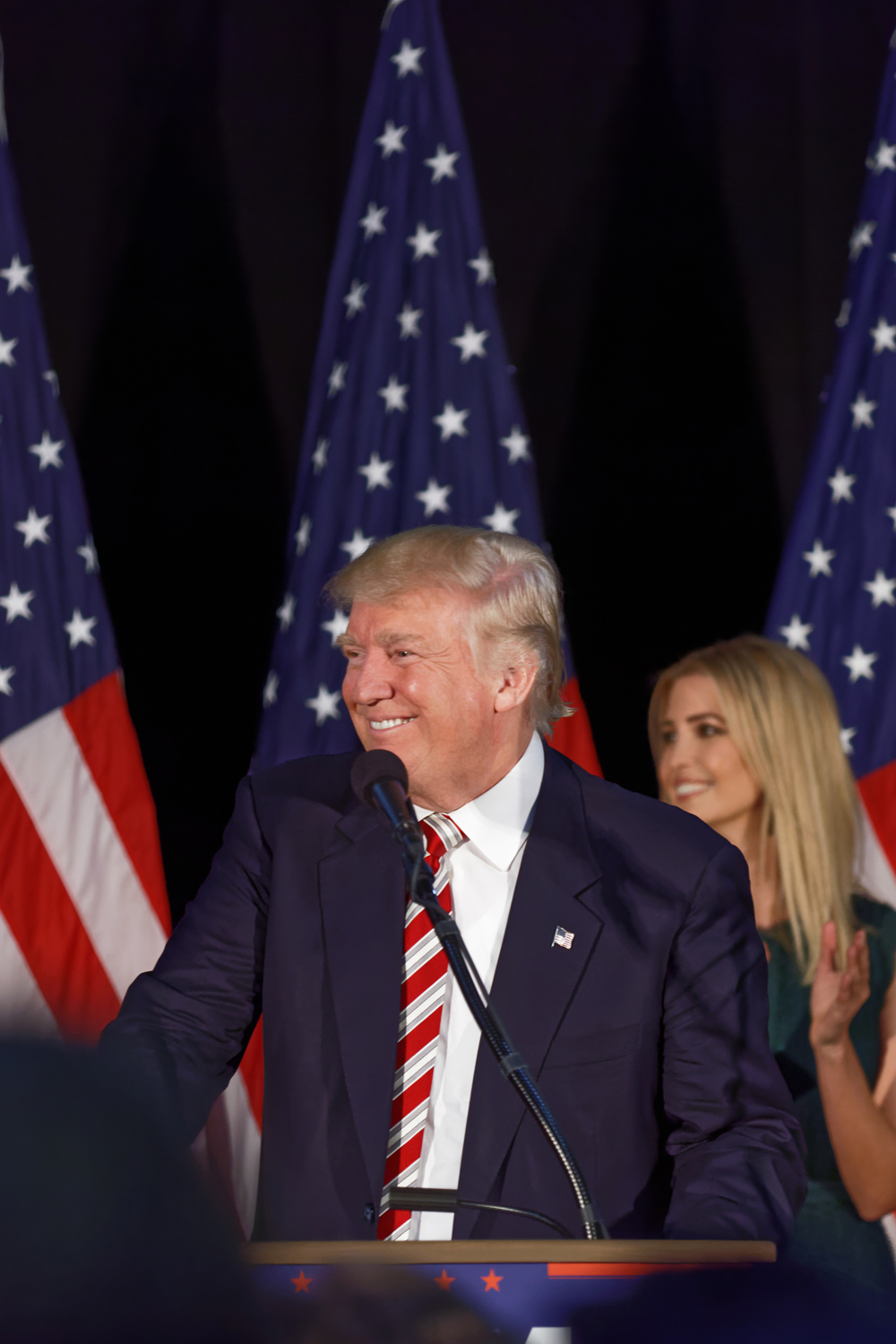
‘The special relationship thrived under Trump – just not in the usual, polite-society way.’ (Michael Vadon, CC BY-SA 4.0, via Wikimedia Commons)
Trump played host like a monarch in exile – greeting the UK Prime Minister at his Scottish golf course, standing outside a manor house he owns, waving like it was Balmoral. It felt absurd, theatrical… and yet, revealing.
Imagine if Macron bought a château in Virginia and hosted a US President there – would anyone show up? Probably not. But Britain did. Because post-Brexit, the UK needed to be seen on-side with America. And if that meant a little obsequiousness, so be it.
It wasn’t quite lapdog territory, but you could hear the leash dragging. Starmer, like any leader now, walks a tightrope – needing to keep Trump onside without alienating domestic voters who find the man radioactive. The Special Relationship is still special. It’s just more awkward now. Less Churchill and Roosevelt. More transactional Zoom call with dodgy wifi.
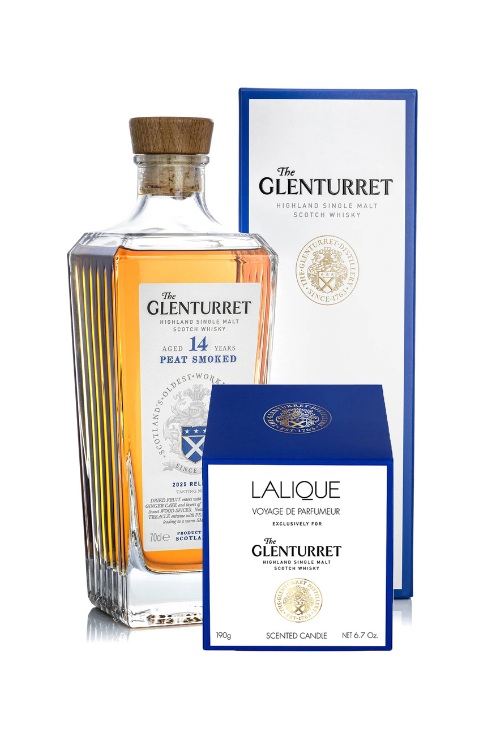
Trump’s visits have become surreal rituals: bagpipes, golf carts, flattery, blunders, and the occasional cultural grenade. He praised Scotch whisky, insulted offshore wind, called both Keir Starmer and Nigel Farage ‘good men’, and somehow made Victoria Starmer a topic of sympathy. Classic Trump: unpredictable, unscripted, and entirely uninterested in tradition unless it can be monetised.
But here’s the thing – under Trump, sentiment doesn’t matter. Only leverage does. Britain has to prove its worth, not just in trade and defence, but in influence. And that influence doesn’t come solely from politicians. It comes from voices like Rory and Alastair, Tom and Dominic, and from writers, playwrights, and producers behind global hits – from The Crown to Downton Abbey, from J.K. Rowling to James Graham.
Brains: Britain’s New Export
Here’s the truth: Americans like Brits. You’re polite, sharp, and weirdly obsessed with beans. But more than that – you’re changing. The old clichés are giving way to a new generation of creators with global reach.
Look at The Rest is Politics – ideological opposites modelling the kind of civil discourse the US sorely lacks. Or The Rest is History – making the ancient world feel urgent. This is Britain’s new export: brains that travel faster than The Beatles ever did.
The Verdict
The answer? Yes – but it’s earned, not inherited.
Britain is still great when it shows up with ideas, with edge, and with execution – not just nostalgia. When it brings something new to the table and knows how to tell its own story – whether that’s in Parliament or on a podcast.
Trump’s visit reminded us: sentiment doesn’t carry weight anymore. Substance does.
What keeps the special relationship alive isn’t history. It’s momentum. And right now, that momentum is clearest in the cultural space – innovative formats, global reach, British confidence that doesn’t lean on the crown or the empire.
So yes, America still loves the Brits. But not just for Shakespeare, tea and Bond. We love you when you’re sharp, modern, and know your worth.








.jpg)