


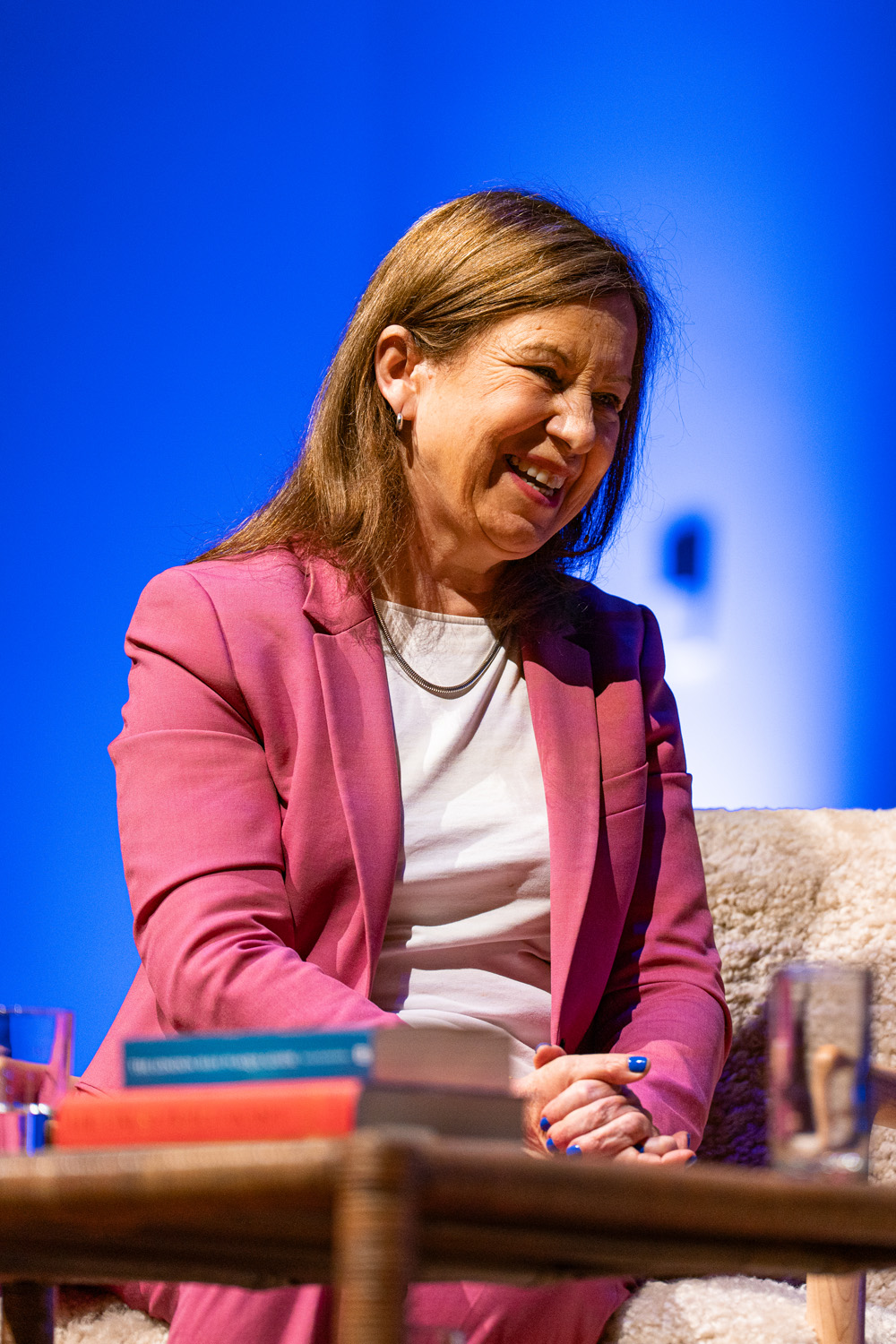
Who Is Lyse Doucet? Introducing The 2026 Women’s Prize For Non-Fiction Winner
By
5 months ago
Here's how a Canadian broadcaster's decades of reporting culminated in a debut book that won one of Britain's most prestigious prizes
It’s official: Lyse Doucet is the 2026 winner of the third instalment of the prestigious Women’s Prize for Non-Fiction. The Canadian journalist’s debut book, The Finest Hotel in Kabul: A People’s History of Afghanistan, triumphed against a competitive shortlist that included Booker winner Arundhati Roy, with the judging panel describing Doucet’s book as ‘a perfect work of narrative non-fiction’.
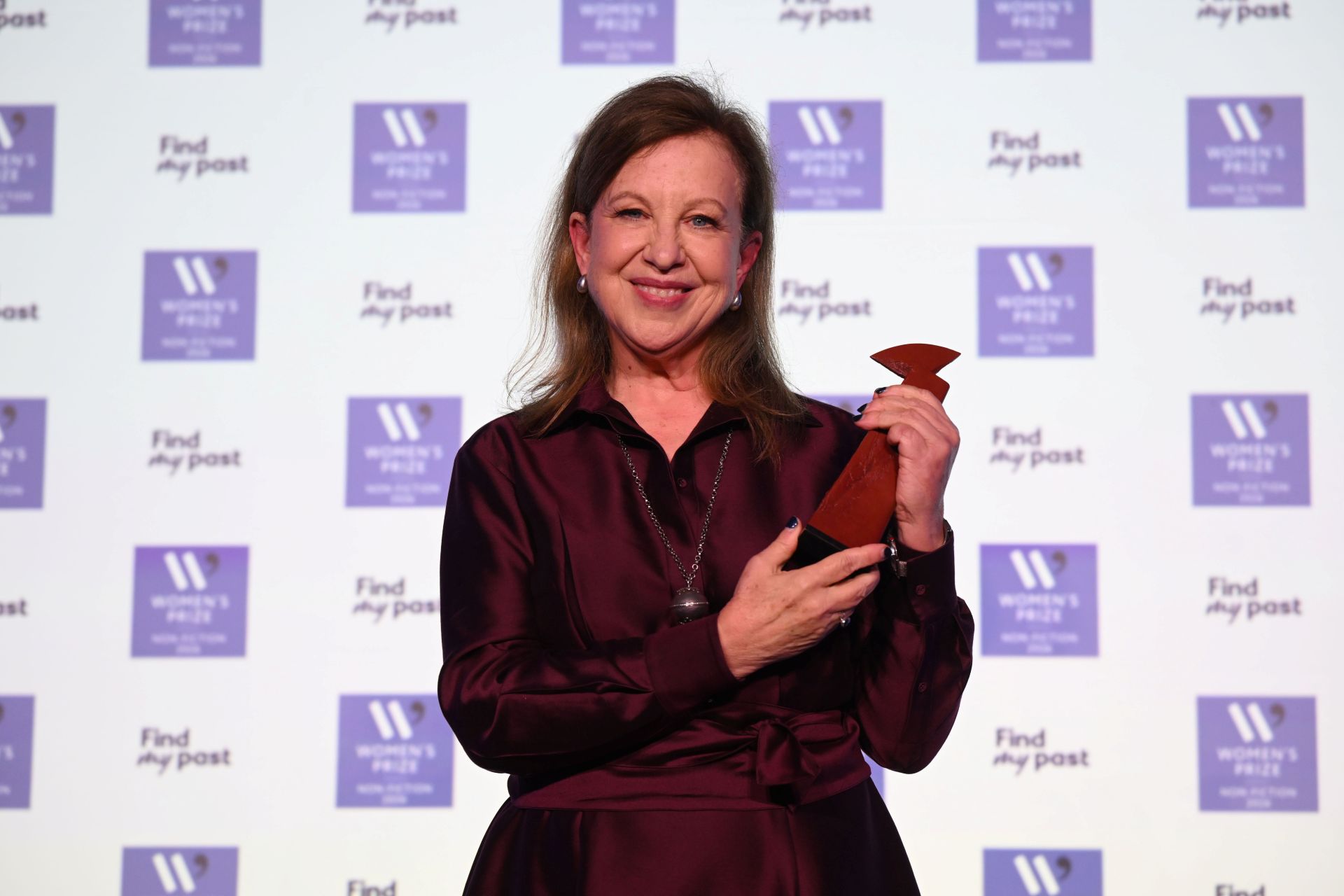
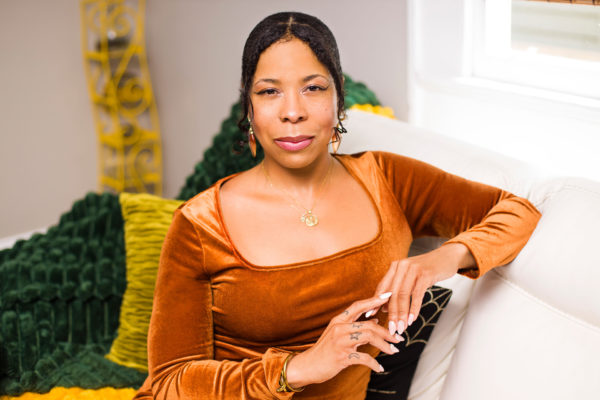
Lyse Doucet at the 2026 Women’s Prize Trust Summer Party. (Matt Crossick for PA Media)
Who Is Lyse Doucet?
Lyse Doucet is the BBC’s Chief International Correspondent, the most senior correspondent role in the corporation. Born in Bathurst, New Brunswick in 1958, for nearly four decades, the Canadian journalist has reported from some of the world’s most volatile conflict zones.
Doucet studied international relations at the University of Toronto, completing her MA in 1982. After a year teaching English in the Ivory Coast, she spent the early 1980s freelancing across West Africa before joining the BBC proper, a partnership that would come to define her career.
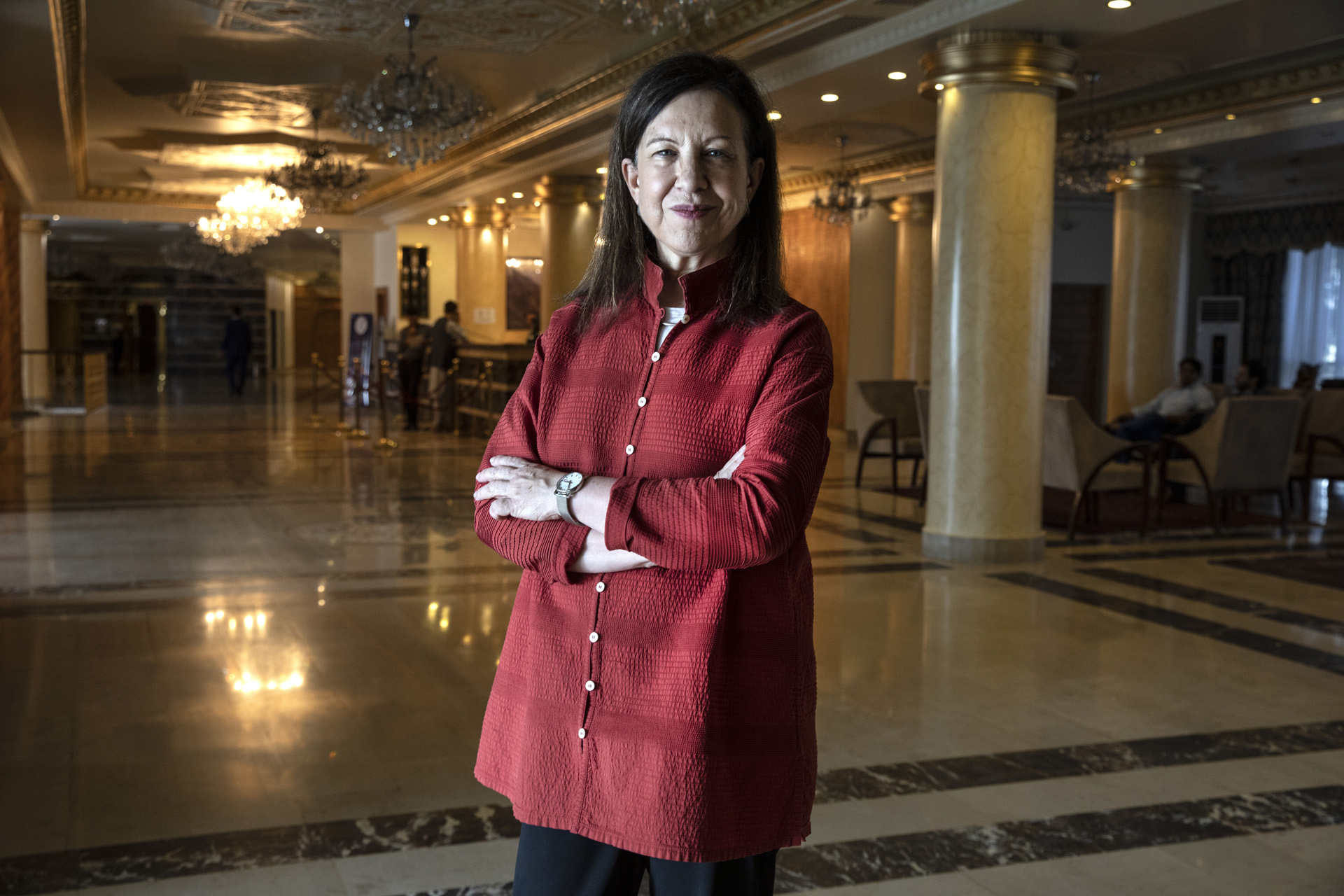
Lyse Doucet is one of the BBC’s most senior correspondents. (© Paula Bronstein)
Her path to Afghanistan was swift. In late 1988, on Christmas Day and the day after her 30th birthday, Doucet arrived in Kabul as a junior BBC reporter, dispatched to cover the withdrawal of Soviet troops. She was based there for more than a year, documenting the aftermath of a decade-long occupation.
Doucet would return countless times over the next three decades, watching Afghanistan transform and endure multiple coups, civil war, invasion and the Taliban’s rise and fall. She was in Islamabad from 1989 to 1993, reporting across Afghanistan and Iran; she opened the BBC’s office in Amman in 1994; she covered the Middle East from Jerusalem from 1995 to 1999. Along the way, she led BBC coverage of the Arab Spring, won a Peabody Award for a film on maternal mortality in Afghanistan, and became one of the most decorated foreign correspondents of her generation: an OBE holder, Order of Canada member, and recipient of multiple honorary doctorates from institutions including Oxford and Queen’s University.
Doucet’s relationship with Afghanistan, and with the Inter-Continental Hotel in Kabul in particular, runs deeper than any assignment. Over 37 years of returning to the country, she has counted many of the hotel’s staff and guests among her close friends. It is this intimacy, this accumulated knowledge and affection, that prompted her to write her debut book.
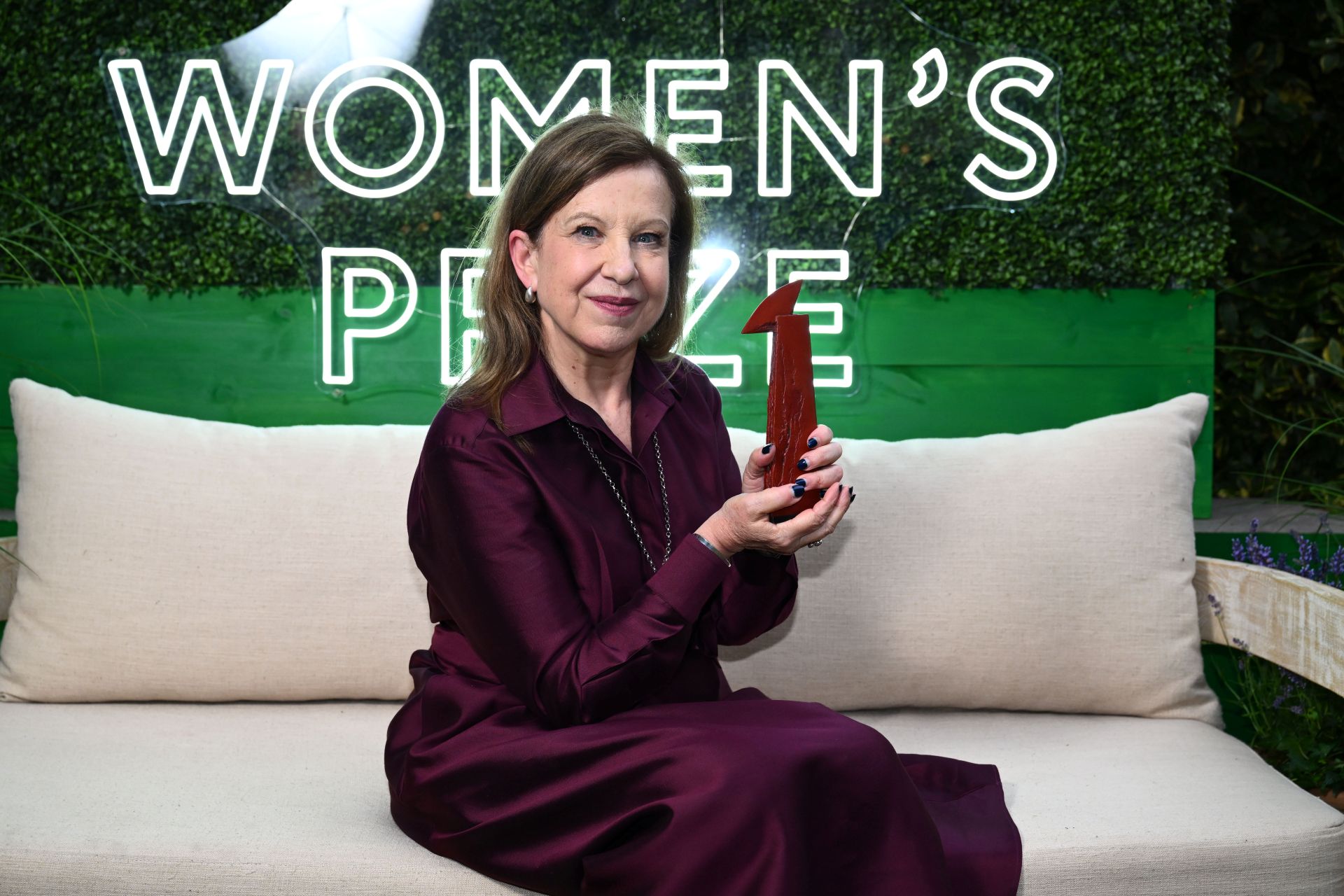
Lyse Doucet at the 2026 Women’s Prize Trust Summer Party. (Matt Crossick for PA Media)
What Is The Finest Hotel in Kabul About?
When the Inter-Continental Kabul opened in 1969, it symbolised something almost unimaginable now: a modernised Afghanistan connected to the world. The hotel became an emblem of progress, hosting haute cuisine and high fashion in an era when Kabul was known as the Paris of Asia. More than 50 years on, the building still stands, scarred by Soviet occupation, multiple coups, a devastating civil war, a US invasion and the rise, fall and rise of the Taliban.
This is the hotel Doucet stayed in when she arrived in Kabul in 1988, and she has returned many times since. Her book tells the story of the many people she has met here: people who have lived and worked within the Inter-Continental’s walls across five decades of destruction and upheaval. There is Hazrat, the septuagenarian housekeeper who still clings to the rigorous training he received during the hotel’s golden age of the 1970s. There is Abida, who became the first female chef to work in the Inter-Continental’s famous kitchen after the Taliban fell in 2001. And there are Malalai and Sadeq, twenty-something staff members who seized every opportunity offered by two fragile decades of democracy, only to witness the Taliban’s return in 2021.
The Finest Hotel in Kabul marries Doucet’s meticulous reporting and people-centric observations into a captivating narrative that captures Afghanistan’s modern history, told through its people. Thangam Debbonaire, Chair of Judges for the 2026 Women’s Prize for Non-Fiction, calls the book ‘a perfect work of narrative non-fiction’.
‘It is not only cleverly constructed and brilliantly researched, but each and every element is handled with extraordinary sensitivity and warmth – it will move you to tears or make you laugh, or perhaps both,’ Debbonaire continues. ‘Informed by decades of excellent reporting, Doucet centres the real-life experiences of people – the staff and guests, alongside the hotel itself – and with the future of Afghanistan still being written, this book’s importance will only get stronger as the years go by.’
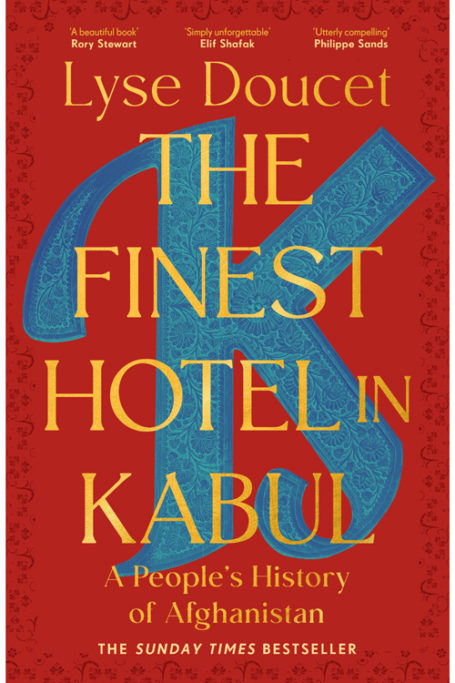
The Finest Hotel in Kabul by Lyse Doucet
Published by Hutchinson Heinemann in September 2025.
Hardback, £25
Who Else Was On The Shortlist?
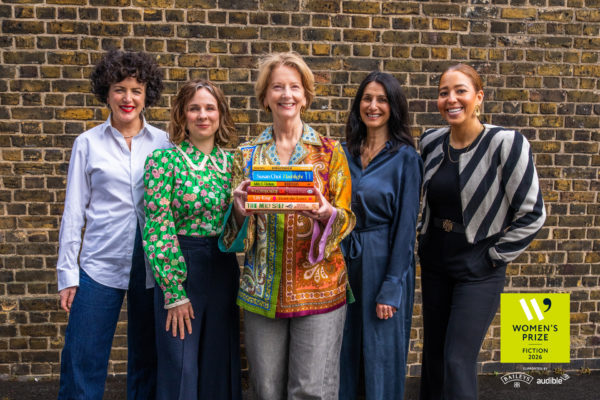
In its third instalment, the Women’s Prize for Non-Fiction Shortlist was stellar. Lyse was one of two debut writers, while the biggest name on the list was undoubtedly Indian writer and political activist Arundhati Roy, best known for her 1997, Booker Prize-winning novel The God of Small Things.
Lyse has triumphed, but the Shortlist is still worth a gander. The commended books were:
- Art Cure: The Science of How the Arts Transform Our Health by Daisy Fancourt
- Artists, Siblings, Visionaries: The Lives and Loves of Gwen and Augustus John by Judith Mackrell
- Hotel Exile: Paris in the Shadow of War by Jane Rogoyska
- Mother Mary Comes to Me by Arundhati Roy
- Nation of Strangers: Rebuilding Home in the 21st Century by Ece Temelkuran
Wondering who won sister prize, the Women’s Prize for Fiction? Click here to find out.