


Lyse Doucet, Arundhati Roy & 4 More Named On The 2026 Women’s Prize For Non-Fiction Shortlist
By
3 days ago
The list highlights six writers, with stories delving into issues across the globe
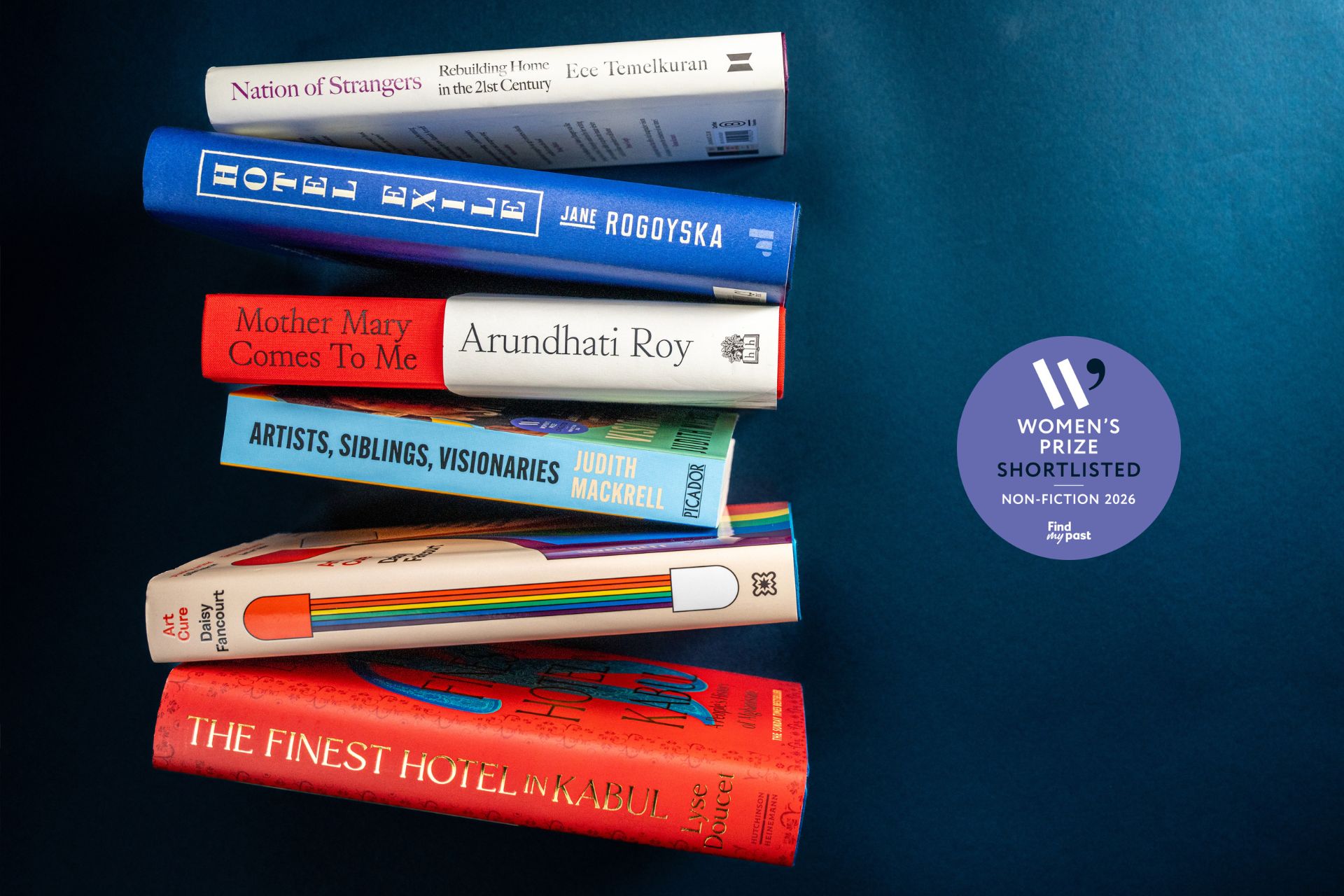
Now in its third year, the Women’s Prize for Non-Fiction is back for 2026, presenting a six-strong shortlist the chair of judges describes as a ‘timely and timeless interrogation of our world today’. Here’s everything you need to know.
Women’s Prize For Non-Fiction 2026: Shortlist, Judges, Dates & More
The Shortlist
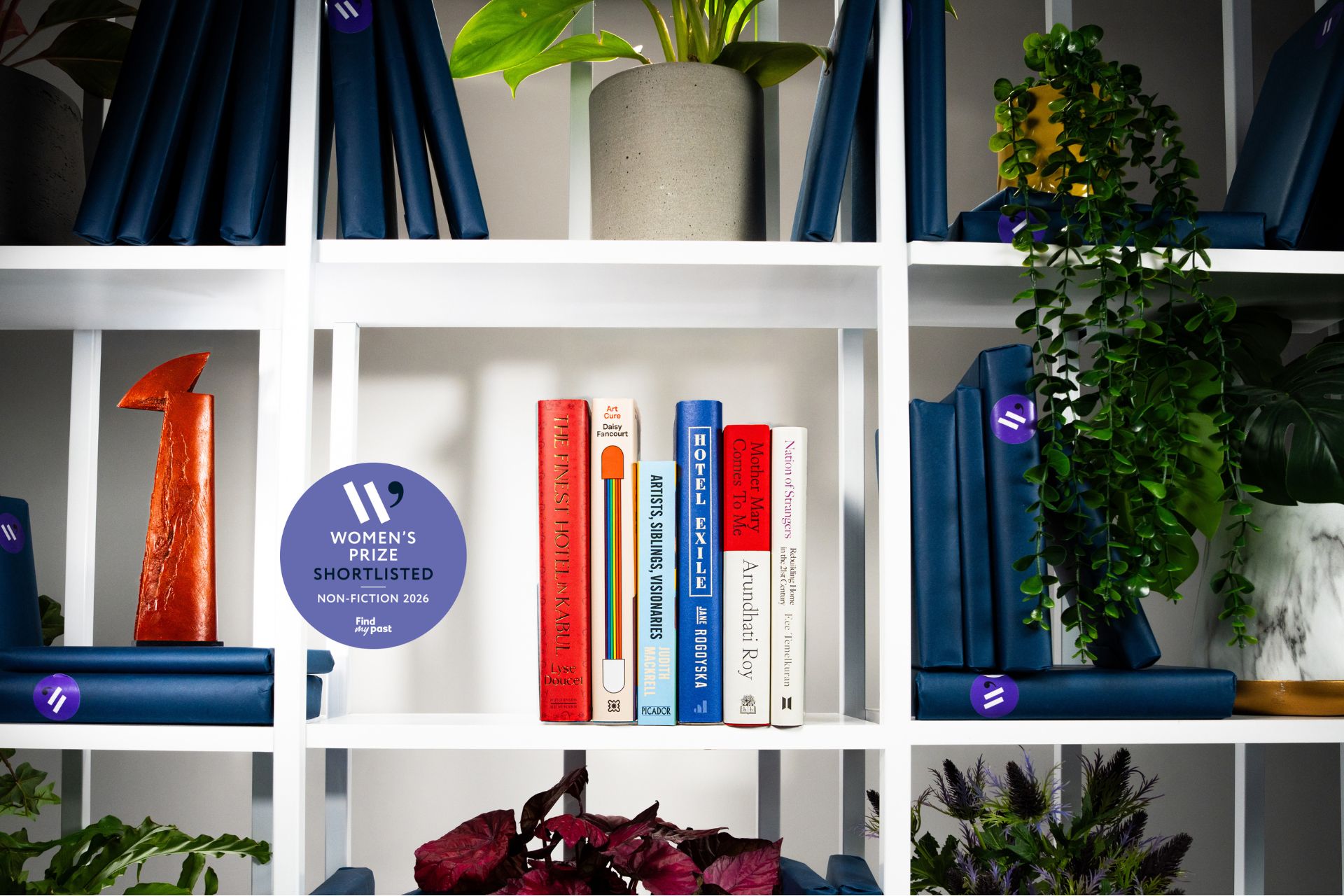
Without further ado, the six narrative non-fiction works up for the third annual Women’s Prize for Non-Fiction are:
- The Finest Hotel in Kabul: A People’s History of Afghanistan by Lyse Doucet
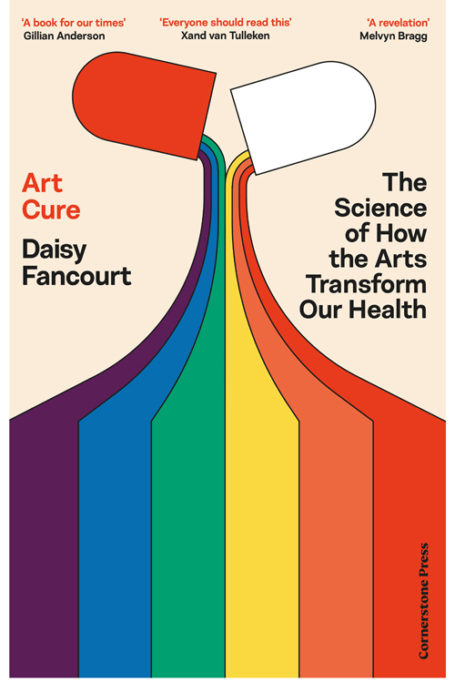
- Art Cure: The Science of How the Arts Transform Our Health by Daisy Fancourt
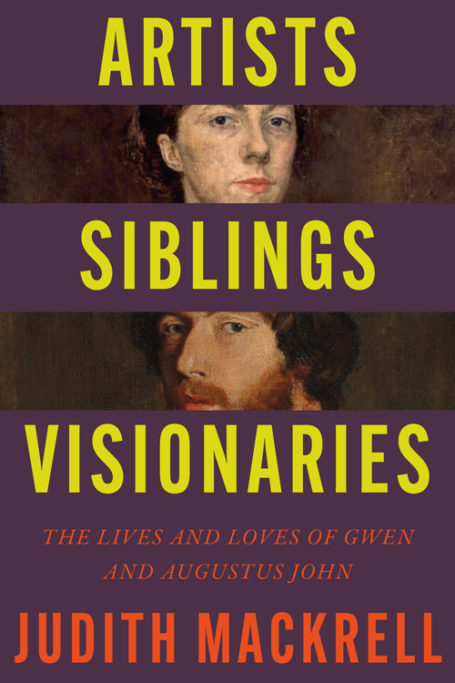
- Artists, Siblings, Visionaries: The Lives and Loves of Gwen and Augustus John by Judith Mackrell
- Hotel Exile: Paris in the Shadow of War by Jane Rogoyska
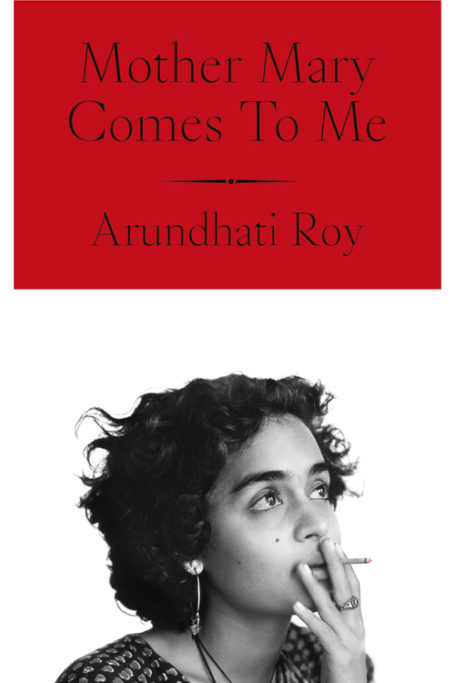
- Mother Mary Comes to Me by Arundhati Roy
- Nation of Strangers: Rebuilding Home in the 21st Century by Ece Temelkuran
Two of the six titles are debut works, with the shortlist spanning politics and history, memoir and biography, art and science. But there are other names you’ll know: Indian writer and political activist Arundhati Roy is best known for her 1997, Booker Prize-winning novel The God of Small Things, but in Mother Mary Comes to Me writes her career-first memoir exploring identity and mother-daughter relationships. Elsewhere, you may recognise Canadian journalist Lyse Doucet, who has worked as a BBC correspondent for almost three decades; The Finest Hotel in Kabul, her debut work, is a richly crafted history of modern Afghanistan, centred on the InterContinental hotel in Kabul.
Discussing the shortlist Thangam Debbonaire, chair of judges, explains that: ‘Whittling our remarkable longlist down to just six titles was by no means an easy task, but after careful consideration, we are proud to present a shortlist that celebrates six exceptional books and six hugely talented writers, and offers readers collectively a timely and timeless interrogation of our world today.’
She adds that the shortlist ‘shows the power and necessity of women’s writing at a time when recent statistics suggest a decline in non-fiction print sales in the UK. These books are an urgent antidote to mis- and dis-information, written with high standards of scholarship. They offer rich and original insights, in what often feels like a fragmented and uncertain world. They are six books of authority, told with humanity.’
The Rest Of The Longlist
And though they didn’t quite make the shortlist, discover the remainder of the longlist here:
- Daughters of the Bamboo Grove: China’s Stolen Children and a Story of Separated Twins by Barbara Demick
- With the Law on Our Side: How the Law Works for Everyone and How We Can Make It Work Better by Lady Hale
- To Be Young, Gifted and Black: Creativity and Race in the 21st Century by Kadiatu Kanneh-Mason
- Ask Me How It Works: Love in an Open Marriage by Deepa Paul
- Death of an Ordinary Man by Sarah Perry
- The Genius of Trees: How Trees Mastered the Elements and Shaped the World by Harriet Rix
- Finding Albion: Myth, Folklore and the Quest for a Hidden Britain by Zakia Sewell
- To Exist As I Am: A Doctor’s Notes on Recovery and Radical Acceptance by Grace Spence Green
- Indignity: A Life Reimagined by Lea Ypi
The Women’s Prize for Non-Fiction, now in its third edition, was first announced in 2023 and awarded in 2024, and is a sister prize to the Women’s Prize for Fiction. The previous winners are Canadian author Naomi Klein with Doppelganger (2024) and British physician Rachel Clark with The Story of a Heart: Two Families, One Heart, and a Medical Miracle (2025).
Both prizes are organised by the Women’s Prize Trust, a charity working to promote literature of merit penned by women in all of its forms while also encouraging greater diversity and gender equality in the literary world, underpinned by the belief ‘that every woman’s voice has the power to inspire change’, says executive director Claire Shanahan. ‘Reading and hearing a multiplicity of perspectives, experiences and ideas through non-fiction writing is more vital than ever – it is how we make sense of the world; it’s how we learn from the past, challenge injustice, and imagine new futures.
Meet The Judges
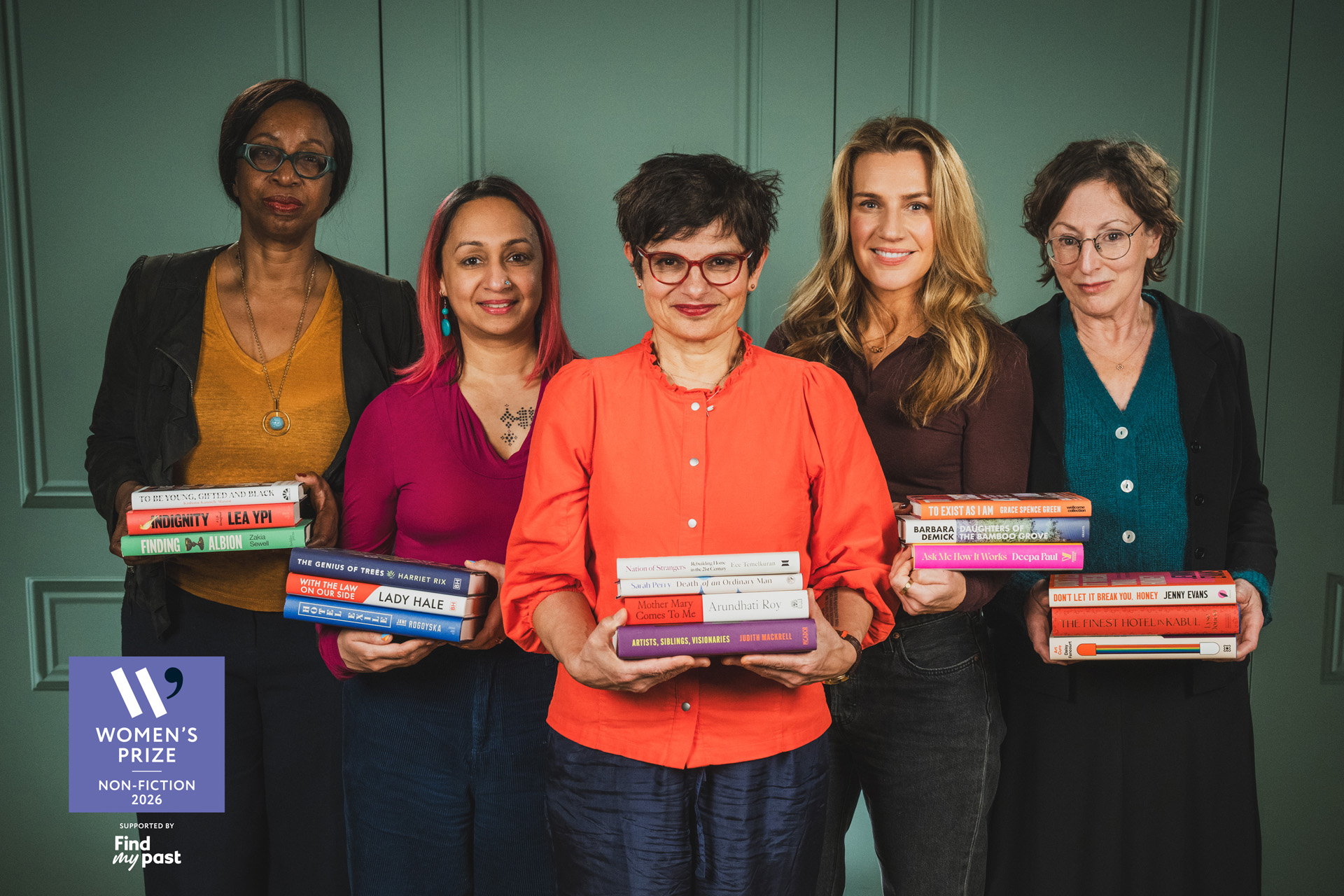
Every year a new panel of five judges is appointed to adjudicate the Women’s Prize for Non-Fiction. This year, British politician, cultural strategist, CEO of the UK Opera Association and former MP Thangam Debbonaire is the chair, having ‘said “yes” without hesitation, because this Prize is a powerful, trusted and necessary platform for women’s voices and experience,’ she says.
She is joined by engineer, author and broadcaster Roma Agrawal, NEOM Wellbeing founder Nicola Elliott, novelist and memoirist Nina Stibbe, and Crown Court judge and thriller author Nicola Williams.
The Books
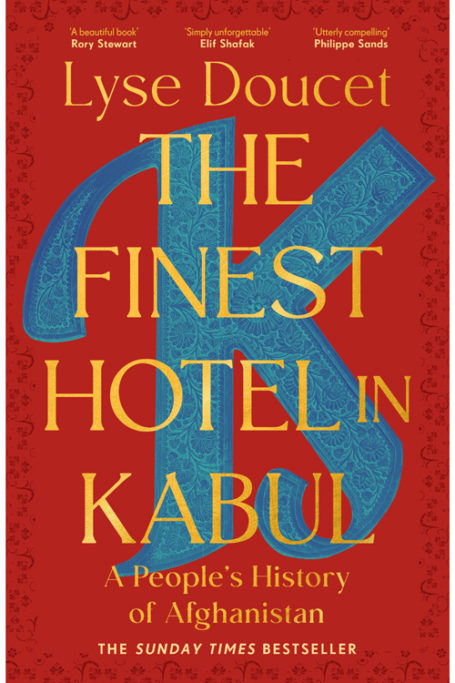
The Finest Hotel in Kabul: A People’s History of Afghanistan by Lyse Doucet
Judge Roma Agrawal says: ‘With great accuracy and care, Doucet has taken an extremely complex geo-political situation and brought it to the real-life experience of very relatable people. The Finest Hotel in Kabul is a nuanced look at the history and politics of Afghanistan, told through the lens of the hotel and the people that occupy it.’
Hardback, £25
Art Cure: The Science of How the Arts Transform Our Health by Daisy Fancourt
‘Art Cure puts forward an amazing case for why the arts can be truly life changing – making us happier and helping us live longer,’ Elliot says. ‘Drawing on groundbreaking research, it is an accessible, inspiring and upbeat read.’
Hardback, £22
Artists, Siblings, Visionaries: The lives and loves of Gwen and Augustus John by Judith Mackrell
Chair of judges Baroness Debbonaire says: ‘Artists, Siblings, Visionaries is about the sibling relationship and artistic development of Gwen and Augustus John. It has so much to follow, rich with the history of these 20th century artists and their lives.’
Hardback, £30
Hotel Exile: Paris in the Shadow of War by Jane Rogoyska
‘Poignant and painful, Hotel Exile takes the vehicle of a hotel as a means of telling the story of exile,’ Baroness Debbonaire says. ‘Set in the middle of Paris, before, during and after the Second World War, it reveals a part of this period of history that is often left unexplored.’
Published 26 February 2026.
Hardback, £25
Mother Mary Comes to Me by Arundhati Roy
‘If you’ve read The God of Small Things, you may already want to read Mother Mary Comes to Me,’ says Baroness Debbonaire. ‘If you didn’t, you should still read this book. It’s an incredible story, dealing with how a woman becomes an artist, becomes a writer, but also about Roy’s campaigning life.’
Hardback, £20
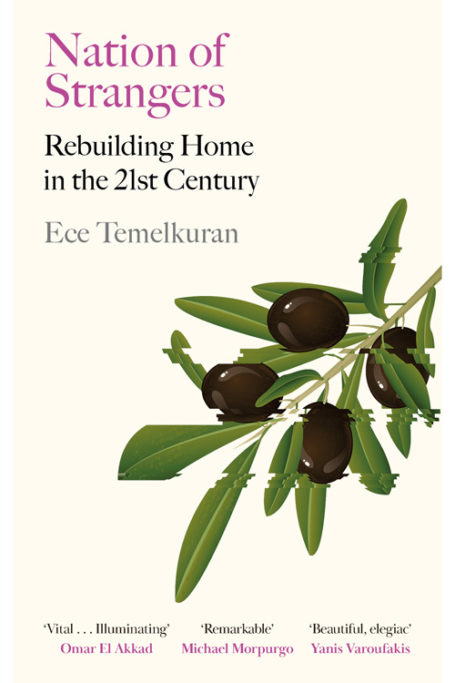
Nation of Strangers: Rebuilding Home in the 21st Century by Ece Temelkuran
Baroness Debbonaire says: ‘Nation of Strangers is a story for our times about migration, about dislocation, and about how that makes people feel – but also how it changes how people relate to one another.’
Published 12 February 2026.
Hardback, £18.99
Next Steps
Now the shortlist is locked in the winner will then be announced at a ceremony shared with the Women’s Prize for Fiction at London’s Bedford Square Gardens on 11 June.
The winner of the Women’s Prize for Non-Fiction receives a £30,000 prize plus the Charlotte sculpture supported by the Charlotte Aitken Trust and Findmypast.
The 31st Women’s Prize for Fiction longlist will be revealed on 4 March, followed by the shortlist on 22 April.