





Why Is Gut Health So Important For Our Skin? We Asked A Nutritionist
By
41 minutes ago
Glowing skin starts in the kitchen
When we feel like our skin needs a glow-up it can be tempting to overload on products, but sometimes looking at our plate may be more helpful. Below Dr Federica Amati, head nutritionist at ZOE, explains the importance of the gut-skin axis – plus shares specific nutrients and foods that can improve skin health.
The Link Between Gut Health And Skincare, Explained
As spring hits its stride, we’re all keen to rejuvenate our skin. Damaged by frigid air and central heating, it’s time to get our glow back. A good skincare regime is all very well, but there is a simpler way to support our skin health: we need to work with our gut-skin axis. A key way in which the gut microbiome can influence our skin is via inflammation. While it’s a vital part of our immune system, when inflammation persists in the long haul it causes damage to our cells and tissues, including our skin. Dysbiosis (an unbalanced gut microbiome) can increase levels of inflammation in our gut, and the chemicals that drive this inflammation can enter the blood and influence distant parts of the body. In some cases, pro-inflammatory microbes can actually migrate from the gut to the skin, potentially contributing to issues like acne.

Unsplash
A happy and diverse gut microbiome is rich in short-chain fatty acids (SCFAs), wonderful compounds that reduce inflammation in the gut and further afield. SCFAs also help strengthen the gut lining, preventing it from becoming compromised – or ‘leaky’ – and allowing bacteria and toxic compounds to sneak through into the blood. There’s also evidence that SCFAs produced by ‘good’ bacteria in our gut can reach our skin and support its barrier function.
Diet can really help manage inflamed skin, and the key is to avoid excess sugar and highly processed foods. Foods like pastries, biscuits, white bread and white rice lead to a sharp rise in blood sugar levels, triggering the release of androgens. This leads to an increase in sebum production, worsening acne.
Best Foods For Your Skin
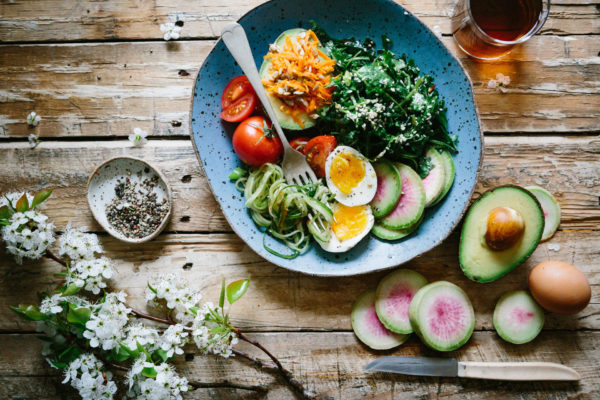
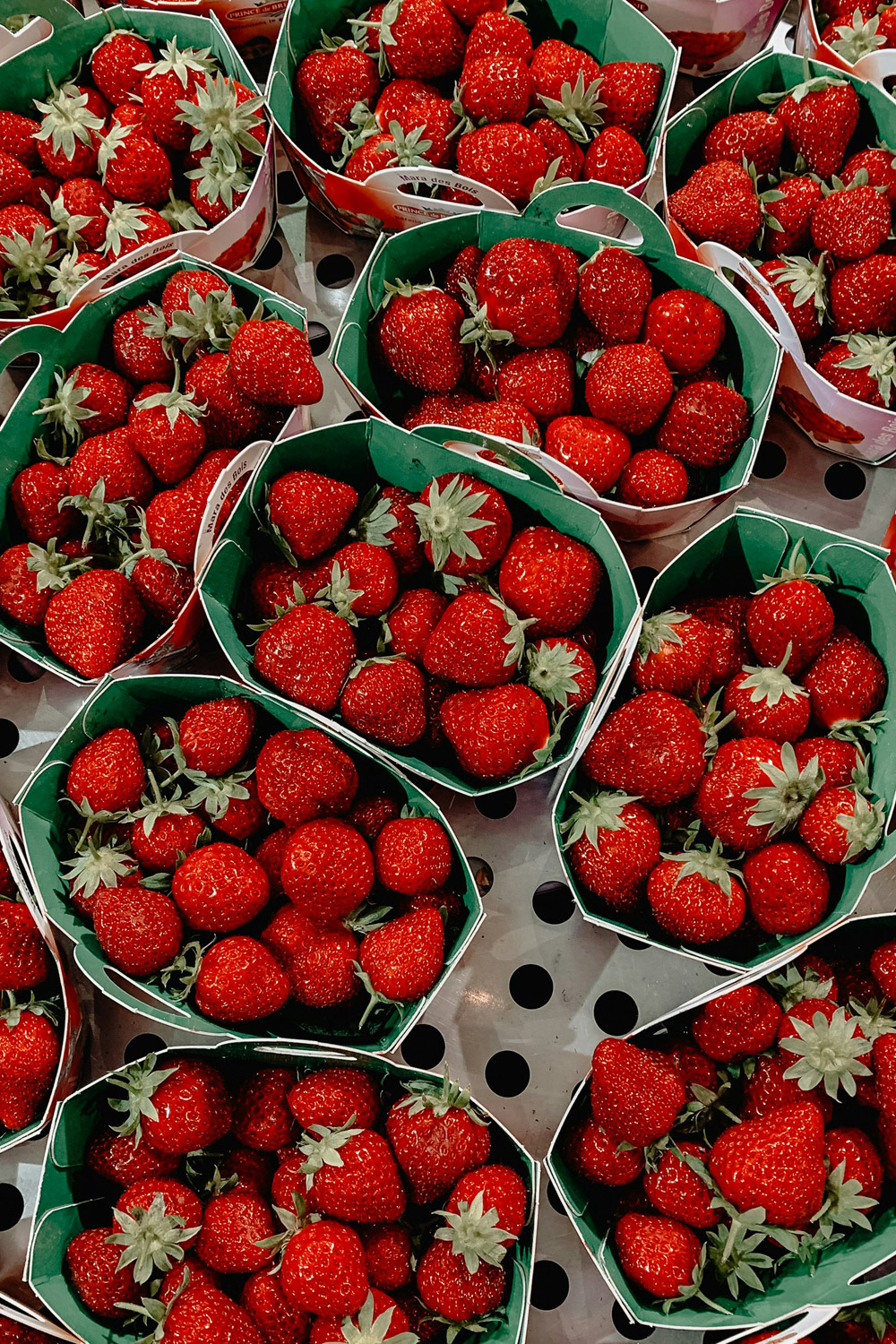
Plants (or the polyphenol that plants use to protect themselves from infections and UV rays) have antioxidant and anti-inflammatory effects that can support skin health. Polyphenols are found in abundance in coffee, berries, dark chocolate, nuts, olive oil, and many other colourful fruits and veg. Flavonoids (a type of polyphenol that occur in strawberries, raspberries and blackberries) and carotenoids (found in carrots, as the name suggests, but also a wide range of plants including tomatoes, leafy greens, pumpkins, spinach and peppers) can help reduce your blood sugar responses after eating and tamper inflammation. Vitamin C can also help maintain healthy skin. Making sure you have adequate amounts helps promote wound healing and skin regeneration through collagen production. The best food sources include oranges, grapefruits, peppers and kiwi.
Unsplash
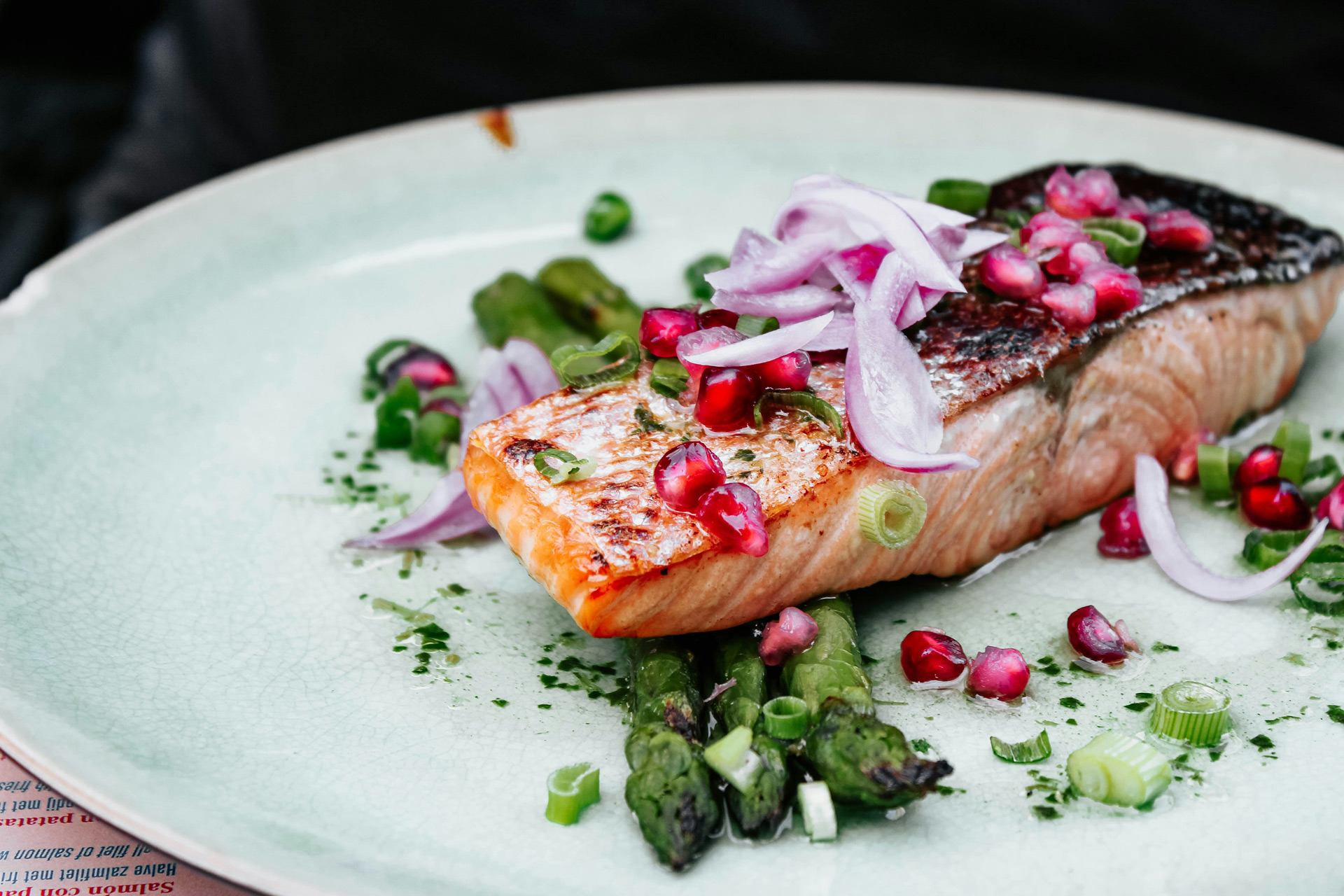
Finally, let’s talk about fats; the polyunsaturated kind, like omega-3s, are essential for health and can support the skin’s defensive barrier. Omega-3s may even reduce symptoms of eczema and psoriasis. Find them in oily fish like mackerel and sardines as well as flax seeds, chia seeds and walnuts. The health benefits of omega-3 are one of the reasons I created ZOE’s Daily30+, a simple way to add fibre, antioxidants and healthy fats to your favourite dishes.
A diet designed to maintain healthy skin – plenty of fibre-rich plants and healthy fats – also looks after our gut. The skin is a window onto our overall health. Look after the inside, and the outside takes care of itself. If you focus on fibre and diversity, you’ll be glowing all spring long.