


How To Reset Your Appetite: A Nutritionist’s Guide
By
5 months ago
'Our bodies are not broken; they are incredibly adaptive'
Dr Federica Amati advises how to reset the appetite so it becomes friend not foe
What To Eat To Reset Your Appetite
For many people trying to eat well, appetite feels like the enemy – hunger appears unpredictable, cravings relentless. But the science tells a different story, and what really determines whether appetite works for or against you is satiety. This biological process is not a single signal but a coordinated conversation between the gut, brain, hormones, microbiome, and even the physical structure of the food you eat. When these signals function properly, hunger rises naturally when you need energy and fades once your body has what it needs.
This intricate system begins in the gut. As food enters the stomach and small intestine, specialised cells release hormones such as GLP-1, peptide YY and cholecystokinin, which communicate with the brain to signal that nutrients have arrived and help slow digestion so the body has time to absorb them. At the same time, stretch receptors in the stomach detect the volume of food being consumed. Together, these signals travel along the vagus nerve to the brain’s appetite centres.
The trillions of microbes that live in the colon also play an important role. When we eat fibre-rich plant foods, the microbiome ferments those fibres and produces short-chain fatty acids. These influence metabolism, reduce inflammation and interact with appetite-regulation pathways. In other words, the bacteria living in your gut help shape how full you feel.
For most of human history, this system worked well. Our ancestors lived in food environments defined by scarcity rather than abundance. Much of the day would have been spent gathering roots, seeds, grains, and tubers, occasionally hunting small animals, and bringing these foods back to prepare and share them. The foods available were largely whole, fibre-rich and structurally intact. They took time to chew, digest and metabolise. These characteristics supported satiety.
Modern food environments are very different. Many foods are engineered to be eaten quickly and easily, often combining refined carbohydrates, fats and salt in ways that maximise palatability while minimising satiety. These foods move rapidly through the digestive system and deliver large amounts of energy before the body’s fullness signals have time to catch up. Over time, this can make appetite feel unreliable.
Pexels
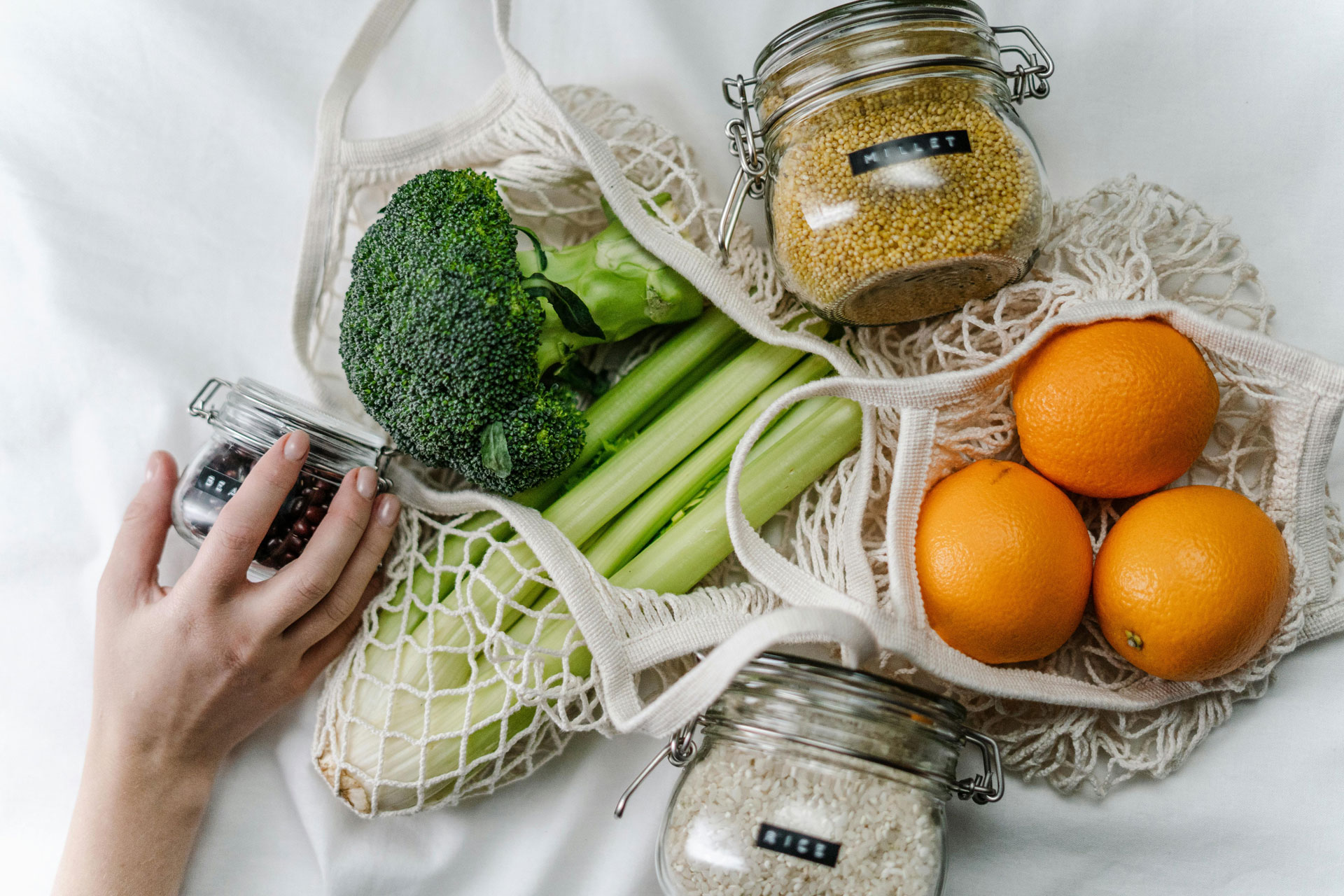
The encouraging news is that the biology of satiety has not disappeared; it simply needs the right inputs. Research consistently shows that diets built around whole, fibre-rich foods help restore the body’s natural appetite regulation. Fibre slows digestion, supports the microbiome and strengthens satiety signals. Plant diversity also matters, and many of the world’s healthiest diets are plant-forward. Vegetables, legumes, whole grains, nuts, seeds and fruit provide fibre, micronutrients and bioactive compounds. Plus, these foods tend to have a more intact food matrix, meaning they take longer to eat and digest.
There is absolutely space for high-quality animal foods. Fish provides omega-3 fatty acids, eggs are a valuable source of protein and micronutrients, and fermented dairy such as yoghurt or kefir can support microbial diversity for those who tolerate it. The issue is not complete exclusion but proportion. What has gradually fallen away from many modern plates is the sheer quantity and diversity of plants.
The issue is not complete exclusion, but proportion. What has gradually fallen away from many modern plates is the sheer quantity and diversity of plants. When that balance shifts back, something remarkable happens: blood sugar stabilises, energy levels improve and appetite begins to settle. Rather than relying on constant restraint, the body’s satiety signals start doing much of the work.
Our bodies are not broken; they are incredibly adaptive. When we eat in ways that support our biology, appetite becomes easier to manage and eating well feels like the natural rhythm it was always meant to be.