


The Bread Course Is The Best Part Of Any Meal
By
5 months ago
A love letter to Britain’s best bakes.
Luxury is not chocolate-coated, it is not Caviar-topped; it is freshly-baked and served with room-temperature butter. Rebecca Cox on why the humble bread course is having a moment.
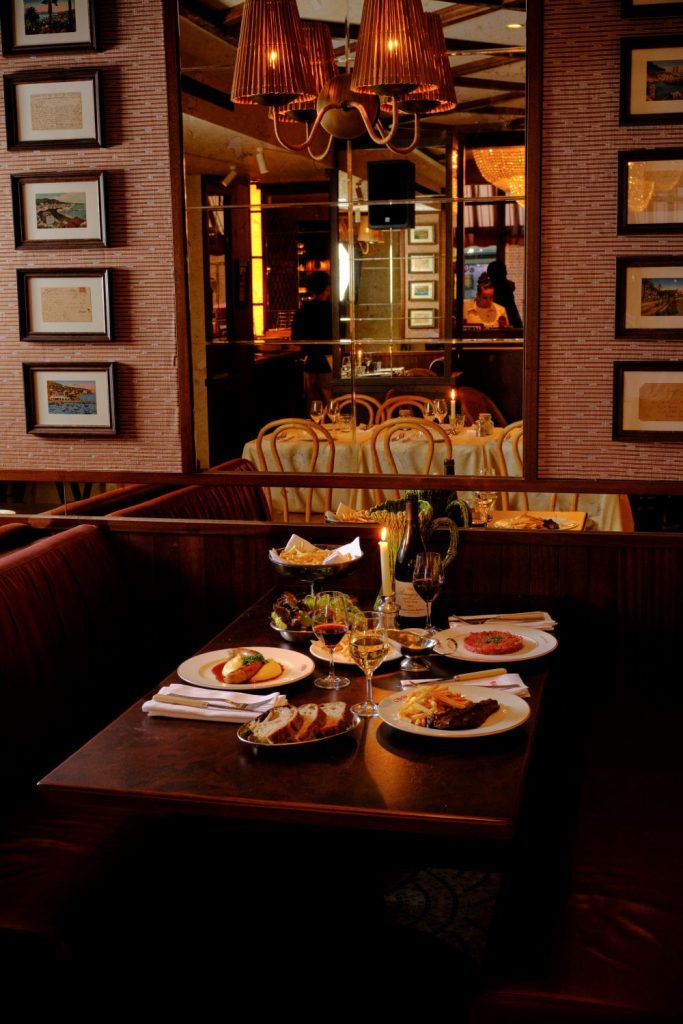
Burgundy leather menus are snapped shut and removed, a glass of champagne set down. And then, bliss: a small basket of soft, warm rolls is placed on the table, beside a miniature dish of firm, salted butter. The bread course has arrived; the single highlight of any restaurant experience, setting the bar for what’s to follow. The bread is torn down the centre, a swirl of steam rising from the soft fluffy white interior, a generous slice of buttercup-yellow butter slotted inside, the edges melting on impact. Of course, you cannot survive on a diet of bread alone. But that should not deter you from trying.
I take bread very seriously. I visit my local farmers’ market every weekend and buy two of my favourite loaves, eating almost half of each on the first day. When I travel to Paris, I take an empty bag and bring back a minimum of five baguettes to slice up and freeze the minute I get through the front door. I would eat bread for every meal if I could – I’m not ashamed to admit that, for spells of my life, I have. Jam on toast for breakfast, a sandwich for lunch, soup and sourdough for dinner; when it comes to comfort food, nothing else comes close.
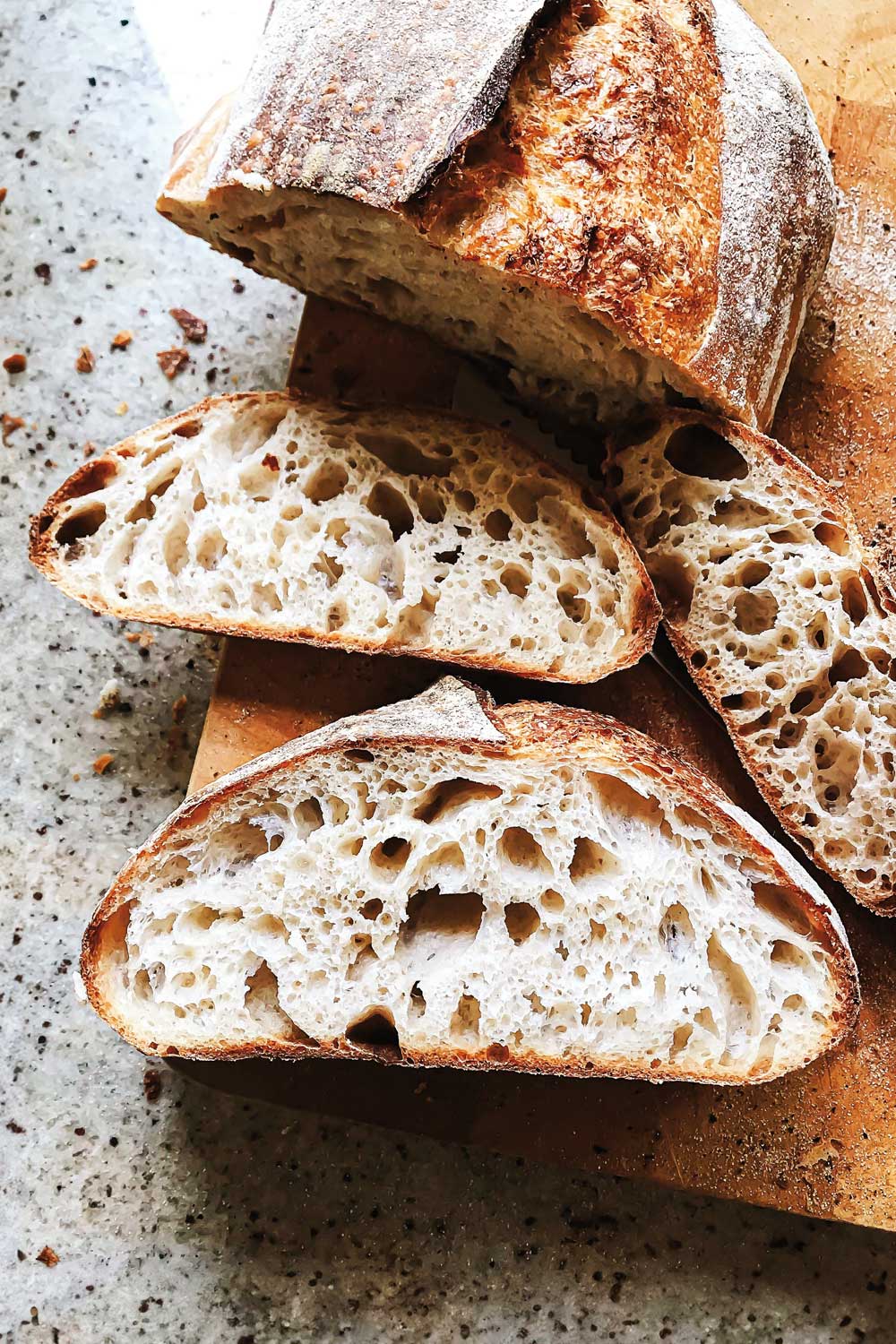
I don’t have the monopoly on bread-worship, of course. Richard Hart, author of Bread: Intuitive Sourdough Baking and one of the world’s most famous bakers (he even gets a shout out in TV show The Bear) perhaps loves it even more than me. ‘I love a bloomer or tiger top, white bread for nostalgia, toasted with butter and marmalade. That takes me back to summers at my grandparents’ house when I was a kid. We would have that on the table for breakfast; it nourishes my soul and takes me back.’
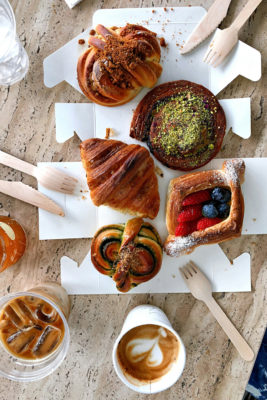
I meet Richard at the launch of Claridge’s Bakery earlier this year, of which he is creative director, and I nibble on buttered samples of his white sourdough as he talks, crumbs dropping onto my jumper. The luxe hotel bakery is on the rise. Whether it’s a sign of the economic times, or a backlash against the abstinence of the Ozempic brigade, carbs, specifically bread, are back on the menu. ‘People don’t have a lot of money. But I think most people can afford to go to a bakery and buy one or two things. I used to work in fine dining but then, becoming a baker, I get to feed everyone. I get to feed Grandma, I get to feed the kids. That’s a really lovely thing.’
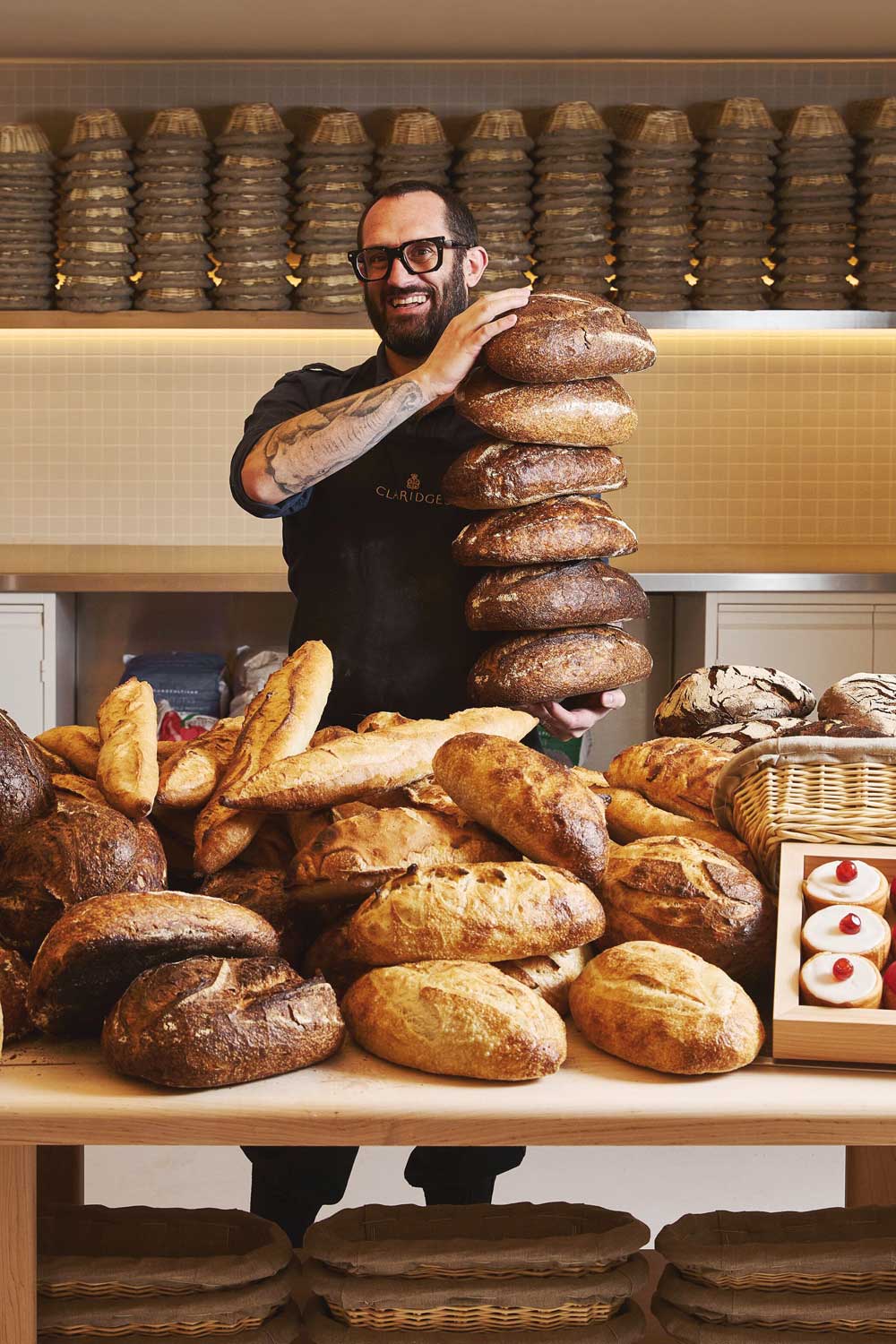
Richard Hart
Lovely indeed, and perhaps therein lies the real magic of bread – it’s for everyone. Away from Claridge’s Bakery and Michelin-starred table service, bread is working wonders in South London. At The Clink, Brixton, a restaurant and bakery inside HMP Brixton, bread is baked by inmates who are working toward their City & Guilds NVQs in Professional Cookery and related qualifications. ‘Here, bread carries an additional weight,’ says head of marketing Simon Reeves. ‘It’s not only about flavour or technique, it’s about dignity, rehabilitation and opportunity.
‘A spectacular bread course is one that nourishes everyone involved: the person who made it, the person who serves it and the person who eats it. Bread has always been about sustenance. When done right, it’s also about the potential for hope.’ Indeed, the phrase ‘break bread’ represents reconciliation, bringing people together, the start of a brighter future.
Now, this might be the wheat-induced sugar rush talking, but bread really does seem to have transformative powers. ‘We Brits love bread because it has been part of our food culture for centuries; it provokes nostalgia that brings us comfort,’ says Adam Smith, head chef at Michelin-starred Woven by Adam Smith at Coworth Park. His bread course is one of the best I’ve ever had. ‘I believe that you can judge a great restaurant by its bread,’ he tells me (very much preaching to the choir). ‘At Woven we really like to celebrate bread as a course in its own right. It’s a display of the artisanal craft and skills used daily by our bakers to produce five types of bread showcasing five different techniques. From a natural sourdough, cross-laminated cheese pain au Swiss or a rich, dense dough made from Einkorn wheat, one of the oldest known wheat species that remains unaltered from its ancient origins.’
The only problem with a superlative bread basket? The potential for the meal that follows to go downhill. (Thankfully, despite the unbelievably mouthwateringly indulgent cheese pain au Swiss, this is not something that happens at Woven.) Whether it’s baked in a Michelin-starred kitchen, a trendy bakery or a prison kitchen, great bread has one thing in common, according to Richard Hart: the love that goes into it. ‘You should buy bread from someone who makes it with their heart. And people who are obsessed with baking – they’ll put everything they’ve got into it.’
All this said, I think I’m justified in the approach I take when eating the stuff. A dense, seeded multigrain slice, toasted and slathered with crunchy peanut butter. The end of a warm, baked baguette, dipped in salted olive oil. A slice of bouncy sourdough with butter and just the right amount of Marmite. A warm restaurant roll, served with miso butter and the promise of a great meal to follow. No, one cannot live on bread alone. But one can live for it.
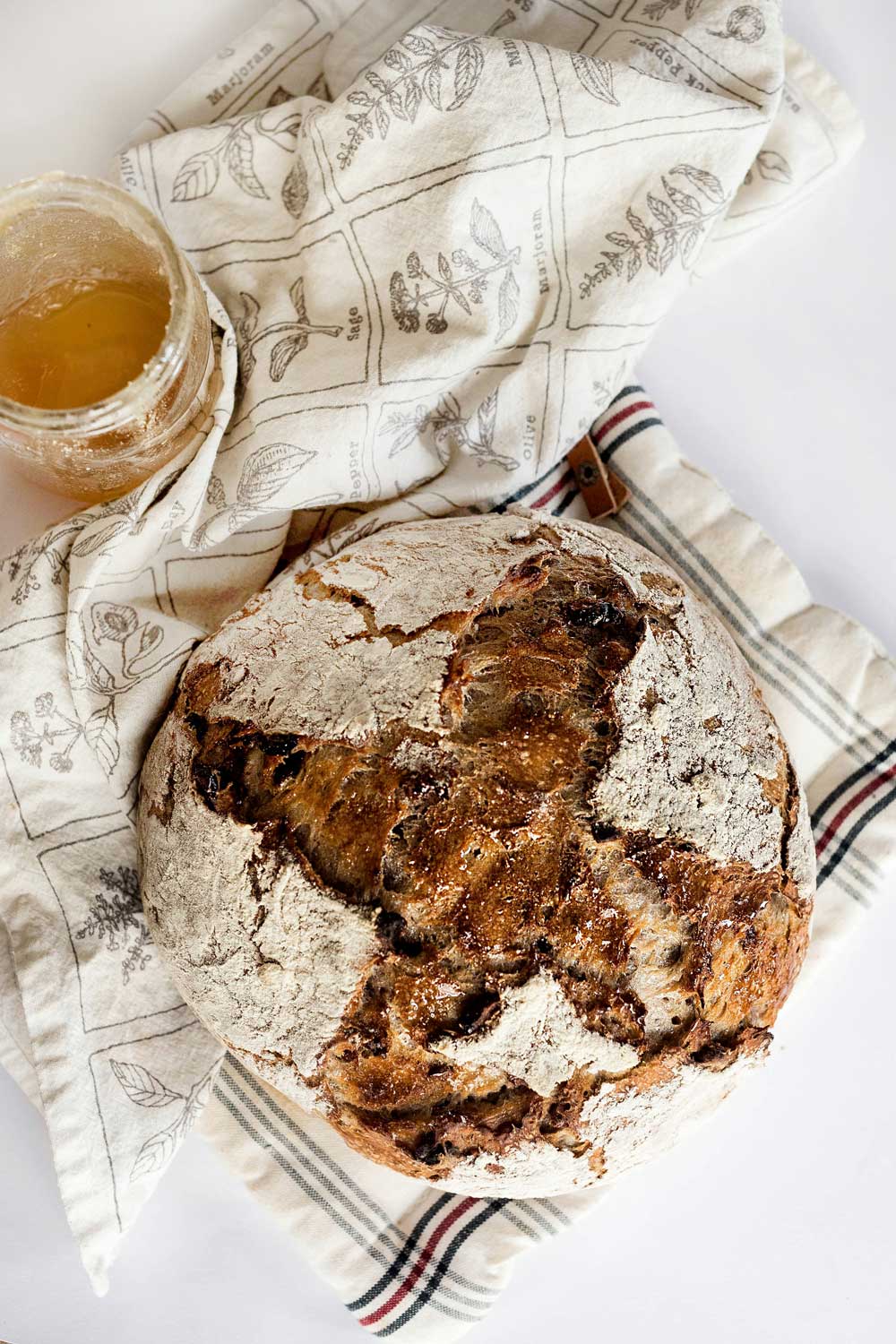
Photo by Jennifer Burk on Unsplash
Some Excellent Bread Courses
- SPRING Somerset House, London
- THE CLINK HMP Brixton, London
- WOVEN by Adam Smith Coworth Park, Ascot
- AKUB Notting Hill, London
- CORD by Le Cordon Bleu Fleet Street, London
- THE KITCHIN Leith, Scotland
- COOMBESHEAD FARM Cornwall
Lovely London Bakeries
- TOAD BAKERY Camberwell
- CLARIDGE’S BAKERY Mayfair
- AUGUST BAKERY Battersea Rise
- KOSSOFFS Kentish Town
- CÉDRIC GROLET AT THE BERKELEY Knightsbridge
- FORTITUDE BAKEHOUSE Russell Square
- MILK RUN Tooting Bec
This feature appears in the 2026/2027 Great British & Irish Hotel Guide.