


A Fresh Generation Of Landlords Is Keeping Pubs Alive
By
5 months ago
Here's why we all need to keep going down to the pub
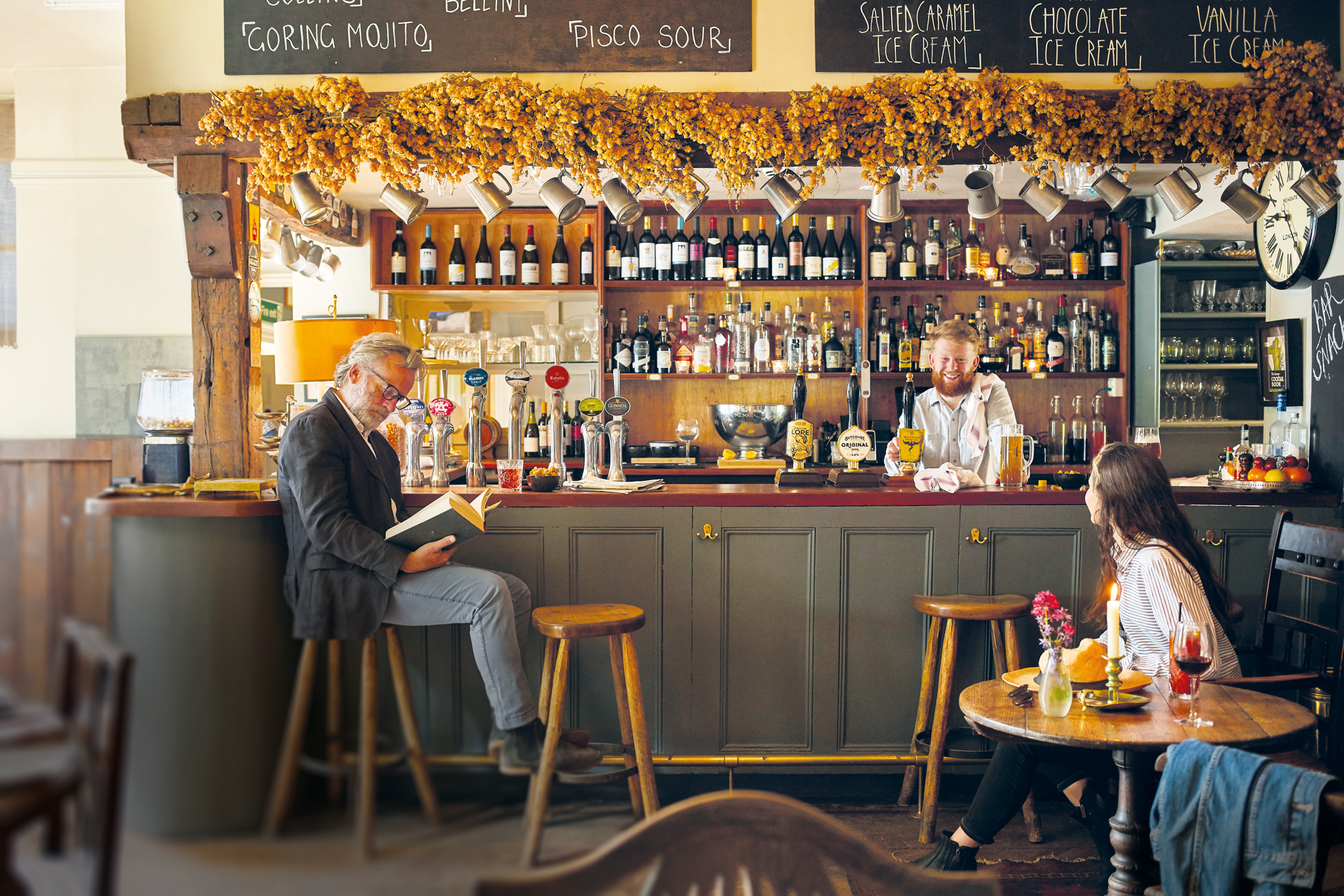
As thousands of pubs close their doors, a new wave of passionate publicans are stepping in to revive Britain’s most cherished institution, says Fiona Duncan
Meet The New Great British Publicans
If ever there was a story of hope over experience, it’s the story of the great British pub in the 21st century. On the one hand, more than 8,000 pubs have closed in the latest decade and there has never been a more daunting or difficult time to own one; on the other hand, the thirst for warm, comforting hubs rooted in community is growing rather than diminishing. Most of us still see pubs as a core British institution and the best place to socialise with friends.
We would be lost and lonely without our pubs. How lucky, then, that in the face of a storm of challenges – soaring operational costs, high taxation and business rates, wage rises, thin margins and cash flow problems, not to mention the cost of making old, often listed buildings fit for purpose – a new breed of publican is bravely stepping across the thresholds of Dogs and Ducks, Foxes and Hounds and Corks and Bottles. They are not just preserving but enhancing convivial, characterful and heartwarming havens for anyone who wants to meet, chat, laugh and leave their phones at home. Whether hospitality entrepreneurs, celebrities, millionaires or groups of volunteers bent on saving their local, these new publicans deserve our thanks.
‘It’s saved our village, simple as that,’ says my friend Paul about the reopening of The Royal Oak, Great Wishford, ‘and it’s refreshingly down to earth, not a fancy restaurant masquerading as a pub.’ Most revived pubs, whether community-run, part of a brewery or hospitality group, or privately owned, see the provision of food as crucial, and many are first and foremost restaurants, hostelries.
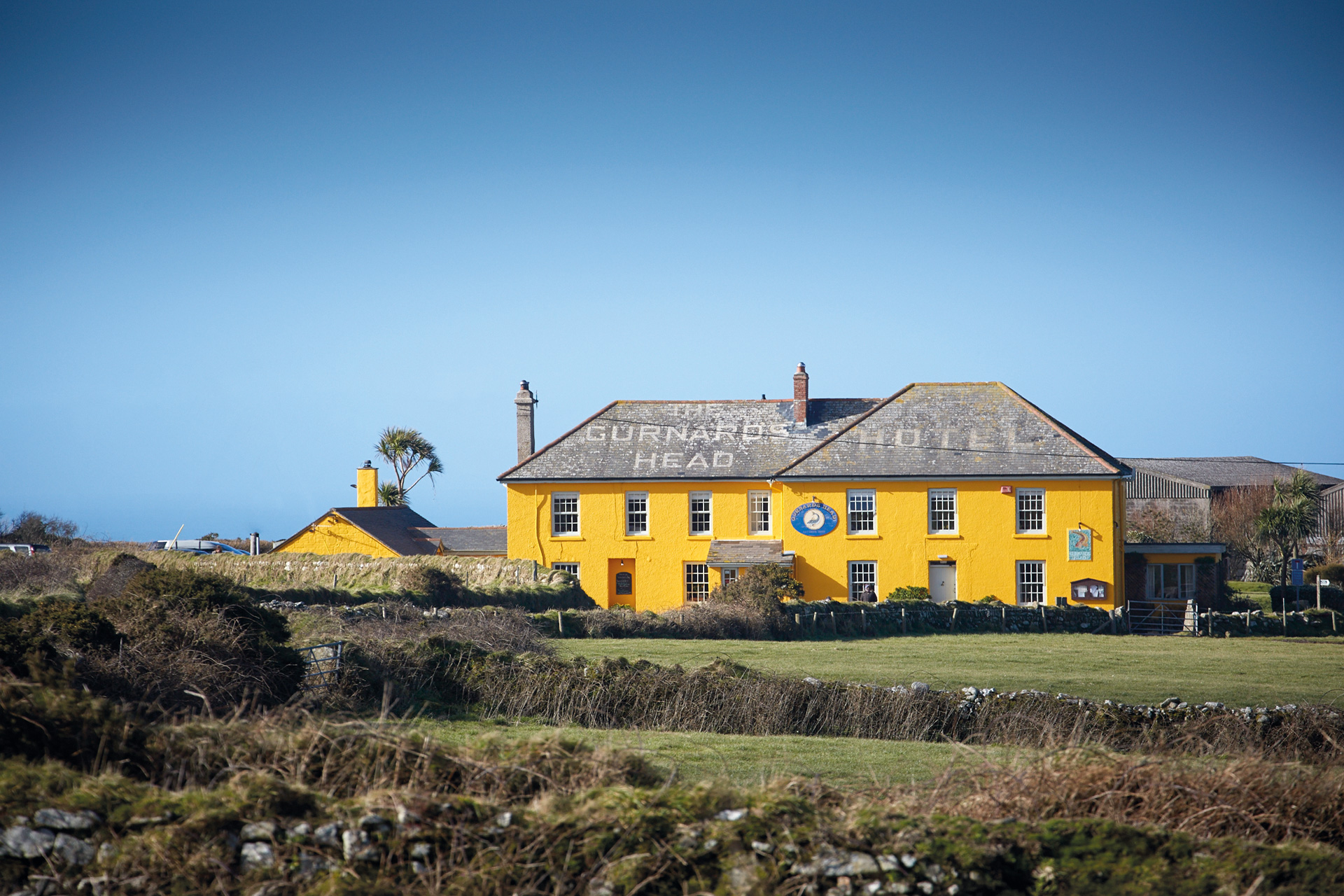
Others, whose inns are still beacons of good living around 20 years on, include Edmund and Charlie Inkin at The Gurnard’s Head in Cornwall; Ivor Braka at The Gunton Arms in Norfolk; Charlie Luxton and Dan Brod at The Beckford Arms in Wiltshire; Andrew Russell at The Cat Inn in West Sussex; Anthony and Jeanette Goodrich at The Rose and Crown, Norfolk; Thomas and Cheryl Robinson at The Rose and Crown at Romaldkirk, Co. Durham; and John and Steph Ilsley at The East End Arms near Lymington, to name a few.
While there are plenty of external challenges to success, the truth is that either new publicans have what it takes to create a successful venue or they don’t. For those of us looking for an affordable place to stay for a break in the countryside that’s both stylish and characterful, posh pubs and inns provide the answer and in the last few years there have been many notable successes across the country from new publicans such as Angus Davies at The Swan at Fittleworth, West Sussex; Annoushka Ducas and John Ayton at The Horse and Groom in East Ashling, also West Sussex; Tom Noest and Peter Creed at The Bell, Langford in the Cotswolds; Laura and Johnny Greenall at The Duncombe Arms in Staffordshire; and Alex Winch and Sam Fiddian-Green at The Merry Harriers in Surrey.
Pub Groups
And then there are the pub groups. The East Anglian Chestnut Group has no less than 20 pubs, while in the West Country, the Chickpea Group has grown to ten pubs in just five years. Latest is The Fleur de Lys in Cranborne. ‘We were rubbish at the beginning,’ laughs co-owner Ethan Davids, ‘but we’re young, we’re learning and we passionately believe in pubs. We train our staff professionally and we adhere to MALT: Music, Atmosphere, Lighting, Temperature.’ In short, the Chickpea Group is finding ways to bring a contemporary vibe to traditional pubs and largely succeeding. Look out also for the Public House Group headed by friends Phil Winser, James Gummer and Olivier van Themsche with The Pelican in London and The Bull in Charlbury, whose emphasis is on farm to fork food. And for Jack Greenall’s London-based Wren Group, whose The Surprise (Chelsea), The Walmer Castle (Notting Hill) and The Carpenter’s Arms (Chiswick) have all been lovingly and triumphantly restored.
Breweries
Historic breweries, whose tenanted pubs have often lacked pizzazz, are also jumping on the bandwagon: both Butcombe and Young & Co’s stand out. Check out their boutique bedrooms in pubs such as The Welldiggers Arms, Petworth; The High Corner Inn, New Forest (both Butcombe); and The Canford, Poole (Young & Co’s). Even hotels, such as The Pigs, are getting in on the act: there’s already one Pig pub – The Village Pub in Barnsley, Cotswolds – and more are in the pipeline because ‘people are looking for connection, calmness and community,’ says CEO Kevin Styles. The Rectory in Crudwell has its own pub, The Potting Shed, as does Thyme, also in the Cotswolds (The Swan). Lime Wood in the New Forest would love to add a local pub to its offering to guests, aware how many of them ask for recommendations during their stay.
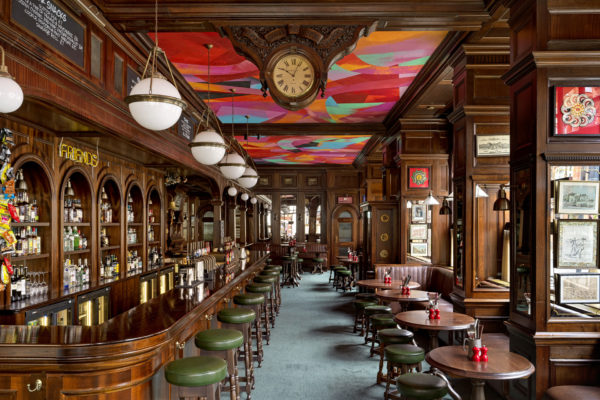
Eighty years ago, in an essay for the Evening Standard, George Orwell described his idea of the perfect pub. While not many of his rules (middle-aged barmaids who call you ‘dear’; liver-sausage sandwiches; stout in a pewter pot) are relevant today, his love – and our love – and need for traditional pubs remains unchanged. All over the country, despite all the obstacles, new publicans are rising to the challenge.