



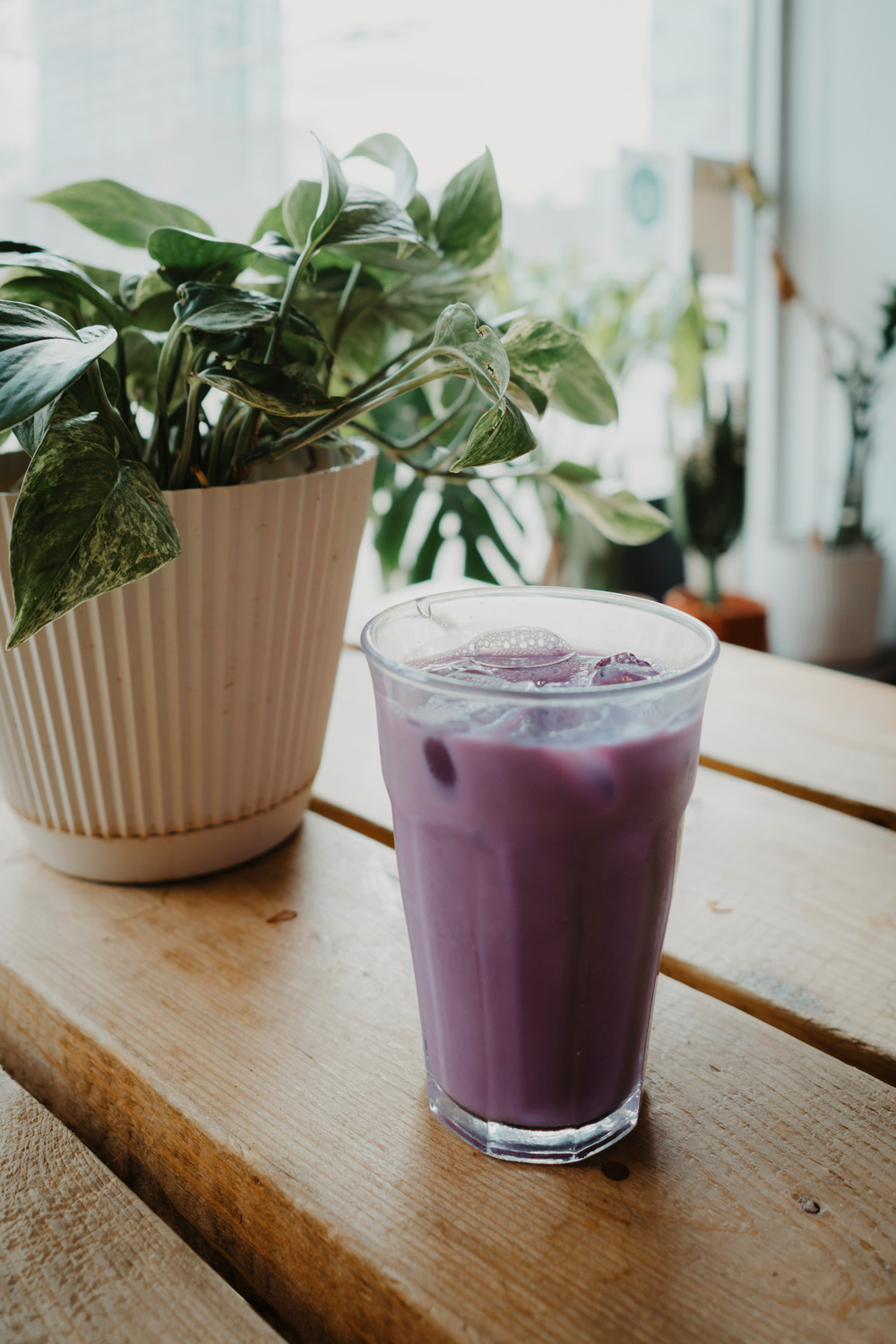
Ube Is The Hottest Drinks Trend Of 2026
By
6 months ago
Purple is the new green
Matcha has dominated the drinks world for a while now – but ube is the buzzy new ingredient threatening to steal its crown. In 2026 all the cool kids are swapping their green lattes for purple concoctions made with the vibrant yam vegetable – beloved for its sweet, nutty flavour and increasingly appearing on the menus of UK cafes. And it’s not just coffee shops that are getting involved: ube is also popping up in cocktails, hot chocolate, cakes and more. But where does ube come from? And is it good for you?
What Is Ube?
Pronounced ‘oo-bay’, ube is a purple yam vegetable which looks similar to a purple sweet potato. It’s native to the Philippines, where it has long been a staple ingredient in dishes like halaya (a thick jam) and pandesal (a fluffy bread roll), as well as desserts such as ice cream and cake. But more recently drinks made with the violet ingredient have been taking off in the US – and now the trend is making its way to this side of the pond. Big hitters, including Starbucks, Blank Street, Pret and Costa, now serve ube-based drinks in the UK, while you can order ube cocktails at bars like Bar Lotus in Dalston.
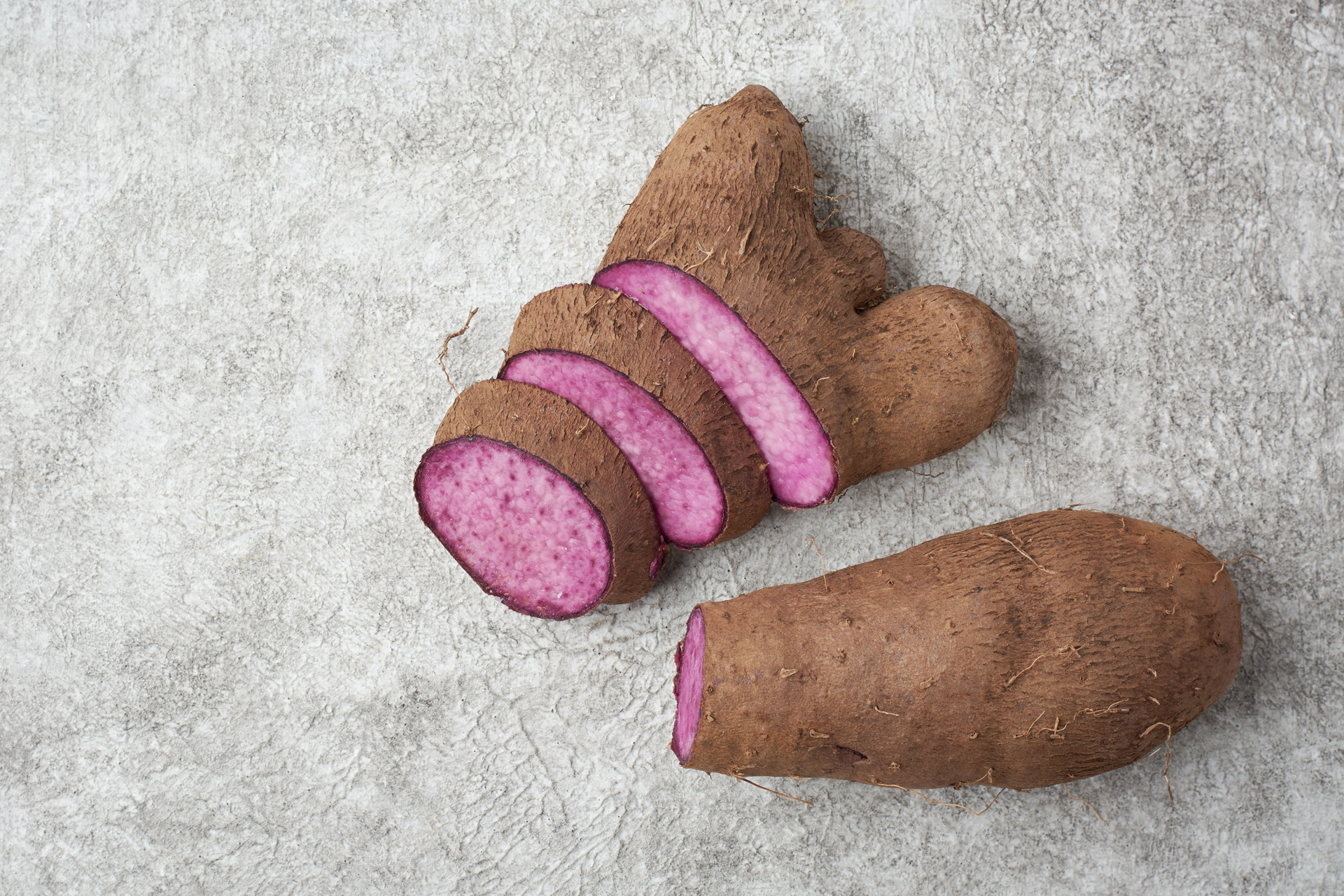
Getty Images
Of course, in the Philippines ube isn’t a trend; rather a key part of the country’s food culture. And here in London, Filipino cafes have been offering ube years before it went viral – like dessert hotspot Mamasons in London. ‘When we introduced ube at Mamasons nearly a decade ago, we were one of the only places in the UK showcasing it across both ice cream and drinks, from traditional halo halo and scoops to bilogs and ube lattes,’ says co-founder and Filipino restaurateur Omar Shah. ‘I remember the faces people used to pull when they saw the purple ice cream. I would be explaining it was a purple yam from the Philippines, and some would literally walk in and walk straight back out when they realised we were not doing vanilla or strawberry. It needed real education back then. Now there is far more familiarity and far less convincing. In fact, the majority of our customers come specifically because we do ube.’
Just like the bright green hue of matcha put it on the map, ube’s aesthetic purple hue has helped skyrocket the vegetable to stardom (there are 118k posts on TikTok under the hashtag #ube). ‘At Rude Health, we’ve definitely seen a growing curiosity around more unexpected flavours in coffee, and ube fits perfectly into that shift,’ says Liam Maddin, barista lead at Rude Health. ‘It taps into what people are looking for right now – something visually appealing, slightly indulgent, but still rooted in quality ingredients.’
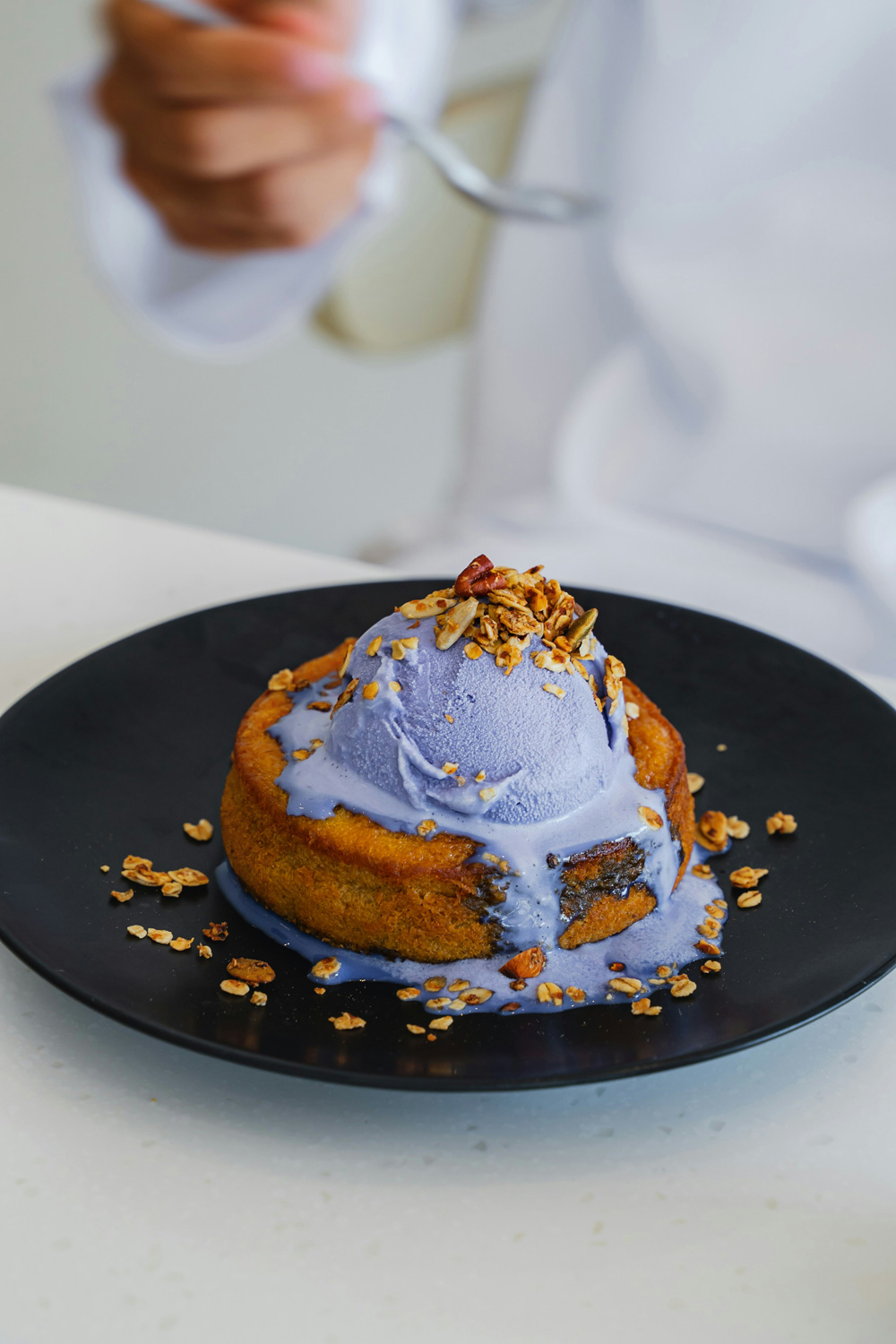
Shah agrees that it’s not just about the visuals: ube’s flavour also works well across a variety of drinks and foods. ‘That natural nuttiness allows it to carry across drinks, pastries, and desserts without feeling gimmicky, which is why we pushed it beyond ice cream early on,’ he says. ‘It also translates particularly well into more European formats.’ At Café Mamasons, for instance, it’s used in laminated pastries like ube pain au chocolat, while the ube tiramisu at Shah’s restaurant Belly has been a big hit since the restaurant opened in 2025.
Unsplash
What Are The Health Benefits?
A big part of the appeal of matcha is the nutritional benefits: the green tea has been proven to support heart health, lower blood pressure and boost concentration without overdoing it on the caffeine. So does ube match up?
Being a vegetable, ube offers plenty of perks for our health. ‘Ube is exceptionally rich in anthocyanins, the same antioxidants found in blueberries and other berries that help reduce inflammation and support heart health,’ notes Lily Keeling, Green Chef UK’s registered nutritionist. ‘It also provides a high concentration of Vitamin C, potassium, and complex carbohydrates, making it excellent for steady energy release.’ The ingredient can also support gut health due to its high fibre content, plus it’s rich in potassium which is good for heart health.
Being a root vegetable, ube is naturally caffeine-free so in its raw form (powder mixed with water or milk), it can be enjoyed any time of day without impacting your sleep. However, the ingredient is often added to drinks containing caffeine, so an ube latte will still give you a caffeine hit.
Of course, when it comes to the health benefits it ultimately depends on how the ube is used. As Keeling points out, chain cafes often rely on highly processed syrups or powders which contain high levels of added sugar and artificial dyes. For a healthy twist you can make at home, she recommends whisking a teaspoon of 100 percent pure ube powder into unsweetened coconut or oat milk with a touch of honey or stevia. Or you can just cook it in the same way as a sweet potato: roasted, mashed or used as a natural sweetener for morning smoothies.