


Ali Childs On How To Give Your Home A Spring Reset
By
2 months ago
The interior designer shows us around her cosy Victorian terrace
In our new column, Staying In With, we ask the experts of interior design to tell us about their ultimate night in. This month, we speak to Ali Childs, interior designer and founder of Studio Alexandra, about her top tips for resetting your home ahead of spring.
Staying In With Ali Childs

Ali Childs
Your favourite place to stay in?
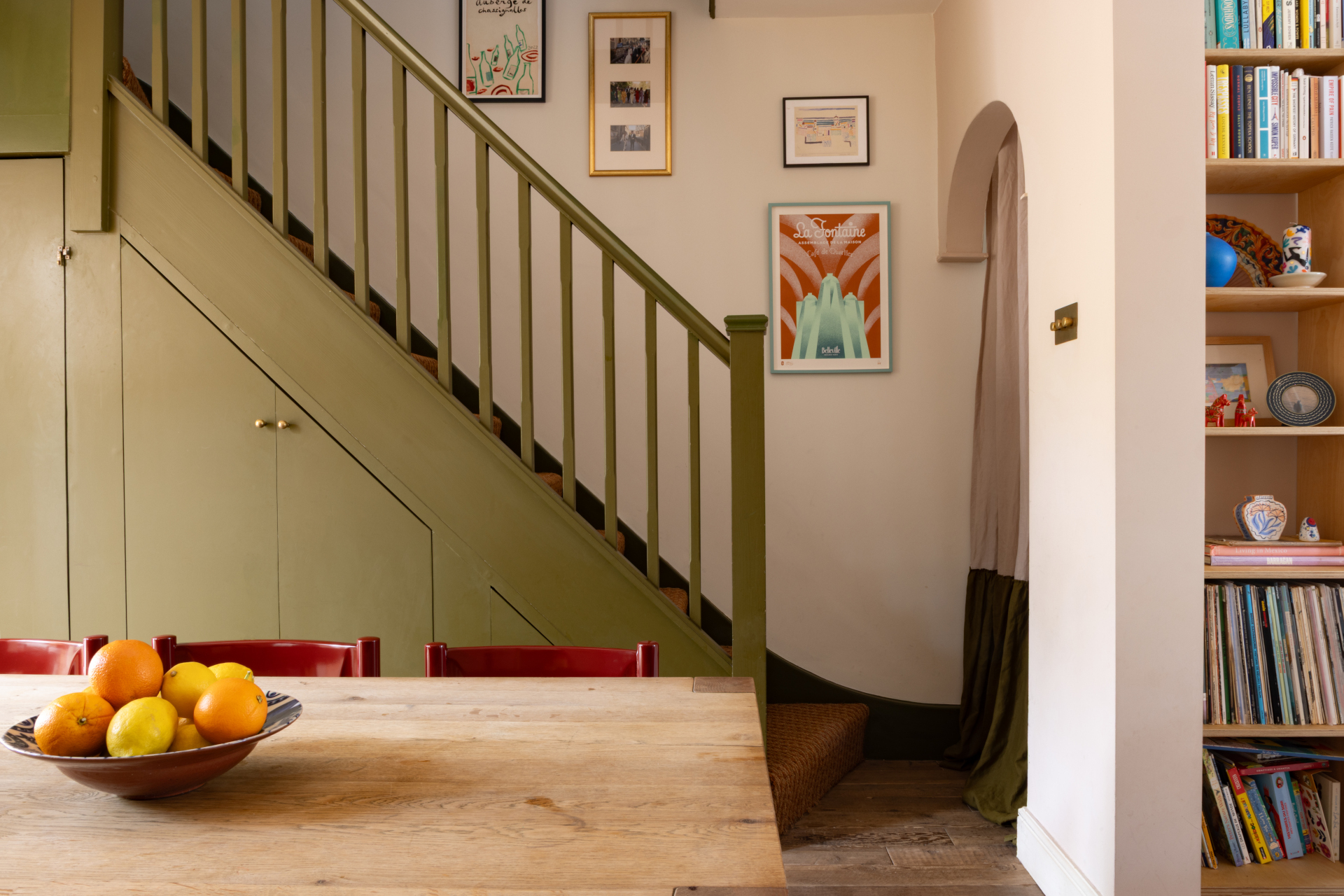
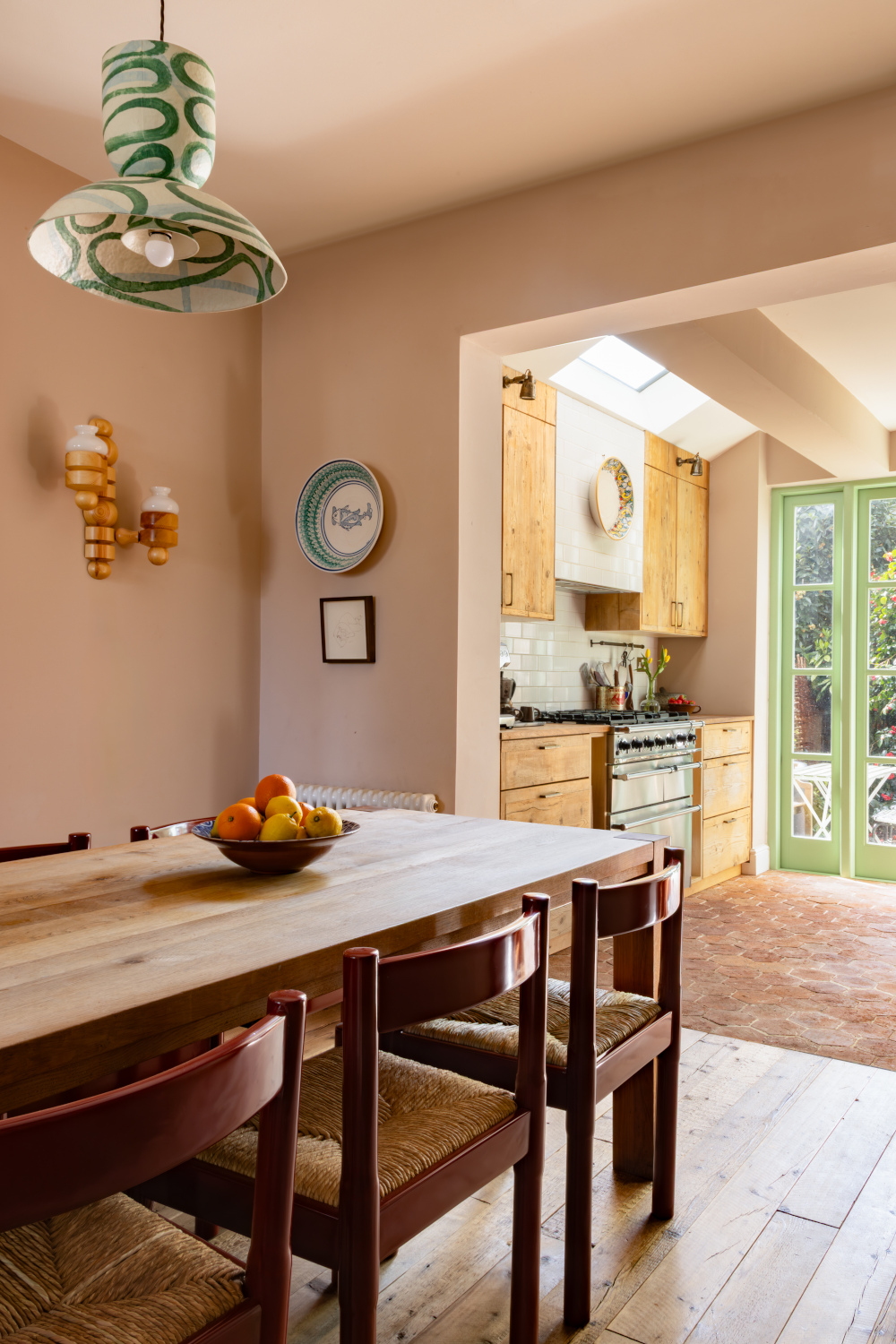
At home, in our open plan ground floor. We live in a small Victorian terrace and love cooking and having people over, so opening it up felt essential. That said, I’m not necessarily a huge advocate for open plan living – I generally like spaces to feel defined so we were careful to create distinct zones for the kitchen, dining and soft seating areas.
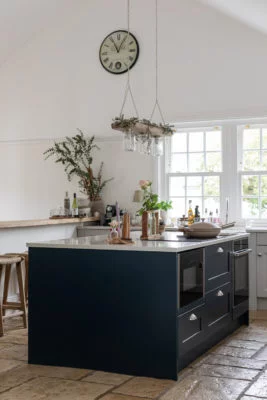
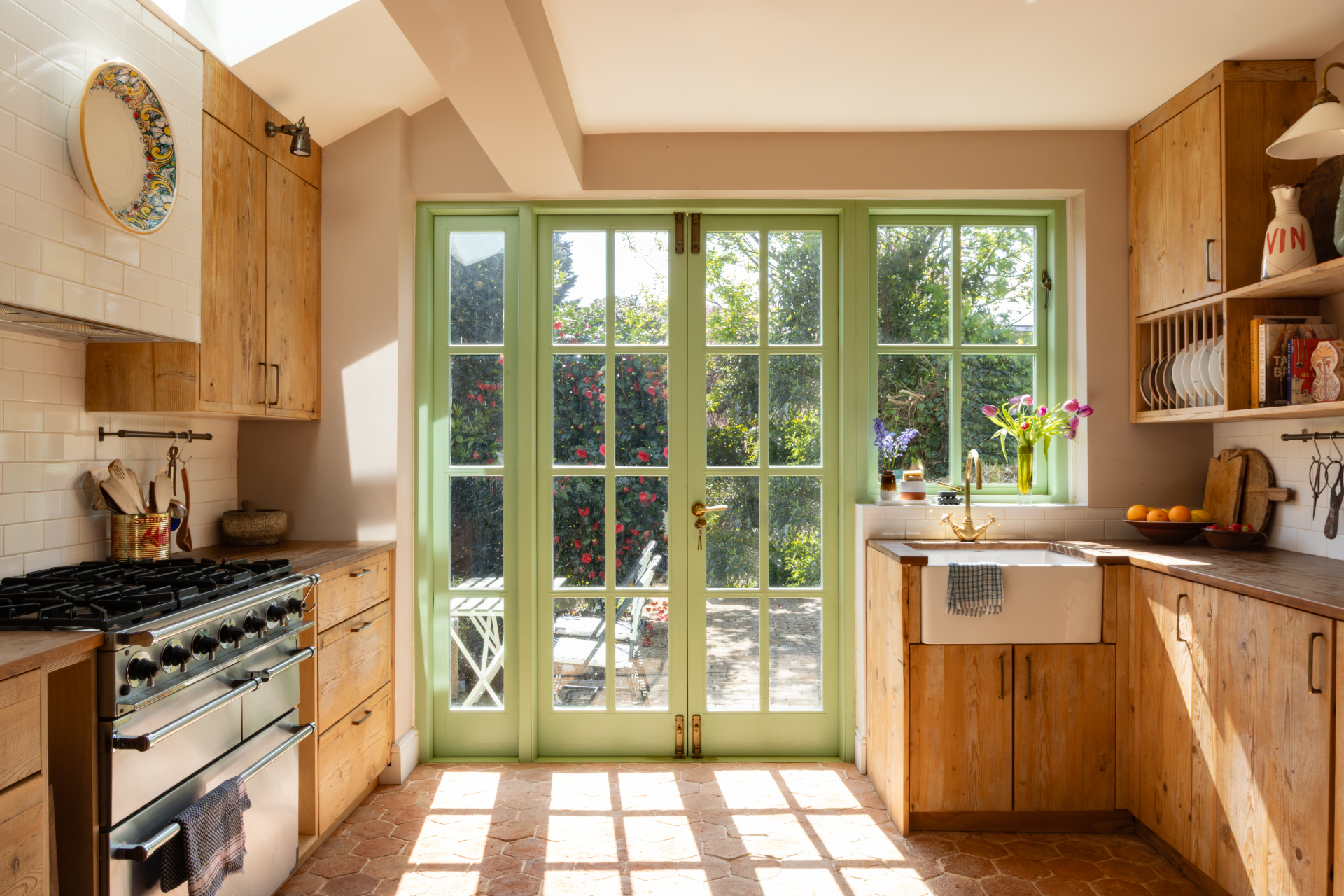
Of the three, I’m especially fond of the kitchen. It was something of a labour of love for various reasons. We used reclaimed cheese-aging boards for the door fronts and reclaimed iroko from old school science blocks for the worktops, so it has real depth and character. We moved back from France to this house in London, and people often comment that the kitchen has a slightly rustic French sensibility.
Is this a space you like to host guests in, or wind down in?
We love to use the space to both host and unwind in. It’s a great space for hosting as there’s just enough room to cook and still feel part of the conversation, but it’s also the heart of family life. It’s where the children weave in and out of your legs, where someone can be perched at the table chatting, and where everything seems to converge. In summer it really comes into its own, with the double doors thrown open to the garden and the whole space spilling outside.
Studio Alexandra (photo by Freya Llewellyn Smith)
What makes it the best setting for a night in?
The kitchen is relatively generous for the size of the house, which means you can have people gathered around while you cook without it feeling crowded. And, obviously I would say this, it’s also a good-looking room. The colours in the space really lend themselves for atmospheric low lighting and flickering candles in the evening.
I paid particular attention to layering different levels of light. I am a big believer in low-level, atmospheric lighting rather than anything too harsh, and it transforms the ground floor in the evening to feel super cosy and intimate.
Tell us about a ‘wow’ feature that you love to show off.
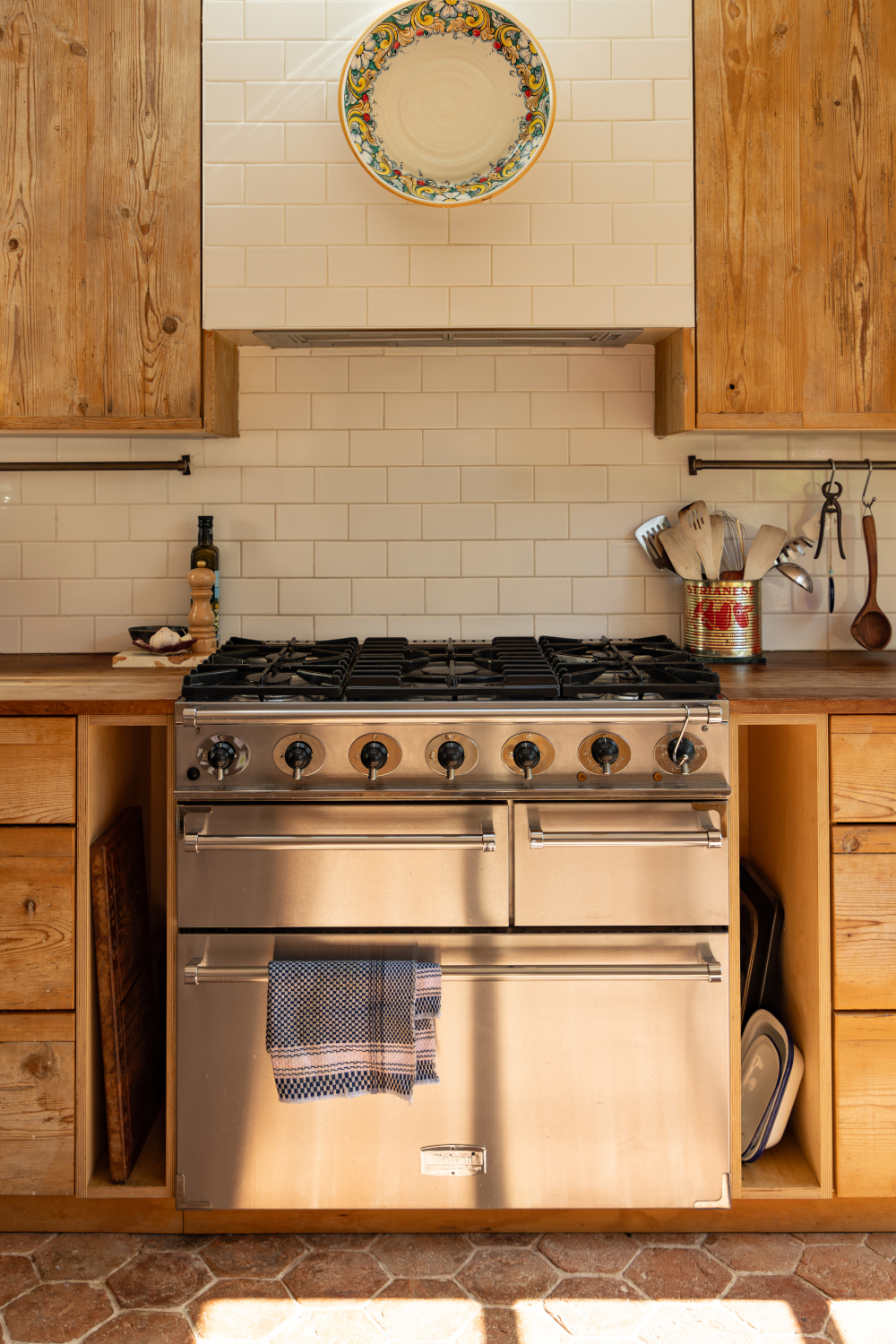
Probably the joinery. Although not super high spec, the reclaimed cheese boards make the kitchen feel as though it’s always been there; you can still see the faint circular marks where the cheeses once sat and aged. There’s something very satisfying about materials that carry their own history.
The bright pistachio-painted timber-framed glazed doors that lead to the garden also draw the eye. The colour is slightly unexpected and quite bold, but it works well against the rest of the palette, they lift the rest of the scheme and create a real focal point.
Studio Alexandra (photo by Freya Llewellyn Smith)
What was your best buy for your space, and why?
Our enormous stainless-steel range, which we found on eBay before any building work started. We had to bring it in while the staircase was removed – there’s absolutely no chance it’s coming out again without a crane. It felt slightly mad at the time, but it anchors the whole kitchen and makes cooking for lots of people genuinely enjoyable.
What does the space say about your personal design style?
That I’m drawn to the slightly unexpected. I care deeply about authenticity and materials, and I’m always looking for ways to elevate something humble or reclaimed into something beautiful. I like spaces that feel layered and lived-in rather than overly polished, and rooms that subtly tell a story.
Studio Alexandra (photo by Freya Llewellyn Smith)
Do you prefer staying in or going out?
With two small children, staying in currently wins by default. Before moving here, we spent four years in Paris and were out constantly, usually to a neighbourhood bar followed by somewhere relaxed for dinner. Nothing flashy, just great food and a warm, buzzy atmosphere.
Now, a cosy night in tends to revolve around cooking, opening a bottle of wine and hanging out at the table long after the children are asleep. It’s a different pace, but no less enjoyable. (Well, that’s what I’m telling myself!)
Why is spring such a good opportunity to give your home a reset?
The shift in light is a game-changer: as we get more sunlight, we suddenly feel more energised and see a new slant on our surroundings. Natural light has a way of highlighting what’s working and what isn’t. I think it feels like a natural moment to reset rather than overhaul, much more so than on 1 January, where I tend to want to disappear further into hibernation.
Studio Alexandra (photo by Freya Llewellyn Smith)
And what does a spring reset look like for you?
In a small house, it’s largely about creating space. Packing away winter clothes, editing toys is a huge one for us, and generally restoring some sense of order. There’s always a slightly optimistic attempt at improving the garden too – even just planting something fresh so there’s something lovely to look out onto.
Which space is your favourite to tackle (or the most challenging)?
The ground floor, without question. It has to function as kitchen, entertaining space, family room and general life admin zone all at once. It works incredibly hard, which means it also absorbs the most clutter. Resetting it is deeply satisfying, but it does require discipline and finding a free window of time where everyone is out.
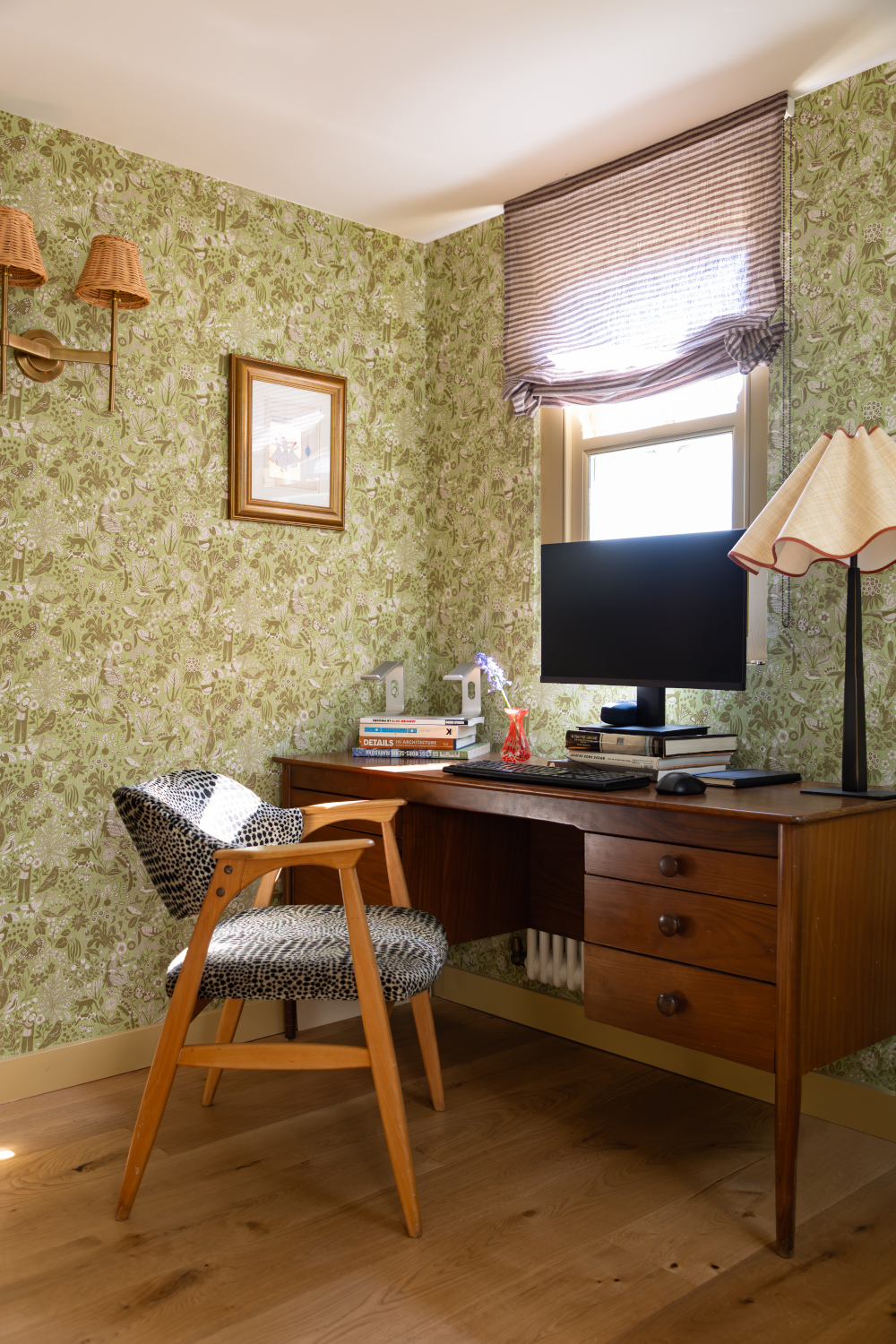
Studio Alexandra (photo by Freya Llewellyn Smith)
What are your top three tips for getting started on a spring reset?
- First, focus on one area at a time, don’t try to tackle the whole house in a weekend.
- Second, remove everything before deciding what goes back. It’s much easier to edit when you can see the volume of what you actually have.
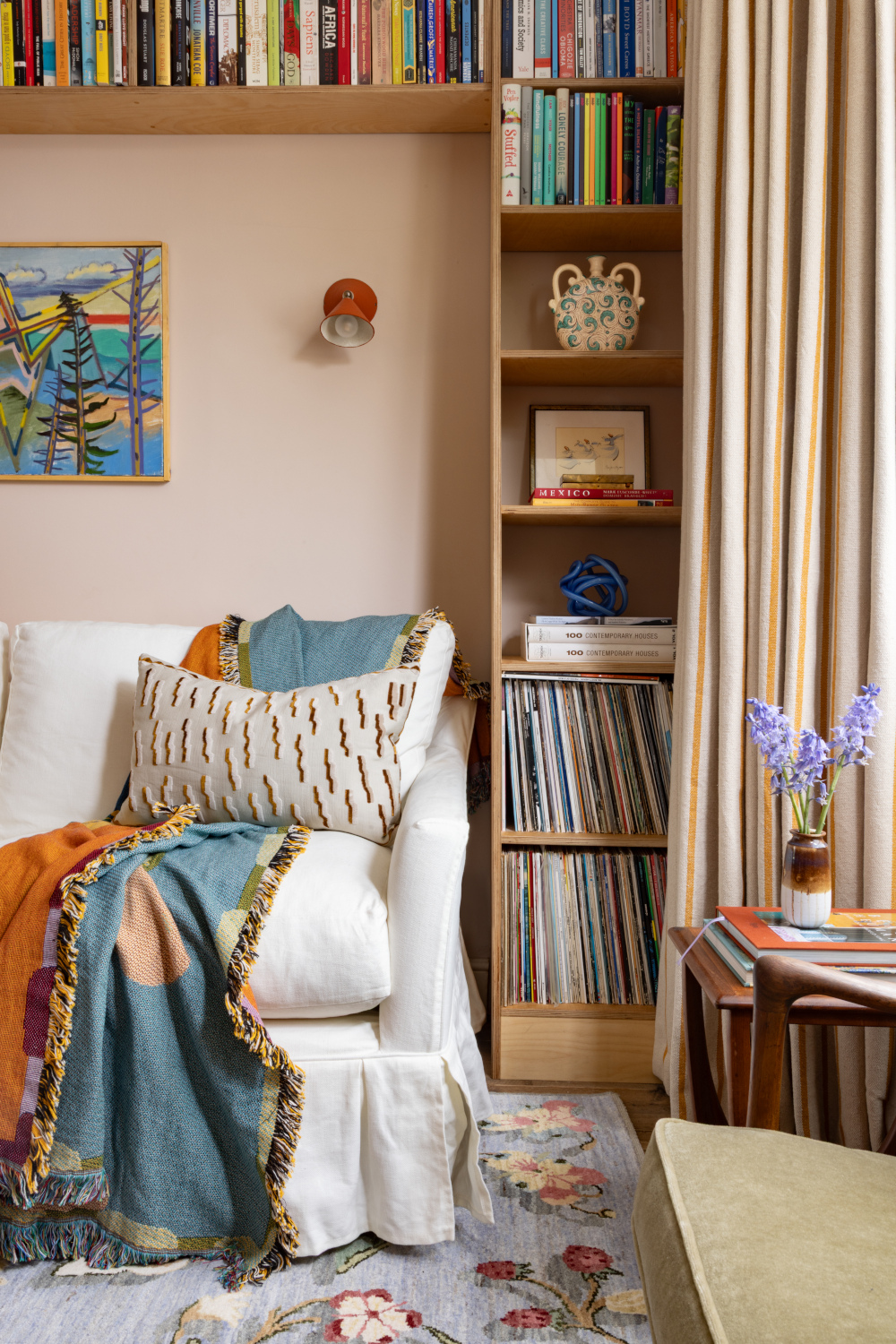
- And third, if you have an option to, think seasonally. Swap textiles, lighten colours, change lampshades or table linens. Small shifts can transform the mood of a space without major expense. A quick win for this swapping out the thickness of blankets on sofas.
Anything we should avoid?
Avoid turning it into a grand reinvention. A reset should feel manageable and energising, not exhausting. I also try not to buy lots of new storage as a first response, often the issue isn’t a lack of containers, but simply too many things and buying more things isn’t going to solve your problems.
That a reset doesn’t have to be dramatic to be meaningful. Even small acts like rearranging a shelf or editing one cupboard space can shift the atmosphere of a home. It’s about creating a backdrop that supports daily life, not striving for an unattainable ideal and not spending loads of money for a fleeting phase.
What is the most satisfying part of doing a spring reset at home?
That moment in the early evening when everything feels lighter, the windows are still open and the surfaces are clear (rare in our house!). The house feels calmer, and by extension so do you. It’s less about perfection and more about clarity.