


Here’s Why You Should Prioritise Comfort When Designing Your Home
By
2 minutes ago
Forget Insta-perfect rooms – it is how a room makes you feel that matters, says Hatta Byng
Picture-perfect interiors may be pleasing on the eye, but designers recommend placing comfort above aesthetics when crafting your spaces. But how to put this into practice?
How To Design A Home That Makes You Feel Good
With the excitement of a new project it’s all too easy to get swept up in choosing paint colours and pulling together Pinterest boards of glorious inspiration. But have you really thought about whether your room is actually going to work for your needs or – more nuanced but equally vital – how it will make you feel?
Of course beautiful things give us pleasure and make a room inviting. But as designer Rita Konig urges in her course for Create Academy, we must start with being honest with ourselves as to how we will use a room and what sort of life we lead. You may have visions of yourself sipping cocktails with friends on your white linen sofas in an elegant drawing room, but if you live in a small flat with two young children who are also using the space, it is not going to work. It will be deeply disappointing when sticky hand prints appear on the sofa and you are tripping over bits of Lego more often than you are enjoying a dirty martini. When I ask designer Lucy Hammond Giles – who to my mind creates very beautiful, special rooms – if there is ever a case to put aesthetics before comfort she replies emphatically ‘never’. She is adept at finding the most elegant – or fun – solutions for the trickiest problems.
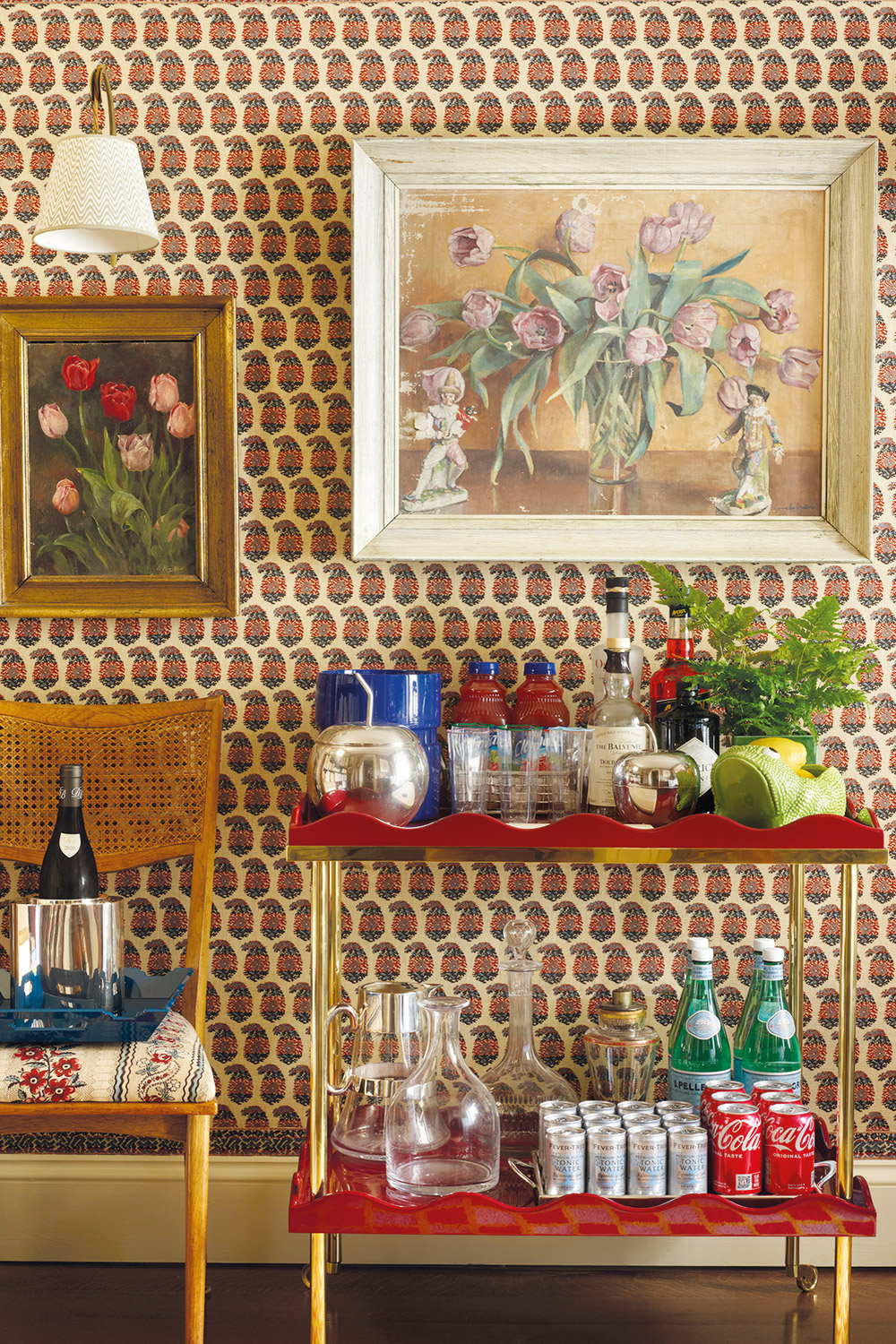
(c) Rita Konig
Obviously one person’s idea of comfort can be very different to another’s. Veere Grenney talks about the importance of harmony and balance in a room and its effect on its inhabitants. Others want colour, patterns and layers to feel cocooned and nurtured, things which make the architect William Smalley, who strives for ‘quiet’ in the buildings he creates, feel positively uncomfortable. But while Smalley may prefer more pared back interior design, comfort is still vital. ‘Possibly the whole point of architecture is to provide comfort, to make spaces that are comfortable to be in and answer the simple question for a client: “Do I like being here?”’ He suggests everyone needs a window to sit at. ‘In fact I think more architecture should be about sitting at windows.’
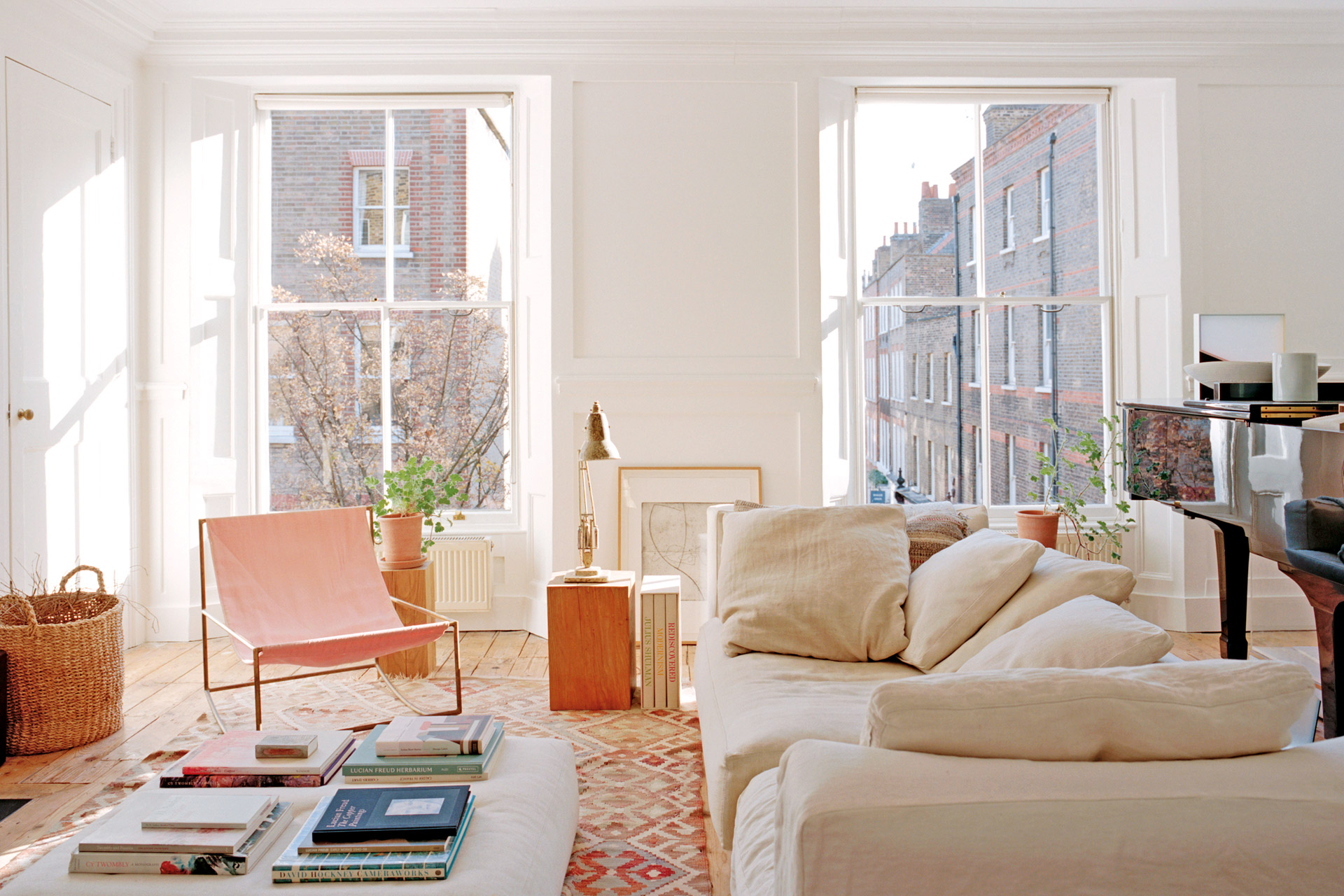
(c) William Smalley
I am a huge admirer of the peace Smalley creates within his buildings. But I realise where I feel most comfortable, most ‘at home’, is in a rather different sort of room – lying legs up on a shabby sofa in front of a roaring fire, watching telly with our dogs curled up beside me. The size of the television (chosen by my husband) is a constant source of angst and in the cold light of day the sagginess of the sofa irks me too. It is far from perfectly decorated but there is comfort in the fact that I really don’t worry about the dogs or the children doing whatever they want in this room. And the overall feeling of the room – if you avert your eyes from the television – is one of prettiness and warmth. The wallpaper is Camellia – a muted floral – by Flora Roberts for Hamilton Weston and it makes me feel happy and the curtains are made of a wonderfully soft cotton check that a friend kindly had woven for me in India. It is – to answer Konig’s brief – a room that works for us, and – to answer Smalley’s – it makes us feel good.
Top Tips From The Designers
While this all may sound intangible, there are some obvious stepping stones to comfort. ‘Start with the furniture plan’ is Konig’s mantra as it becomes the building blocks for everything else. Making sure there are enough places for guests to perch in your sitting room (be that a sofa, a fender or the ottoman), ensuring there is somewhere to put a drink and a lamp where you need it and so on, are all considerations that make a room work. ‘An ugly table can be jolly useful,’ Konig points out. ‘It is better to have an ugly table than nowhere to put your drink.’ So don’t get rid of your less loved furniture too quickly.
Hammond Giles draws my attention to the fact that lighting is also key to how we experience a room and a useful tool for manipulating mood. You must make it work for how you want to use a room, she stresses. Too much light is uneasy making, and too little light to read a book in your chosen armchair is infuriating. She advises having layers of lighting – lamps and wall lights, and a sparing use of overhead lighting – on different circuits that can be turned on and off as needed. And warm bulbs (2200k to 3000k), always.
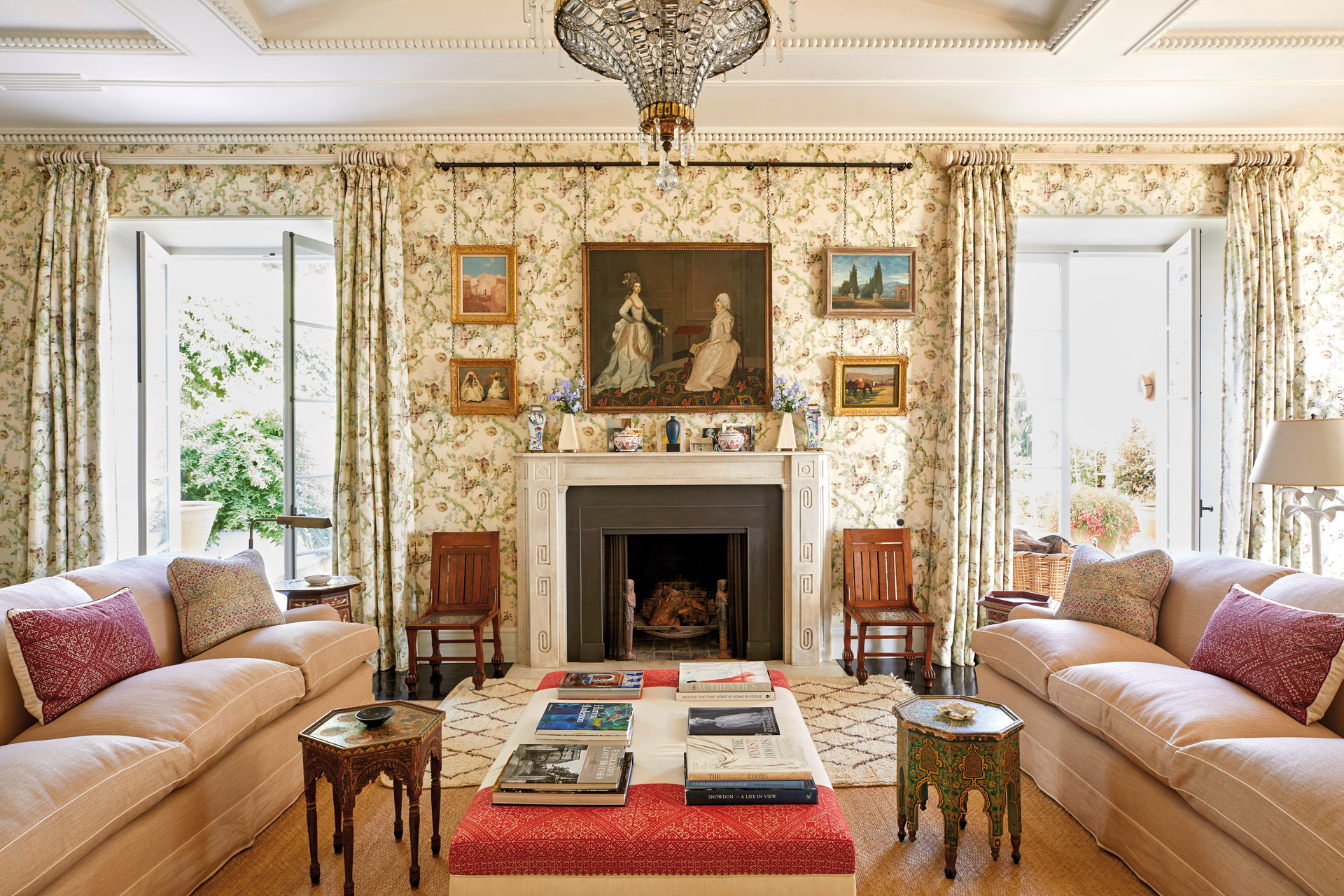
(c) Veere Grenney
Obviously at a certain level, comfort can cost a lot of money: cashmere throws, fine Italian linen, down fillings for cushions. Hammond Giles suggested a mix of feather and down when she helped me with our smarter sitting room. It is double the price of standard fillings though, so sadly in the end only one sofa got such luxurious treatment. There is no doubt, however, that if people are with us for any length of time, this is the one they gravitate to.
Budget aside, the simple message is that an Instagram-worthy room is no good at all if it is uncomfortable. Work out what you want from a space, how you will use it, and what makes you feel happy before you start picking up the paint chart or gathering fabric swatches. Comfort – be that the sofa you sit on or the feeling you get as you walk into the room – is crucial.