


8 Blooming Amazing School Kitchen Gardens
By
44 minutes ago
The outdoor spaces at these British schools are perfect for growing fruit, veg, and confidence in nature
A good education is so much more than academics: learning practical life skills and developing a connection with nature is key for children’s development. For this reason, many independent schools have dedicated gardens where pupils grow all sorts of plants, flowers and produce. Taking care of these gardens teaches responsibility while helping children understand life cycles as they watch crops grow and change through the seasons.
One of the best parts is, of course, an abundance of fresh, home-grown food. Whether in the middle of the countryside or on a busy city street, schools all across the UK are proud to grow fruit, veg and herbs on their grounds, which are then used in school meals or given to pupils to take home to their families. But which schools have the absolute best facilities? For the School House Spring/Summer 2026 issue, Evie Calver highlights eight schools with blooming amazing kitchen gardens.
The Best School Kitchen Gardens In The UK
Walhampton School, Hampshire
Walhampton School, Hampshire
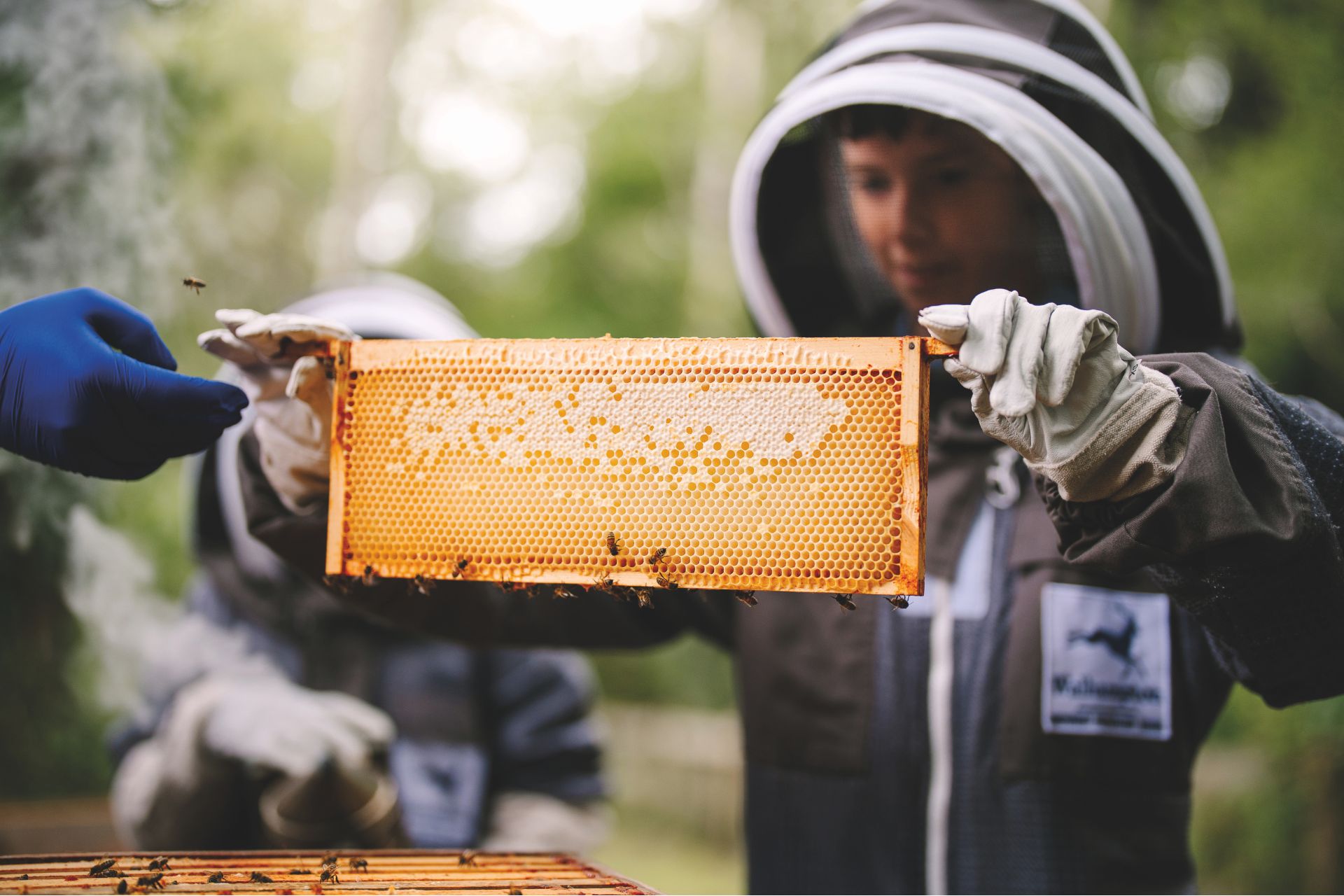
Walhampton pupils grow fruit, vegetables and herbs in a variety of ways: in raised beds, in the school greenhouse, on espalier trees and in keyhole gardens. There are three beehives, from which the children harvest honey as part of a beekeeping programme. All this fresh produce is regularly used in school lunches as well as in the curriculum, helping pupils understand healthy eating, food chains and the life cycle of plants. There are also mental health benefits: ‘Gardening is an invaluable opportunity to have side-by-side conversations, which contribute massively to mental wellbeing,’ explains sustainability lead and head of science Amy Marshall. ‘And our boarders love to be involved on weekends, especially if they’re many miles from their garden at home.’
Pinewood School, Wiltshire
Pinewood School, Wiltshire
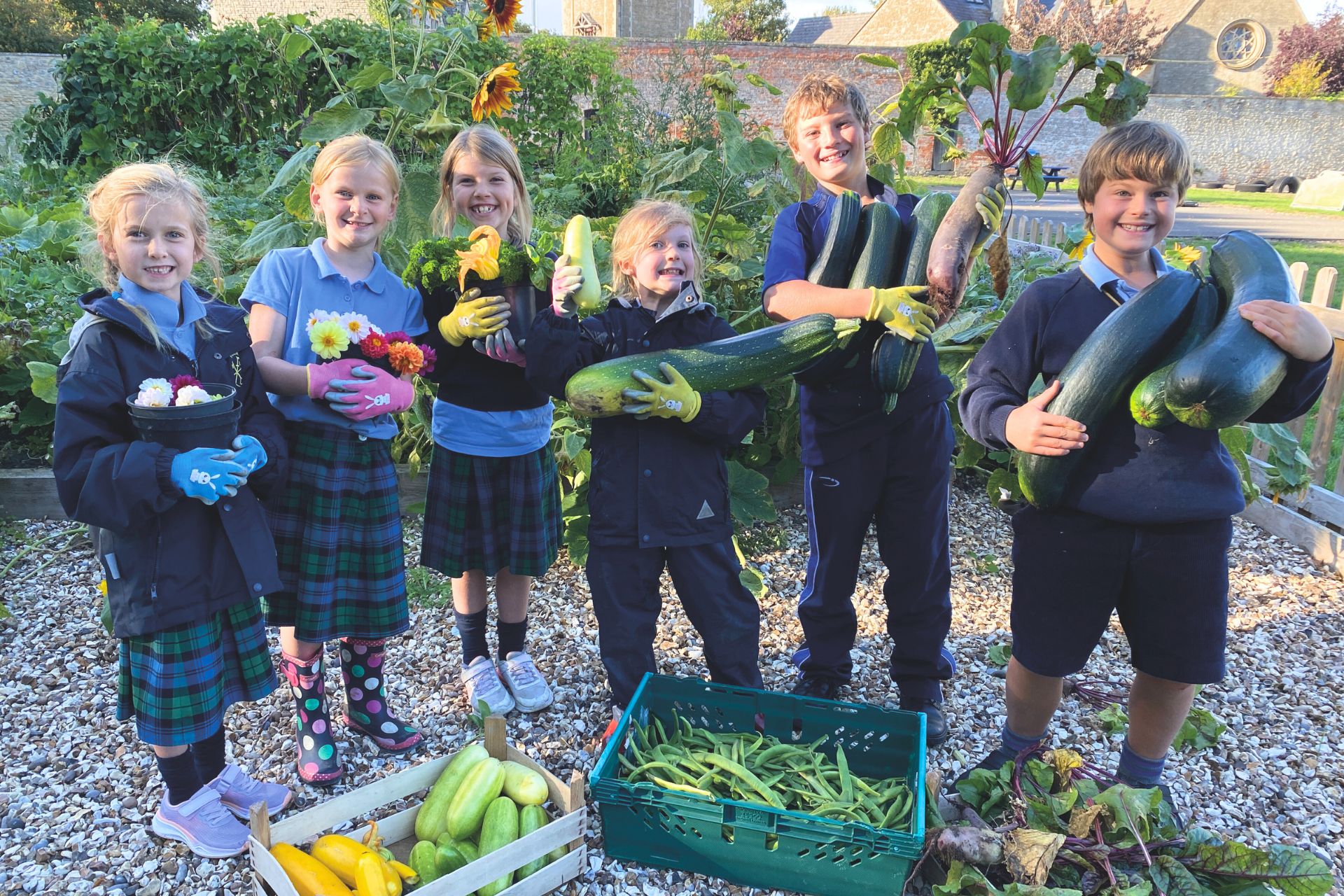
‘At Pinewood, we believe food should nourish both body and mind,’ says headmaster Neal Bailey. ‘Our kitchen garden brings this philosophy to life.’ Both pre-prep and prep children tend to the garden, growing seasonal vegetables, fruit and herbs in raised beds, on trees and inside a 30ft polytunnel. This fresh produce is regularly used in school meals prepared from scratch by school chefs, with seasonal menus developed alongside a child nutritionist. A popular tradition at Pinewood is the annual pre-prep potato growing competition; while only one class is declared the winner of the heaviest vegetable, roast potatoes are enjoyed by all for lunch the next day.
Westbourne House, West Sussex
The 100-acre outdoor space at Westbourne House is important for supporting children’s wellbeing, with the school’s Friday gardening club giving year threes and fours a calm activity to focus on at the end of the week. ‘Perhaps they are struggling with friendships or just need a bit of quiet, mindful time,’ says head of science Dan Brown. ‘They always walk away with a smile on their face.’ Growing food also teaches pupils that reward is born from effort and patience. From collecting berries in the autumn, to harvesting tomato seeds, to eating freshly made apple crumble or pumpkin soup, children from nursery to age 13 are constantly getting stuck into what the school’s gardens have to offer.
Dolphin School, London
Dolphin School, London
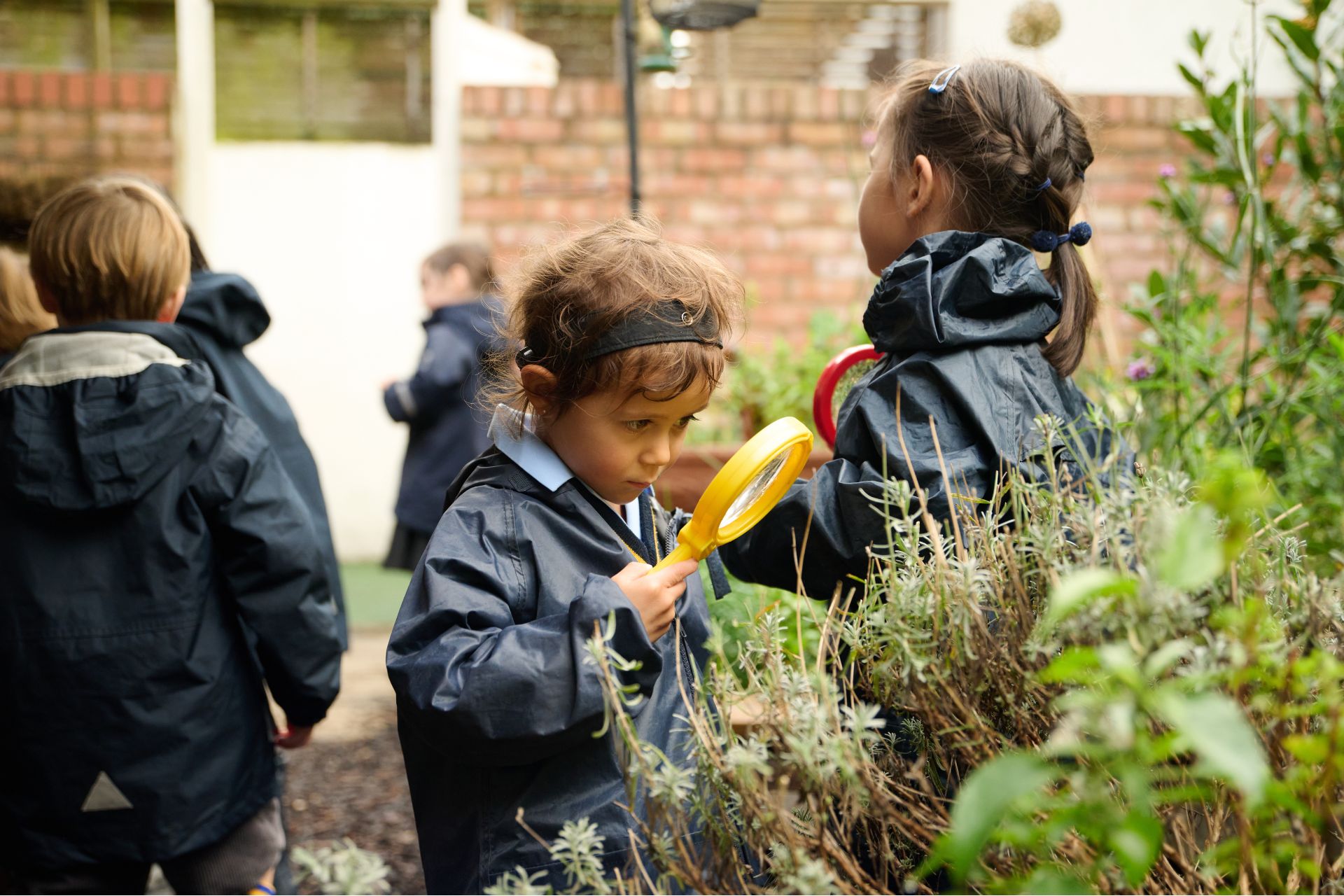
There are three raised beds in the Dolphin School garden, with each class taking care of half a bed. Pupils grow a wide variety of fruits and vegetables – beetroot, potatoes, beans, peas, strawberries and apples, to name a few – as well as herbs like sage, rosemary and thyme. ‘This gives opportunities to talk about the medical and healing properties of herbs,’ explains garden coordinator Vivienne Benson, ‘and engenders real gratitude to have such plants in our world benefitting humanity.’ As well as eating the crops when they ripen, pupils from nursery to year six enjoy the process of planting and watering, and are enthusiastic about sharing their knowledge with each other. ‘The garden is also wonderful for children who need some space from the classroom,’ Benson adds. ‘It’s a real calming environment amid nature.’
Downsend School, Surrey
The garden at Downsend is as much for learning as it is a space for pupils to relax and play with friends. Children enjoy digging, painting stones and making dens, and the garden is also a valuable resource for understanding life cycles and healthy eating. ‘A key benefit of growing vegetables from seeds is the children are really keen to try what they have grown,’ says eco lead Natasha Ludlam. ‘Kale salad suddenly becomes very exciting when you grew it yourself!’ Year threes keep a bean diary to keep track of the seed germination process, before planting the beans in the school garden or at home.
Highfield & Brookham, Hampshire
Highfield & Brookham, Hampshire
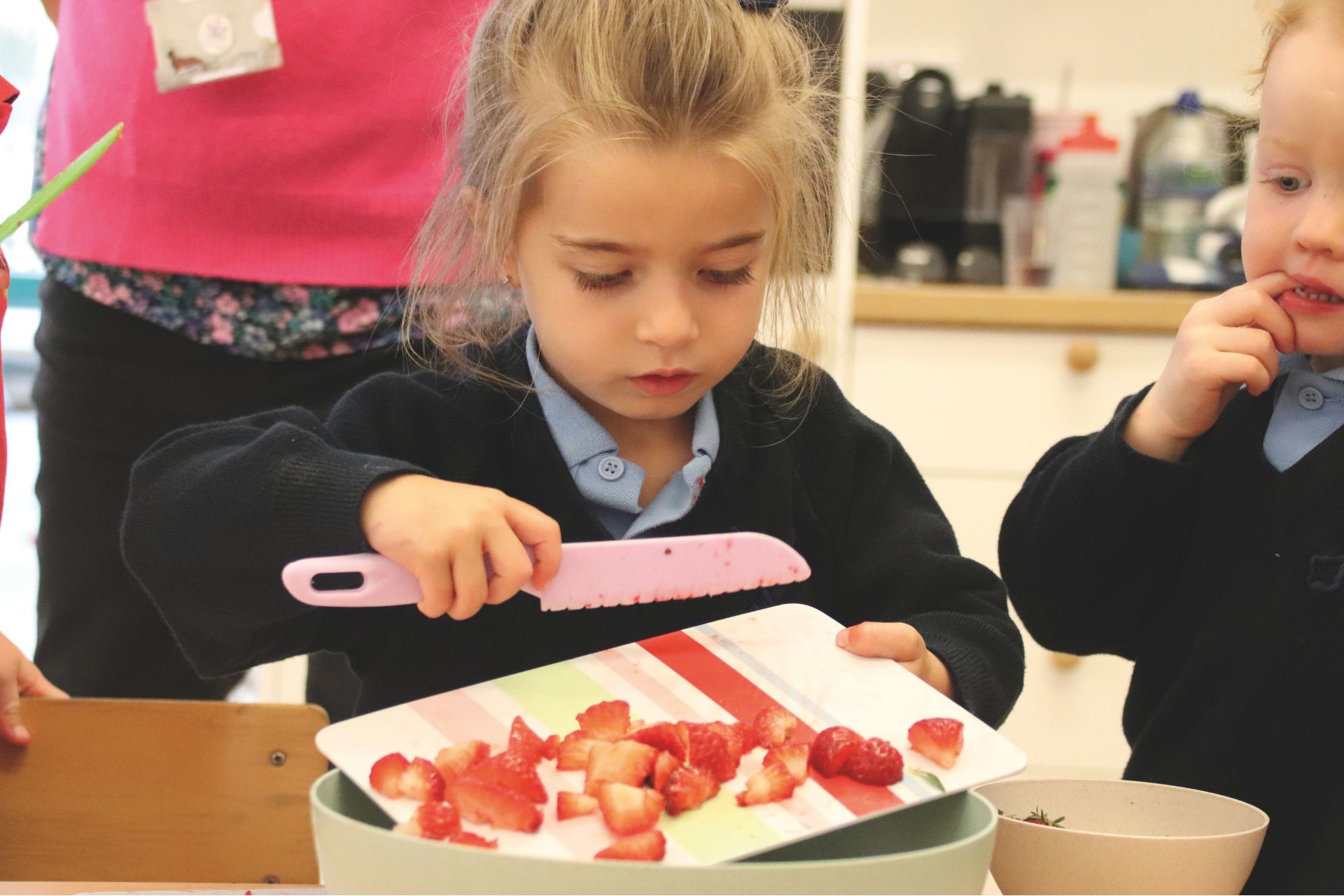
‘Gardening starts early at Highfield and Brookham,’ says nursery manager Rosie Snagge. Growing and planting activities take place throughout the year in the nursery, with young children involved in planting, watering, weeding and harvesting vegetables and fruits in the garden’s raised beds. As well as teaching pupils about the natural world, these activities ‘foster responsibility, patience and care for the natural world’, Snagge explains. When the crops are ready, pupils use them in cooking and baking (vegetable soup, strawberry jam and tomato muffins are all firm favourites), helping the children understand where food comes from and how it contributes to a healthy body.
Sandroyd School, Wiltshire
Sandroyd School, Wiltshire
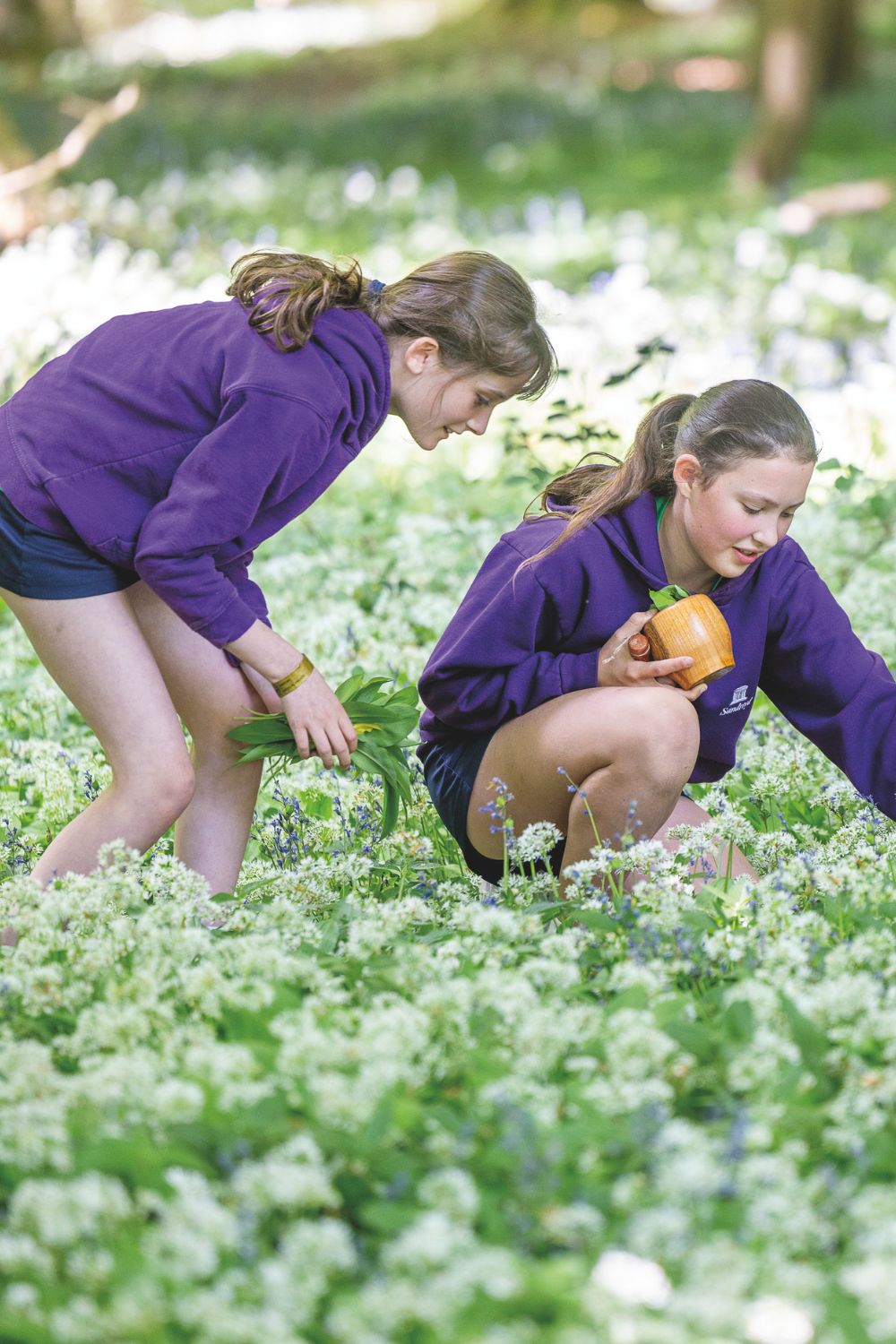
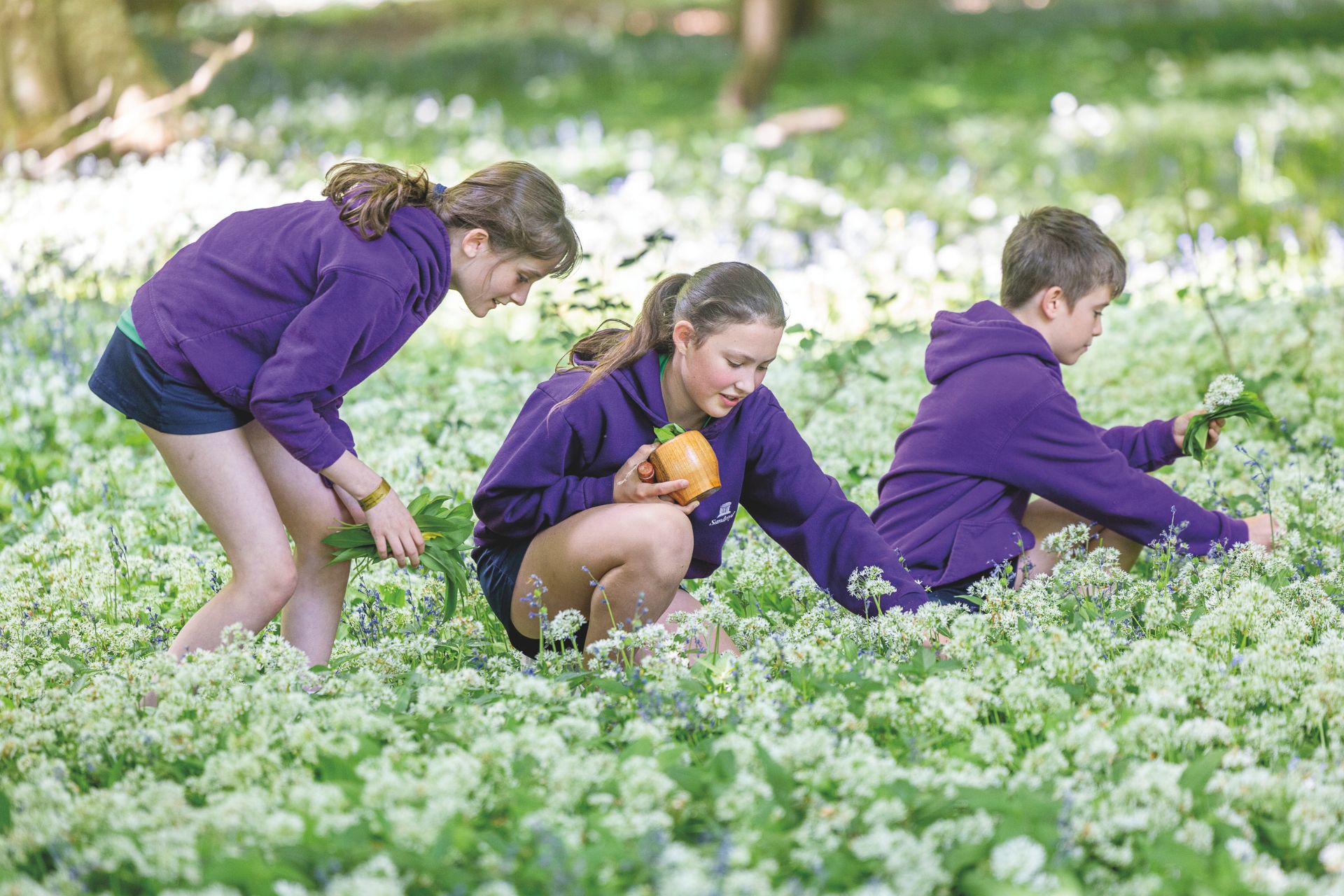
Five hundred acres of lush grounds give Sandroyd pupils plenty of space to grow all kinds of fresh produce. Apples and pears from the walled garden are squeezed into juice or turned into stewed desserts, while vegetables like broad beans, peas, garlic and radishes are grown in raised beds. ‘There’s huge excitement at harvest time,’ says head of outdoor learning Karen Campbell Hill. ‘Even the pickiest eaters are eager to try new flavours when they’ve grown the food with their own hands.’ Pupils of all ages are involved in growing, harvesting and cooking their crops, with nursery children often making lunch on the campfire after spending the morning foraging mushrooms or collecting blackberries. Older children are taught how to whittle their own knives and tools and learn how use them to prepare food in the wild.
Hampton Court House, London
The community garden at Hampton Court House was established in 2022 by two parents who share a love of gardening and the environment. Built using recycled materials, the garden follows a no-dig approach, which reduces carbon release and enhances biodiversity in the soil. As part of a dedicated gardening club, pupils aged five to 11 use the garden to grow foods including courgettes, cucumbers, raspberries and plums. These fresh crops are used from time to time in school meals. Plants from the garden really became the star of the show last summer when, as part of an RHS Hampton Court Garden Festival exhibition, pupils created a ‘fairy wonderland’ bug barrel complete with various shade-loving species they had grown themselves.