


Equestrian Fashion Is Off To The Races – Why Riding Gear Is The Look Of The Season
By
5 months ago
Horse-inspired garb has taken the reins
2026 is the Lunar Year of the Horse, and it seem fashion has taken the brief literally. In March, Stella McCartney turned a riding school in the Bois de Boulogne into a Paris Fashion Week set piece. Five black horses and five white ones cantered into a sandy ring, weaving past each other in choreography before a single model emerged. The collection that followed showcased thigh-high riding boots, suit trousers reworked as stirrup pants and sequin dresses with hip bustles. Perhaps it was her direct tribute to the Lunar New Year, but it was also a reminder that she has been insistently dressing the equestrian woman long before the runways caught on.
And McCartney is not alone. At Hermès SS26, Nadège Vanhée covered the Garde Républicaine in sand and seashells and sent out leather harnesses, corseted minidresses and butter-soft riding boots in an equestrian style, but loosened and made unmistakably sensual. Chloé’s bohemian girl has gone preppy. Even Céline, under Michael Rider, has reached for the tailored riding silhouette. It seems that horses have finally taken the reins of the fashion world.
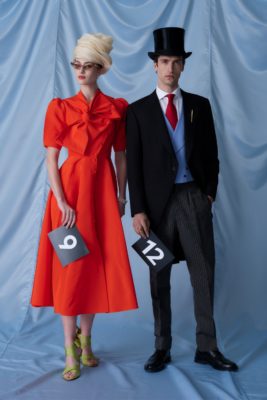
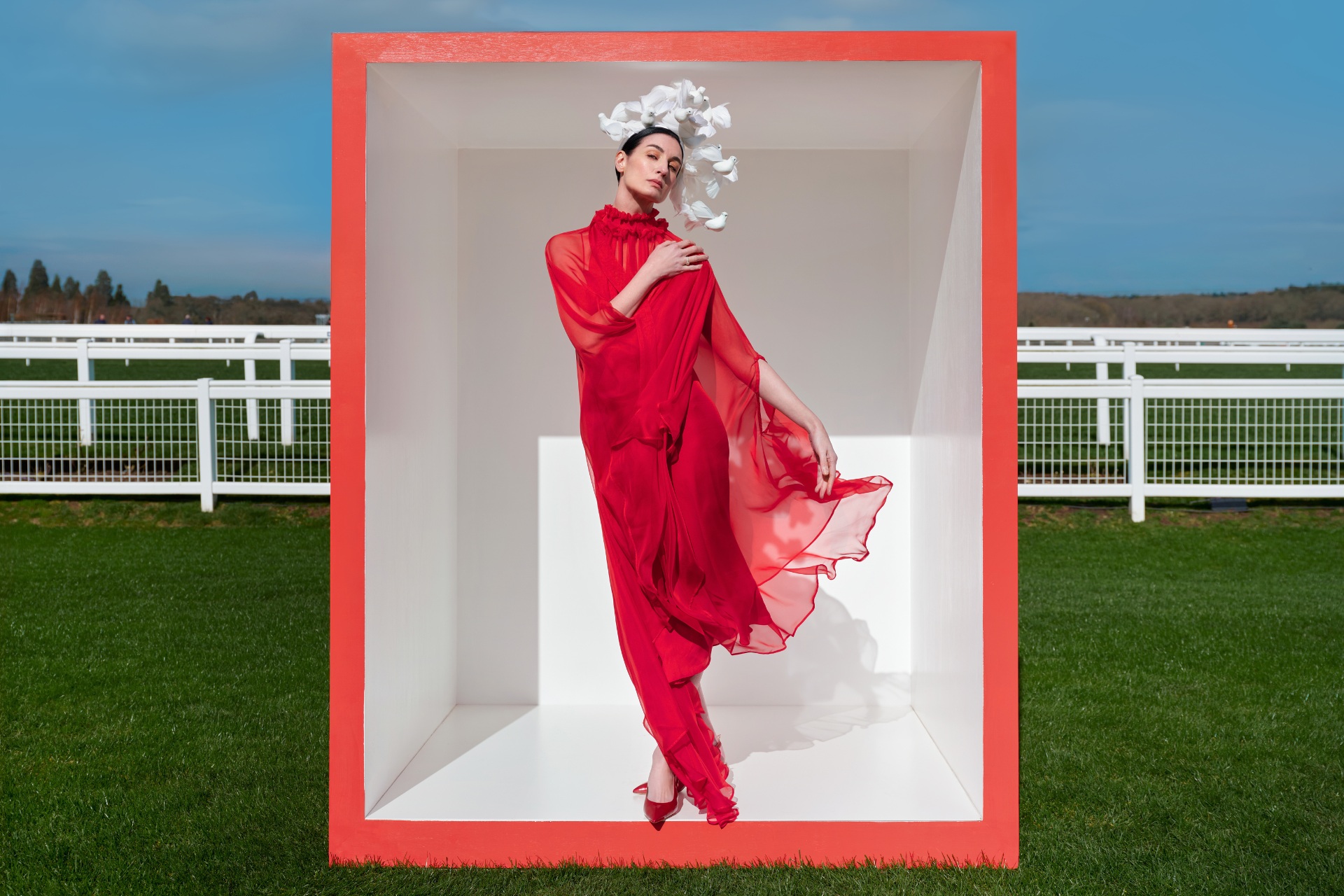
And the racing calendar has obliged. The flat racing season opened at Doncaster in late March, the Guineas Festival ran at Newmarket in early May, Epsom, Royal Ascot and Glorious Goodwood are still to come. The hats and boots are out. The question is… what is anyone wearing with them?
Royal Ascot Handbook 2026
Made In Norfolk, Worn In Manhattan
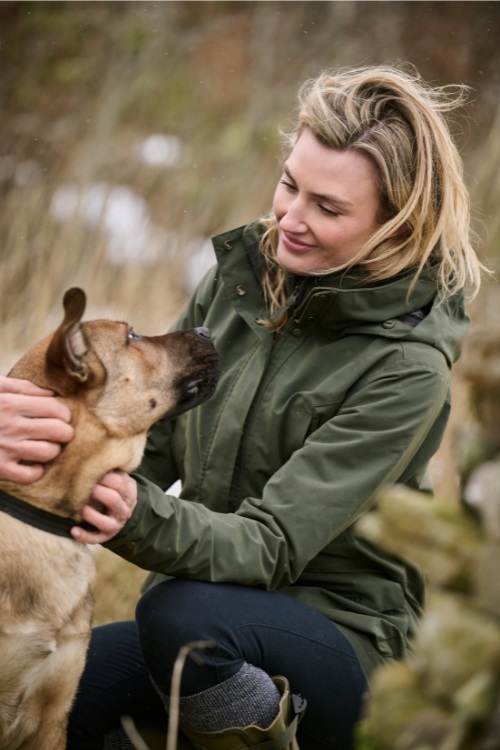
Speak to the British brands who have been doing this all along, and they will gently push back on the idea that equestrian style is trending. For Barbara Horspool, chief creative officer at Fairfax & Favor, it has always been there – it’s the visibility that’s changed.
‘Equestrian style has always existed as a quiet constant rather than a passing trend,’ she says. ‘It’s rooted in one of the oldest relationships we have – that between human and horse – so its design language naturally carries a sense of purpose, longevity and refinement.’
‘What feels different now is the visibility,’ she adds. ‘There’s a growing appreciation for craftsmanship and pieces that hold their place in a wardrobe over time. Saddlery and leather sit at the heart of this. Both functionally and aesthetically, which is why equestrian-inspired design continues to resonate so strongly. Rather than something new, it’s more a rediscovery through a modern lens.’
Fairfax & Favor
This rediscovery has translated into real commercial momentum. Fairfax & Favor’s customer base has broadened well beyond the riding community. ‘There’s a growing audience drawn to the aesthetic and the values behind it – craftsmanship, authenticity, versatility, and a renewed respect for the slower pace of life in the countryside,’ say Horspool. The US has become the brand’s fastest-growing international market with Americans are buying wholesale into the British countryside as a wardrobe and a worldview, purchasing their tweeds from Abraham Moon and sourcing their waxed cotton from Halley Stevensons – suppliers with centuries between them. ‘These elements carry a sense of story and substance that resonates at home and globally, beyond traditional riding contexts,’ Horspool explains.
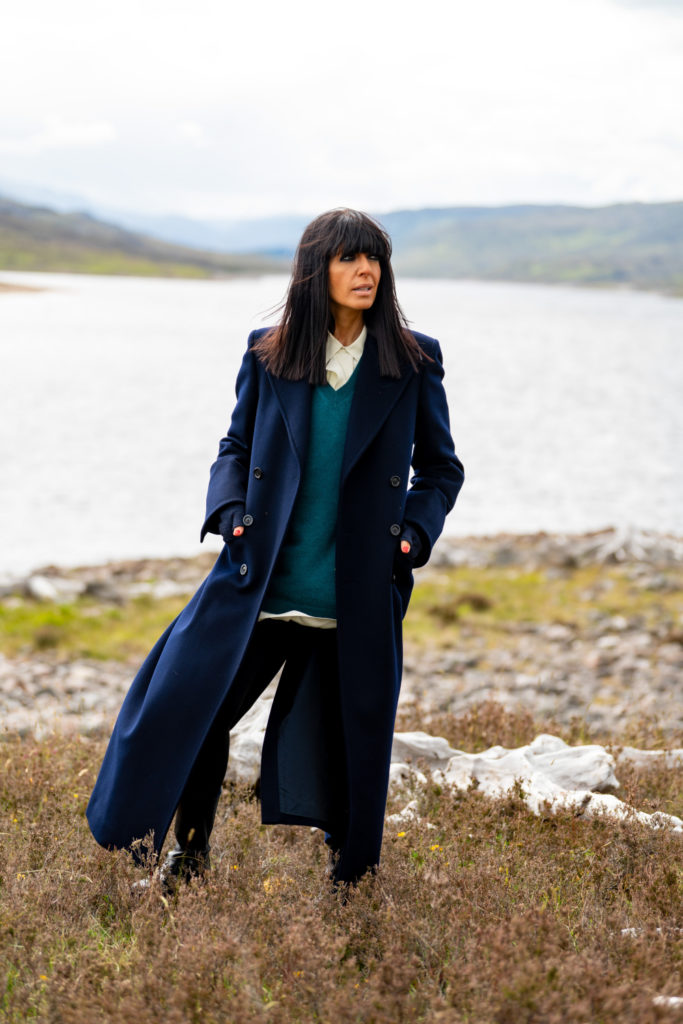
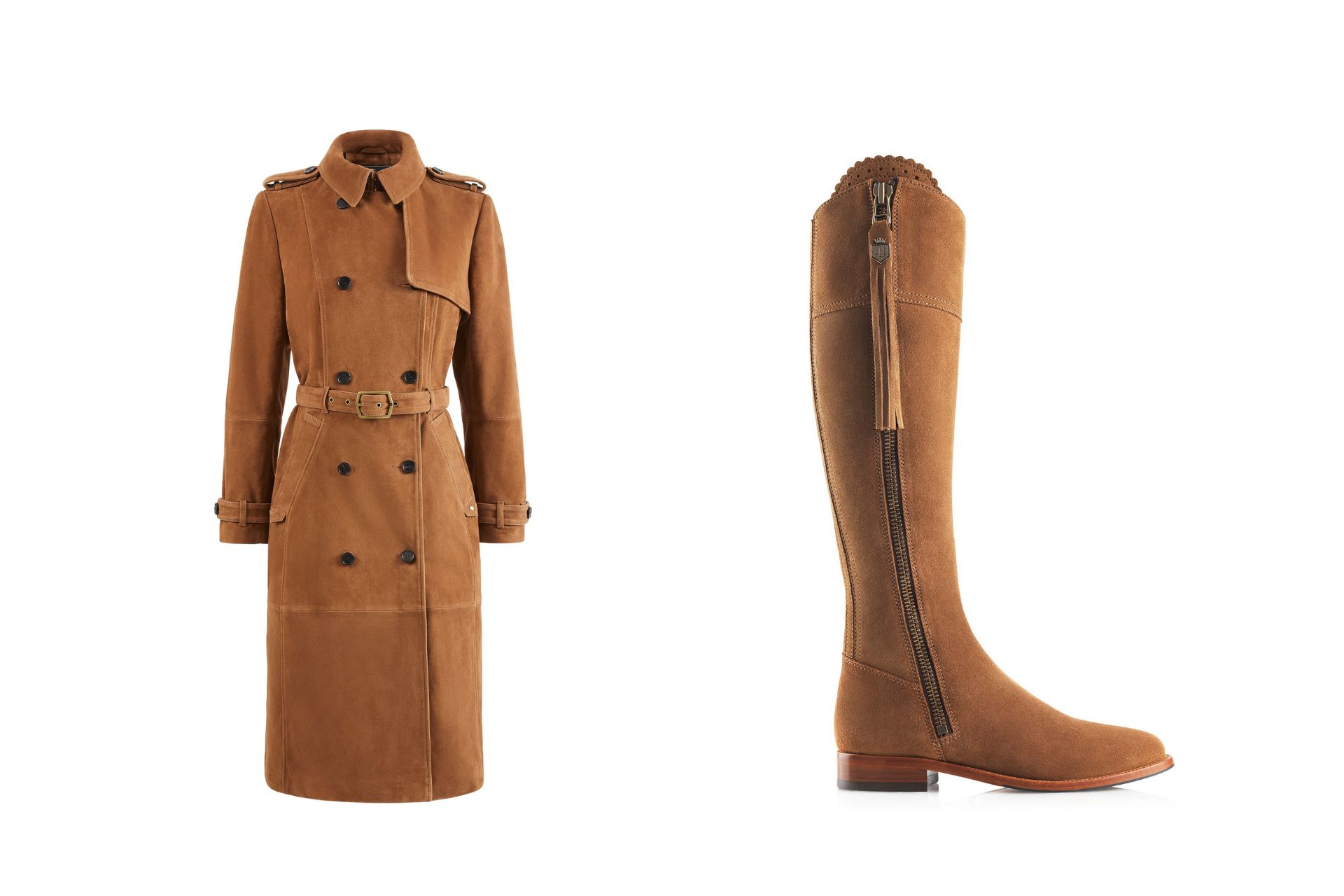
According to her, the pieces that anchor the brand’s 2026 expression aren’t about a single hero item. ‘It’s a mindset defined by materiality and craftsmanship.’ The Regina boot, for example, remains the cornerstone of the brand. It’s a traditional riding silhouette refined for everyday wear, often paired with the Frances trench, a favourite of customers, influencers and royals. ‘Together, they capture where our brand sits today: effortless style rooted in heritage, but worn with a relaxed, modern sensibility.’
Tweed, With Stretch
If Fairfax & Favor’s argument is one of continuity, Really Wild makes the case for evolution. Founder and chief creative officer Nadja Swarovski sees the move toward technical fabrics as the next chapter for heritage dressing. ‘There is certainly a growing appreciation for performance in fashion,’ she says, ‘but at Really Wild, we see it as an evolution rather than a replacement. Our customer values natural, authentic materials but expects them to perform effortlessly within a modern lifestyle.’
In practice, that means heritage tweeds woven with silk in painterly colours, knitwear from British mills, and tailoring with details like hidden stretch mobility seams or weather-friendly linings. These pieces are about function as much as form, designed for a woman on the move and increasingly one who has nothing to do with the sport at all.
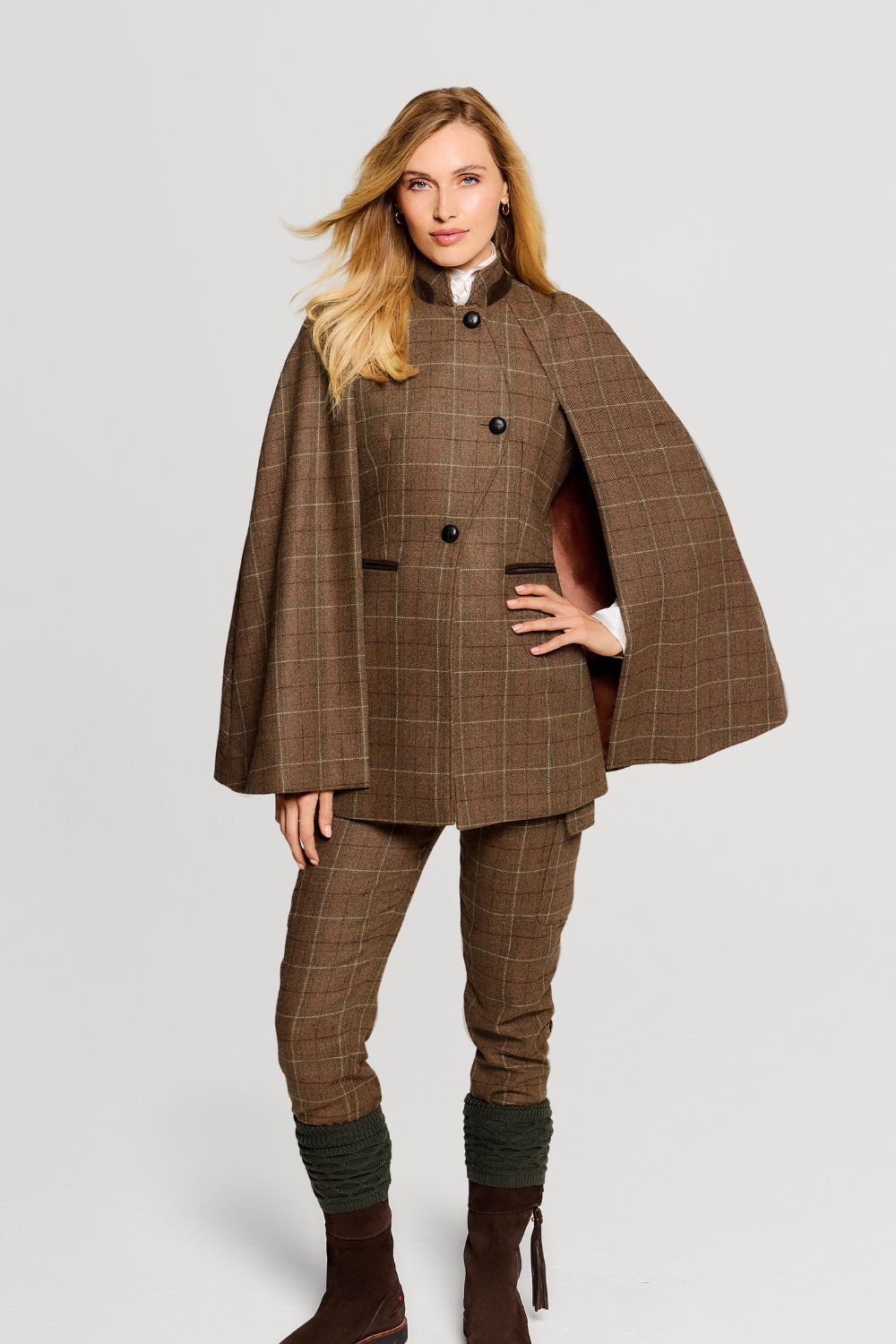
‘She is no longer defined solely by the sport itself, but by a broader lifestyle that blends country heritage with modern sophistication. Many of our customers are drawn to its aesthetic and values rather than the sport itself. It represents a way of dressing that feels grounded, elegant, and enduring.’ This season, the brand’s Safari jackets (‘a modern tribute to country style’) and a Balmoral cape have led the bestseller list, both designed for what Swarovski calls a ‘dual life’, for the woman who moves between equestrian event, countryside and city without changing register. Her one piece for 2026? ‘A beautifully cut cape or jacket, styled with a waistcoat. It captures that balance of heritage, practicality and modern elegance perfectly.’
Discipline As A Dress Code
Holland Cooper, meanwhile, is going somewhere different. Founded by the eponymous Jade Holland Cooper in 2008, the brand is now reportedly worth $90 million and has just launched a campaign starring Olympic gold medallist Laura Collett.
It seem the reference point has swayed from the country house to the podium. ‘For me, Laura Collett represents everything about the Holland Cooper woman,’ Holland Cooper said in the campaign’s press release. ‘Driven. Juggling multiple things. Busy. And needing to look put together for everything she does without having to spend lots of time thinking about it.’ Collett, for her part, returns the compliment: ‘Horses and Holland Cooper share a timeless quality. Classic pieces – something that never dates and always feels elegant – is my style.’
View this post on Instagram
Built To Last
Equestrian dressing endures because it is one of the very few aesthetics rooted in function. The boot was designed to grip a stirrup, the jacket cut to allow a hand to lift a rein, and the tweed was woven to keep the rain out of a hack at five in the morning. In an era of fast-fashion fatigue, that kind of provenance feels like real luxury.
So when Royal Ascot rolls around in June and the broadsheets dust off their annual photo galleries, look past the hats. The interesting story is at ground level in the leather, the cut, the country, and the women who are wearing it long after the racing has ended.