


Is The New Age Of Luxury Defined By Exclusive Experiences?
By
3 months ago
Luxury labels aren't just making clothes and accessories – they're also busy curating lifestyle experiences
Forget handbags and heels: the real luxury now lies in what you do, not just what you own. Dylan Jones explores fashion’s obsession with curating unforgettable lifestyles.
The Age Of Experience: How Luxury Became A Lifestyle
Any journalist who has worked in the luxury sector – reporting on upmarket fashion and lifestyle brands, travel, interiors etc – will know that the perks can often be bewilderingly extravagant. Even now, when interviews are often conducted via Zoom, with budgets being increasingly tight, and with baby-faced influencers obliterating journalistic integrity, fashion editors and lifestyle writers are still afforded the kind of experiences that add considerable lustre to their day jobs. First-class travel to fashion shows in China; a shop opening in Luxor; interviews with designers in Paris, New York and Los Angeles, often involving a completely unnecessary three-day stay in an uber-luxury hotel with a shopping trip included for good measure; incongruous press trips involving hot air ballooning in Mexico City, a Nile cruise, or a week in Tuscany (with the only ‘work’ being a two-hour visit to a leather factory).
But these days, it’s not just journalists who are being bombarded with these luxuries, it’s consumers, too. Luxury these days is no longer defined purely by products, nor are hotels simply places to stay. Increasingly, it’s about intangible, highly curated experiences that promise emotional connection, status through exclusivity and personal transformation. Just look at what Dior, LV, Hermès, Chanel and Dolce & Gabbana are doing. This taps into our need to feel, not just to own, and the turn-off from just accumulating stuff. Brands know this and they’re doing something about it
Today’s rich consumers, particularly millennials and Gen Z, value stories over stuff and want access, authenticity and sustainability over ownership. Luxury brands are pivoting towards experiences, blending product heritage with lifestyle and cultural cachet. And everyone’s at it. Last summer, Burberry collaborated with The Newt in Somerset to celebrate the essence of a great British summer via immersion, part whimsical escape and a targeted soft sell. Elsewhere, Bamford Wellness Spa in the Cotswolds offered curated wellness retreats blending yoga, nature immersion and sustainable living. Then there were the Rolls-Royce bespoke experiences and its Whispers club, an ultra-exclusive members’ platform offering unique private art tours and Michelin dining. Gleneagles offered culinary workshops, wildlife safaris and wellness escapes, reinforcing its ‘adventure with elegance’ positioning. And not to be outdone, Fortnum & Mason had a fish and chips collab with a Margate chippy.
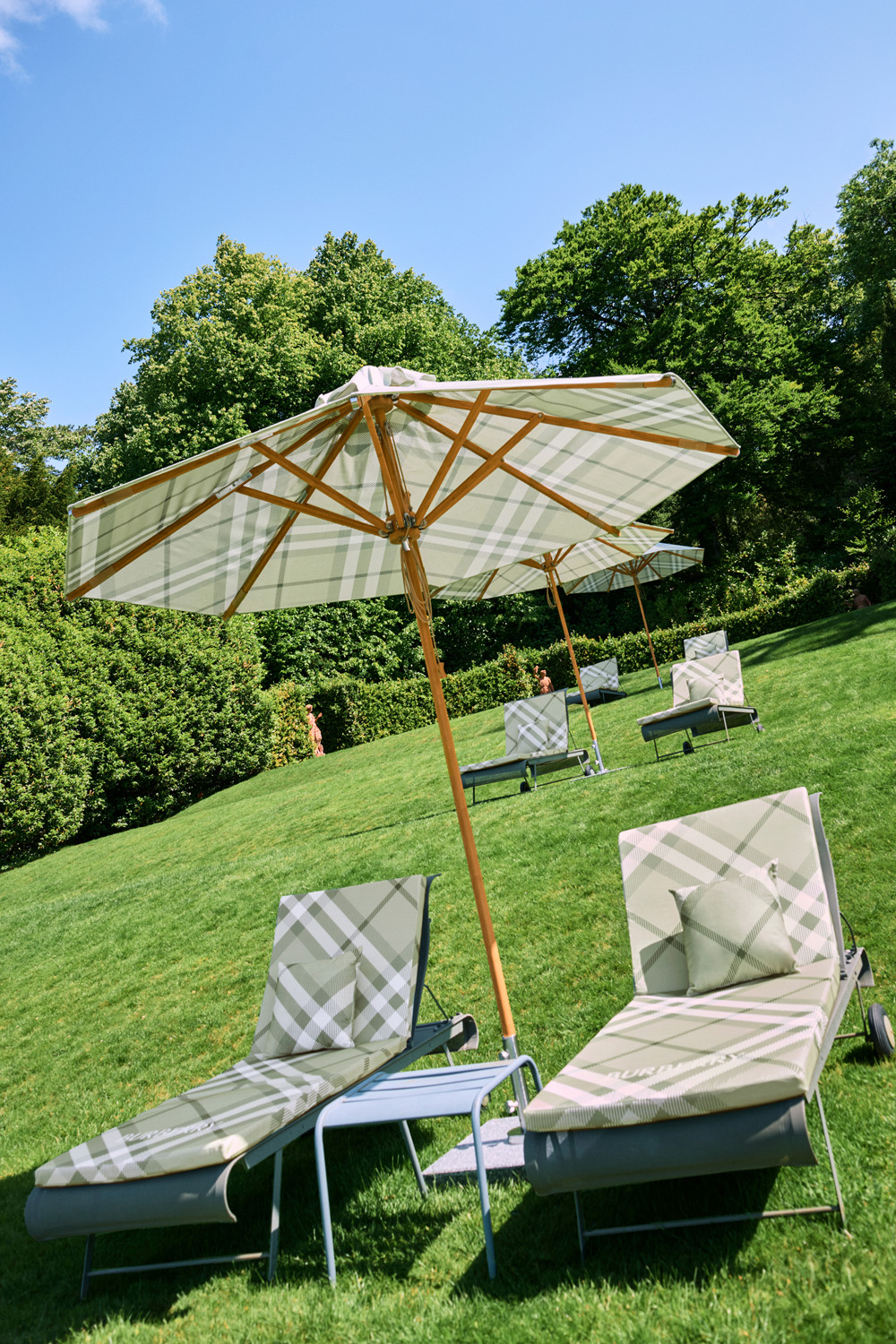
Burberry gave The Newt in Somerset a summery makeover back in 2025
There are so many new restaurant launches in London right now that getting cut-through becomes increasingly difficult. Couple this with the fact that restaurant critics are not as powerful as they were in their heyday, marketing tactics become imperative. So instead of doing press-only dinners, restaurateurs now host exclusive dinners involving journalists, podcasters and customers. Because while it’s always important to flatter the press, impressing your clientele is where the money is.
Even art galleries are getting in on the act. Saatchi Yates, in St James’s, has quickly developed a reputation for transformative and confounding marketing strategies, building on its notoriety for groundbreaking shows. This year, it launched the UK’s first art gallery membership platform, giving the general public broader access to entertaining ways to engage with art, from home-cooked dinners at artists’ studios to late-night theatre performances in a gallery setting.
Members get the opportunity to partake in art offerings and drops, with offers ranging from exclusive merchandise to fractional ownership of museum-quality masterpieces. There’s even an educational programme, including poetry slams, life drawing classes and – earlier in the summer – an exclusive event in which Nicky Haslam signed copies of his unique Saatchi Yates tea towel. Taking a leaf out of the fashion and music worlds, the gallery is building a community that buys into its taste as well as its product and content.
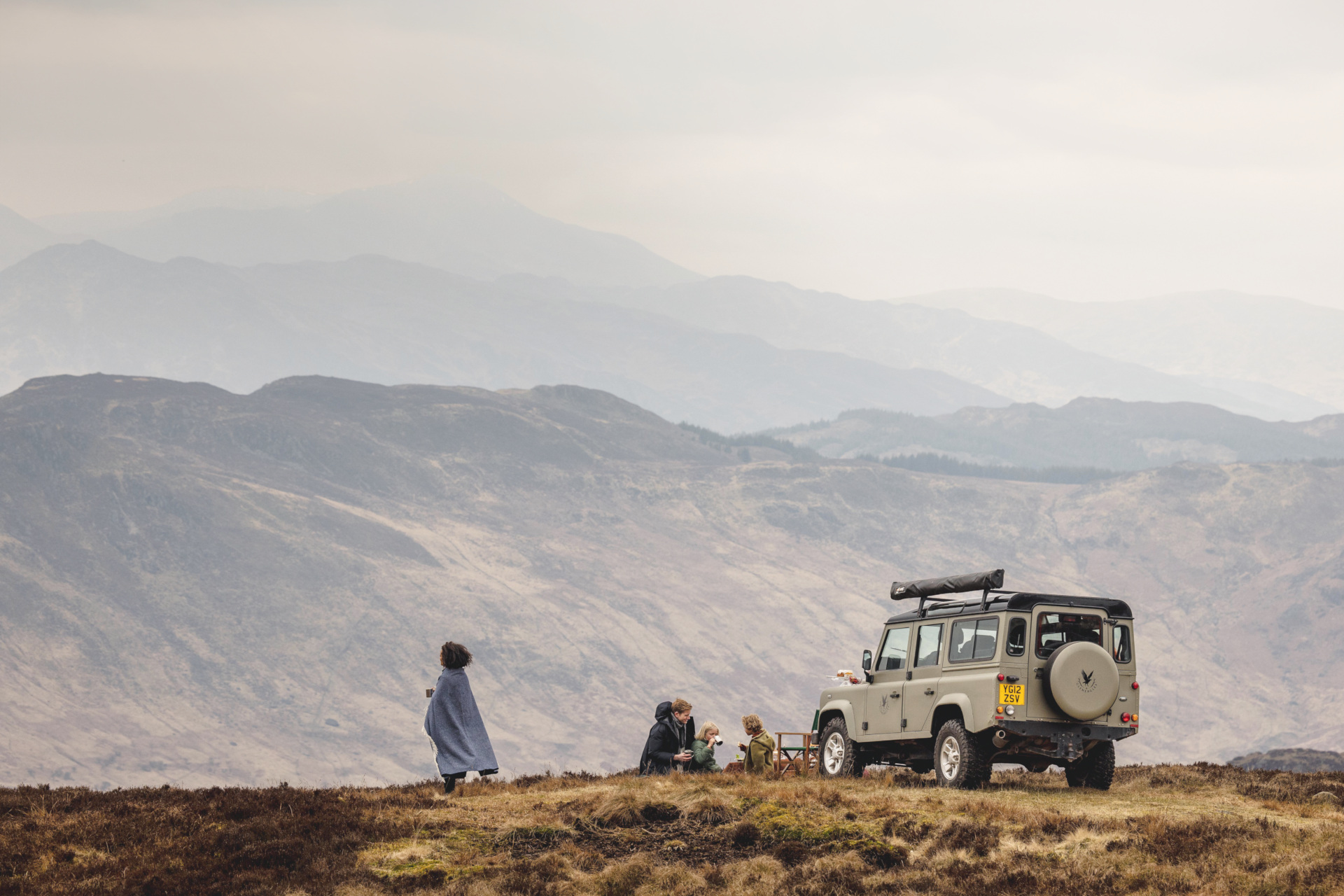
Gleneagles boasts a range of wild adventures way beyond a classic hotel stay
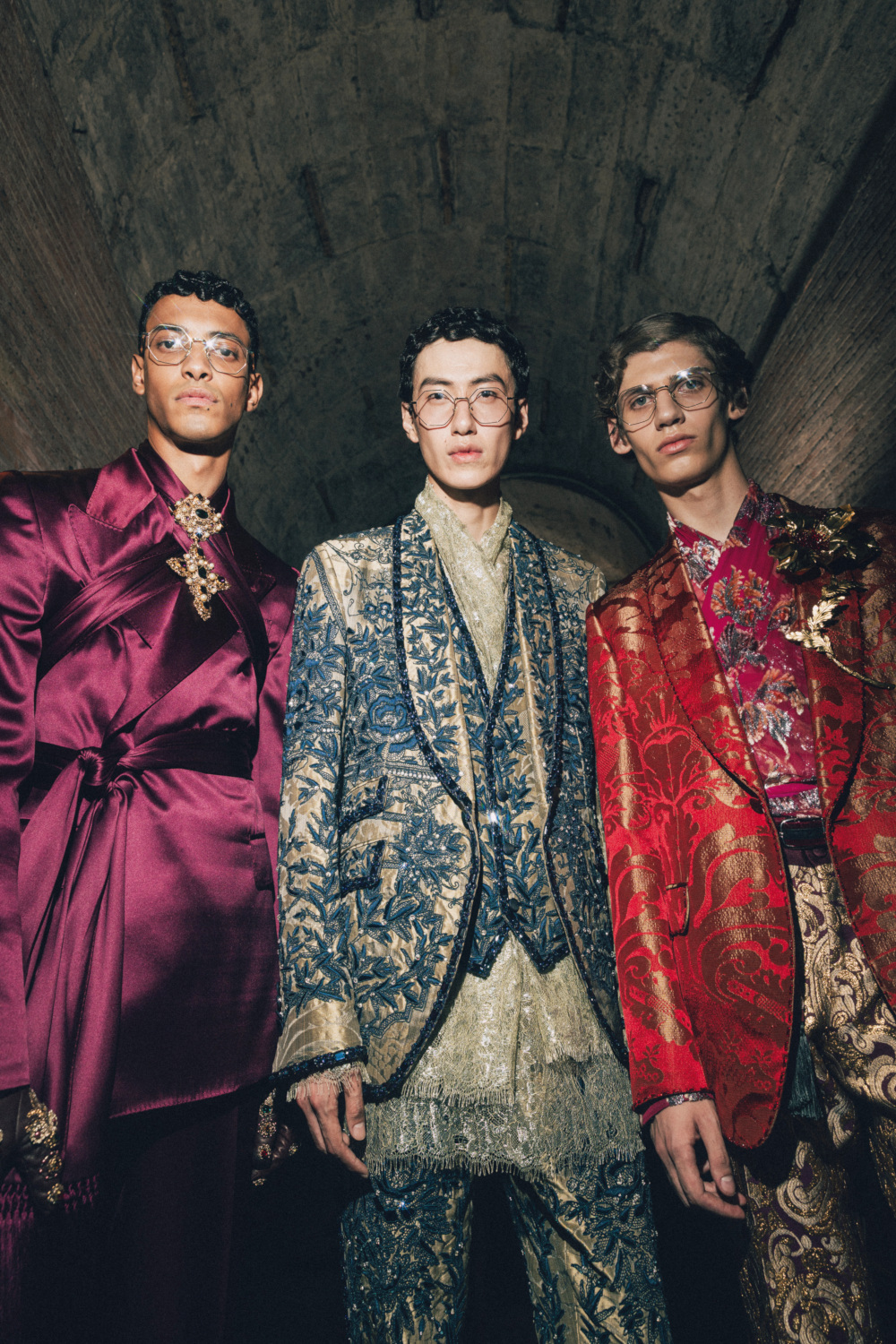
The brand that has been excelling at creating lifestyle experiences for their customers is, of course, Dolce & Gabbana. For nearly 15 years, Domenico Dolce and Stefano Gabbana’s ridiculously extravagant Alta Moda and Alta Sartoria events have been the very pinnacle of modern luxury: decadent weekends where it is de rigueur to drink gallons of prosecco while showing more than a metaphorical bare ankle. And the crucial thing is, while the brand invites the trade (journalists, photographers and bloggers), the most important guests are its repeat customers.
The trick is this: while Dolce & Gabbana invites its best clients to come and stay (in Rome, in Sicily, in Milan) for three days of extravagance, they only get invited back if they spend enough money. It’s the most sophisticated version of direct selling I’ve ever seen, and everyone loves it.
Ever since Dolce & Gabbana’s first consumer shows, the rest of the industry has tried to come up with their own versions, although it’s difficult to do without seeming inauthentic or exploitative. What Dolce & Gabbana did was make the whole thing fun. And not every brand can offer fun.
The experiential aspect of fashion has now grown so much that it even has its own magazine. Outlander Magazine is a social media publication that prides itself on being a rich source of news, expertise and inspiration that covers the most pivotal happenings in the industry. But what it’s really good at is featuring the kind of brand events that are also aimed at the public, giving an inclusive insight into exclusive experiences. The magazine also does collabs itself, with the likes of Smino, Slawn and Mia Khalifa. What Outlander does well is talk to its audience with honesty, building a community that is obsessed with fashion but doesn’t just want to be sold to.
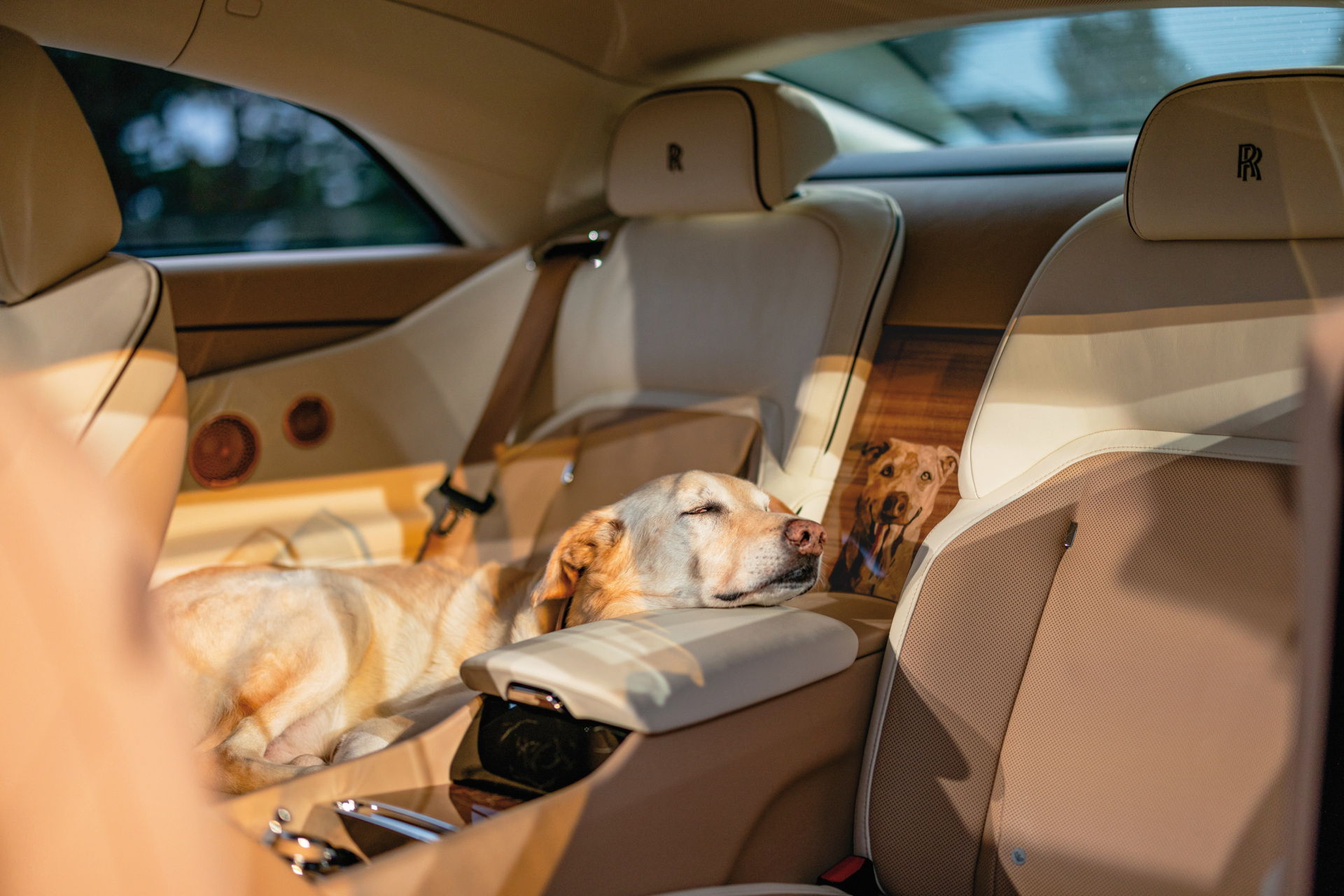
Rolls-Royce Whispers is an exclusive, members-only digital platform for owners which provides luxury experiences, exclusive offers and a private network, as well as completely bespoke models (dogs not included)
In essence, the digital world makes the boundaries between editorial and advertising (between church and state) much easier to blur, but not in an exploitative way. The digital world allows creatives to partner with brands in ways that aren’t strictly broken down as they still are in magazines. Digital doesn’t just allow for ingenuity, it demands it. Years ago, if you worked in the promo or advertorial department of a large magazine, you probably weren’t good enough to work in either editorial or advertising. But in the last 20 years, when digital has been the prime means of growth in any media organisation, being in this department means you probably need to be better than anyone else in the entire company. Because that’s where the growth is. And if you can harness that, then you can truly harness the future.
Fashion brands came to this realisation rather late, hoping that the old ways of doing business were going to continue forever. But the smart ones started to understand that in order to build a genuine community, you really need to build genuine relationships. Which is why everyone is so desperate to create experiences for their customers that have genuine resonance.
Years ago, whenever I bought something online, I would be offered the ‘opportunity’ to continue my relationship with the retailer. I invariably said no; I didn’t want to be bombarded with a series of asinine emails telling me what bargains could be found if I put my hand in my pocket again. If I stupidly ticked a box, then my own inbox would be forever full of stupid emails. These days, however, I think differently, because the brands that have truly grasped the future of commerce know that in order to keep their customers happy, they need to offer more. So more is what they offer.
I stayed at The Newt a few months ago and, if I’d been in the country, I would have loved to experience another stay courtesy of Burberry and would have loved to experience the warm bath of Burberry hospitality. I like Burberry and I like The Newt, so why wouldn’t I? After all, this stuff works, and when it works well, we all benefit.
So, as they used to say in the advertising world: pitch me, bitch. I’m ready for my experience.