




Calling Time: Has ‘Anti-Ageing’ Had Its Day?
By
24 minutes ago
Longevity has become the ultimate luxury pursuit, but many of its best tools can't be bought, says Anna Dobbie

Anti-ageing has always been a peculiar ambition. Global life expectancy has risen from 64.6 years to 73.8 years since 1990, so how well we live that extra time matters more and more. After decades of promising to turn back the clock, whether by expensive serum, needles or a scalpel, the beauty and wellness world is quietly changing tack. The conversation has shifted from defeating age to ageing well. The emphasis is now on healthspan: staying healthy, capable and the best version of yourself for as long as possible.
How To Age Well, According To The Professionals
‘I think the term “anti-ageing” has become outdated,’ says Dr Ahmed El Muntasar, GP and aesthetics doctor. ‘Ageing isn’t a disease, and the aim shouldn’t be to make a 50-year-old look 25. For me, it’s about ageing well: keeping the skin healthy, maintaining facial structure.’
It may sound like semantics, but the change goes beyond terminology. For decades, the aesthetic ideal was largely one of subtraction: eradicate the line, freeze the wrinkle, conceal the grey. Now, the aim is increasingly to preserve muscle, cognition, mobility, skin quality, and everything else we would rather not surrender as we light yet another candle on the birthday cake.
Longevity specialist Dr Alka Patel has an admirably practical definition of success. ‘At 90, I want you to have the strength to get off the floor, the cardiovascular fitness to climb stairs and hills, the cognitive capacity to keep learning and stay curious, and the physiological reserve to recover when life challenges you.’

© Unsplash
A Case For Wrinkles
The same thinking is changing what happens in aesthetics clinics. ‘We’ve moved away from simply filling lines,’ says Dr El Muntasar. ‘We understand the ageing face much better now; it’s not just the skin that changes, but also bone, fat, muscle and supporting tissues. So good treatment is about understanding the face as a whole, rather than chasing individual wrinkles.’
This has helped fuel interest in treatments intended to improve skin and tissue quality, from collagen biostimulators to polynucleotides, alongside a more restrained approach to traditional injectables like botox and fillers. The most successful treatment, Dr El Muntasar argues, should be almost imperceptible. ‘Someone should say “you look really well”, rather than “what have you had done?”.’
And there lies the irony: in trying to remove every indication of age, we may have misunderstood what youth actually looks like. ‘Youth isn’t simply a lack of wrinkles,’ he adds. ‘Young faces have movement, light and natural contours. Trying to eliminate every sign of ageing can take you further away from the goal.’
“For decades, the aesthetic ideal was largely one of subtraction: eradicate the line, freeze the wrinkle, conceal the grey. Now the aim is increasingly to preserve muscle, cognition, mobility, skin quality, and everything else we’d rather not lose”
The Science Of Resetting The Clock
Step outside the aesthetics clinic and things get stranger. As longevity research attracts more serious scientific attention, some of the marketing claims surrounding it are getting wilder. Timi Ellinas, who works in regenerative medicine and cellular therapies, points to partial epigenetic reprogramming as one of the most exciting areas of research. In crude terms, it means attempting to coax older cells towards more youthful behaviour without erasing their identity.
The long-term possibilities are tantalising. Instead of simply treating the damage associated with ageing, could we one day intervene in some of the mechanisms that drive it? ‘The realistic future is layered: maintain, repair as needed, and eventually reset specific systems periodically, the way we service anything else we intend to keep for a long time,’ says Ellinas.
We are not quite ready to pop in for our annual biological service just yet. What scientists can achieve in cells and animals is very different from what has been proved safe and effective in humans. ‘I can show you remarkable things in a flask,’ says Ellinas. ‘Turning that into something reproducible, affordable and beneficial in a 70-year-old with three comorbidities is a decade of unglamorous work, and it’s where most of the field’s real effort should now go.’
© Pexels
Biological Age Testing: Measurement Or Medicine?
As longevity becomes the wellness world’s latest luxury obsession, that distinction matters. Biological age tests, supplement protocols, wearables and exhaustive health screens increasingly offer the alluring possibility that ageing can not only be monitored, but managed.
Dr Patel is enthusiastic about the potential. ‘Your age tells me how long you have been alive. Biological age testing tells me how those years are being expressed in your biology.’ She examines inflammation, immune reserve, metabolic health, cardiovascular function, cognition, muscle, and physical capacity. Her mantra? ‘Test, track and target.’
Longevity currently sits somewhere between extraordinary science and extremely good branding. Ellinas, for example, questions ‘biological age reversal’ claims around NAD+ and other consumer supplements, dismissing many as ‘measurement, not medicine’. An expensive dashboard telling you that you are biologically 42 rather than 47 is not the same thing as proving you will remain healthier for longer.
Is Ageing Well The New Status Symbol?
So, if longevity medicine delivers on even some of its promises, will ageing well become the ultimate status symbol, another advantage available first to those able to afford it? Ellinas acknowledges the wealthy may initially gain access to new technologies before costs fall.
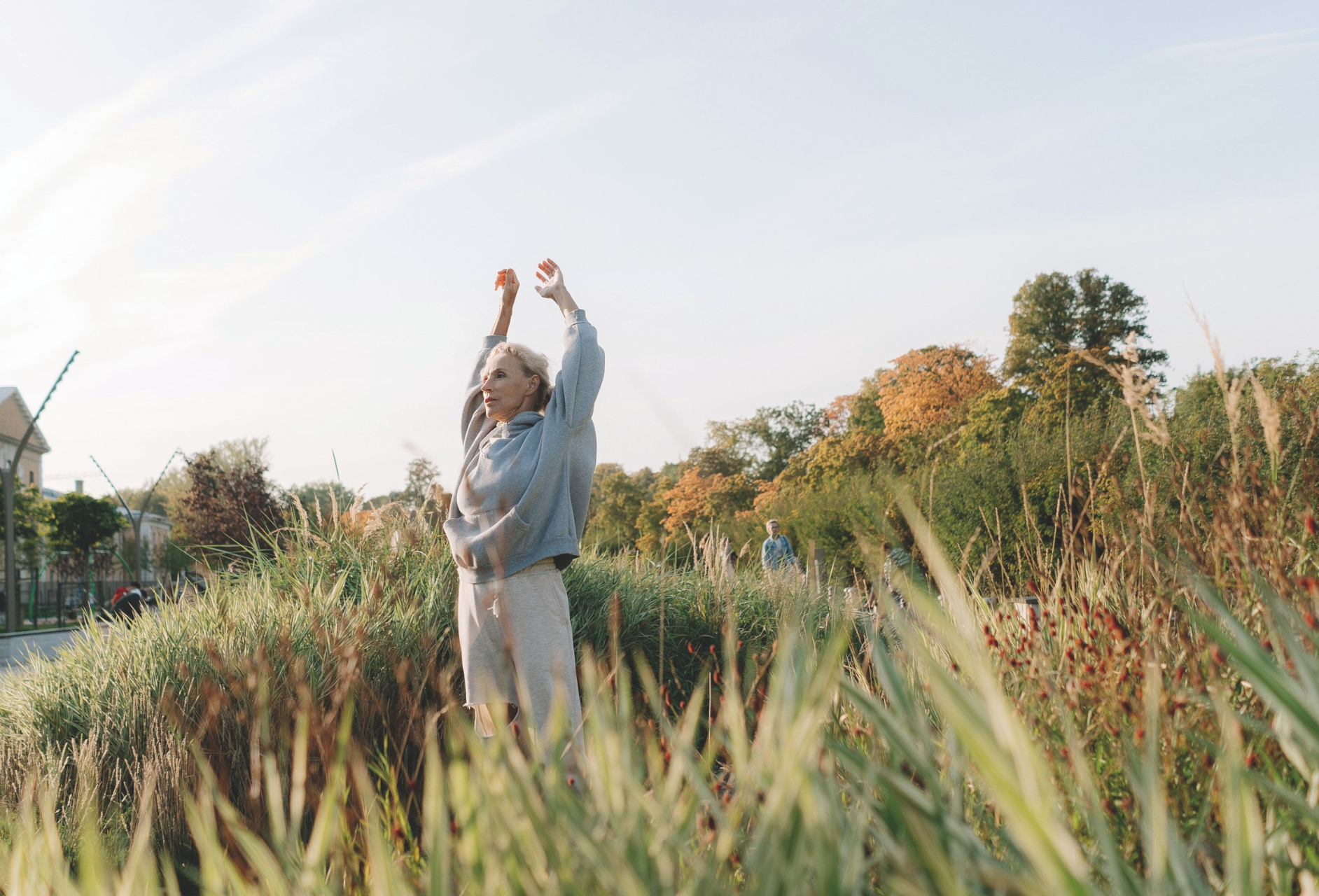
The inconvenient truth for a sector rapidly being built around longevity is that many of the most effective things we can do today aren’t particularly luxurious at all. ‘The boring things are often the most powerful,’ agrees Dr El Muntasar, whose list includes daily SPF, sleep, exercise, nutrition, avoiding smoking and managing alcohol. Dr Patel goes further. ‘Some of the most powerful interventions I recommend are free. Walk. Get outside in daylight. Move throughout the day. Spend time in nature. Protect your sleep. Build relationships. Use your muscles.’
Perhaps the most modern approach to anti-ageing is to stop trying quite so hard to look young. Wear the SPF, lift something heavy, go to bed early and have dinner with people you like, all while taking any promise of turning back time with a large pinch of salt. As Dr El Muntasar puts it: ‘The future of aesthetics is less about making people look younger, and more about extending the period in which they look healthy, strong and distinctly themselves. That’s a much more interesting goal.’