



7 Expert-Approved Moisturisers For Oily Skin
By
3 days ago
Targeting the T-zone, one cream at a time
Our skincare routine wouldn’t be what it is without a good moisturiser – but how do you know you’re using the right one? Chances are, if you struggle with oily skin, your current cream might not be doing you any favours. Lucky for you, we’ve tapped the experts to find out which moisturisers work best for oily skin (and why).
A Guide To Moisturiser, Oily Skin Edition
How To Tell You Have Oily Skin
First things first – you need to know you’re targeting the right skin type and the issues that come with it. ‘The most common sign of oily skin is a persistent shine across the central part of the face, particularly the forehead, nose and chin, often appearing only a few hours after cleansing,’ outlines London-based aesthetic doctor and skincare specialist Dr David Jack. ‘Makeup may slide or break down during the day and pores are often more visible, particularly around the nose and cheeks.’
But why do only some of us struggle with oily skin? ‘Oily skin reflects increased activity in the sebaceous glands, which produce sebum (oil) to nourish and secure the barrier function of the skin to prevent excessive water loss,’ says Jack. He adds that the problem isn’t the skin itself, but when ‘sebum production is excessive or poorly regulated, which can lead to congestion, blackheads and a greater tendency towards inflammatory breakouts.’
Hydrated vs Dehydrated Oily Skin
Confusingly, it’s not uncommon for people with an oily complexion to also struggle with dehydrated skin. (That shine only goes so far.) ‘Oily skin can sometimes be confusing because when we think about moisture in the skin, there are actually two separate factors to consider: oil and hydration,’ explains Dr Jennifer Owens, founder and Medical Director of The Glow Clinic. ‘Hydration refers to the water content of the skin, while oil refers to sebum production from our sebaceous glands.
‘Your skin can be hydrated or dehydrated regardless of how oily it is,’ she adds. ‘For example, you can have skin that produces a lot of oil but is still dehydrated because it is losing water from the skin. This often happens when the skin barrier isn’t functioning optimally. That can occur if we’re using too many active products, experiencing stress or illness, travelling frequently (particularly with lots of air-conditioning), or with certain skin conditions such as rosacea. When the barrier isn’t working well, the skin loses water more easily.’
Why Are Some Moisturisers Less Compatible With Oily Skin?
The short answer: because the first moisturisers were made for dry skin. Most face creams focused on tackling the signs of dryness, and the formulas didn’t often support oily skin in the same way.
‘Many traditional moisturisers were historically designed for drier skin types and rely on richer occlusive ingredients such as oils, waxes and butters,’ adds Jack. ‘These work extremely well when the skin needs additional lipid support, but for someone whose sebaceous glands are already producing significant oil they can feel heavy and overly occlusive. This can trap sebum within the pore and contribute to congestion, leaving skin feeling greasy rather than hydrated.’
‘It is usually down to texture rather than the idea of moisturising itself,’ adds skin and laser expert Debbie Thomas. ‘Very rich heavy creams, oils or balms can sit on the skin, feel greasy, and make shine or congestion worse, whereas oily skin tends to do better with lighter formulas that hydrate without feeling occlusive.’
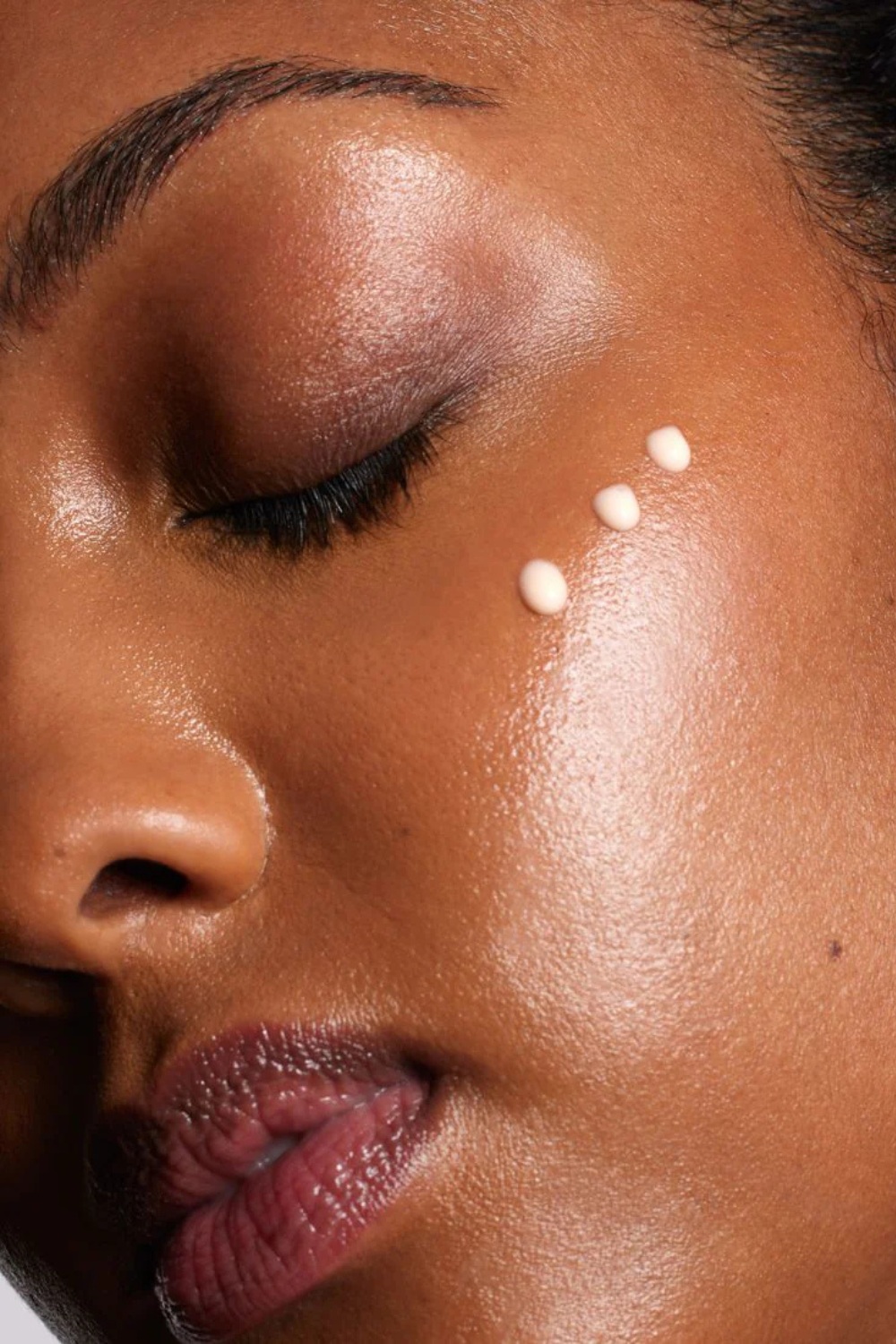
Cellis
Should We Avoid Moisturiser?
Before you lose faith in your skin cream, consider what your skin would do without it. ‘One of the most common mistakes I see in clinic is people with oily skin avoiding moisturiser altogether,’ says Jack. ‘When the skin becomes dehydrated it often compensates by increasing sebum production, which can worsen shine and congestion.
‘Using a lightweight moisturiser consistently helps maintain the skin barrier and can actually stabilise oil production over time,’ he adds. ‘It is also worth remembering that oily skin has a small advantage in the ageing process – higher sebum levels tend to support better natural hydration and barrier function, which means that many people with oilier skin experience slower visible ageing compared with those with very dry skin.’
What Kinds Of Moisturisers Work Best For Oily Skin?
Generally speaking, people with oily skin tend to see better results with lightweight lotions, fluid moisturisers, gel creams and hydrating serums. ‘They give hydration and help support the skin barrier, but without the weight or richness that can make oily skin feel overloaded,’ notes Thomas.
‘These formulations also typically rely more heavily on humectants, ingredients that attract water into the skin, rather than large amounts of occlusive oils,’ adds Jack. ‘Texture plays an important role in adherence; if a moisturiser absorbs easily and leaves the skin feeling fresh rather than greasy, people with oily skin are far more likely to use it consistently, which ultimately leads to healthier skin over time.’
Which Ingredients Should We Look Out For?
‘Some ingredients can be particularly helpful for oily skin,’ notes Owens. ‘Niacinamide is one of my favourites; it helps regulate oil production, reduce inflammation and improve the skin barrier. Hyaluronic acid is another useful ingredient., as it attracts water into the skin and helps support hydration without adding oil.’
Thomas emphasises the importance of humectants (ingredients that attract and retain moisture). ‘Look for ingredients like sodium hyaluronate, hyaluronic acid and glycerin, as well as ceramides for barrier support,’ she instructs. ‘Anti-inflammatory ingredients can also be helpful, particularly if the skin is both oily and prone to breakouts or sensitivity.’
To recap, some of the helpful ingredients to look out for include:
- Glycerin: a lightweight humectant that hydrates the skin
- Panthenol (vitamin B5): soothes and supports skin barrier
- Niacinamide: regulates oil production, reduces inflammation and improves skin barrier
- Hyaluronic acid: supports hydration
Moisturisers For Oily Skin
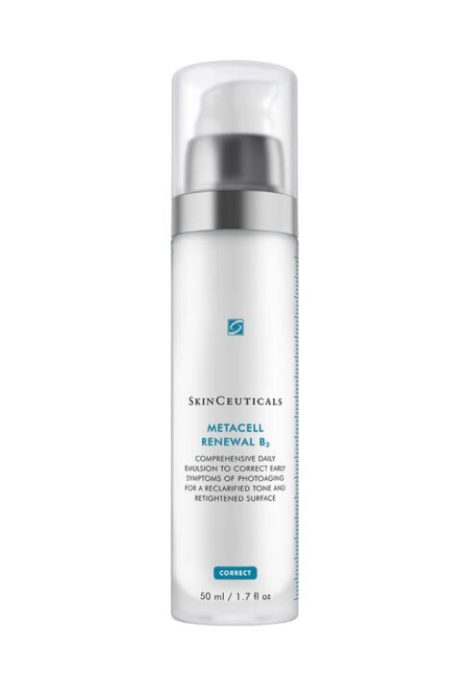
SkinCeuticals
Metacell Renewal B3, £126
To go-to brand for skin saviours, SkinCeuticals’ Metacell Renewal B3 boasts a lightweight texture and niacinamide formula that hydrates without feeling heavy. It delivers hydration, supports the barrier and helps regulate oil production without leaving the skin feeling greasy.
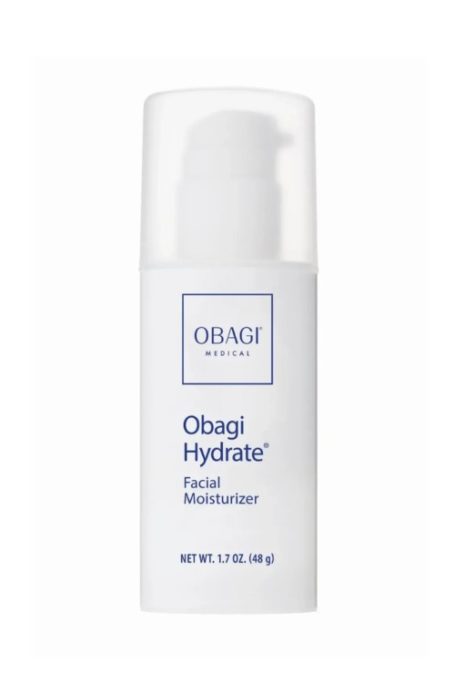
Obagi
Hydrate, £58.50
If your current skincare routine also includes active treatments (think retinoids or salicylic acid), then Obagi’s soothing, lightweight cream will be a welcome addition.
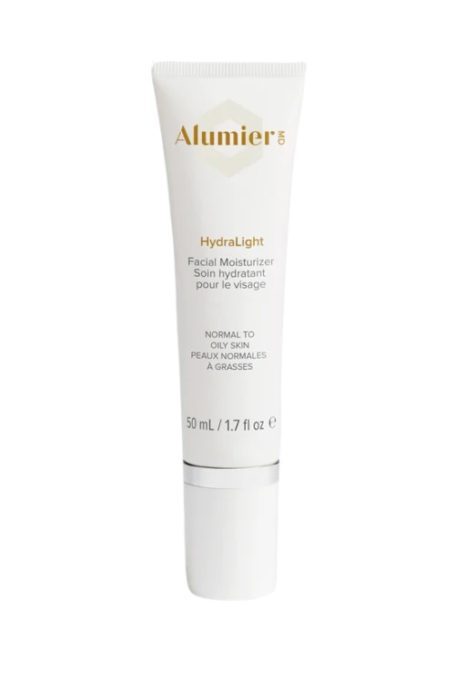
Alumier
Hydralight, £64.50
For a preventative approach, try Alumier’s signature Hydralight cream. Containing lactic acid and glycolic acid (as well as that all-important niacinamide), it helps prevent congestion.
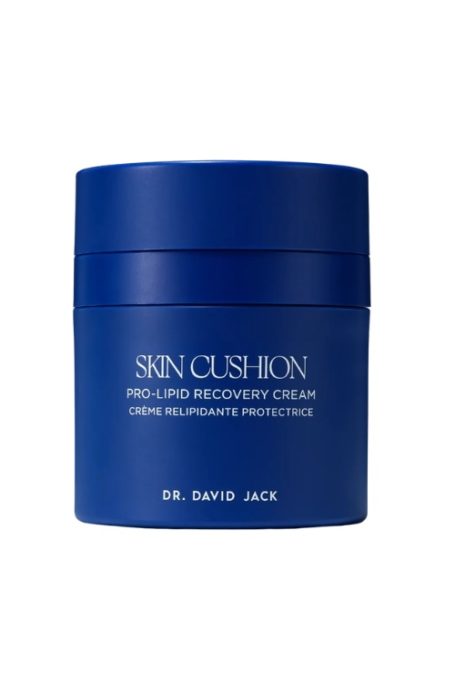
Dr David Jack
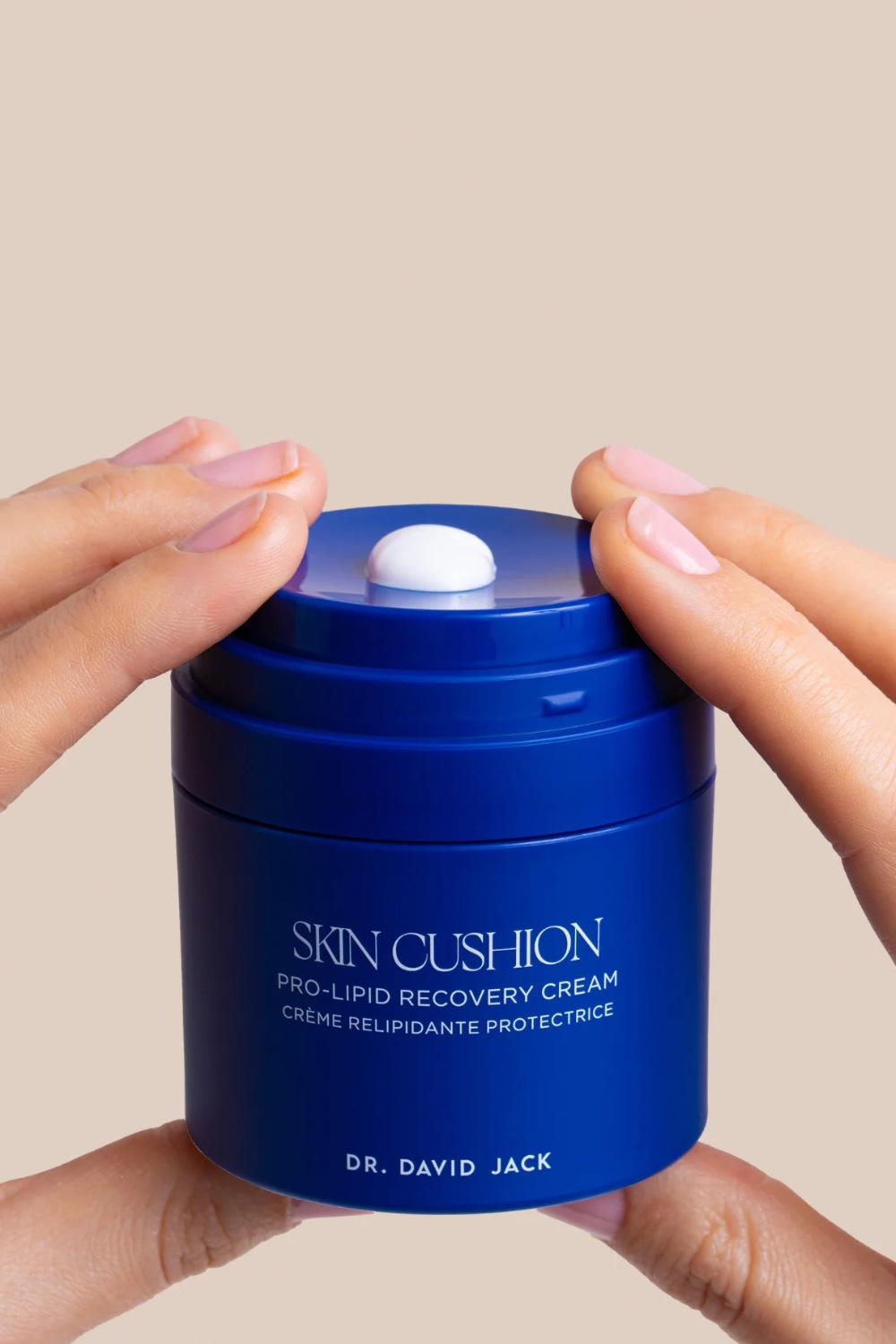
Skin Cushion, £139
This moisturiser from B Corp-accredited skincare brand Dr David Jack delivers hydration and barrier support through humectants and skin-repairing ingredients – with resveratrol also on hand for mitochondrial repair and skin longevity. The lightweight texture also absorbs quickly, no greasy film in sight
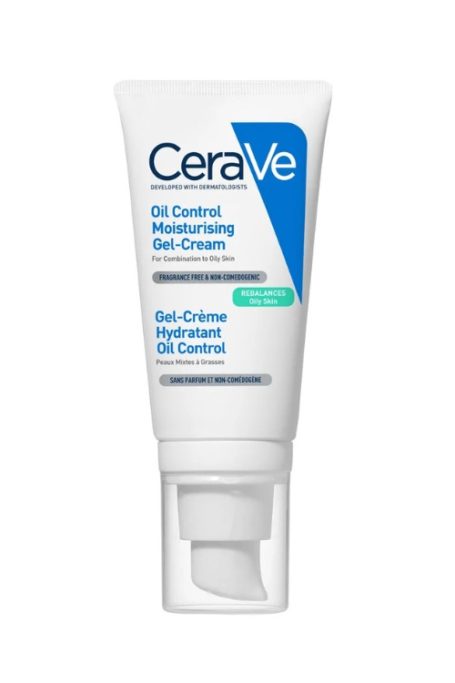
CeraVe
Oil Control Moisturising Gel-Cream, £17
A good option from the high street shelf. CeraVe’s gel cream formula delivers hydration without heaviness, with a comfortable weight on skin making it a great daily choice.
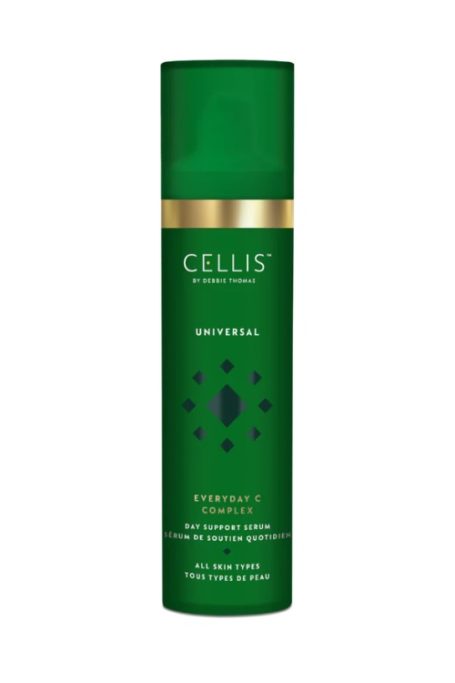
Cellis
Everyday C Complex, £225
If you’re not one of the 10-step routine crowd, this could be the one for you. Cellis’ all-in-one product is positioned as an antioxidant day complex, but it also gives anti-inflammatory support, hydration, barrier support and microbiome support – doing the job of several products in one. (A bonus for oily types, as it means less products to layer and risk overloading the skin.)
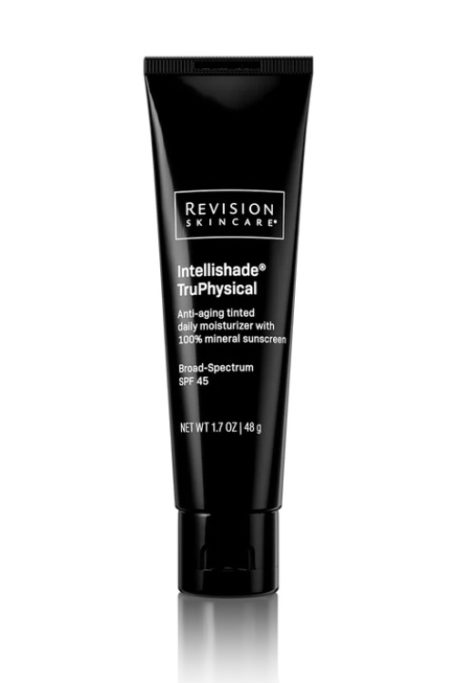
Revision Skincare
Intellishade TruPhysical SPF 45, £96
Another multi-functional moisturiser for your bathroom cupboard. This formula combines hydration, a mattifying finish and SPF, making a good choice for added sun protection without excess richness (or the need for a separate moisturiser and sunscreen).