


Something Old: How To Buy A Vintage Wedding Dress
By
2 weeks ago
These vintage shops are a treasure trove for brides-to-be
There are many great reasons to choose a vintage wedding dress over a more modern number. ‘You’re buying a unique dress that nobody else has,’ says Jane Bourvis, a London-based bridal designer and vintage textile specialist, with her own shop in Notting Hill. ‘Vintage and antique gowns give you the option to buy exquisite pieces that are no longer made today. Every vintage dress is unique, and you can get a much better deal for your money if you go to the right place.’
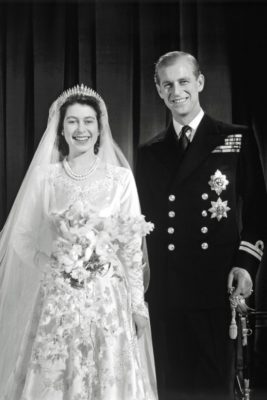
So whatever your reasons – its story, utter uniqueness, irreplaceable look and feel, savings or sustainable credentials – a vintage wedding dress can be the perfect option for your big day. (Just ask Princess Beatrice, who borrowed her Norman Hartnell dress from her grandmother, Queen Elizabeth II, for her wedding to Edoardo Mapelli Mozzi in July 2020.) But where to start? Here’s what to think about when shopping for a vintage wedding dress – and where to get it.
What To Do Before You Buy
Research Your Era
It’s an understatement to say fashion has changed quite a lot since the beginning of the 20th century, with long Edwardian skirts and corsets exchanged for miniskirts and camouflage jackets by the 90s. ‘Start by exploring different decades to get a sense of the silhouettes, fabrics and details that define each era,’ suggests Gaya Guiragossian, style and artistic director at Vestiaire Collective. ‘Whether you are drawn to a 1920s drop-waist gown, a 1930s bias-cut silk dress or a 1970s bohemian style, understanding these references can help you narrow down what you are looking for.’
So if you’re shopping for a vintage wedding dress, be aware of the multitude of choice laid out for you: do you want a full-skirted New Look dress from the 1950s? A flirty flapper dress from the 1920s? A louche, long-sleeved 70s number? Narrow down what you’re looking for, and alter your online search terms accordingly – it will make your final choice that much easier.
But don’t rule out any options before seeing them in person. As Gaya says, ‘Keep an open mind when trying dresses on. You may discover that an era you had never considered is actually the most flattering on you. It is also worth looking at pieces from the 1980s and 1990s, which can often be modernised through simple alterations – for example, removing shoulder pads or voluminous sleeves can completely transform a dress while preserving its vintage character.’
View this post on Instagram
Check The Sizing
Anyone who has shopped for vintage clothes before will know that sizing has changed a lot in the last fifty years or so, meaning a size UK 12 from the 1960s is more like a size UK 8 now, and so on. ‘One of the most important things to remember when shopping for vintage is that vintage sizing does not correspond to modern sizing,’ confirms Gaya. ‘A vintage size 10, for example, can be very different from a contemporary size 10. The best approach is to know your exact bust, waist and hip measurements and compare them directly with the measurements of the dress. And if you are between two sizes, I would always recommend sizing up when possible: it is much easier for a tailor to take a dress in than to let it out, particularly with vintage pieces, which often have very little extra seam allowance.’
Inspect For Imperfections
‘A few imperfections are part of what makes a vintage wedding dress unique, but it is important to distinguish between character and damage that cannot easily be repaired,’ warns Gaya. ‘Vintage fabrics – particularly delicate silks, tulles and lace – naturally become more fragile with age. Take the time to carefully inspect the areas that have experienced the most stress, such as the seams, underarms, neckline and closures, and look for signs of tearing, stretching or significant discolouration. At the same time, don’t be put off by small imperfections: a tiny pinhole or a faint mark on the lining is often perfectly normal for a dress that is several decades old and may never be noticeable when worn.’
There are, however, some deal-breakers to be wary of. ‘Look for marked fabrics, especially online,’ says Jane. ‘Many of the stains might not come out, so it’s best to ask the seller outright about any imperfections you can already see (and any you might not have spotted). Most sellers are pretty honest, and on platforms like Etsy and eBay they’re not really allowed to not tell the truth.
‘If you’re seeing and trying the dress, you can ask to test the fabric a little,’ she adds. ‘Lightly stretch it to see if it will fall apart and also look for any marks under the armpits; it’s almost impossible to remove old perspiration marks under the armpit. Generally, it’s best not to buy a dress that is marked (unless it truly is very small), as they’re very difficult to get out.’
Find A Good Tailor
And finally, be prepared to have to alter your dress to fit or change elements that you might not like. ‘The bride really needs a tailor that is experienced and used to the problems that come with buying and altering a vintage or antique wedding dress,’ emphasises Jane. ‘If it is being resized, they need to know how it can be resized in the easiest possible way; where you can slide fabric in, or find a matching piece. If the tailor does not have the right experience, they can end up with a big problem on their hands – which the bride won’t want!’
Where To Shop Vintage & Antique Wedding Dresses
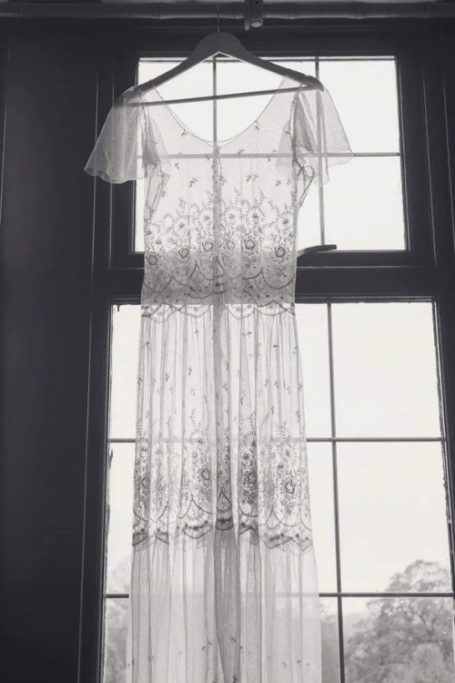
Abigail’s Vintage Bridal
From the 1890s to the 1970s, this vintage bridal boutique in Rutland has over 200 dresses in stock. Visits to the salon are by appointment only, with in-depth consultations lasting an hour and half. A full alteration service is also available, so you can leave your dress in capable hands from start to finish.
OFFLINE: Oakham, Rutland (address available on booking)
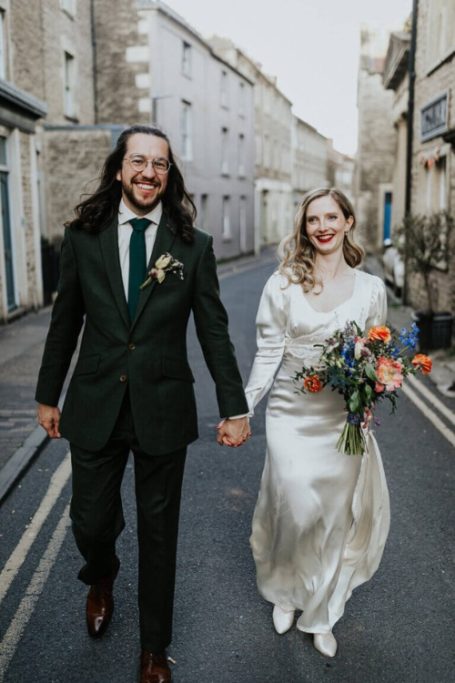
Ashwell & Co
Boasting one of the largest collection of vintage wedding dresses in the UK, Bristol-based Ashwell & Co specialise in bridalwear spanning from 1900 to the 1980s. You can also make an event of your try-on session, with the boutique also serving up drinks and afternoon tea – just make sure you book in advance. Average prices range between £895 and £1,100.
OFFLINE: 32 Alma Vale Road, Bristol, BS8 2HY
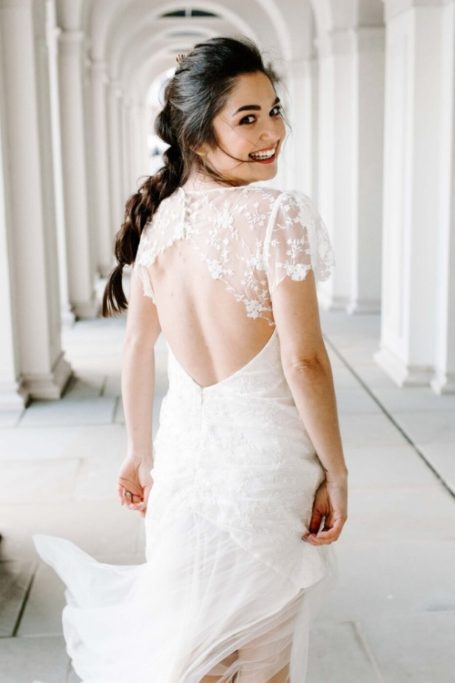
Bridal Reloved
With boutiques all over the country, this is a good choice for brides looking for a luxury wedding dress at a fraction of the price. It offers a range of pre-loved and ex-sample wedding dresses from luxury designers like Jenny Packham, Stewart Parvin and Temperley – and you can even sell on your dress after the event, giving the next bride their ‘something old’ moment.
OFFLINE: List of UK locations here
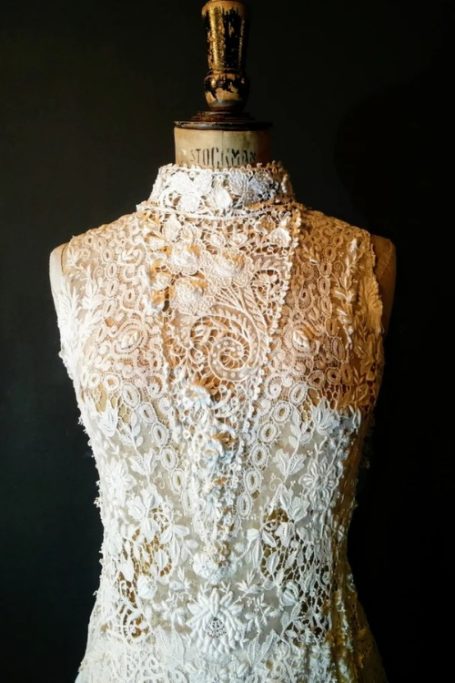
Jane Bourvis
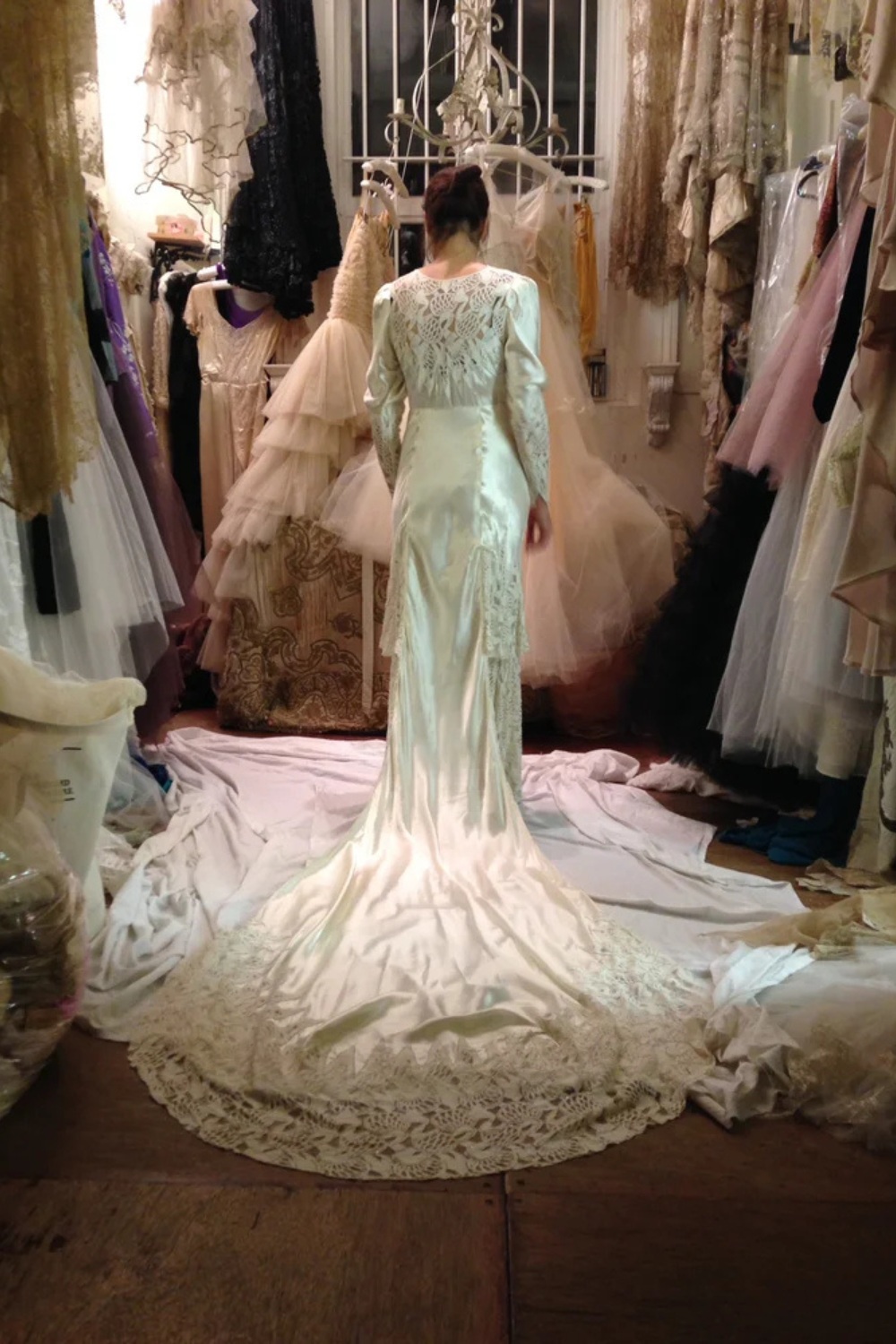
The beautiful antique lace and textiles in Jane Bourvis’ boutique in Notting Hill are pretty dreamy. Choose from lace wedding dresses, or a selection of silk slips or tulle gowns. Plus, she’s got a range of ornate antique accessories, from pearl crowns to intricate veils, meaning you can shop your entire bridal look under one roof.
OFFLINE: Unit 6 Portobello Green Arcade, 281 Portobello Road, London W10 5TZ
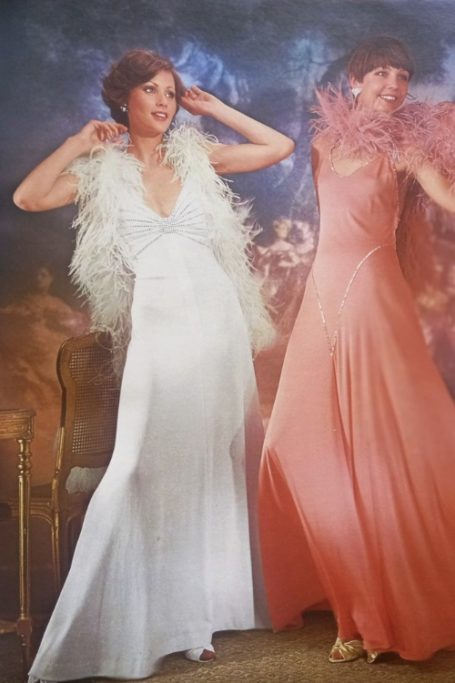
ReSee
A chic online vintage hub, Paris-based ReSee stocks wedding-worthy dresses from the likes of Céline, Chloé and Prada, as well as older styles without labels. There’s also a treasure trove of preloved jewellery perfect for wearing down the aisle, from cocktail rings and waterfall earrings to vintage Manolo Blahnik mules.
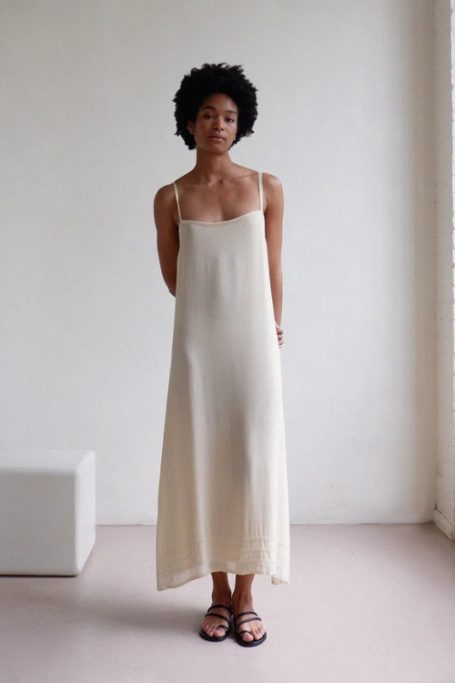
Retold Vintage
Minimalist brides, this one’s for you. Uber-cool London-based vintage site Retold also has a bridal section, stocking a careful selection of dresses and separates. Make sure to sign up to the boutique’s newsletter to be one of the first in for its regular drops. (Being vintage, once they’re gone, they’re gone.)
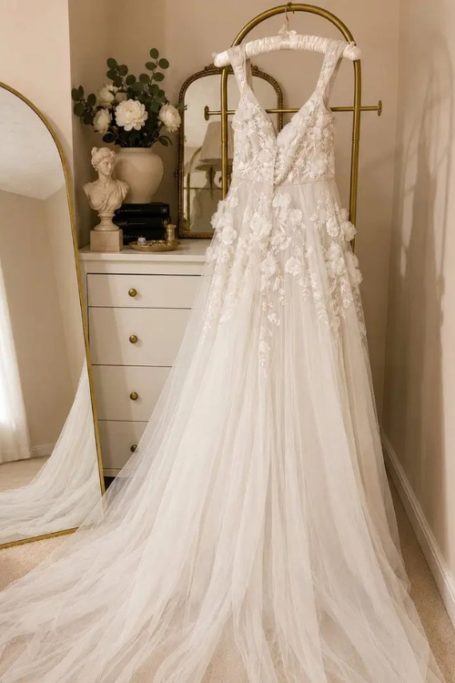
Vestiaire Collective
Vintage buffs will also be very familiar with Vestiaire Collective. Although not dedicated to wedding dresses, you can pick up a beautiful vintage or preloved style from a big name – as well as all the trimmings (shoes, jewellery and veil) to nail that final bridal moment.
You Also Might Be Wondering…
What’s The Difference Between An Antique And Vintage Wedding Dress?
While the two terms are often mixed up, vintage and antique bridal gowns are two very different things. ‘Vintage normally goes back to around 1940/50 – think wartime or midcentury,’ says Jane. ‘The 1920s/30s slightly overlaps this period, but really it’s a bit early to be considered vintage. Anything from 1900 or earlier can be considered antique; gowns at this time were often incredibly intricate lace designs which were hand-worked for brides.’
Why Are Vintage Dresses So Much Smaller?
It all comes down to lifestyle, admits Jane. ‘We were much smaller at one point,’ she says. ‘Pre-1950s, we weren’t so used to having ready-cooked or prepared food – and due to the war, food was not in such abundance. You can see in old photographs dating back to the 1900s that some women’s bodies were very tiny.
‘The measurements you’ll want to double check are around the armpit, bust and waist, the length from neck to waist, as well as full front and back lengths,’ she adds. ‘These measurement were historically much shorter and much smaller. It’s very difficult to add antique fabrics to ready-bought vintage dress; the only fabric you have is actually in the dress, so make sure there is enough to let out or take in comfortably.’
View this post on Instagram
What’s A Realistic Price Range?
On the whole, it depends on the era, designer and style of dress you’re after. ‘If you’re going for a vintage couture piece or one of the top designers, or even going to an expensive auction you could be paying £6,000 and up,’ says Jane. ‘But if you’re sourcing from somewhere like eBay or Etsy, prices could start from £300 – and sometimes you can even bag a dress for £100. Vintage fairs, meanwhile, sit somewhere in between; dresses can go for £1,000 or £2,000.’
How Far In Advance Should Brides Start…
Looking
The earlier, the better. It might take some digging through dresses before you find the one. ‘It will take quite a long time to go through all of the potential sources and check out of the dresses suitable,’ agrees Jane. ‘The main thing to realises that good dresses are rare and they can go quite quickly. My advice would be to just go for it – these dresses can’t be copied easily, and once they’re bought you likely won’t see them again.’
Cleaning
If in doubt, leave it be, says Jane. ‘Cleaning can quite quickly cause problems,’ she tells C&TH. ‘I often do, but I risk danger every time as very often when they hit water they can be completely destroyed. It depends how old the item is. Antique dresses (dating back to 1900) are incredibly difficult to clean or wash, and can actually disintegrate with a wash. Material is also an important factor. If it’s silk, then typically the cleaning can be done fairly easily – but always double check with the boutique or a cleaning expert.’
Altering
‘Alterations can be done fairly quickly if an experienced tailor is doing the dress,’ says Jane. ‘They should only take a couple of weeks, unless there are problems matching a fabric that will help to resize the dress. It’s never a problem to take a dress in, but it is always a problem to get extra fabric out of a small vintage dress, as the only fabric you have is already in use. My top tip is to look for a large seam or even a larger size dress, as you can take them in much more easily.’