


Winter In Austria: Where Culture Meets The Slopes
By
18 hours ago
From the cradle of Alpine skiing to Christmas-lit Graz, discover four Austrian destinations where culture and the mountains come together
Ignoring variations in language and cuisine, some skiing holidays can feel totally cut off from the world at large. That can be restorative: a melting away of worries as you operate on an instinctual level of eating, skiing, sleeping, repeating. But a skiing holiday needn’t mean disappearing into unknowable mountains – and in Austria, winter harbours more layers of discovery than you might expect. It’s here that skiing history was written, international music stars perform at altitude and medieval streets glow with Christmas markets beneath the mountains. In fact, travelling through Austria in winter is a way of getting under the skin of the nation, following its traditions, meeting its people, eating what they eat and understanding why life here has developed as it has.
There is a word for the particular feeling of living well that runs through Austria, Lebensgefühl. It is less about grand gestures than an appreciation of the things that make everyday life rewarding: good food, time spent together, a connection to the landscape and the curiosity to discover what makes a place tick. From the cradle of modern Alpine skiing to a cross-border mountain region, an Olympic city and and the Christmas markets of Graz, these four destinations reveal a side of Austrian winter that extends well beyond the pistes.
Discover more inspiration and plan your escape at austria.info
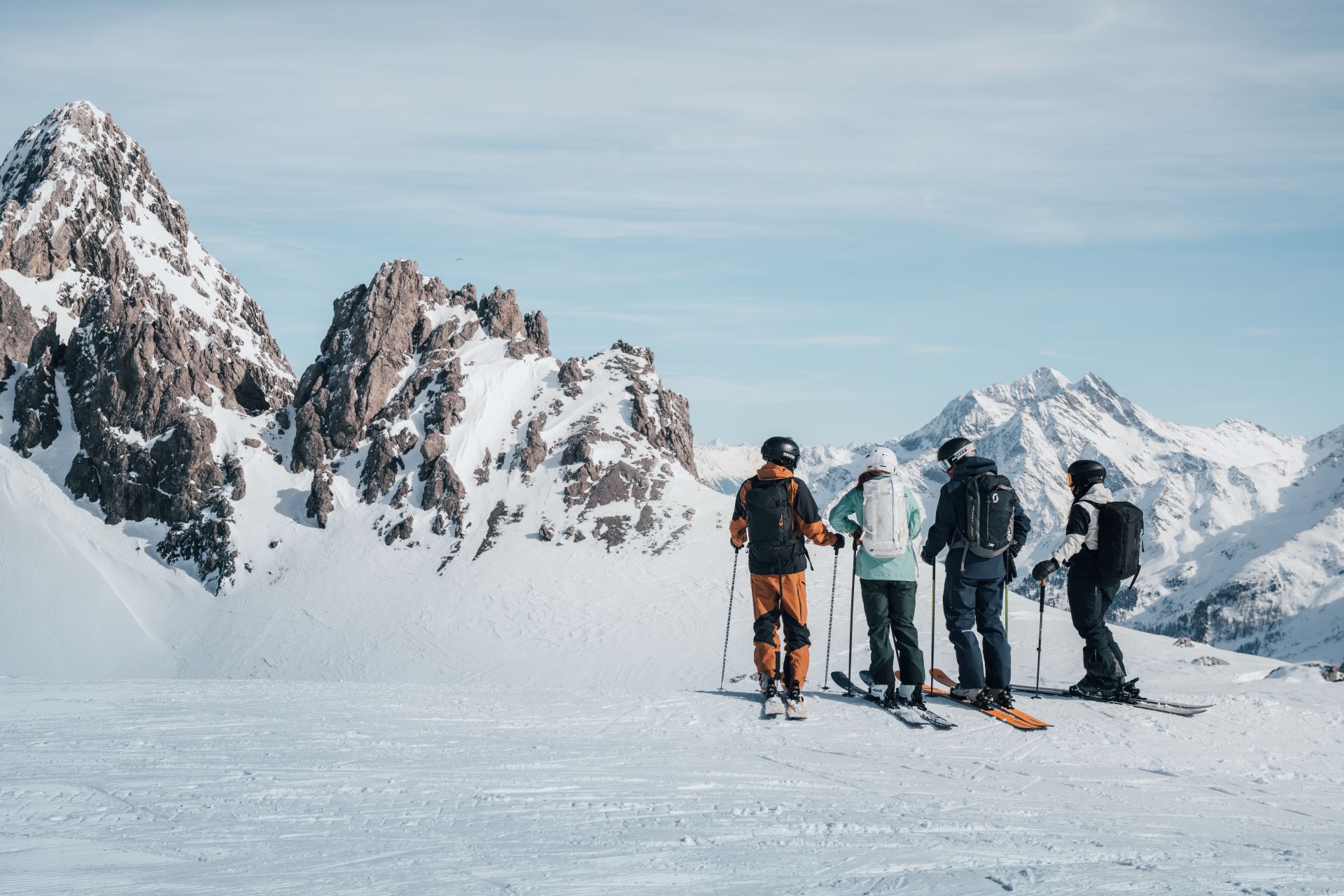
Skiing in St. Anton am Arlberg. (© Tourismusverband St. Anton am Arlberg/Karin Pasterer)
St. Anton am Arlberg
Best for: The story behind the sport
There are plenty of places where you can ski, but St. Anton am Arlberg in Austria’s far west is somewhere you can learn about why skiing became what it is today. The Arlberg mountains are known as the cradle of Alpine skiing, and for good reason. Hannes Schneider established his ski school in St. Anton in 1921, developing the Arlberg technique that would influence ski instruction around the world. The Ski-Club Arlberg, founded in 1901, is still going strong, with more than 9,000 members from around the world.
You can trace that history at the Ski and Local History Museum in Villa Trier, housed in a former villa and devoted to the development of skiing alongside the story of the region itself. Then, of course, you can go and experience the terrain that made all this history possible. St. Anton forms part of Ski Arlberg, Austria’s largest interconnected ski area, with more than 300km of pistes, 200km of off-piste terrain and 85 lifts.
The skiing is serious, but so is the pleasure surrounding it. There are 29 mountain huts and restaurants across St. Anton, traditional Tyrolean dishes to discover and a lively après-ski scene. Once the skis are off, a further 80km of winter walking and snowshoe routes offer a slower way through these historic mountains.
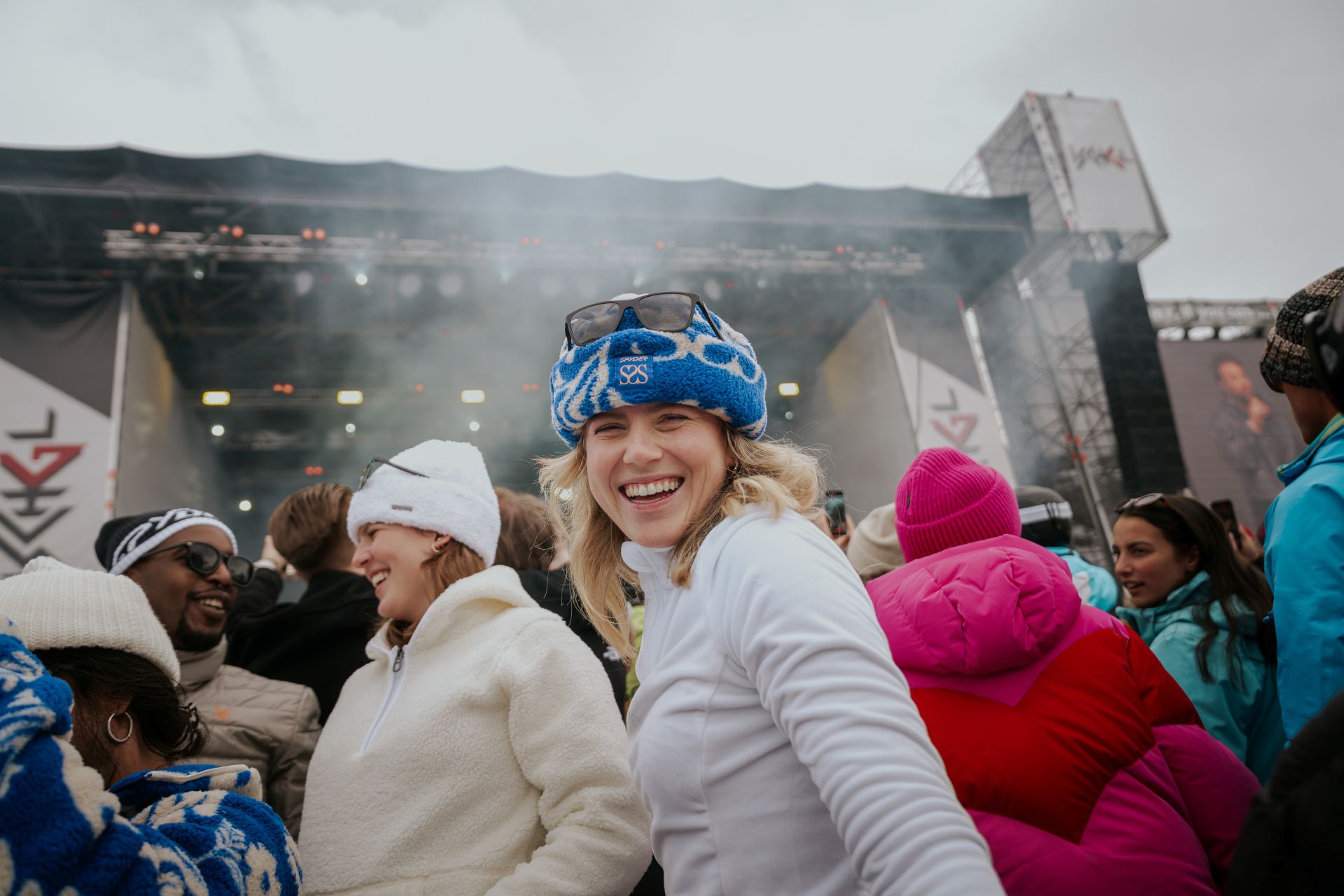
Ischgl Spring Blanc Concert (© TVB Paznaun-Ischgl)
Ischgl
Best for: Big mountain energy
If St. Anton is where you can delve into skiing’s past, Ischgl is a reminder of how international the Alpine world has become. The Silvretta Arena crosses the Austrian-Swiss border, connecting Ischgl with Samnaun in Switzerland across 239km of pistes reaching almost 2,900 metres. That altitude helps ensure reliable snow from November well into May, and you can quite literally glide between countries.
Back in Ischgl, the mountain becomes a stage with the Top of the Mountain Concerts which bring international artists to the slopes, kicking off with Westlife at the Idalp on 28 November. There is plenty happening away from the headline acts, too. The wider Paznaun valley encompasses Galtür, Kappl and See, each with its own character and winter activities. There are 80km of cross-country trails, 60km of winter and snowshoe routes, night tobogganing and dedicated freeride terrain. In Galtür, the focus is quieter and more family-oriented, while the Kappl and See ski area offers its own smaller-scale ski experiences.
Then comes the food. Ischgl currently has three Michelin-starred restaurants plus plenty more gourmet eateries, alongside mountain huts serving the more traditional side of Tirol’s culinary repertoire.
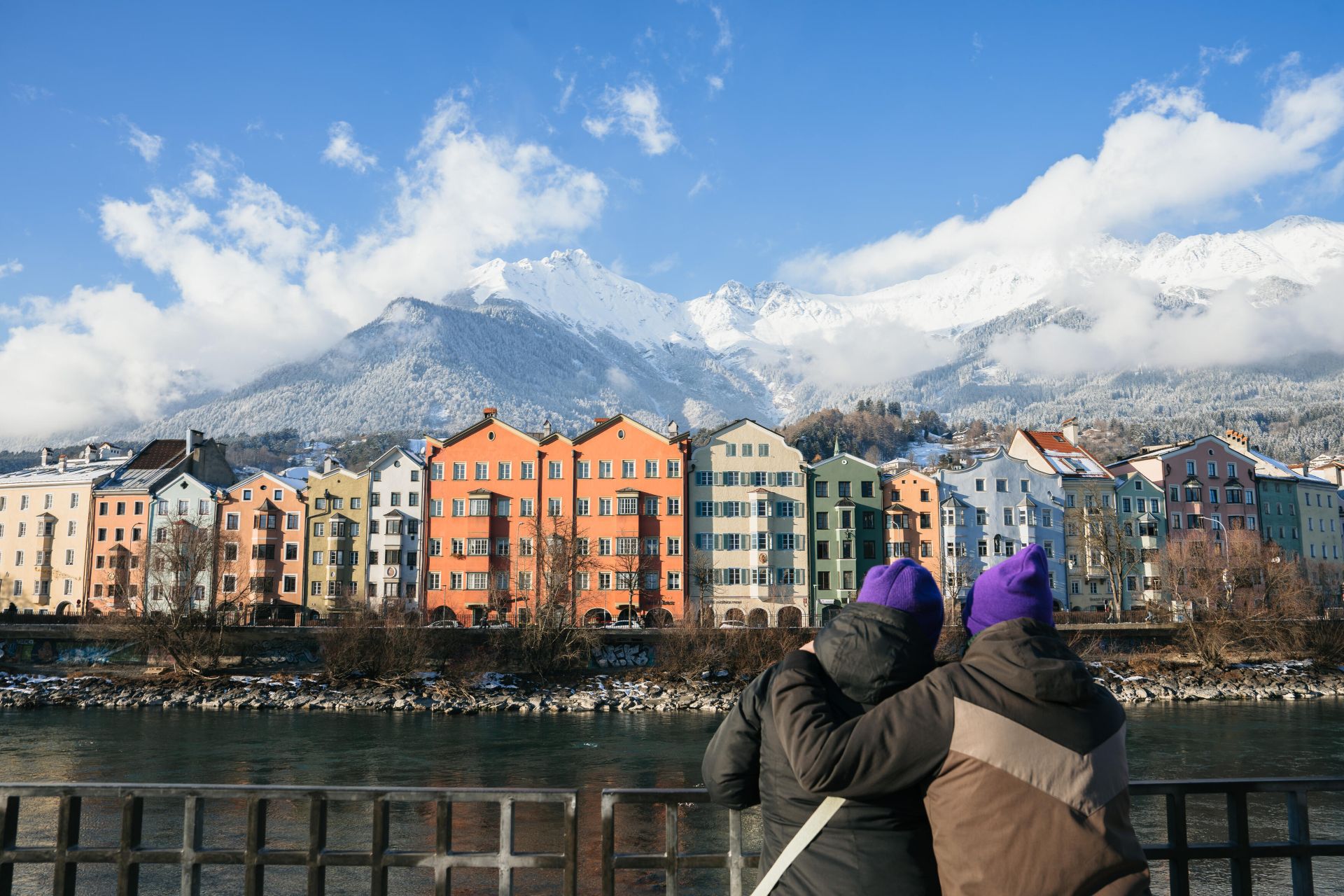
Mariahilf, Innsbruck (© Innsbruck Tourismus/Christoph Farbmacher)
Innsbruck
Best for: City life with a mountain backdrop
The received wisdom is that you have to choose between a city break and a skiing holiday, but Innsbruck has always been the counterpoint. Tucked into the Inn Valley, you can look up from the city’s medieval streets to see serious Alpine terrain rising around you, then be on a ski lift within remarkably little time.
It’s easier than ever to make the most of this blend. The SKI plus CITY Pass covers 12 ski areas around Innsbruck – including Austria’s highest-altitude ski village Kühtai, snow-reliable at 2,020 metres – while also giving access to 23 cultural and sightseeing attractions. And there is plenty to explore after a morning on the slopes. The Golden Roof’s 2,657 gilded copper tiles have watched over the Old Town since the late 15th century; Ambras Castle houses works by artists including Rubens and Velázquez; and the Imperial Palace offers a glimpse into Innsbruck’s Habsburg past. For something altogether more contemporary, the Nordkette cable cars, designed by architect Zaha Hadid, climb directly from the city towards the mountains.
The skiing is no afterthought. Nordkette offers a dramatic high-mountain setting almost immediately above the city, while Axamer Lizum, Patscherkofel, Kühtai and the Stubai Valley provide a dozen distinct ski areas to explore. There are also 150km of cross-country trails and winter walking routes around the region for days when you want to swap speed for scenery.
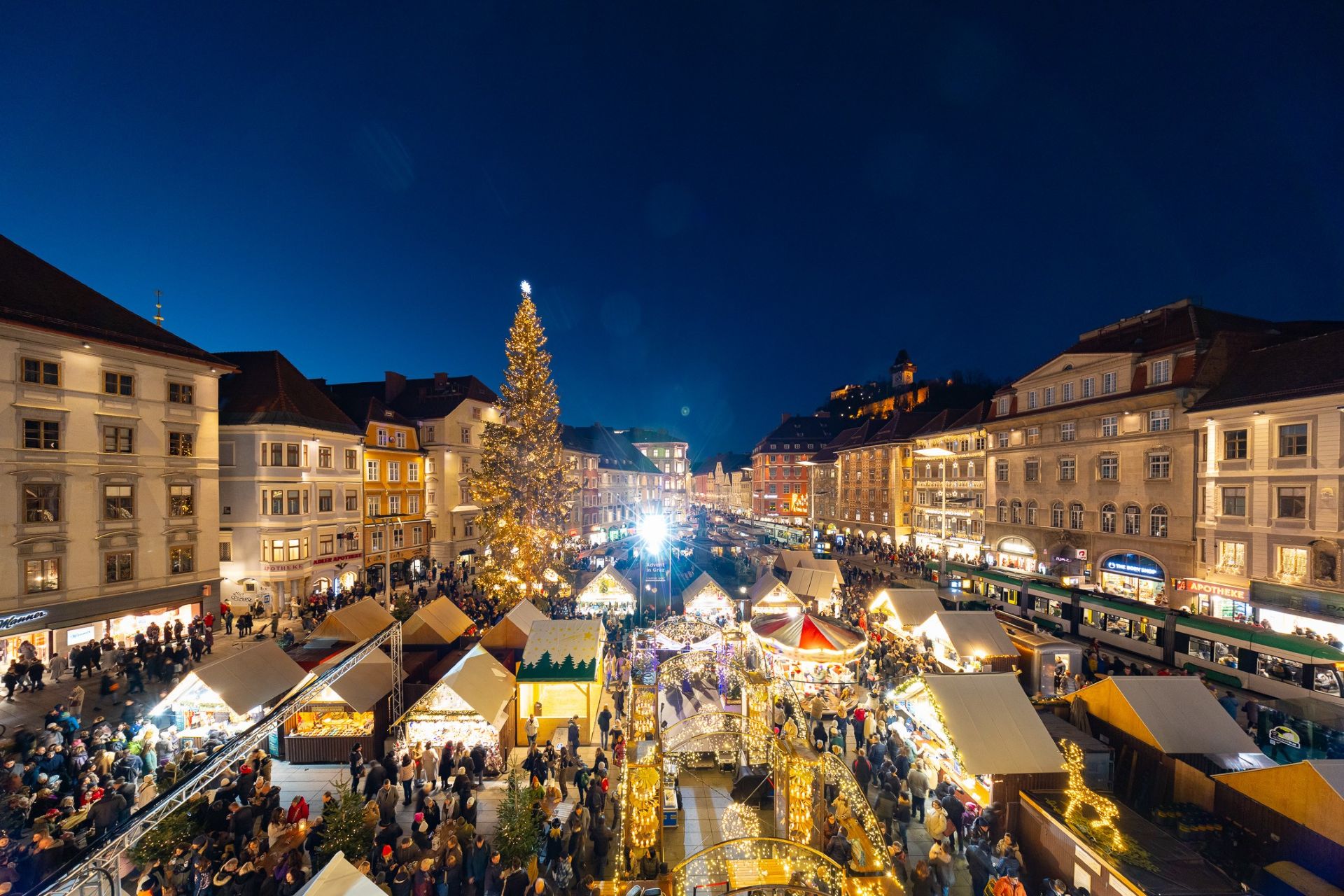
Christmas market on Graz’s main square (©Region Graz/Harry Schiffer)
Graz Region
Best for: Culture with snow on the side
The Graz region takes the cultural offering one step further, particularly when Advent arrives. Austria’s second city is a UNESCO World Heritage Site, a UNESCO City of Design and the country’s culinary capital, with a historic centre that folds around the Schlossberg, contemporary architecture such as the Kunsthaus and Murinsel, and a distinctly lively creative scene. In winter, the city takes on another character, with Christmas markets, lights and seasonal traditions woven into the streets and squares.
There are 15 Christmas markets within easy walking distance of one another, ranging from traditional and regional to artisan and contemporary. Among the most distinctive sights is the world’s largest ice nativity scene, which fills the Landhaushof courtyard with around 35 tonnes of crystal-clear ice and celebrates its 30th anniversary in 2026. There is also Graz Winter World, a 3,000-square-metre ice rink beneath the Schlossberg, while the town hall becomes a giant Advent calendar and the city’s streets fill with festive lights.
The countryside brings a different pace. Just beyond the city, small village markets, decorated farmhouses and regional specialities offer a more traditional take on Advent, while excursions provide another route into Austrian culture. At the Austrian Open-Air Museum in Stübing, historic farmhouses and other rural buildings from across Austria and different periods have been carefully preserved, offering an insight into the country’s architecture, traditions and ways of life. During Advent, the museum goes a step further with a seasonal programme centred on traditional customs and crafts, bringing some of that history to life.
Discover more inspiration and plan your escape at austria.info