



The World’s Longest Coastal Path Opens In England
By
2 hours ago
You'll soon be able to walk the entirety of England's coastline
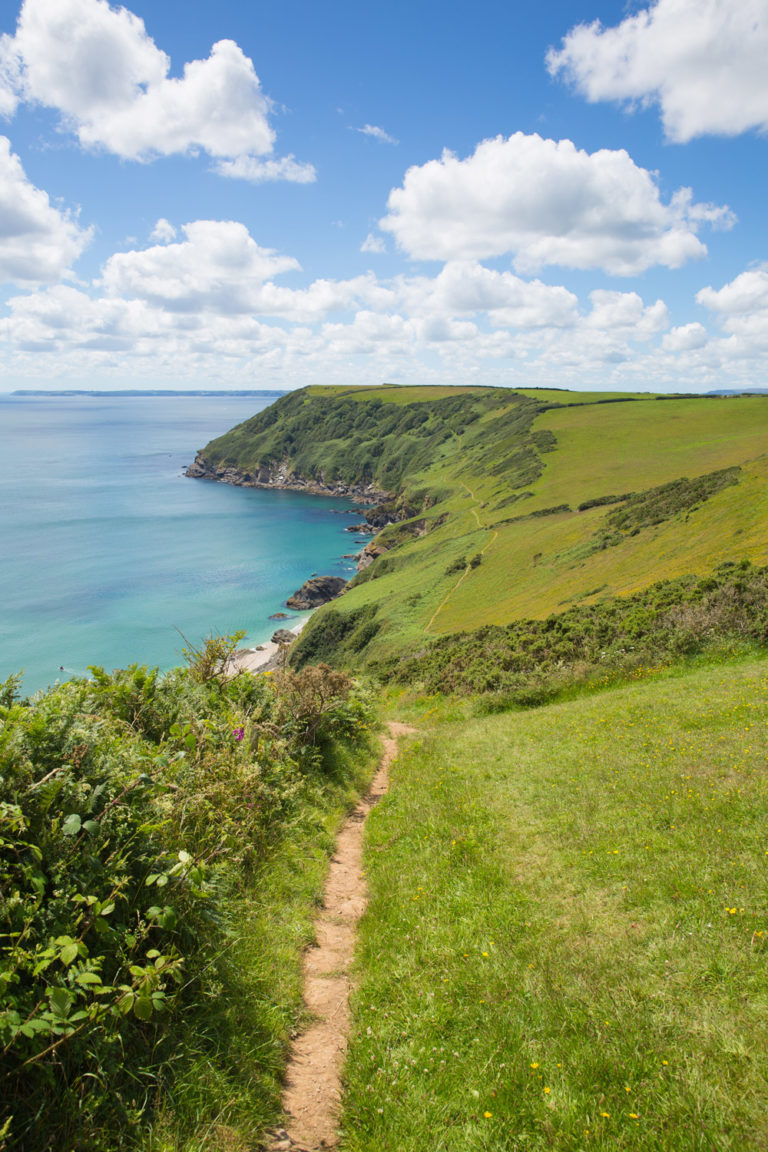
Home to endless rolling hills, country lanes, cliffside paths and ancient woodlands, England has long been a haven for walkers. But those yearning for a great British hike now have an exciting new path to traverse. Later today, after 16 years of work, a new trail stretching around the coast of England is being inaugurated as the King Charles III England Coast Path. At nearly 2,700 miles it’s the longest managed coastal walking route in the world, running from Northumberland’s Berwick-upon-Tweed all the way down to Land’s End in Cornwall.
What Is The King Charles III England Coast Path?
The long-awaited path allows walkers to explore the full extent of England’s coastline – including many areas previously inaccessible to the public, such as beaches, dunes and clifftops. The route passes through a variety of picturesque landscapes, from salt marshes to nature reserves to working harbours and coastal towns, with opportunities to spot wildlife and historic ruins along the way.
Works to create the path began back in 2009 following the Marine and Coastal Access Act, with the project renamed in 2024 to mark the coronation of the King. It was a complex process which required years of meticulous planning and work: although much of the coastal route already existed, many new paths had to be built and other parts upgraded by installing bridges, resurfacing walkways and removing stiles.
Naturally there were plenty of challenges along the way, notably the impact of rising sea levels which meant sections of the route had to be remapped due to coastal erosion. Nature England, which ran the project, also had to grapple with budget cuts, long-winded paperwork and material shortages – not to mention a global pandemic, which halted progress in 2020. In spite of all this Nature England’s Neil Constable, who was at the helm, described it as ‘the best thing I’ll do in my working life’, noting the pure joy of being able to roam beside the sea for as long as you like.
Around 80 percent of the route is now complete and open for public use, with the rest due to be finished by the end of the year. And Natural England will be keeping a close eye on it over time: new English law states that if there are signs of the coastline eroding, the route must be moved further back to protect the path’s future.
While the majority of the path allows for continuous walking, there are a few places where hikers must briefly leave the trail – in north-west England, for instance, you’ll need to hop on a ferry across the Mersey. And, indeed, one stretch in Devon requires walkers to wade through a river (carefully timing their journey to ensure the water is at low tide).
Seven Sisters: The UK’s Newest National Nature Reserve
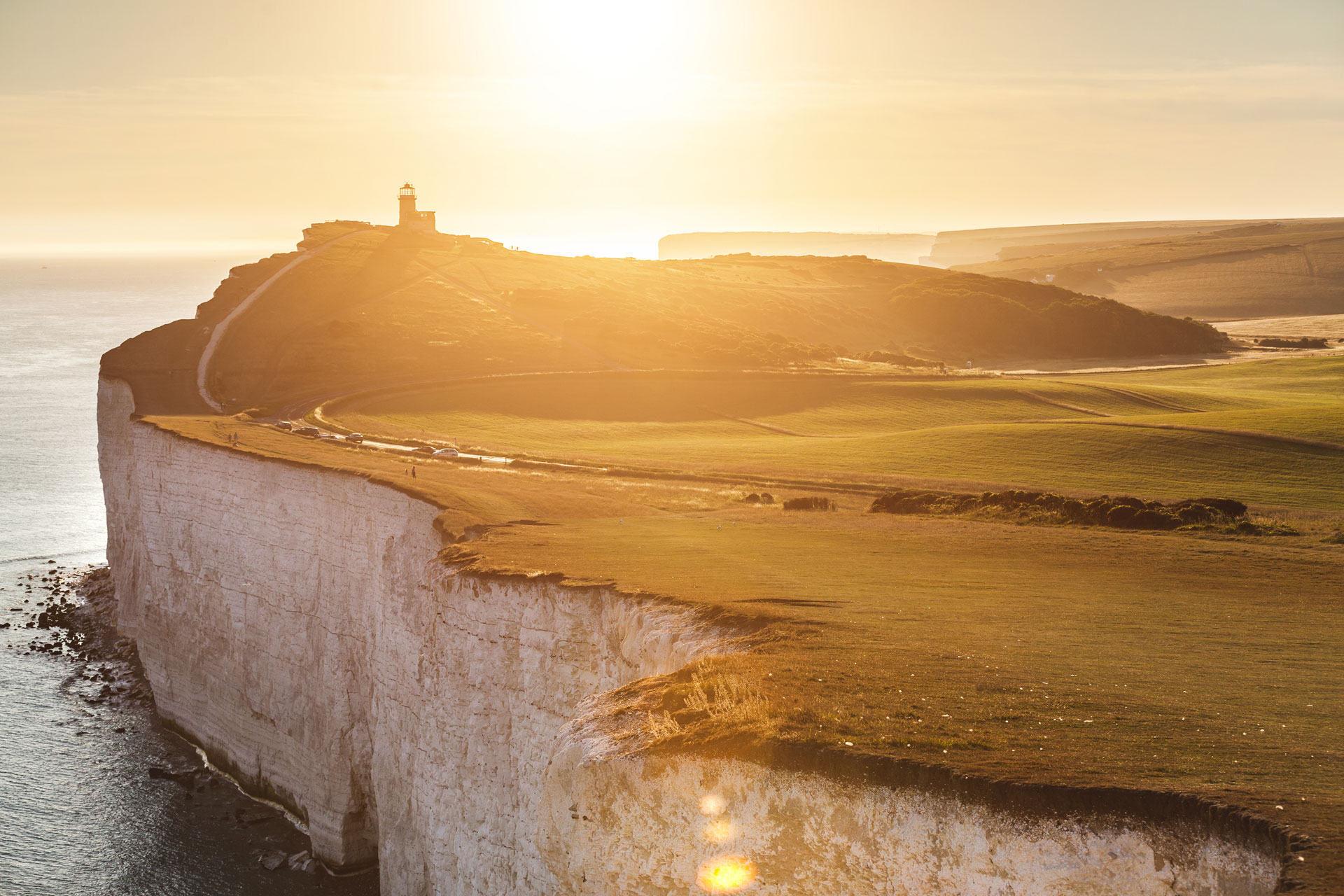
The route includes the Seven Sisters in East Sussex, which has today been formally declared England’s newest National Nature Reserve. Spanning 1,500 hectares, the site has been recognised on account of its numerous rare habitats, from chalk grasslands to floodplain meadows, and wildlife like the chalkhill blue butterfly, yellowhammer and bee orchid. Walking across all seven cliffs is one of the UK’s most popular day hikes, taking you through places like Cuckmere Haven (where the river meets the English Channel), the coastal hamlet of Birling Gap and Beachy Head Cliffs, which offers unparalleled views over the sea.
Getty Images
‘This remarkable nature-rich landscape formed over millions of years and today is home to a vast array of wildlife including special plants, insects and birds,’ says Tony Juniper, chair of Natural England. ‘Deriving its unique character from the special chalk geology, this new nature reserve is not only beautiful and diverse, but also a source of the pure water used in many local homes and businesses.
‘The Seven Sisters National Nature Reserve creates a bigger, better and more joined-up space for nature and paves the way for nature’s protection and recovery across more than 1500 hectares in this iconic part of England.’
You can find out more about The King Charles III England Coast Path at nationaltrail.co.uk