


Why Is The UK Facing A Pumpkin Shortage?
By
5 days ago
Extreme weather has impacted pumpkin crops
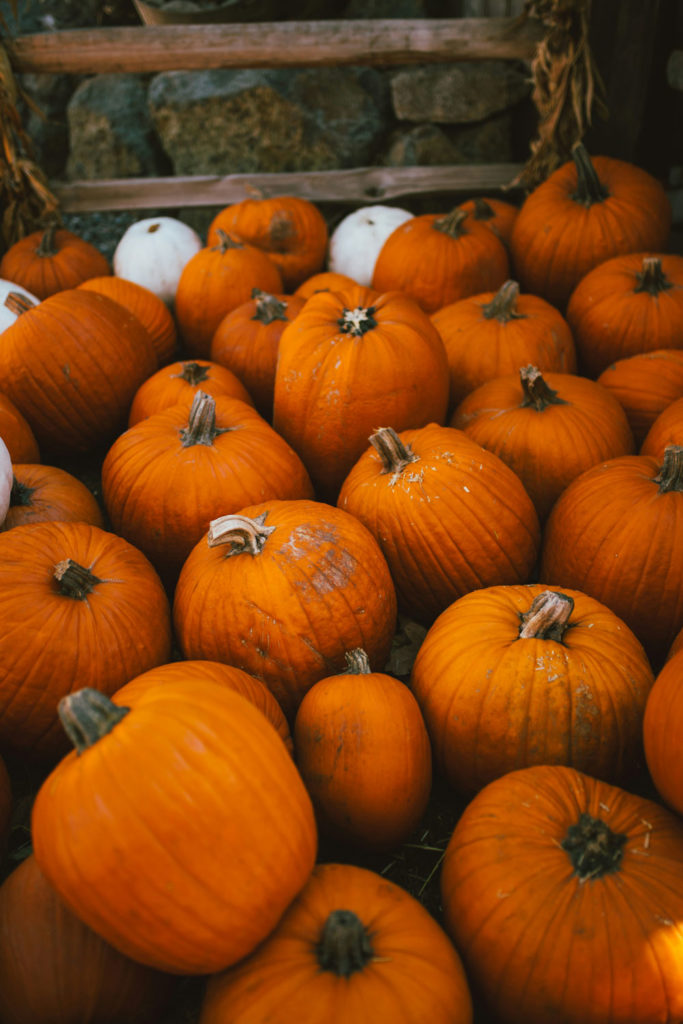
Carved jack-o’-lanterns have long been the poster for Halloween, but pumpkins may be harder to get your hands on this year – and it’s all down to climate change. Many British farmers are reporting that their pumpkin patches have been significantly affected by this summer’s weather, which saw several heatwaves and widespread drought.
How Climate Change Is Impacting Halloween
Summer 2026 was the UK’s hottest on record, with 40 days of temperatures soaring above 30C. Meanwhile, long periods of prolonged dry weather meant drought was declared in over half of England, leaving land across the country parched and resulting in issues with crop growth – including pumpkins.
Liz Paterson and Andrew King, farmers at Ruffins Farm in Bury St Edmunds, told the Press Association: ‘The pumpkins just didn’t grow this year. We could have tried to irrigate, we have got water, but we also have 500 breeding ewes, so we needed to give the water to them. I think the weather was too hot as well, they just didn’t pollinate, so it just never worked at all really.’
In previous years the couple have grown around 10,000 pumpkins, but this year this figure dwindled to just 50.
Meanwhile, Eleanor Gilbert of Rookery Farm has been documenting the impact on her social media platforms. She says the pumpkins are down by 50 or 60 percent on previous years: ‘I always overplant so I’ll have enough but not the extra which I’d use for wholesale or for decorations.’
And not only are there less, the ones which are growing are a lot smaller in size, adds Gilbert – pumpkins are 90 percent water, so without it they won’t develop to a normal size.
Guy Barter, the chief horticulturalist at the Royal Horticultural Society, told the Guardian: ‘Pumpkins are on the small side this year unless heavily watered. Such drought makes watering sufficiently very difficult to accomplish in practice. Pumpkins are relatively drought-tolerant but this year the weather stretched their tolerance to the limit.
‘The heat later and some drought stress caused fruits to ripen earlier than usual. Their dry matter content and rind hardness are both excellent so the crop should store well, although commercial pumpkins become worthless the day after Halloween. That’s a pity as they make lovely soups until the new year when the much tastier winter squashes take over.’
Pumpkins are one of many foods facing shortages as a result of extreme temperatures and unpredictable weather conditions. Earlier this summer, farmers reported struggles with growing radishes, brassicas, chard, broccoli, peas and cabbage, while potato yields dropped and Sainsbury’s had a shortage of cucumbers.
We spoke to Luke King, supply and technical director at organic vegetable box company Riverford, about the shortages. ‘More frequent extremes of weather will make farming increasingly unpredictable, affecting yields, harvest timings and, ultimately, food prices,’ he told us. ‘We need farming systems that can cope better with droughts and floods, alongside policies that support long-term investment in healthy soils, water storage and resilient infrastructure.’

Why Are Pumpkins Associated With Halloween?
There are many stories claiming to be the origin of the Jack-o’-lantern. The most popular, though, is the tale of Stingy Jack, which comes from a 17th century Irish folktale. Stingy Jack was a notoriously greedy blacksmith, and as the story goes he invited the Devil to have a drink with him – but, true to his name, he had no intention of paying. He persuaded Satan to turn himself into a coin to settle the bill, then trapped him in his coin form, only freeing him after reaching an agreement that he wouldn’t bother Jack for several years.
And this wasn’t his only trick: years later, Jack managed to fool the Devil again. He convinced Satan to climb an apple tree to pick some fruit, quickly carving a cross into the bark while the Devil was up in the branches to trap him in the tree. This time, Jack made the Devil promise he would never take his soul to hell.
However, when Stingy Jack eventually died, he was refused entrance into heaven. He travelled to the gates of hell instead… but was turned away there too. Left stranded between the two, Jack begged for some light and the Devil tossed him a small ember, which he placed inside a hollowed-out turnip he had been eating. And so the tradition of carving turnips with scary faces was born, believed to frighten away Jack’s wandering soul.
Many generations later, when Irish immigrants moved to the United States, the turnip tradition changed to native pumpkins. Over the years, this spread around the world.