


Which Foods Are At Risk Of Shortages From Extreme Weather?
By
3 months ago
With soaring temperatures and impending droughts, farmers are warning British foods could be at risk
In case you haven’t noticed, it’s been pretty warm here in Britain lately. The country has faced three consecutive heatwaves, with the Met Office confirming June as England’s hottest month on record, and temperatures soaring to over 37°C in some areas.
Meanwhile southern and eastern regions are facing the longest spell without rain in 30 years, moving these areas close to drought. According to the National Drought Group, eight areas of the UK are now in prolonged dry weather – the stage before drought – including East Anglia, Northamptonshire, London, Wessex and the South Downs.
This is having a severe impact on the environment, sparking wildfires as well as drying out ponds and wetlands. And unsurprisingly, it’s also impacting our food supply, with farmers warning the current conditions could lead to shortages later in the year.
Farmers Warn UK Could Face Food Shortages
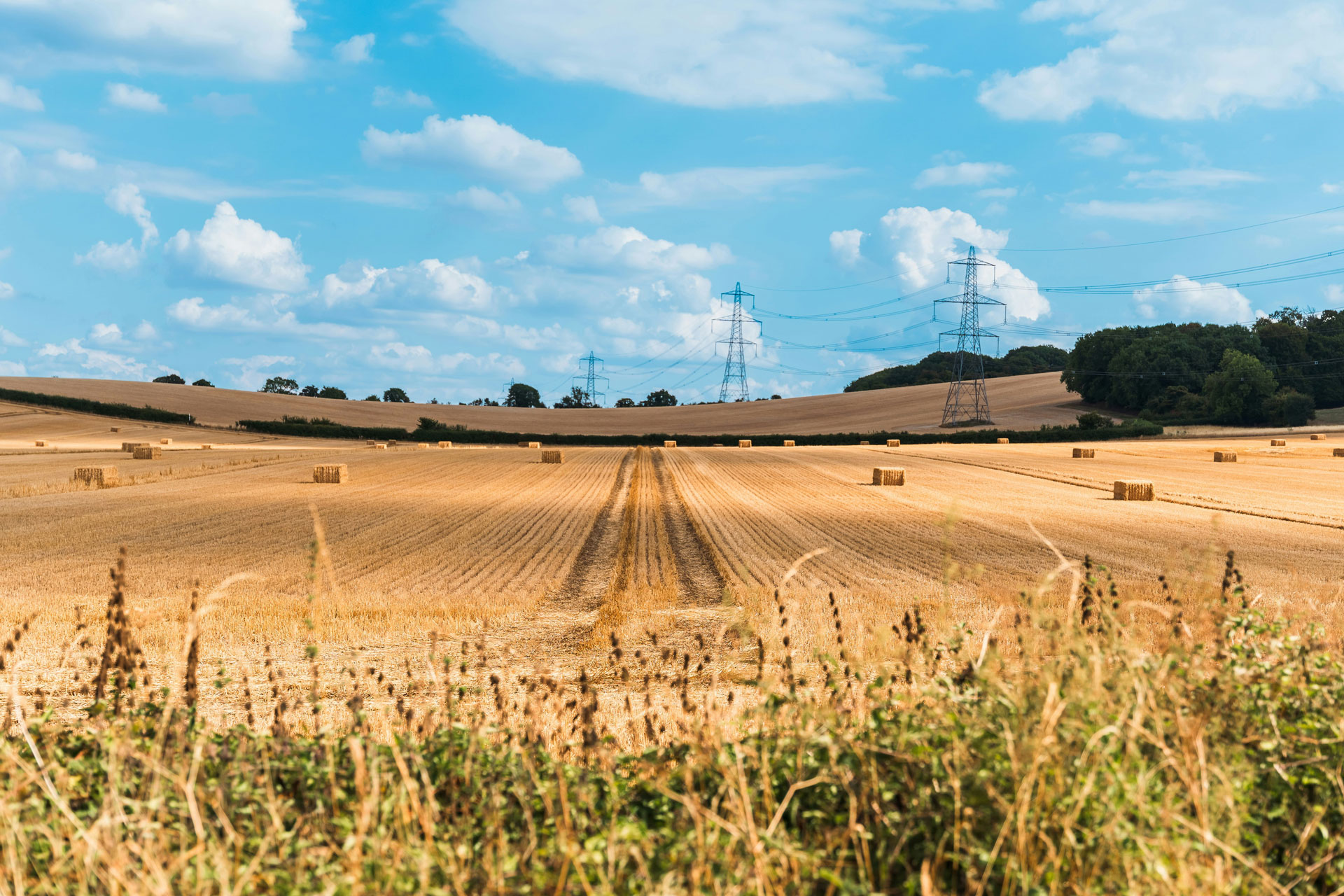
England received only three per cent of its average July rainfall by the middle of the month, and crops across the country are being heavily impacted as a result. As Paul Tompkins, deputy president at the National Farmers Union, says: ‘Farmers and growers across the country are working around the clock to harvest crops which have come early, keep fruit and vegetables watered, and care for their livestock.
‘Parts of the country, particularly in the east and south, have seen exceptionally low rainfall this spring and summer, creating real challenges for farm businesses. For many arable farmers, this could be another difficult and expensive harvest after extreme weather impacts in both 2024 and 2025 which saw both drought and flood.’
Unsplash
Water shortages are going to be a crucial issue going forward, says Lucy Jones, chair of Cornwall Food & Drink Group and director of The Cornish Food Box Company. ‘There will be issues already across this winter and into next spring as the yields and quality of store crops such as potatoes, carrots and onions are already affected. If this dry period is prolonged further it will severely impact planting and yields of the winter crops too. Those farmers that can irrigate have higher costs but don’t get higher prices from their crops.’
Luke King, supply and technical director at organic vegetable box company Riverford, adds: ‘If crops fail due to a lack of water, that has a huge impact on supply and if they fail here and in Europe where we would normally import from, then it means food would need to be brought in from even further away if at all available.’
Which Foods Are At Risk?
Although supply is yet to affected at Riverford, many farmers are already reporting changes. Jude Allen, head grower at Wild Farm in Hertfordshire, tells C&TH that although the heat is allowing some fruits and vegetables – such as courgettes, raspberries and peppers – to thrive, others are struggling. She notes that radishes, brassicas, chard and delicate herbs are bolting or flowering prematurely, affecting their appearance, flavour and usable growing window.
‘Extreme heat doesn’t necessarily mean that everything fails, but it makes growing far less predictable,’ Allen explains. ‘Some heat-loving crops are thriving and arriving much earlier, while others are bolting before we can harvest them. That can leave growers with a glut of certain produce but a shortage of crops that would normally be dependable at this point in the season.’
The hot, dry weather is proving detrimental for pea growing too. Peter Judge, a spokesperson for Choose British Peas, notes that ‘the heatwave has posed a challenge for pea growers in England especially, as it hit during peak harvest. Peas are a cool‑season crop by nature, so when temperatures remain high for long periods, it puts the plants under real pressure at a crucial point in their development.’
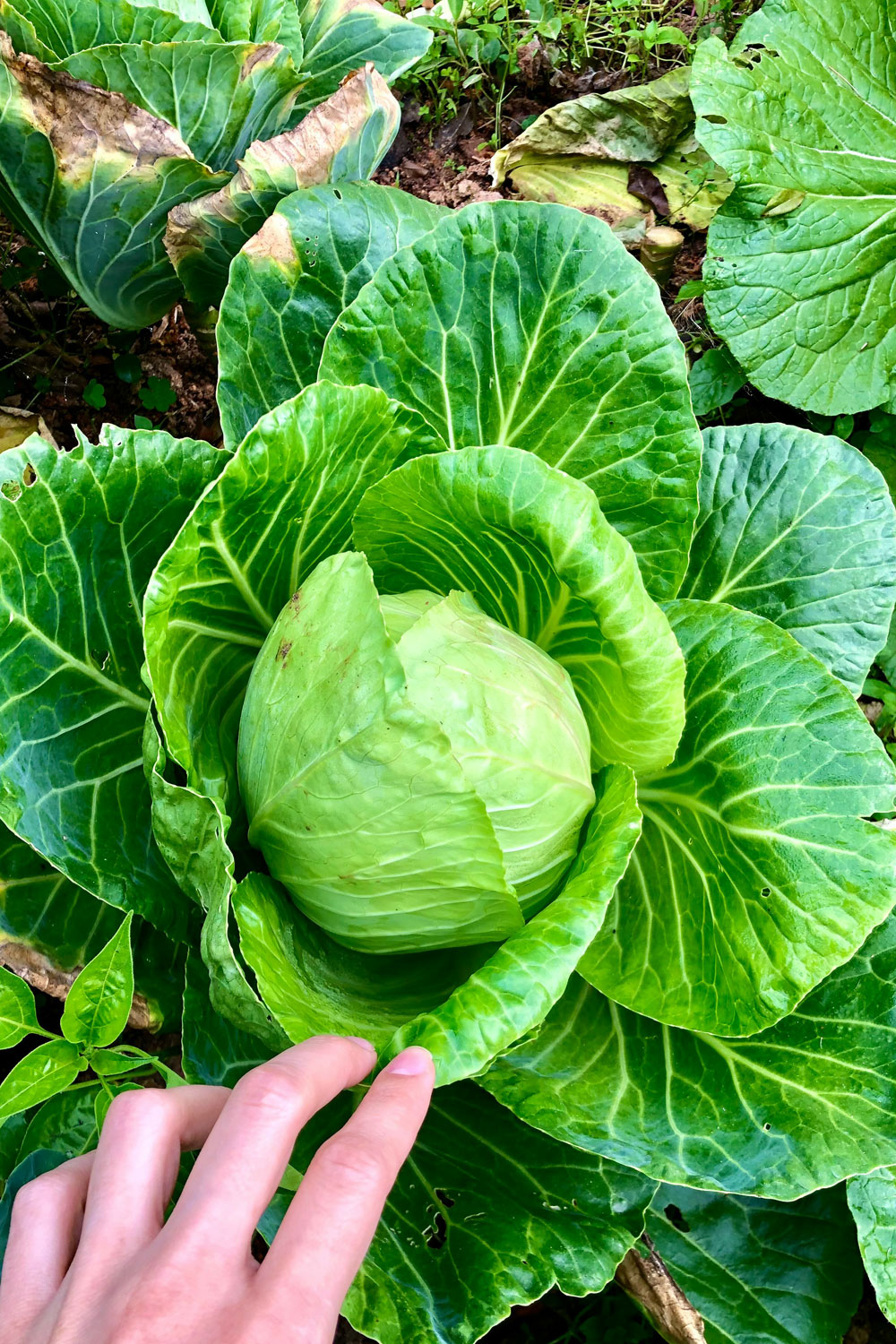
British brassica crops including broccoli, cauliflower and cabbage are also being affected. According to the Brassica Growers Association, the prolonged heat and lack of rain is ‘proving to be a disaster’ for brassica crops. ‘Fields of broccoli, cauliflower and cabbage have now stopped growing and have become dormant, while available produce is smaller in size and weight, with the likelihood of crops bolting before reaching maturity,’ adds the trade body.
Unsplash
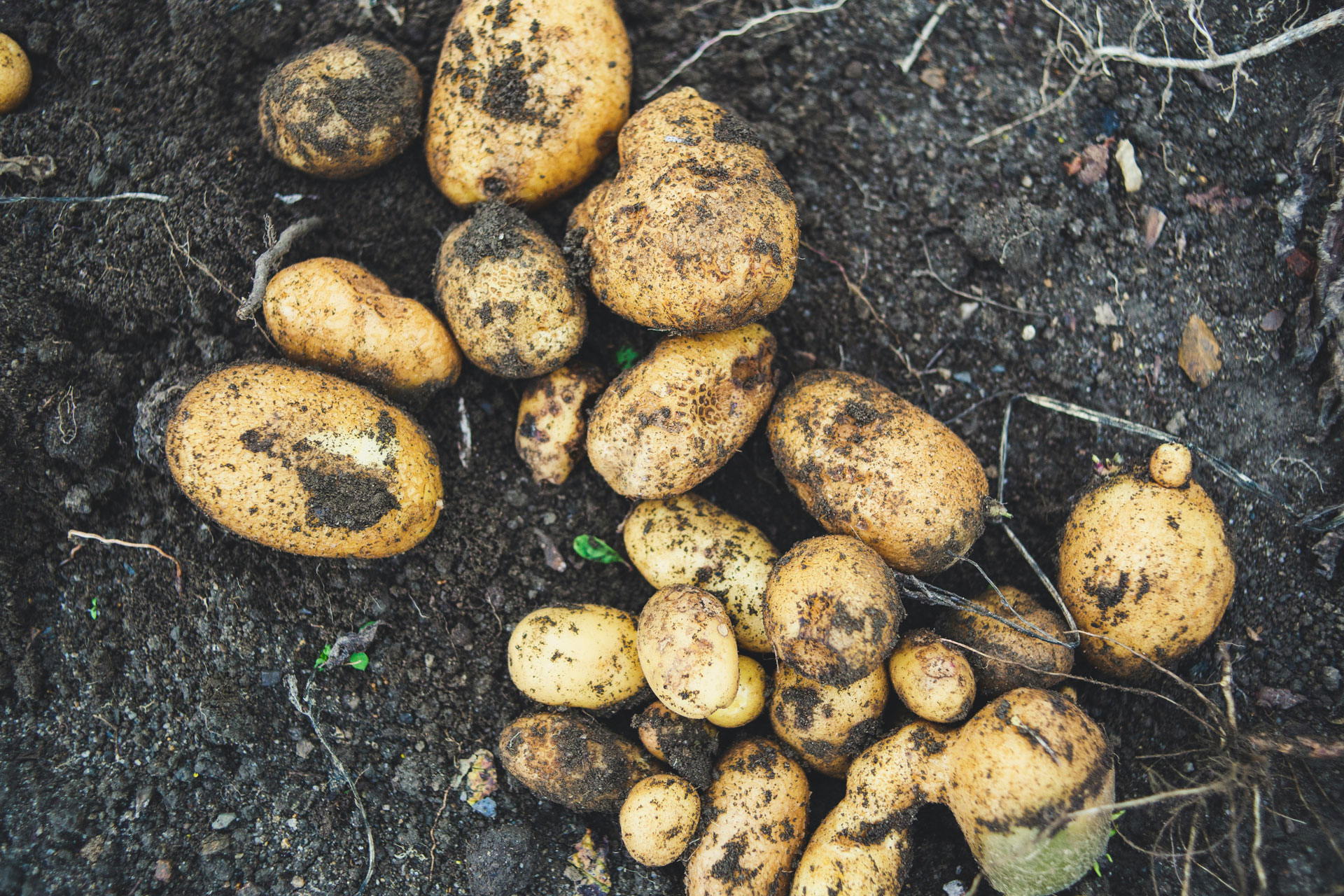
Cucumber is another food at risk, with Sainsbury’s reporting issues with supply due to extreme heat in international growing regions (the UK only grows 20 percent of its own cucumbers). Potato yields, too, have dropped, as potato plants shut down when temperatures exceed 23°C. Going forwards, this could mean an increasing number of potatoes with irregular shapes, deformities, internal defects or scarring.
Chefs who rely on seasonal produce have already had to make changes to menus. Johnny Stanford, head chef at Tern in Worthing, noticed that elderflower arrived and disappeared unusually quickly this year. It was a similar story for the British asparagus season, according to Great British Menu winner Nick Beardshaw (currently at the helm of Starling Esher).
It’s not just fruit and vegetables that are being impacted, either. Warmer weather also affects seafood availability: for instance, Scott Paton of Àclèaf tells us some Scottish langoustine and scallop suppliers are reluctant to courier produce during extreme heat as it may not survive the journey.
Hot weather also presents challenges for livestock farmers, Jones points out, due to the lack of grass for feeding. ‘Many of our dairy farmers have cattle that should be out grazing in the fields inside on winter feed,’ she says. ‘If we don’t get the right amount of rainfall in the later part of the summer there will be a severe shortage of winter feed, especially in the spring. If we have a cold and wet spring next year which delays getting cattle back out on to pasture many farmers will be facing a very difficult period where they will run very short of feed.’
What Does The Future Hold?
Right now, it’s still fairly early in the season and the harvest is just getting underway. Farmers have stressed that the next 10 days will be critical: if rain arrives soon, crop stress may ease, but if dry conditions continue shortages could develop. Some people, like Judge, are optimistic. ‘There are positives when you look more broadly across the UK, like in Scotland where it’s been much cooler and the harvest is only just getting underway, meaning growers are feeling optimistic about what’s to come,’ he says. ‘So while the weather has been testing, there’s real confidence across the industry. Growers are still in a strong position to deliver a great crop this year.’
But longer term, the outlook is worrying. ‘I think those in the food and farming industry can see just how bad things really are,’ Jones says. ‘The UK relies heavily on imports of fresh veg and fruit from areas outside of the UK. Many of these areas such as Spain are suffering from extreme weather meaning the UK has to look elsewhere for supply. Extended supply chains in an increasingly unstable world present a national security issue for the UK which the government seems to be just waking up to.’ There is hope though, she adds: ‘Through investment in a sustainable renewable energy-based horticultural system the UK can increase its self-sufficiency and food security. This will mean adaption of growing techniques and types of crops to suit the changing climate.’
King agrees. ‘More frequent extremes of weather will make farming increasingly unpredictable, affecting yields, harvest timings and, ultimately, food prices,’ he says. ’We need farming systems that can cope better with droughts and floods, alongside policies that support long-term investment in healthy soils, water storage and resilient infrastructure.’ Riverford is investing in pioneering new technology to help navigate through droughts, such as using Raindancer tech on water guns for precision watering and probes in the polytunnels, which check which plants need water the most – therefore using water in the most responsible way.
He also notes the importance of organic and agroecological farming styles, which work to build healthier soils and help farms become more resilient over time. ‘No farming system is immune to climate change, but investing in resilience now is essential for future food security.’