


How Burberry Bounced Back
By
9 months ago
Burberry has long been a British fashion giant, but it's tricky economic waters for the luxury brands of today. No worries, though, Burberry has charted uneven courses before – this is its rise and fall story
From trenches to tech revolutions, Lisa Armstrong charts the tale (and comeback) of Burberry, one of Britain’s most enduring luxury exports – and why its next chapter matters as much as its past.
How Did Burberry Rise, Fall And Then Rise Again?
Anyone landing at Heathrow Terminal 5 could be forgiven for inferring that Burberry, rather than Buckingham Palace or Beefeaters, is the nation’s mascot. The superbrand’s electronic ads dominate the vast arrivals hall, as changeable as the British seasons: Olivia Colman’s wintery turn in a field next to an old-school Range Rover is followed by Kate Winslet in a sand-coloured trench framed by wisteria; Jodie Turner-Smith under a Burberry-checked umbrella; Richard E. Grant, Naomi Campbell and David Gandy all in various degrees of sodden ecstasy for its summer campaign. Ecstasy because they’re wearing Burberry outerwear. Tagline: ‘It’s always Burberry weather: London in love.’
Those images tap into a Beefeaters-and-Windsor-Castle view of Britain, but they’re not untrue. They’re charming, diverse, warm, optimistic, beautiful, often celebrating one of this country’s greatest assets: its countryside. Britain could do with a little more Burberry right now. And the truth is, Burberry needs Britain. It couldn’t exist without this country’s can-do, inventive Victorian spirit.
From Burberry’s Early Days To British Wardrobe Staple
Thomas Burberry, a trained draper’s assistant, was 21 when he launched the brand from Basingstoke in 1856; 45 when he invented the waterproof gabardine; 57 when he opened a swanky store on London’s Haymarket. The Burberry trench would prove foundational, though it was initially a strictly form-meets-function garment. Even the ambitious Thomas B couldn’t foresee that, 145 years after its debut, it would become a fixture on every ‘five fashion classics you should own’ list.
This ‘performance’ item (long before Nike or Puma were a glimmer in anyone’s eye) became the outerwear of choice, not just for the ever-expanding middle classes pursuing the new-fangled pastime of the British minibreak – which was pretty much invented by Thomas Cook – but also as an expedition must-have for the explorer Ernest Shackleton. ‘There is no such thing as bad weather, only the wrong clothes,’ the British explorer Sir Ranulph Fiennes famously said. Burberry took this to heart and made it a religion.
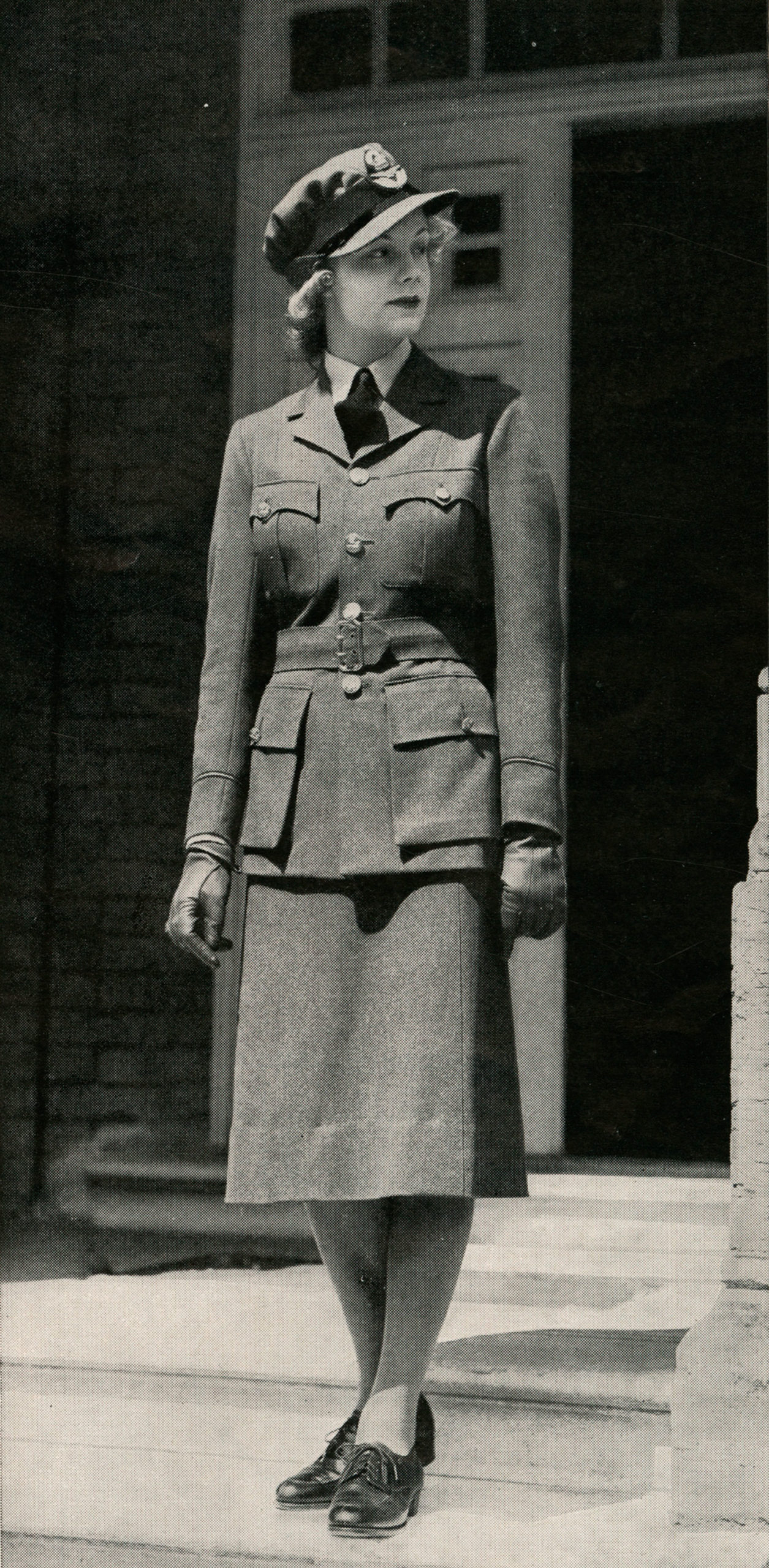
Archival 1940s imagery of Burberry
Serving officers in the Boer, First and Second World Wars wore it, though lower ranks were not granted the pleasure. Roald Amundsen, the first man to reach the South Pole, was a fan. George Mallory wore a trench jacket on his attempt to ascend Everest in 1924.
Hermès has leather. Rolex has chronographs. Burberry has gabardine raincoats, which represent a very specific British luxury: not soft or decadent, but rugged and pragmatic. Once civilians could see the value of gabardine, the sky was the limit for the label – literally. It designed special aviation garments for Mrs Victor Bruce for her 1930 round-the-world flight, as well as her one-woman flight to Japan. Since you ask, Mrs Bruce chose a reversible coat with waterproof gabardine on one side for flying, and a tweed inner, which she turned to the outside to create a smart look for disembarking in the full glare of the photographers’ flashbulbs.
Over the next five decades, Burberry (or Burberry’s, as it was then), still under family control, solidly built out a sporty-but-smart offer, adding a distinctive check pattern in the 1920s. By the early 40s, Hollywood had pounced on the allure of its wide, turned-up lapels and waist-defining belt. Beloved by ruggedly handsome, inwardly tortured private souls, the trench soon became a wardrobe backbone for everyone from Humphrey Bogart and Lauren Bacall to, much later, Kate Moss, Sienna Miller and the late Stella Tennant.
In 1955, the Burberry family sold its namesake to Great Universal Stores, which spent the following decades doggedly signing off agreements with manufacturers around the world to produce lines for men, women and children under licence. While it never forgot its quintessential Britishness (Lord Lichfield, a cousin of the late Queen Elizabeth II and master of a certain kind of misty-eyed Britishness, became a regular campaign creator), like so many labels it sold its name too far and widely. Just as at Gucci, Pierre Cardin and Dior, quality and style were sacrificed.
The 90s Comeback
Allow me to transport you back to 1997. Rose Marie Bravo, a fast-talking buyer from the Bronx who’d worked her way up to become vice president of Saks Fifth Avenue, takes the wildest punt of her life and accepts the job of CEO at a quaint but tired British brand so far off the fashion radar it could have been selling mints. A few months later, she invites a handful of London’s fashion editors to see what she’s been working on. I am one of them.
That capsule featured a checked mini kilt and some promising knits and lit enough of a spark to get the Burberry flame going. The fiddly apostrophe was soon dispensed with. Could Britain be about to find its own Gucci, which, under Tom Ford, had staged a Lazarus-like comeback from the dead in Milan by sloughing off all those brand-damaging licences and investing heavily in a new design team and ethos?
It could. In the following years, that presentation grew from static to buzzing. The first one, designed by its new creative director Roberto Menichetti – the Italian-American designer who has been largely written out of the brand’s history – was held in the company’s palatial new showrooms in a 19th-century building on Haymarket, which had been the site of an early Burberry store. Menichetti brought an Italian’s perception of luxury to Burberry. If occasionally overwrought and heavy, it was also lush and helped change perceptions about London being an inhospitable incubator for true luxury. The effect on the capital’s confidence in its fashion industry cannot be overestimated.
Tom Ford, then the creative director of Gucci and Yves Saint Laurent, moved to London, relocating his HQ to Mayfair. Bond Street and Sloane Street boomed. New restaurants and hotels filled with a shimmery new crowd hungry to shop luxury. Kate Moss, in her Burberry trench, seemed to channel Christine Keeler, an earlier figure of scandal and fascination. British style – heavily featuring trench coats, bed heads and skinny jeans – temporarily ruled the world. The city was the place to be, and Christopher Bailey CBE, who replaced Menichetti in 2001, soon moved the shows back to the capital from Milan, which had been considered a step up from the slightly amateurish confines of London Fashion Week but now seemed out of step with the pulse of this nascent British star.
Bailey, a softly spoken, eternally boyish Yorkshireman, had an impeccable CV but was largely unknown to the wider industry, despite having worked for Tom Ford and Donna Karan. Borrowing from the Tom-Ford-at-Gucci playbook, he sloughed off the lacklustre licensed products, doubled down on Burberry’s heritage and hired Peruvian anglophile Mario Testino as lensman-in-chief, introducing cheeky touches like the Burberry checked bikini.
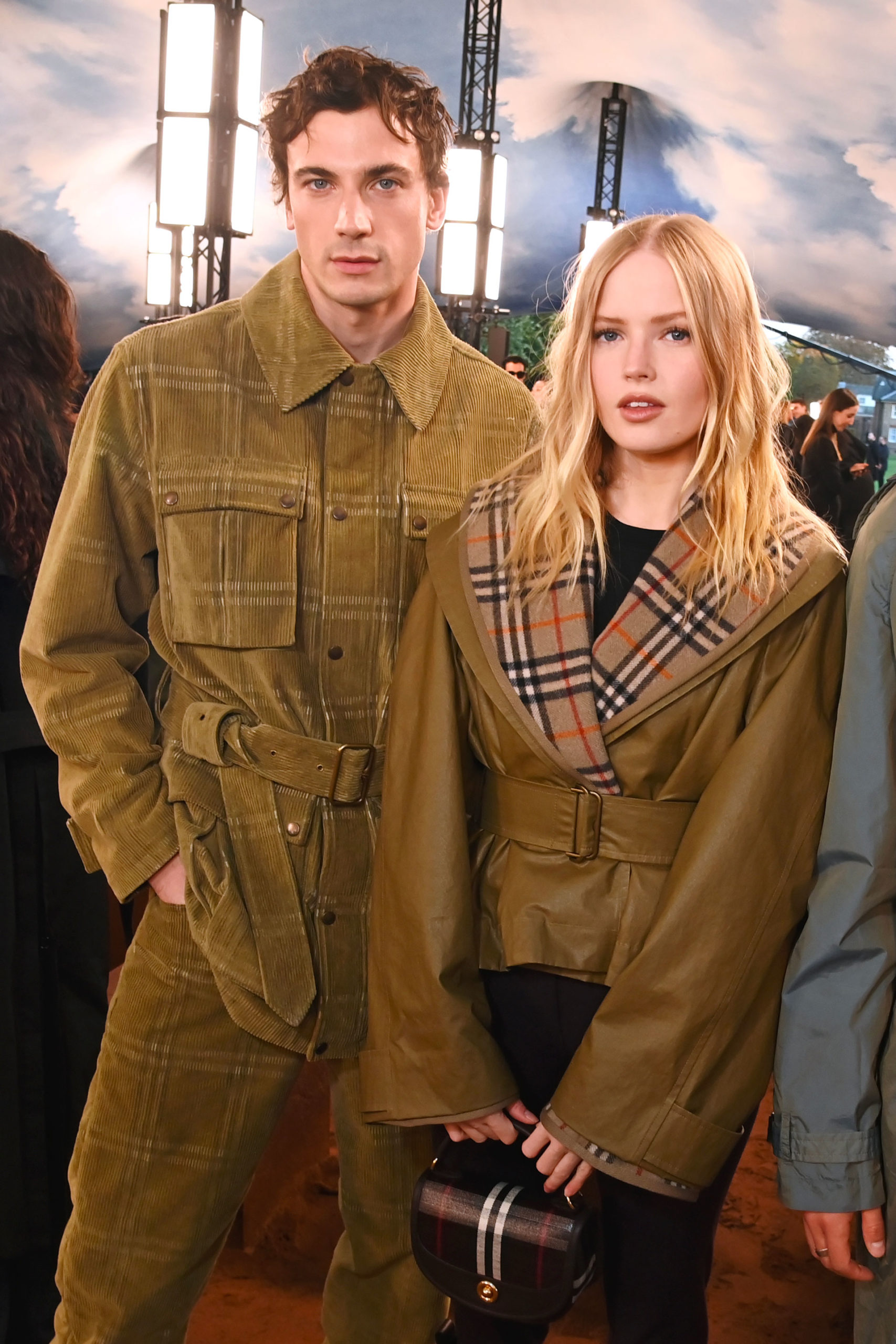
Courting talent… Guy Remmers and Ellie Bamber at 2025’s summer show
In 2002, the company floated on the London Stock Exchange. Before long, both the shows and Burberry’s campaigns became the window for British talent – not just Moss and Miller, but every ascendant comet in the UK’s galaxy of sport, music, theatre and film.
Those huge marquees erected for the catwalk shows twice a year in Kensington Gardens, complete with live British music acts and stellar front rows (the tents were transparent, the better to observe the changing seasons), became a London Fashion Week totem – proof that the country had got serious about building a major home-grown luxury fashion brand.
An Overexposed Icon?
Tall poppy syndrome is another British hallmark. In the early 2000s, Burberry’s classic check became so ubiquitous that it tipped from status symbol into overexposed cliché, seen everywhere from the football terraces to baby buggies. The media got sniffy.
As shares plunged and ridicule mounted, Christopher Bailey, who had by now been joined by Angela Ahrendts as CEO, reacted in that most British of ways: by keeping calm and carrying on – and stripping all but ten percent of Burberry’s products of that check. In due course, everyone moved on, and in 2012, Burberry opened a huge store on Regent Street.
In 2014, turnover hit £2bn. Britain finally had a globally recognised luxury brand in the first division. A few months earlier, I went to their state-of-the-art, 160,000 sq/ft HQ at Horseferry House with the then-editor of The Daily Telegraph to have lunch with Angela Ahrendts. We were stunned by the slickness, ambition and root-and-branch cohesiveness of the vision. This was Burberry in the seat of its tech revolution. One of the first luxury brands to embrace livestreaming its fashion shows and an early adopter of the ‘see now, buy now’ approach, it ceaselessly experimented with new ideas. ‘If it works, it works. If not, we try something else,’ Christopher Bailey told me, grinning. This exhilarating, move-fast-break-things attitude was not remotely business as usual in British fashion.
But in the same year that Burberry hit £2bn, Angela Ahrendts left for Apple in California. Christopher Bailey became CEO as well as chief creative officer – an overreach, perhaps, even for him. By 2017, he’d decided, after almost two decades of relentless pressure, to take some time out for his young family. Marco Gobbetti, hot from Céline, where he had steered Phoebe Philo’s tremendous critical success to an equally impressive commercial bounce, seemed to promise Burberry was in safe and interesting hands.
Riccardo Tisci’s Tenure
Riccardo Tisci, the Italian creative director who’d turned Givenchy from a slightly lost waif of a brand to a supermodel, was announced as Bailey’s successor. But despite Tisci’s achievements at Givenchy, reactions were mixed. No one doubted his talent for working magic with leather accessories, nor for designing clothes with a refined goth sensibility beloved by the Kardashians and Katy Perry. He also had a knack for creating hugely lucrative entry-price catnip that included trainers, t-shirts and nylon bags featuring pictures of Bambi. But would he get Burberry, which stood for a very different, British kind of luxury?
There was a new logo, emblazoned across Burberry’s LA and Cheongdam-dong stores. Tisci collaborated with Vivienne Westwood and Peter Saville, the British graphic designer responsible, inter alia, for Joy Division and New Order album covers. Out went the Burberry knight on a horse; in came pictures on Tisci’s Instagram of Nicki Minaj head to toe in a full-throttle outfit composed of Burberry checks.
It was bold, confrontational, art-school cool – and after four years in the role, it seemed the doubters had been right. ‘This is a house that can be something for everyone – mothers and daughters, fathers and sons,’ he told me after his first show in September 2018. ‘I want to capture everything that’s part of British DNA, from anarchy to conformity, punk to the Queen, rock to rap.’ Nice idea, but Burberry ended up seeming rootless.
More to the point, when Tisci took the brand ever more upstream, introducing ultra-luxury leathers, prices had to rise too – prices that outpaced demand. Tisci’s fanciful interpretations of British tropes sometimes felt as though they’d been run through a rudimentary visual equivalent of Google Translate. The results could be beautiful and precious, but precious is never the defining trait of British luxury. Crafted, timeless, pragmatic, witty perhaps, even whimsical – but luxury here doesn’t take itself too seriously.
Tisci could design luscious trenches, but Burberry has always been about outerwear that protects us from our changeable weather. The climate that makes this country so beautiful on a good day can also be damp and soul-sapping. Our most successful brands and innovations – from Land Rover to Harris Tweed – have always leaned into our elements.
A New Creative Director
Daniel Lee took over from Tisci in 2022, having enjoyed similar cult status at Bottega Veneta. When I interviewed him in 2023, his mission sounded eerily similar to Tisci’s. ‘Burberry should appeal to everyone, from the street to the royal family,’ he said. ‘It has that unique breadth as a brand that means you can push both ways. It’s legitimate to have lower and luxury prices.’
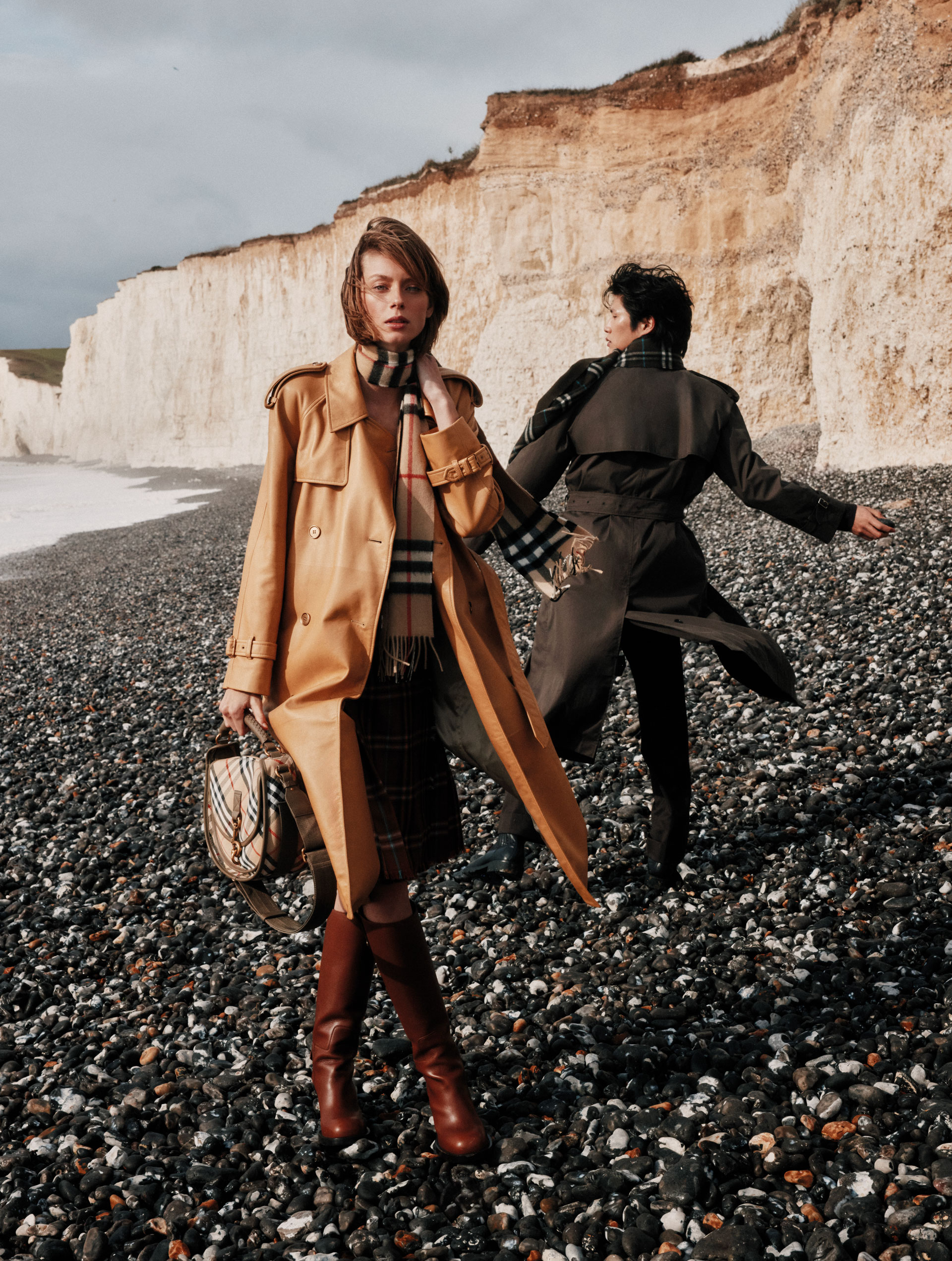
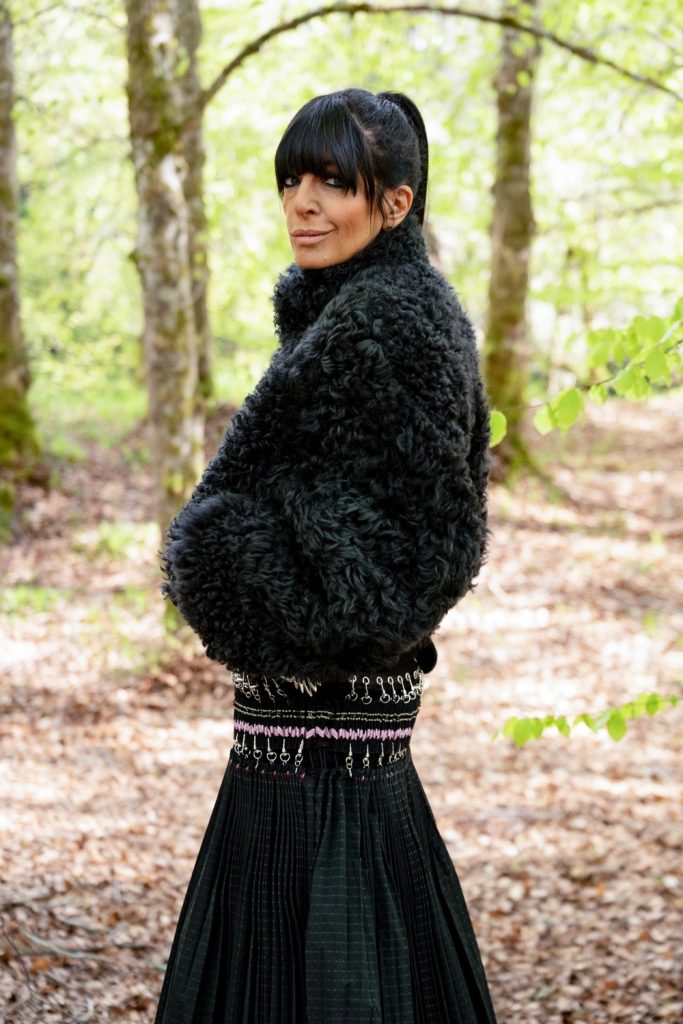
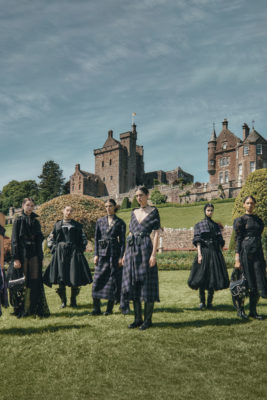
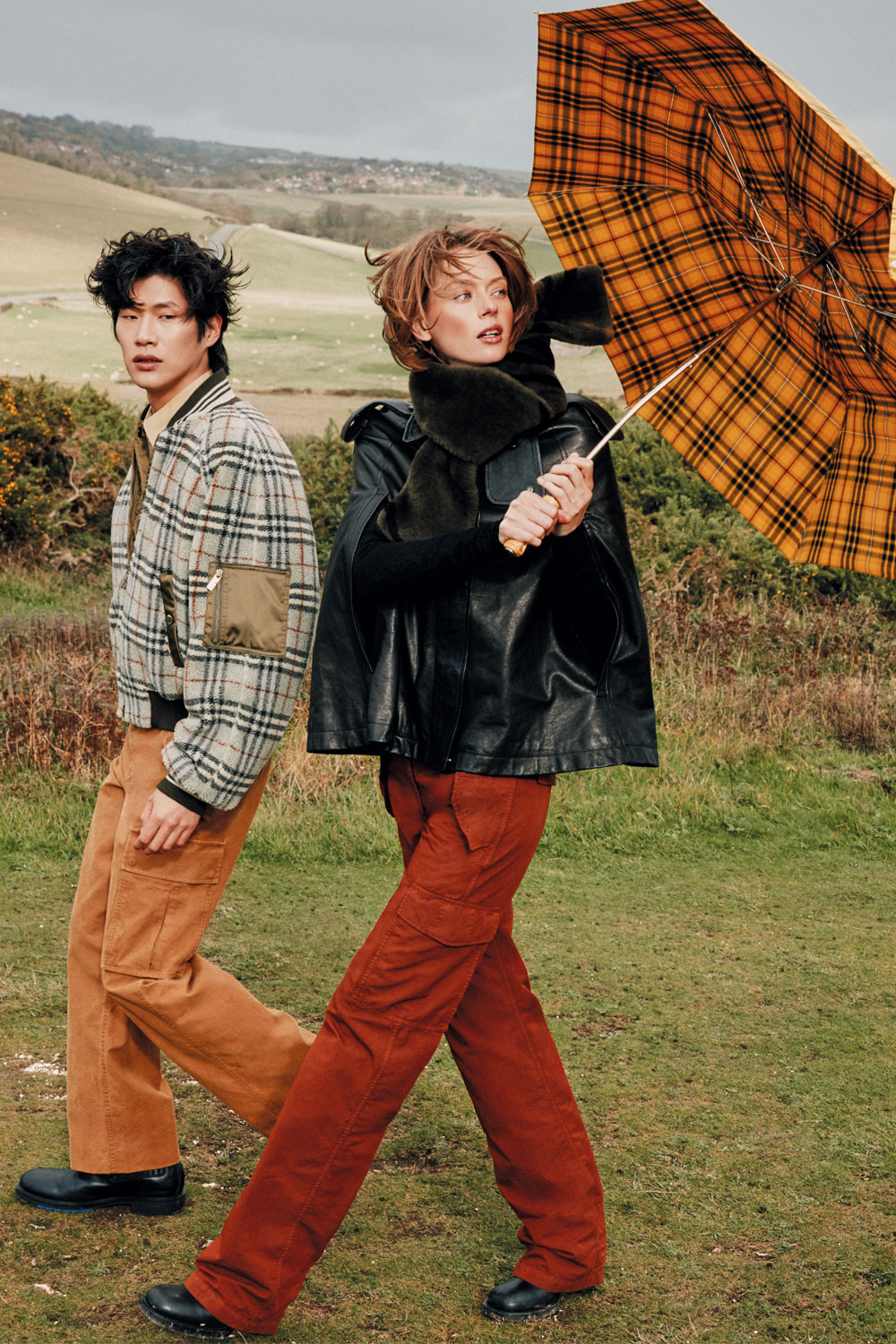
The British touch. Burberry as seen by the quintessentially British south coast. From the C&TH Great British Brands cover shoot. Fashion direction by Nicole Smallwood. Photography by Simon Lipton.
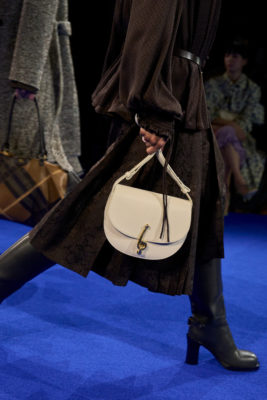
The difference is, Lee understands that British luxury is more robust than the soufflé Italian version and knew immediately that a utilitarian grainy leather you can throw around would be part of Burberry’s core language. Because he’s brilliant at accessories, he knows the touchstones that make boots or a bag bypass the rational part of a consumer’s cortex: exaggerated proportions, slick fastenings, leather that – rugged or not – feels almost creamy to the touch. From the first look on that first Burberry catwalk (a category-defying, bottle-green trench with a fake fur collar that looked both utilitarian and deeply plush, and a new squashy shoulder bag with sheepskin trim), it was clear he’d been working round the clock on every category.
Burberry’s Big Comeback
It hasn’t been plain sailing. Burberry was slow to come out of a Covid downturn, tardy in rediscovering what makes the brand unique and uniquely British. But since Joshua Schulman arrived from Coach as CEO in 2024, morale within and outside the company has risen. Schulman’s candour helps. ‘We are operating in a difficult market,’ he said a few months into the job. ‘However, our underperformance is also a consequence of the decisions we have taken. It stems from an inconsistent brand execution, and a lack of focus on our core outerwear category and our core customer segments. We are acting with urgency to course correct.’
Straight after he’d delivered this speech, shares jumped 19 percent. That confidence was palpable at Burberry’s show in September 2025. ‘I think I’ve grown more confident in letting the clothes speak in a more natural, instinctive way. There’s definitely a sense of ease that’s emerged – not from trying to be more relaxed, but from trusting the codes of Burberry and letting them evolve organically. It’s about being grounded in the heritage, but also allowing room to play, to experiment, and to respond to the world around us and move the brand forwards.’
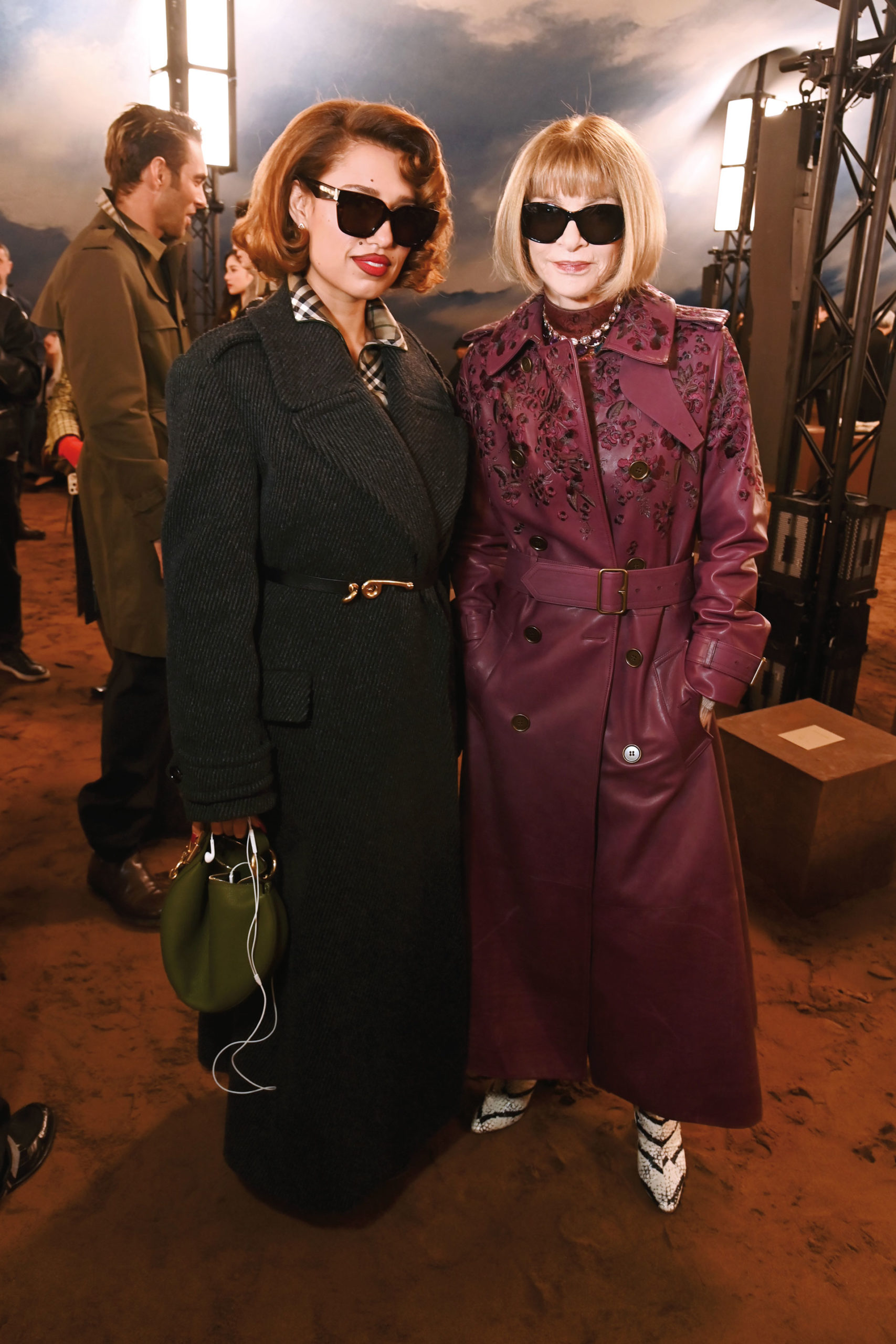
Raye and Anna Wintour don the trench
A huge white and blue marquee near Kensington Gardens saw a Burberry front row that harked back to the good old days: Sir Elton John, the Gallagher brothers, Naomi Campbell, Dame Anna Wintour, Twiggy, and Joanna Lumley (who starred in those 70s Lord Lichfield campaigns) and Jennifer Saunders gamely hamming it up as their Ab Fab alter egos. The clothes were a crowd-pleasing medley of slick, checked mini trenches, sheath dresses and colourful knits.
Three years in, what have been Lee’s biggest lessons? ‘Really learning to trust my instincts and stay true to my process. It can be tempting to second guess, especially in such a fast-moving industry, but I’ve found that the best work happens when I stay grounded in what feels right creatively. I’ve also been incredibly fortunate throughout my career to work alongside some truly talented and generous people – collaborators who not only elevate the work but help push things forward in ways I couldn’t do alone.’
It’s too early to say how well Burberry will do. The market’s tough for everyone. But Schulman and Lee are intelligent, talented operators. ‘We over-indexed on modern at the exclusion of our heritage in our brand expression,’ says Schulman. ‘We took pricing too high across the board, particularly on leather goods.’ That’s now been redressed. Bags will be £1,200 to £2,000 rather than above. The rest will follow. He could just be right when he says: ‘Our best years are ahead.’