


KOKO At 125: Why The Survival Of Camden’s Legendary Venue Matters More Than Ever
By
5 months ago
Independent venues are vanishing, so KOKO's 125-year milestone feels almost miraculous – here's how this legendary Camden space survived what would kill most venues
A venue that’s watched Charlie Chaplin, Amy Winehouse, and Prince walk through its doors doesn’t need gimmicks to mark a milestone. That’s why KOKO, on its 125th birthday, is doing something more interesting than a celebration tour: it’s showing the rest of London what a longstanding cultural space actually looks like.
To mark the occasion, KOKO has released an anniversary film titled ‘If These Walls Could Talk’, directed by emerging London talent Ned Botwood, with creative direction from KOKO’s CEO and founder Olly Bengough, and produced by Somesuch. Characters from different eras speak to the venue’s shape-shifting identity, from a depiction of Ellen Terry, the actress who first opened the space in 1901, to grime fans, punk devotees and garage enthusiasts. It’s a reiteration of KOKO’s key identity: it’s a venue that refuses to ossify. It’s been a ballroom, a theatre, a nightclub, where cabaret happened and where electronic music took root. So while the video, which you can watch below, delves into KOKO’s heritage, it’s also a hint that evolution is always afoot.
What Makes KOKO Different?
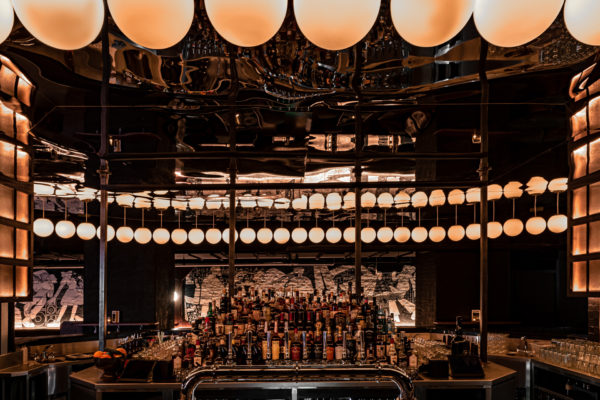
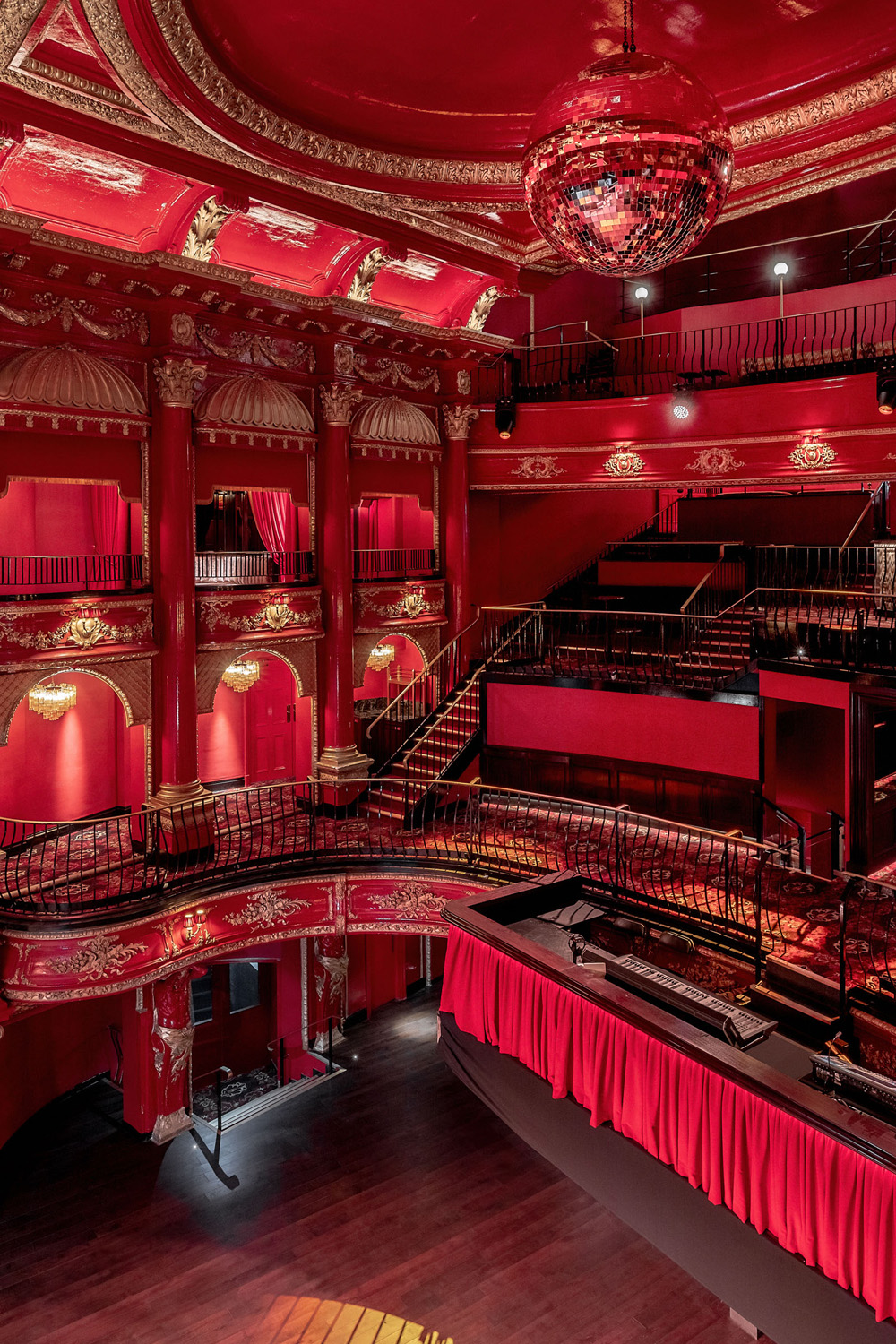
In turbulent times for the nightlife industry, the numbers alone tell you something is working at KOKO. Since reopening in spring 2022 after three years of restoration, this Camden institution has hosted more than 3,500 shows. It runs 1,000 DJ sets, 300 live music events and 300 cultural programming nights annually across its three live music venues. The building spans 50,000 sqft, and there are 16 beautifully designed backstage rooms to enjoy, including a penthouse recording studio, a hidden jazz club, secret bars, vinyl rooms, and a roof terrace restaurant lined with a 300-piece art collection. It’s the kind of place that reveals new corners with each visit if you know where to look – which is rather the point of a venue that first opened its doors in 1901.
Back then, KOKO was The Camden Theatre, before it became a BBC studio after WWII, transforming into Camden Palace in 1982 before being reborn as KOKO in 2004. What’s changed since those early days, though, is that KOKO has stopped trying to be a single thing. In an era when venues either become corporate chains or close quietly, KOKO has instead transformed into an ecosystem.
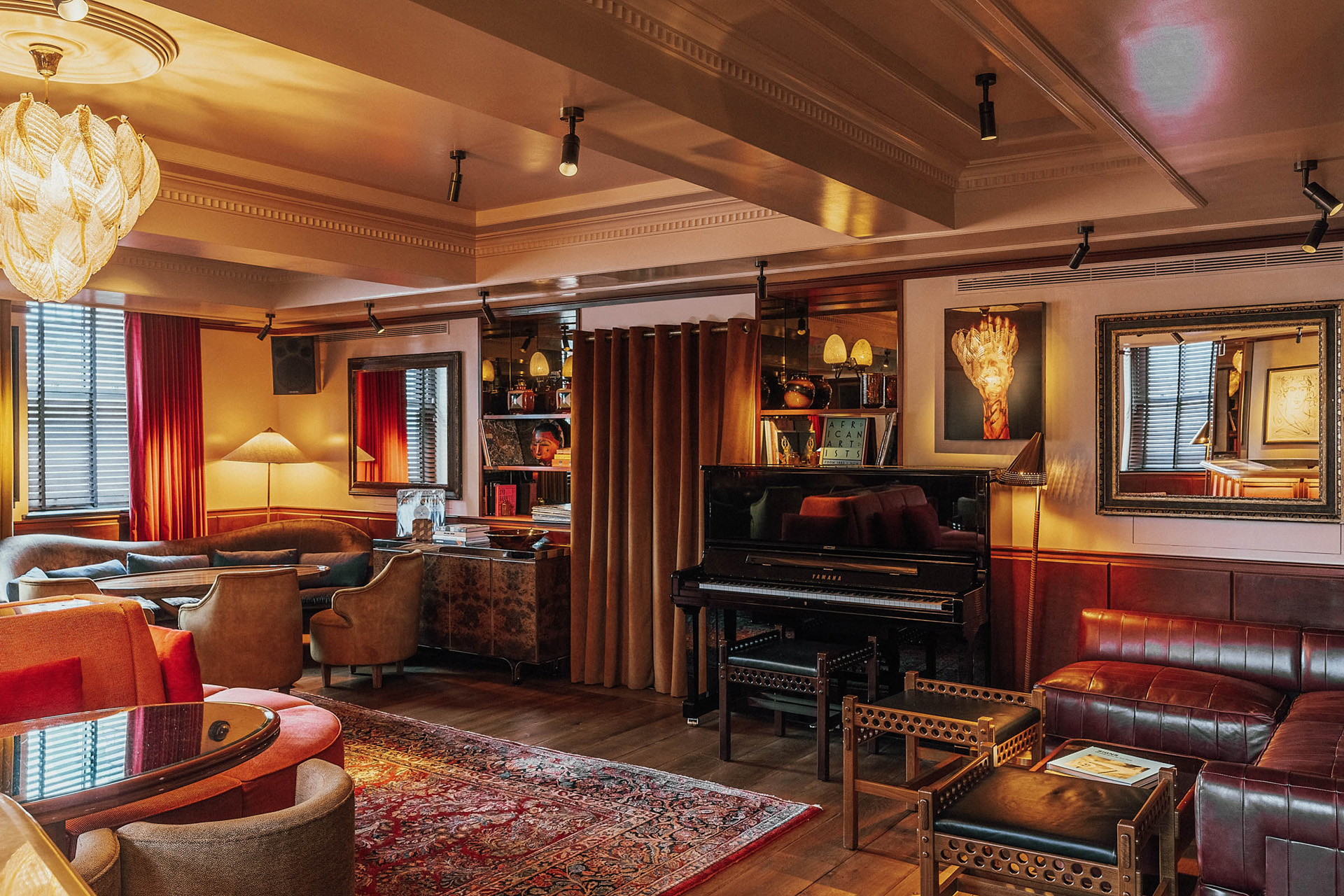
Piano Room in The House of KOKO. (© Taran Wilkhu)
The New Era
An objective tragedy – a huge fire consuming the roof of KOKO in 2020 – has been spun into a modern transformation (with the help of a multi-million pound investment). The new and improved KOKO opened in 2022, with a new offering, House of KOKO, rolled into the venue. This private members club, designed by the team behind Chiltern Firehouse, gives artists and creative professionals access to spaces for recording, rehearsing and podcasting before and after shows.
KOKO’s 2022 reopening also inaugurated KOKO Electronic, which is now hosting 3,000 people each weekend across 150 annual club nights. The ambitious programming reflects a particular vision of electronic music, spanning everything from underground Detroit techno to peak-time house, with DJs like DJ Koze, Richie Hawtin, Max Cooper and Armand Van Helden rotating through the Victorian theatre’s in-the-round stage.
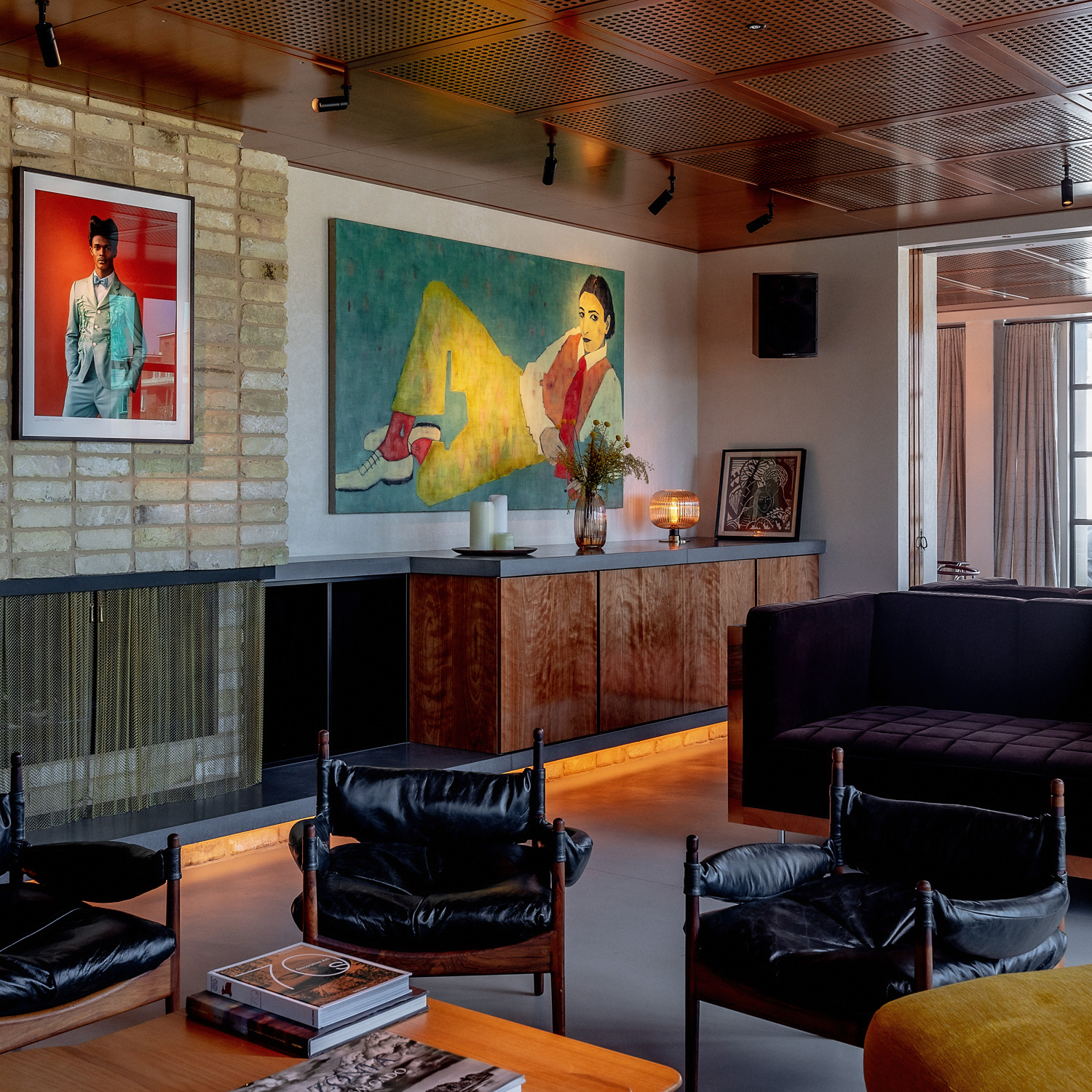
The Penthouse at The House of KOKO. (© Lesley Lau)
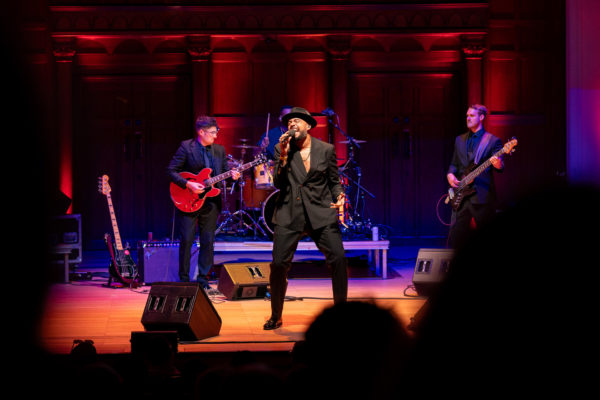
In celebration of 125 years of KOKO, the House is now home to a new penthouse recording studio, outfitted with an SSL mixing desk (the same one used on Kendrick Lamar’s Halftime Super Bowl show), which connects to every room in the building. Also new for 2026 is the Miraval Members’ Balcony within KOKO Theatre, which gives ticket holders private access to more than 150 live shows annually, as well as their own bar. Over the past four years, everyone from Liam Gallagher to Pet Shop Boys, Jorja Smith to Loyle Carner have performed here. Rather than exclusion, the scheme welcomes fans who consistently show up for live music to peek behind the scenes of the venue.
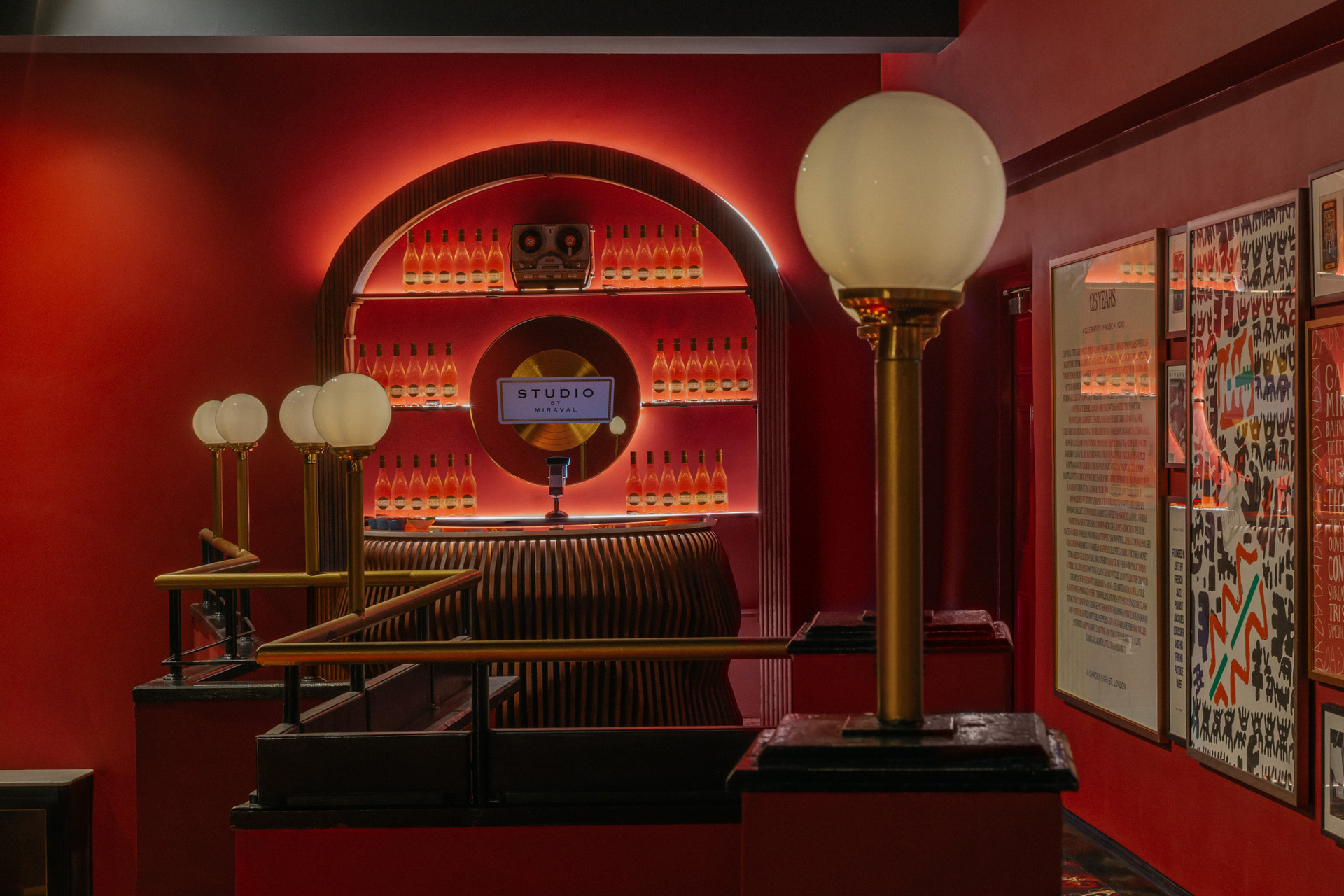
Miraval Members’ Balcony in KOKO Theatre. (© Taran Wilkhu)
This matters because live music venues in the UK have been haemorrhaging for years. Independent venues are operating at losses, studios are consolidating, and the economic model that once worked (musicians play, audiences buy tickets and drinks, venues survive) has irreconcilably fractured. Rather than chasing celebrity bookings or succumbing to big corporations, however, KOKO has established multiple revenue streams: hospitality, membership, recording, broadcasting, artist support. Launched in 2022, the KOKO Foundation (backed by ambassadors including Dua Lipa, Stormzy and Benedict Cumberbatch) has already committed £500,000 to emerging artists, with a target of £1 million by 2030.
At 125 years old, KOKO remains fully independent – a true rarity in London. But KOKO has survived by refusing to choose between being a historic venue and a contemporary one – it’s both. It’s a building where you can eat Michelin-class food, browse a significant art collection, record a track and then watch an electronic DJ spin to a crowd of 3,000.
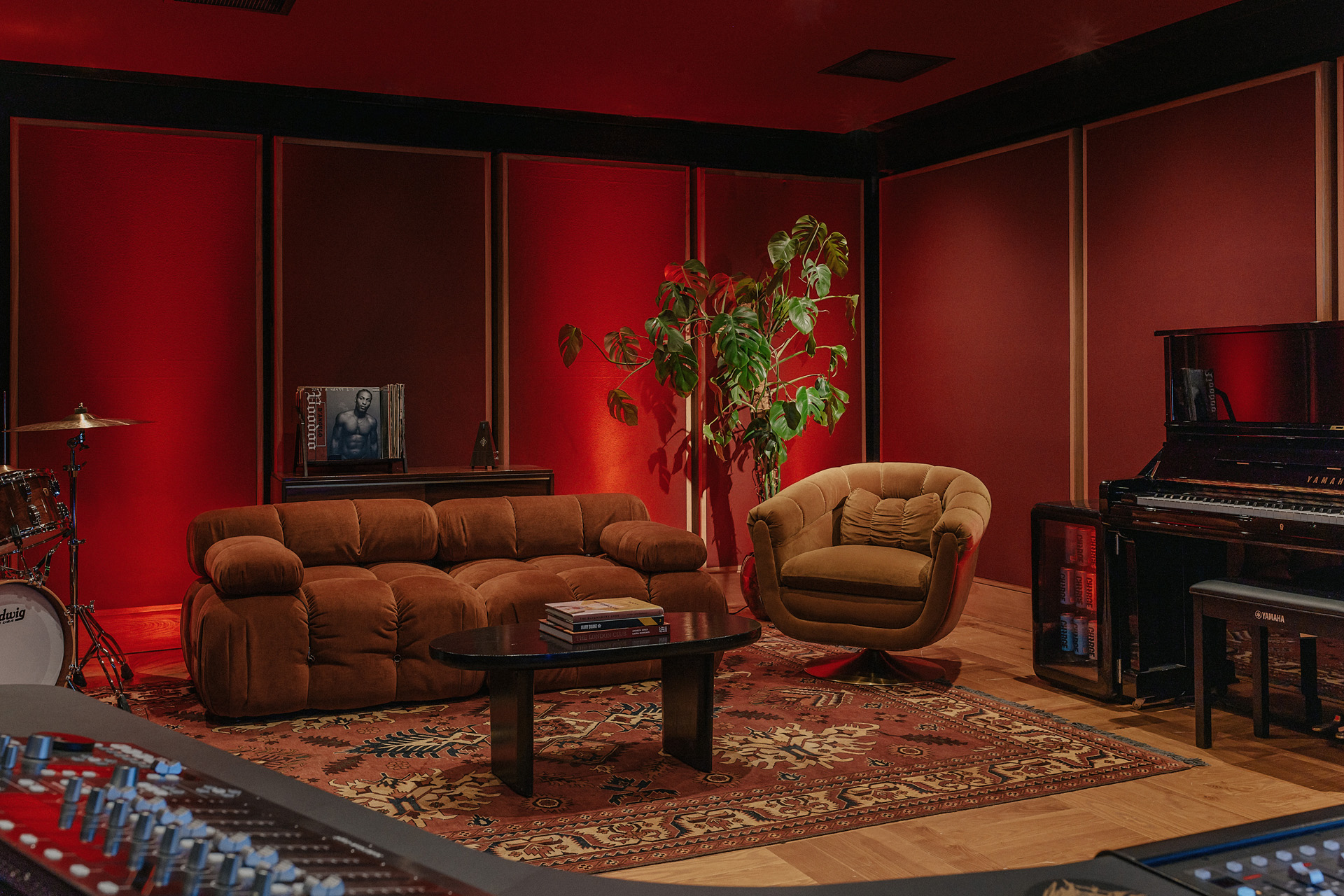
The new KOKO Recording Studio in The House of KOKO’s Penthouse. (© Taran Wilkhu)
What’s On In 2026?
There’s much to come on the 2026 line-up, too. Jon Batiste is doing a four-night residency, joined by Sister Sledge, Flea and the Honura band, Yebba, GoGo Penguin, Cassius and more on the bill.
Deftly curated by the team and drawing connections across decades and genres, KOKO refuses to chase what’s currently topping the streaming charts, instead betting on artists worthy of our sustained attention.
See the full lineup at koko.co.uk