


The Centenary Exhibition That Reframes Marilyn Monroe’s Story
By
5 months ago
Marilyn Monroe: A Portrait reclaims the model's agency, revealing how she directed photographers, controlled her image, and demanded a say in the legacy that would outlive her by decades
The year’s must-see exhibition has landed, and it’s even better than we hoped. Rewriting the narrative around the much-mythologised starlet, Marilyn Monroe: A Portrait returns the model’s self-made power, and reminds us of the woman behind the iconography.
‘Marilyn Monroe was born on 1 June 1926, and it’s extraordinary to think that she could still be alive today when she feels like such an iconic figure from another era,’ the exhibition’s curator, Rosie Broadley, says. ‘The exhibition presents her as one of the greatest subjects for portraiture in the 20th century: not just through the thousands of photographs made of her, but through the paintings and other works she inspired in artists during her lifetime and long after.’
Keep reading for the curator’s full guide to Marilyn Monroe: A Portrait, plus when and how to see it.
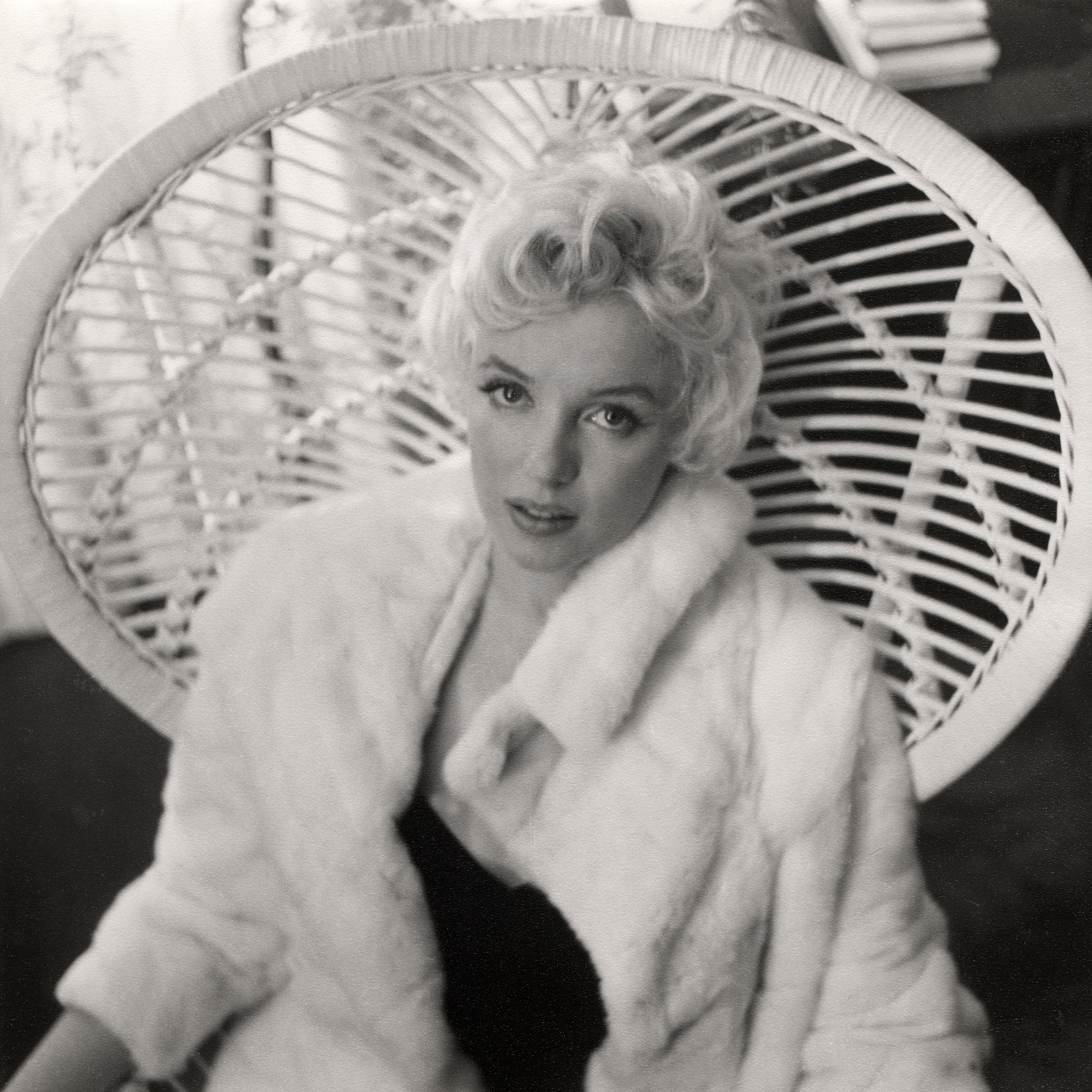
Marilyn Monroe, by Cecil Beaton, bromide print, 1956. Collection: National Portrait Gallery, NPG #40269
Marilyn Monroe: A Portrait – The Curator’s Guide
Marilyn Monroe: A Portrait coincides with an important date: it opened on 4 June 2026, just days after what would have been the star’s 100th birthday on 1 June. Born in 1926 and tragically dying in 1962, the model and actress lived only for a short 36 years – but her image has endured.
That’s the subject of the National Portrait Gallery’s exhibition: Monroe’s extraordinary skill in front of the camera. Not her relationships, her controversies, or the conspiracies that have unfolded since.
There are countless images you will recognise as you step through the exhibition’s rooms – but many more that you won’t. Marilyn Monroe’s real name was Norma Jean, and she is the woman who shines from the Gallery’s walls in all of her rosy-cheeked life and exuberance.
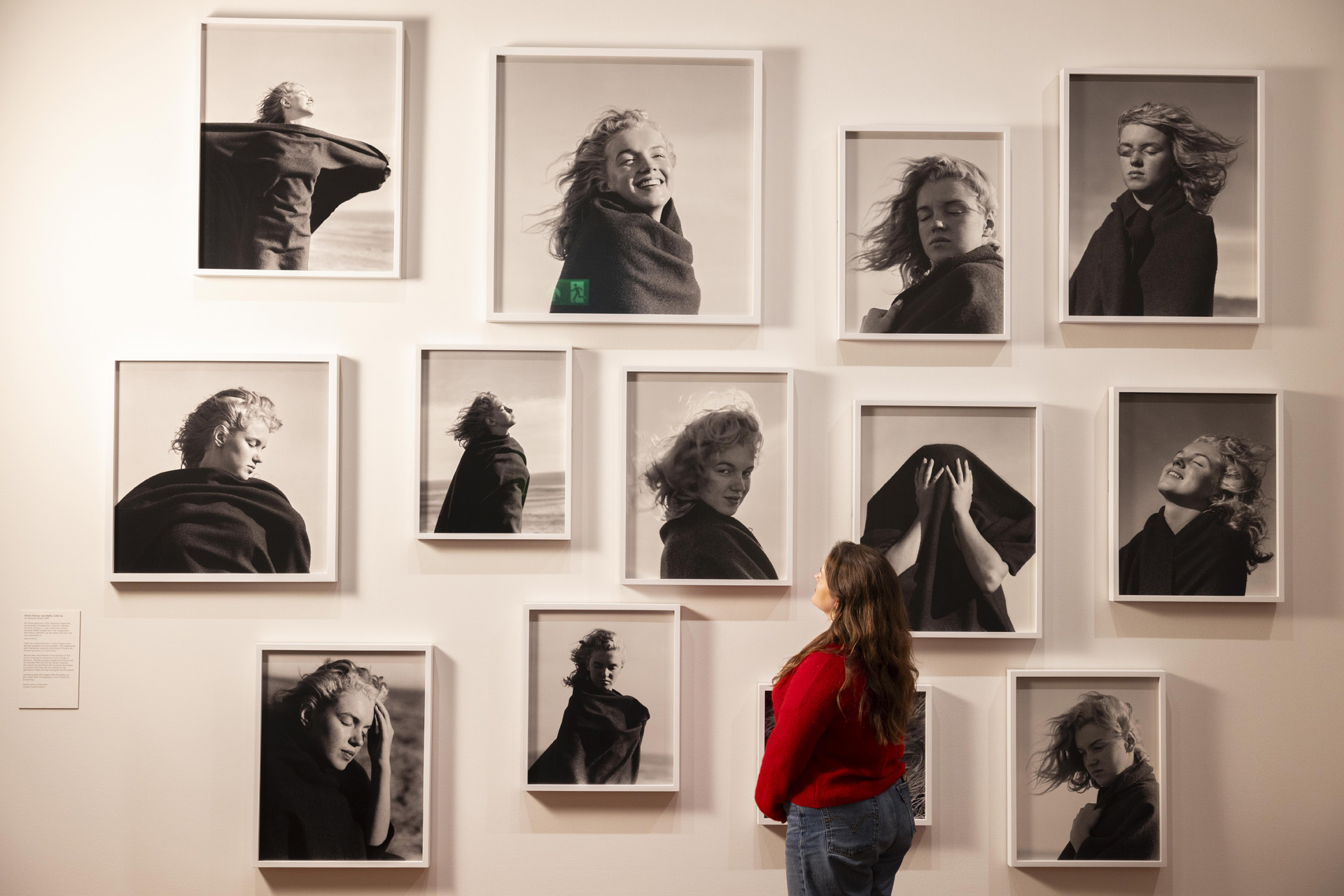
A visitor observing Marilyn Monroe, 1946, by André De Dienes, in the exhibition Marilyn Monroe: A Portrait at the National Portrait Gallery, London.
The Background
‘We have been planning an exhibition for Monroe’s centenary for several years, really thinking about what an outstanding subject she was for photographers, and as a tenacious motif she has become in art,’ Rosie says. ‘We really wanted to foreground Monroe’s agency in creating her own iconic image. Photographers who worked with her described her as the best subject they ever had – a woman who didn’t just perform for the camera but actively directed sessions, shaped the creative atmosphere, and claimed the absolute right to veto images she didn’t like. In many ways she was ahead of her time, founding her own production company with her friend and photographer Milton H. Greene, at a time when studios exercised enormous control over their stars.
‘We approached various photographer’s estates and through them were able to find images that were less well-known or archival material relating to their relationships,’ Rosie continues. ‘We wanted to include really outstanding works of art that represent Monroe and have got some important loans from museums and private collections around the world. We also wanted to include some really special personal items including clothes, so reached out at an early stage to private collectors.’
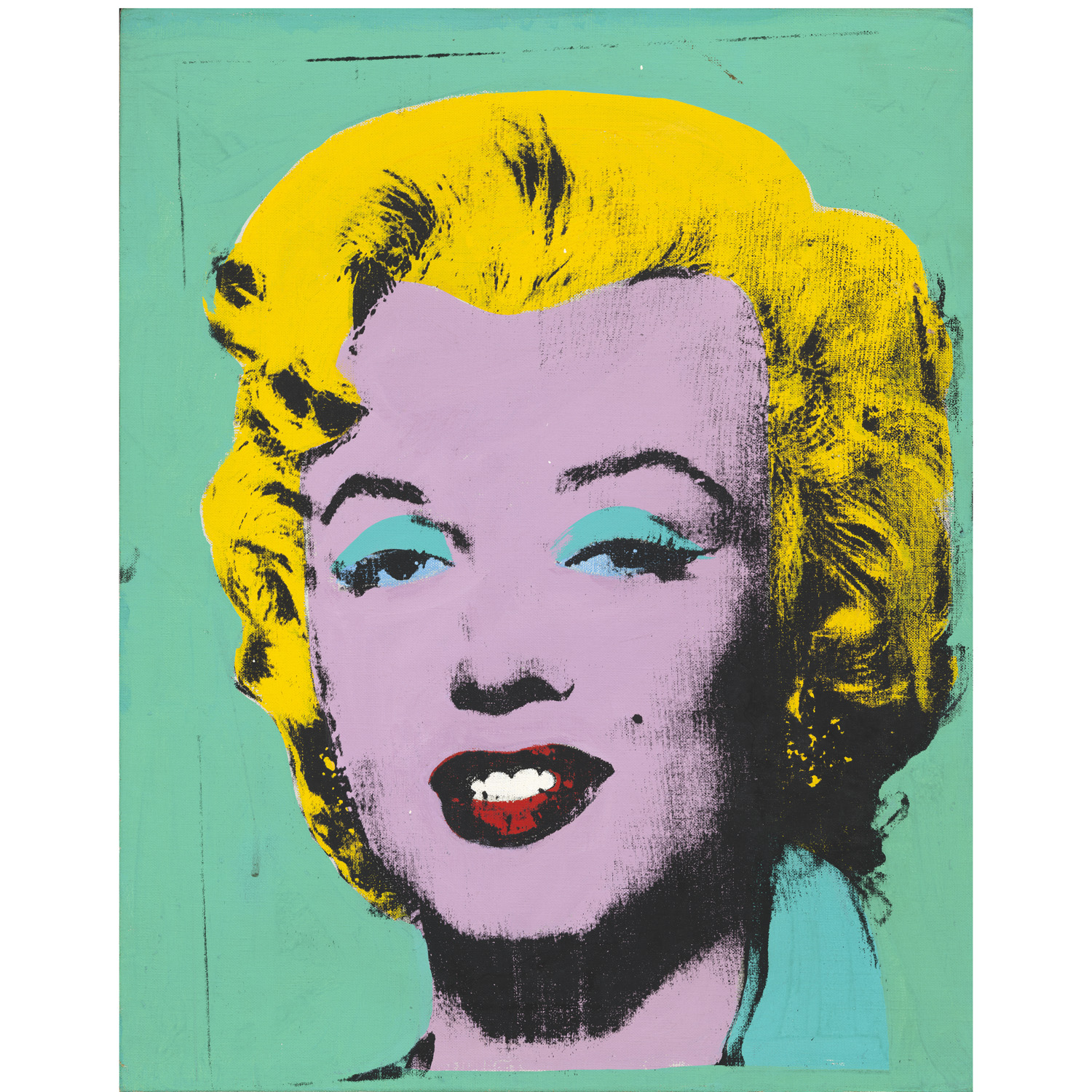
Green Marilyn, 1962, by Andy Warhol, © 2026 The Andy Warhol Foundation for the Visual Arts, Inc./Licensed by DACS, London, National Gallery of Art, Washington. Gift of William C. Seitz and Irma S. Seitz.
What Is On Display?
Photographs, clothing, paintings, drawings: this is a truly multimedia exhibition. ‘The works span an enormous range of media – vintage gelatin silver prints, colour transparencies, oil and acrylic paintings, silkscreen prints, collage – and cover the full arc of Monroe’s life and posthumous legacy,’ Rosie concurs. ‘We open with the earliest photographs of Norma Jeane Baker and follow her journey through the great studio portraits, the film stills, the candid behind-the-scenes shoots, and the last photographs of Monroe taken in the summer of 1962.’
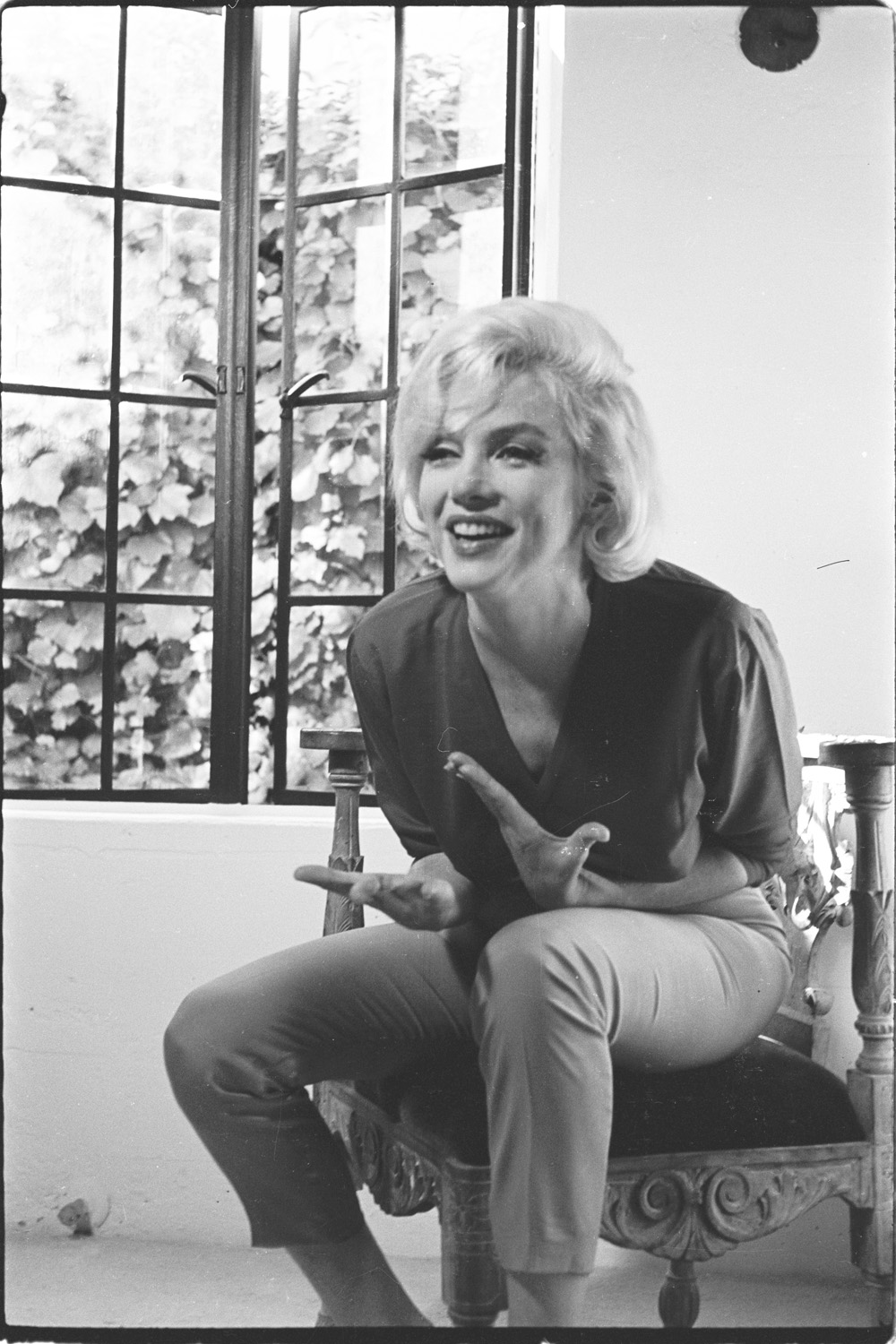
The shoots give an unanticipated glimpse at the real woman behind the iconography. On most occasions, Monroe glides across numerous photos from the same shoot, seemingly alive with her smiles, laughs, wind-swept hair. Her favourite place to shoot, one caption shares, was the beach, and it’s in these series that her eyes and smile seem even brighter. She somehow seems even more vivid here than in video clips of her screen work – though it’s worth lingering to catch clips of Gentlemen Prefer Blondes (1953), The Prince and the Showgirl (1957), Some Like It Hot (1959) and more, not least to be reminded of her comic timing.
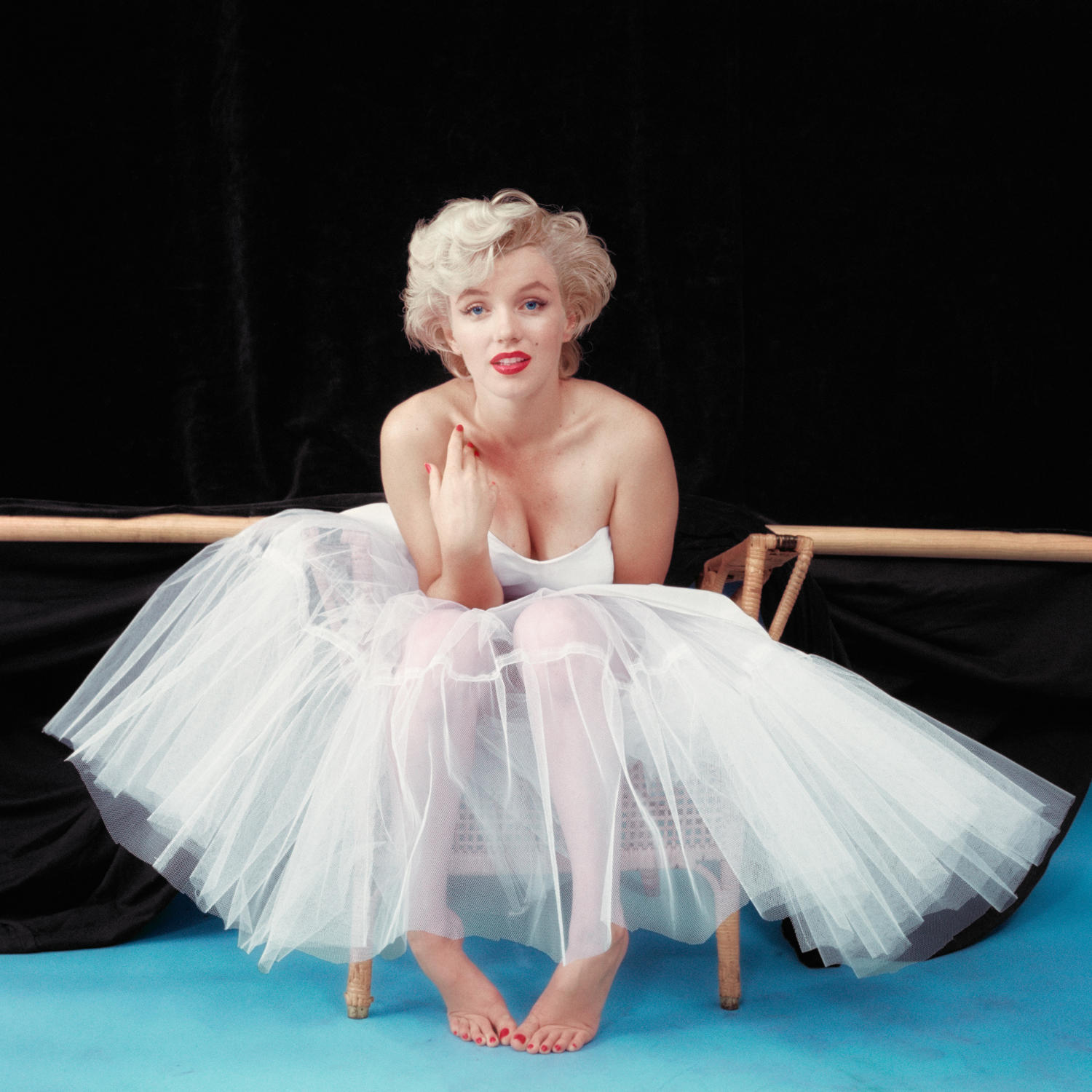
Marilyn Monroe, Ballerina Sitting, 1954, by Milton H. Greene, Milton H. Greene © MHG Collective, LLC
‘The exhibition also explores works made in response to Monroe’s death and in the decades since, grappling with questions of beauty, fame, commodification, gender, race and power,’ Rosie adds. ‘Andy Warhol began work on his iconic Marilyn silkscreens within weeks of her death, using a decade-old publicity still rather than one of her most beautiful images, which says something interesting about what he was drawn to. British painter Pauline Boty gave her something tender and mournful. More recent works by artists such as Marlene Dumas and Margaret Harrison address her death directly and with great seriousness.
‘One of the things I find most compelling about this exhibition,’ Rosie adds, ‘is the conversation between the photographs made during Monroe’s lifetime and the artworks made from those photographs, both by her contemporaries and by artists working today. Monroe was a deeply active collaborator in the making of her own image; she worked closely with photographers like Milton H. Greene, André De Dienes and Sam Shaw, experimenting with personas, testing different emotions, exercising a degree of control that is often overlooked. Those same images were then taken up by artists and transformed into something else entirely – sometimes celebratory, sometimes critical. These include the British pop artists Richard Hamilton and Pauline Boty working from George Barris’s famous last photographs of Monroe on the beach, and the original studio glamour photograph that Andy Warhol used for his iconic series of ‘Marilyns’. Marilyn’s scandalous nude calendar, made when she was a struggling starlet, is shown alongside Robert Indiana’s painting in which he transformed that image into art five years after she died.’
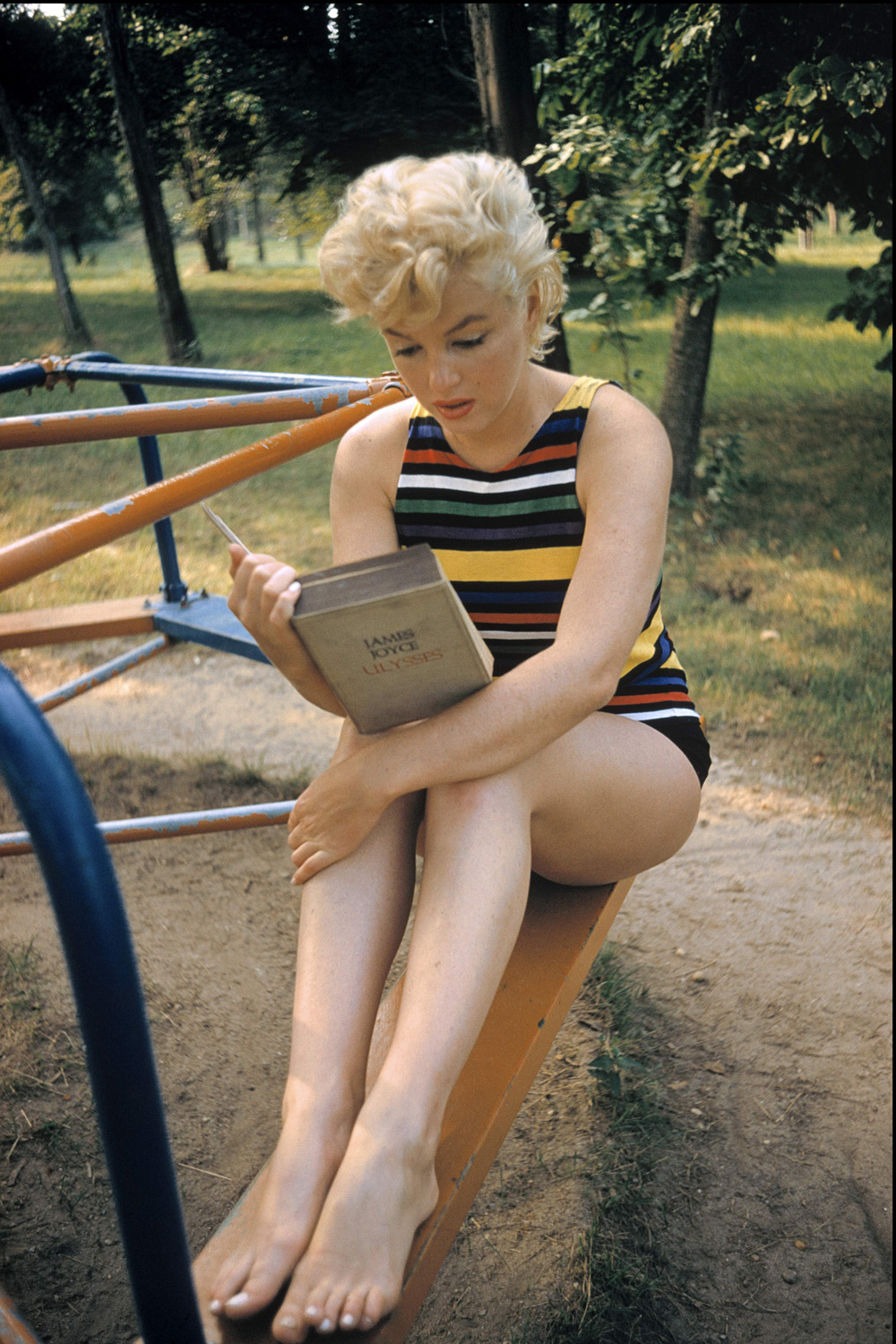
Marilyn Monroe, Mount Sinai, Long Island, 1955, by Eve Arnold, © Eve Arnold Estate.
The Highlights
‘It’s genuinely hard to choose,’ Rosie says. ‘Andy Warhol’s screen prints are some of the most iconic works in the history of American art, and these are some really special examples, on loan from major public and private collections. The photography is extraordinary throughout: the Milton H. Greene colour transparencies of Monroe as the “Ballerina Sitting” are breathtaking, as are Sam Shaw’s intimate images of Monroe and Arthur Miller in Connecticut, which capture a warmth and ease you rarely see in pictures of her.
‘The Bert Stern “Last Sitting” images from 1962 are quietly heartbreaking,’ Rosie adds. ‘Among the paintings, Pauline Boty’s work has a particular emotional charge – she was one of the few women working in British Pop Art and brought a very different sensibility to Monroe’s image.’
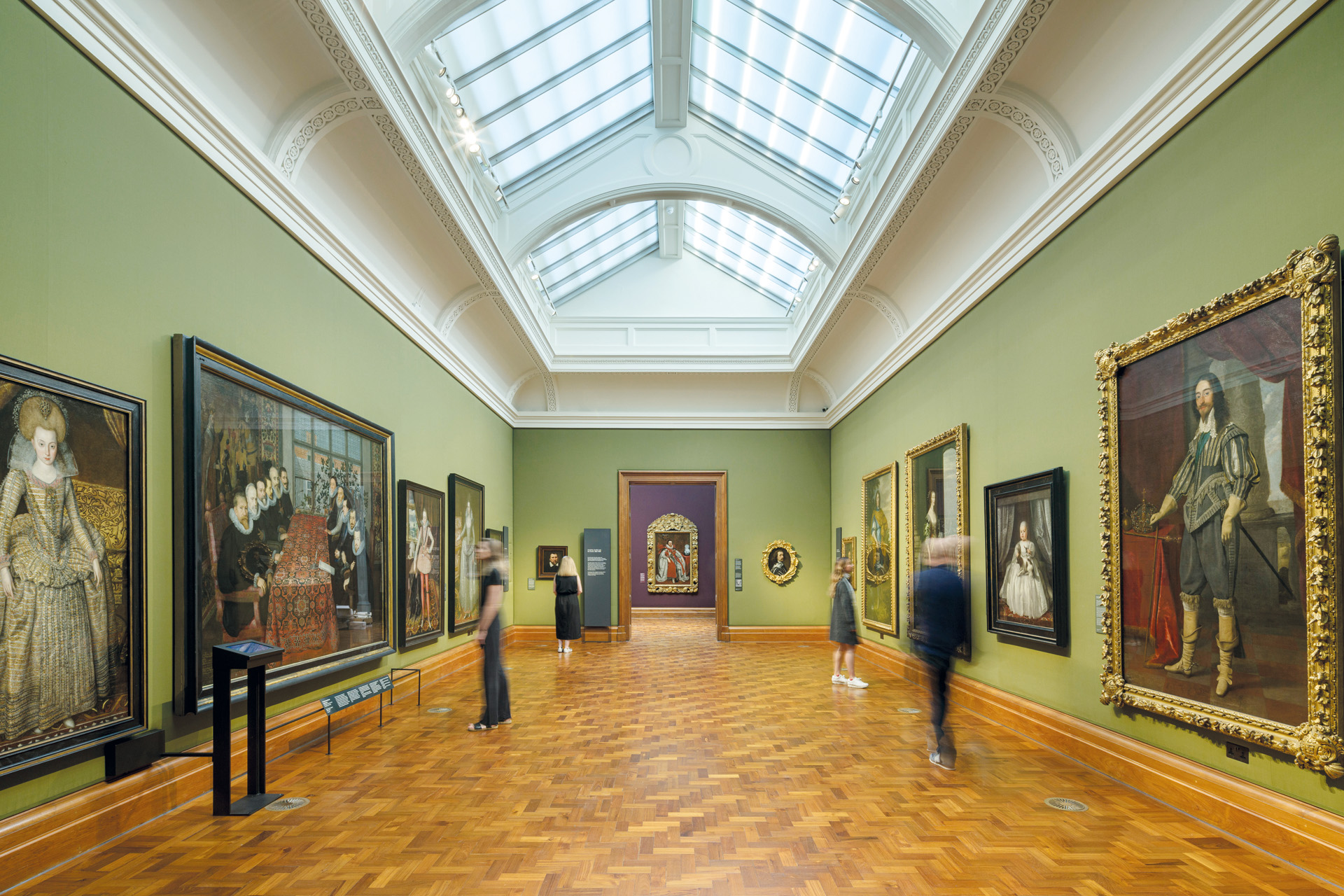
(© Gareth Gardner)
The Debrief
Wondering where to go for a post-exhibition debrief? Luckily, there are plenty of great establishments on site, not least The Portrait Restaurant with its stunning views across Trafalgar Square and towards Big Ben.
The Details
Where? The National Portrait Gallery, St. Martin’s Pl, London WC2H 0HE
When? 4 June–6 September 2026; open daily 10.30am–6pm, closing at 9pm on Fridays and Saturdays.
Price: Tickets start from £25 per person.
Anything Else? This is expected to be a very popular exhibition, and tickets are already selling out, so make sure you book in advance. Members can visit for free at any time.
BOOK: npg.org.uk