






A Nutritionist’s Guide to Navigating Hot Weather
By
3 months ago
From upping your intake of hydrating foods to boosting sleep hygiene
When temperatures rise, hot weather places extra demands on the body. We lose more fluid through sweat, our appetite often changes, sleep can become disrupted and spending more time outdoors increases sun exposure. The good news is that a few simple adjustments can help you stay energised, hydrated and healthy throughout the warmer days. Our contributing health editor, nutritionist Kim Pearson, shares her tips.
Hot Weather: Nutrition & Health Tips For Coping
Hydration
The obvious place to start is hydration. Most people know they should drink more when it’s hot, however I speak to many people who know they should be drinking plenty, but struggle to consistently do so. Even mild dehydration can affect energy levels, concentration and physical performance, so make sure you get at least two litres a day in the warmer weather. Don’t overdo it though – too much water is not good either.
Practical ways to stay hydrated:
- Start your day with a large glass of water before your morning tea or coffee
- Carry a reusable water bottle so hydration is always within easy reach
- Set reminders if you’re someone who forgets to drink
- Drink regularly throughout the day rather than trying to catch up in the evening
- Increase fluid intake before exercise or spending time in the heat outdoors, rather than waiting until afterwards
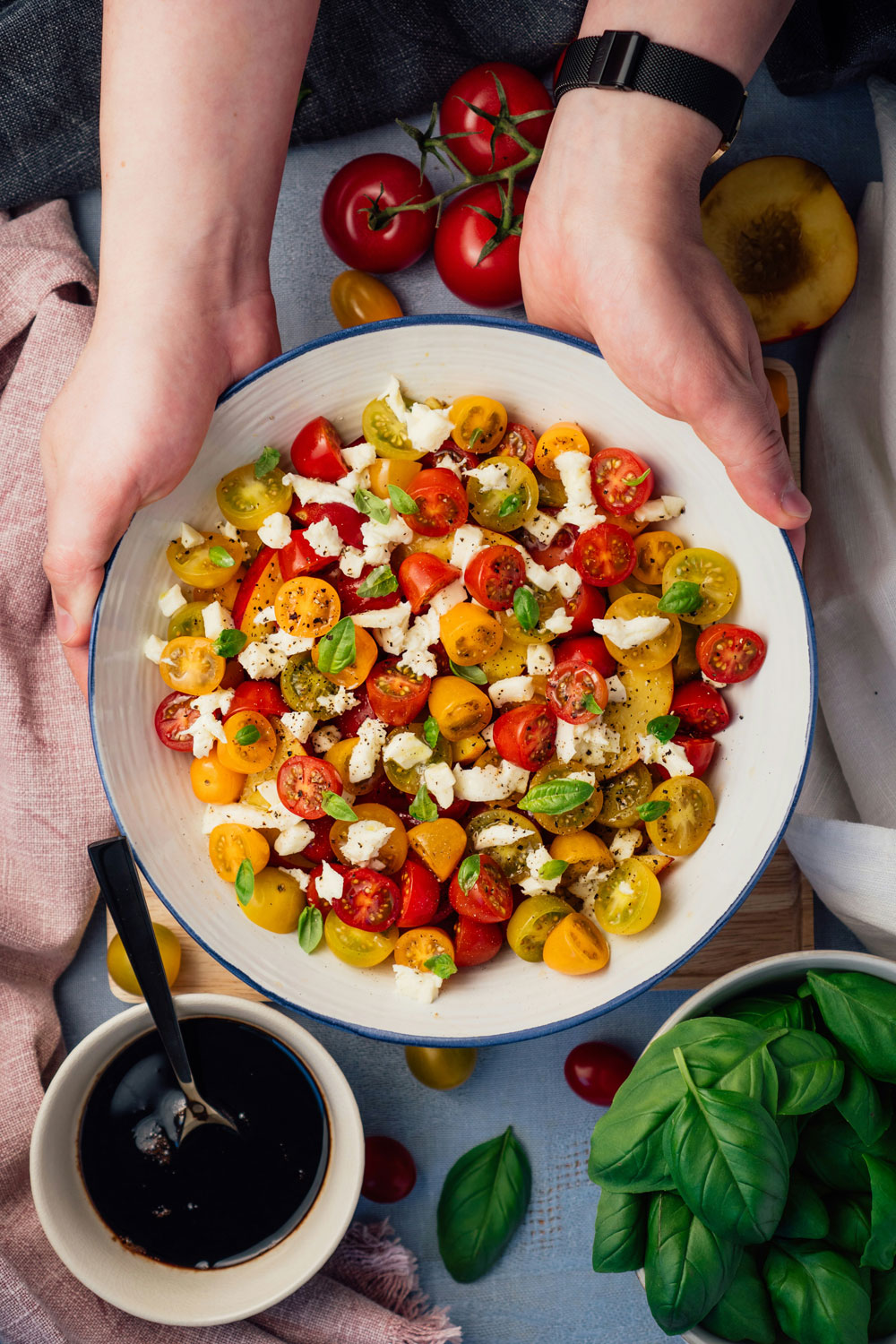
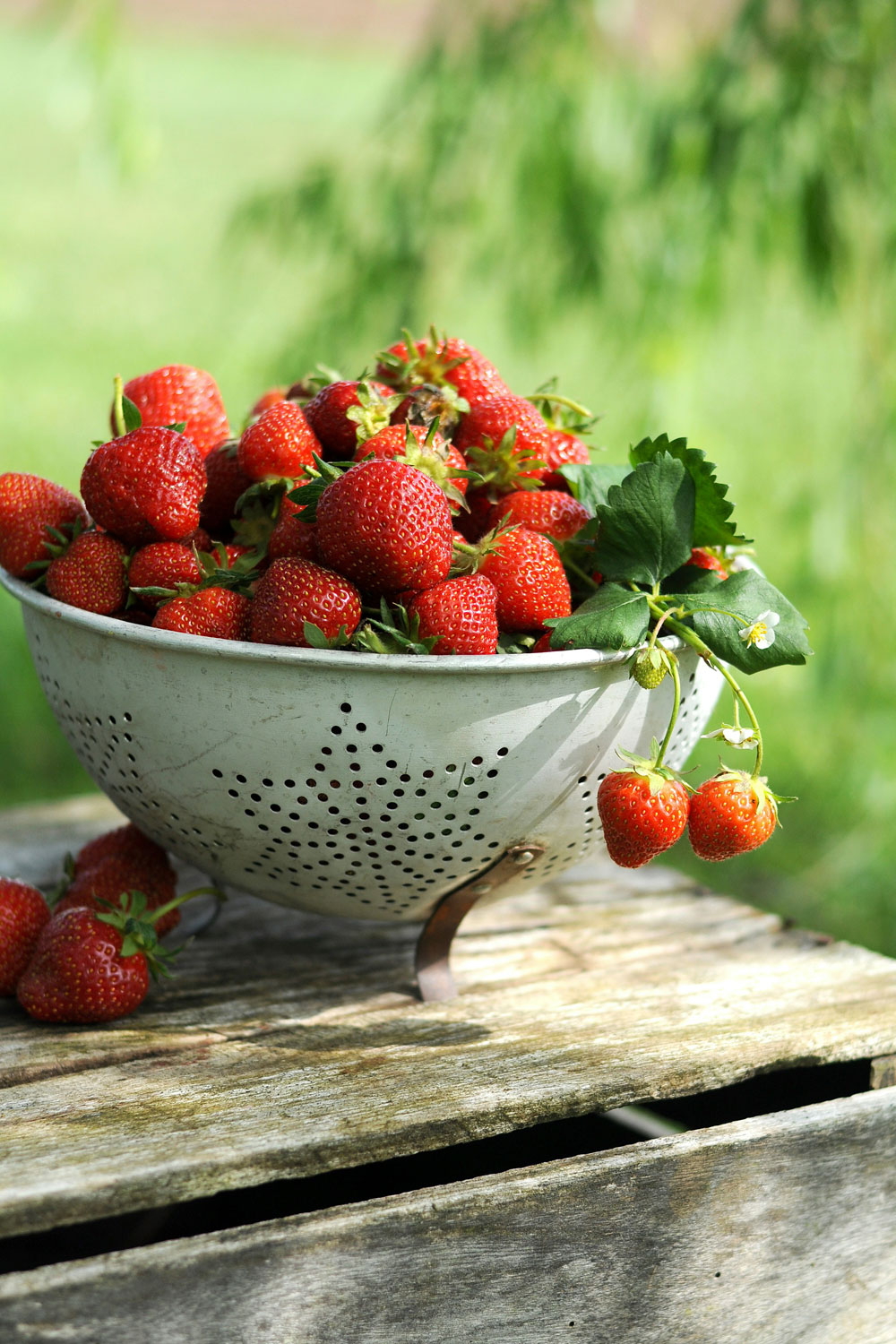
Remember that hydration doesn’t just come from drinks. Water-rich foods can contribute too. Some of my favourites include cucumber, lettuce, celery, watermelon, strawberries, tomatoes and courgettes. These foods provide fluid while also supplying vitamins, minerals and fibre.
Unsplash
Electrolytes
Electrolytes have become one of the wellness world’s favourite supplements, but they’re not essential for everyone, every day. For most people spending a typical day indoors or engaging in light activity, water and the nutrients we consume in whole foods is adequate. However, there are situations where electrolytes can be genuinely beneficial, including hot weather:
- Prolonged sweating
- Endurance exercise
- Hot yoga
- Long walks or hikes in high temperatures
- Ketogenic diets
- Recovery from vomiting or diarrhoea
If you’re choosing an electrolyte product, look for one without added sugar and avoid assuming that more is always better. Love Life Supplements is my recommendation if you prefer a flavoured product, or choose Elete for a neutral tasting option. You can also obtain electrolytes naturally through foods such as avocados, leafy greens, nuts, seeds and mineral-rich broths.
Getty Images
Eat Lighter, But Don’t Skip Protein
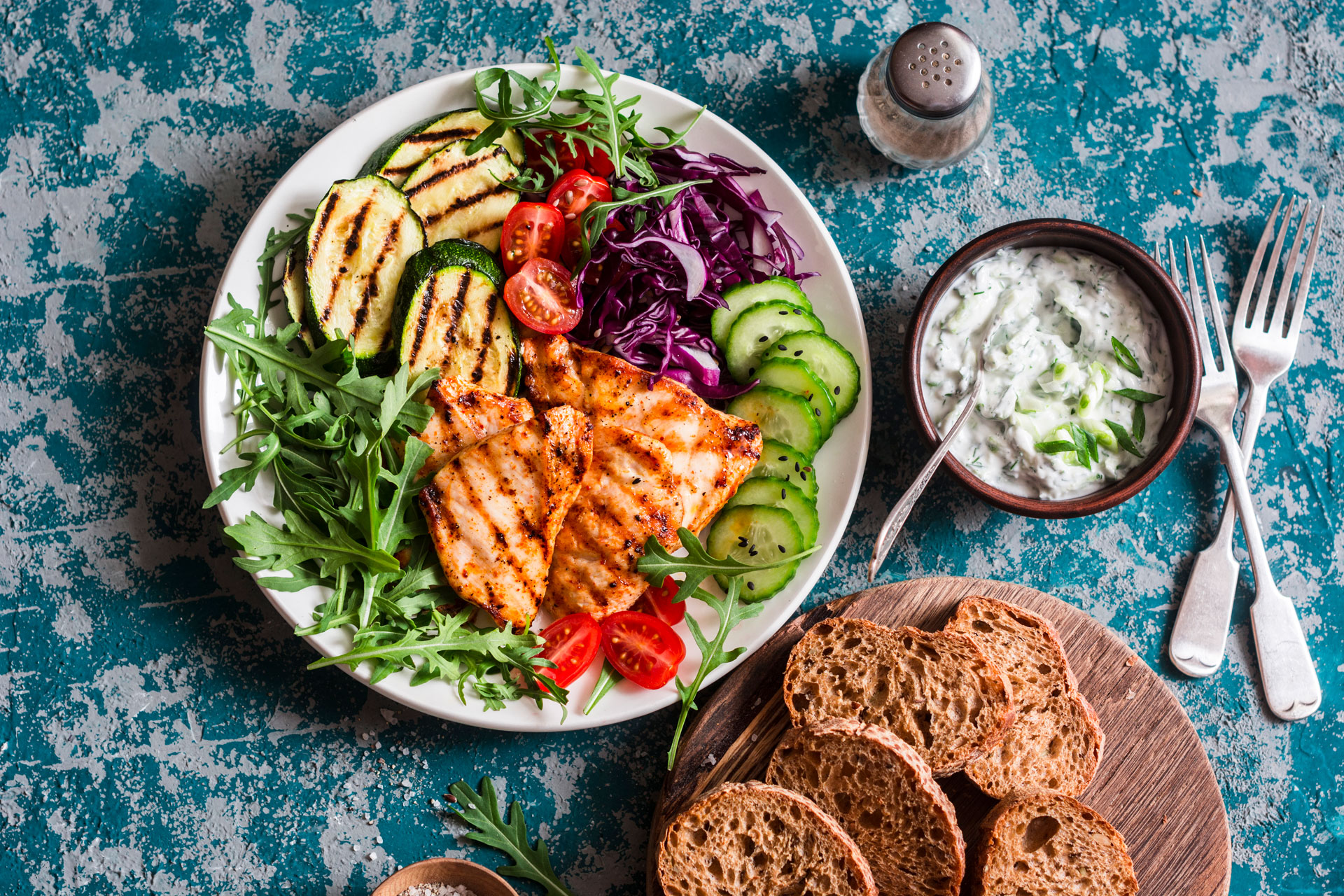
Many people naturally gravitate towards lighter meals in hot weather, which is completely normal. The problem is that some end up eating little more than fruit, ice cream and snacks, leaving them feeling hungry and lacking energy later in the day. Protein remains important year round for maintaining muscle mass, supporting satiety and helping stabilise blood sugar.
Good summer options include:
- Grilled fish
- Organic chicken
- Free range eggs
- Seafood
- Tofu and tempeh
- Edamame beans
These can be pre-cooked and eaten cold if preferred. A simple salad becomes far more satisfying when protein is added.
Make The Most Of Seasonal Produce
Summer offers some of the most nutrient-dense produce of the year. Berries, tomatoes, peppers, peaches, cherries and leafy greens are packed with vitamins, minerals and polyphenols that support overall health. Aim to eat a wide variety of colours across the week. Different plant compounds provide different benefits, and summer makes this particularly easy. Prioritising organic food will minimise pesticide exposure and reduce the impact of farming on the environment and soil quality. I have been ordering a weekly fruit and vegetable box from Riverford for years and I rate them highly.
Unsplash
Support Your Skin From Within
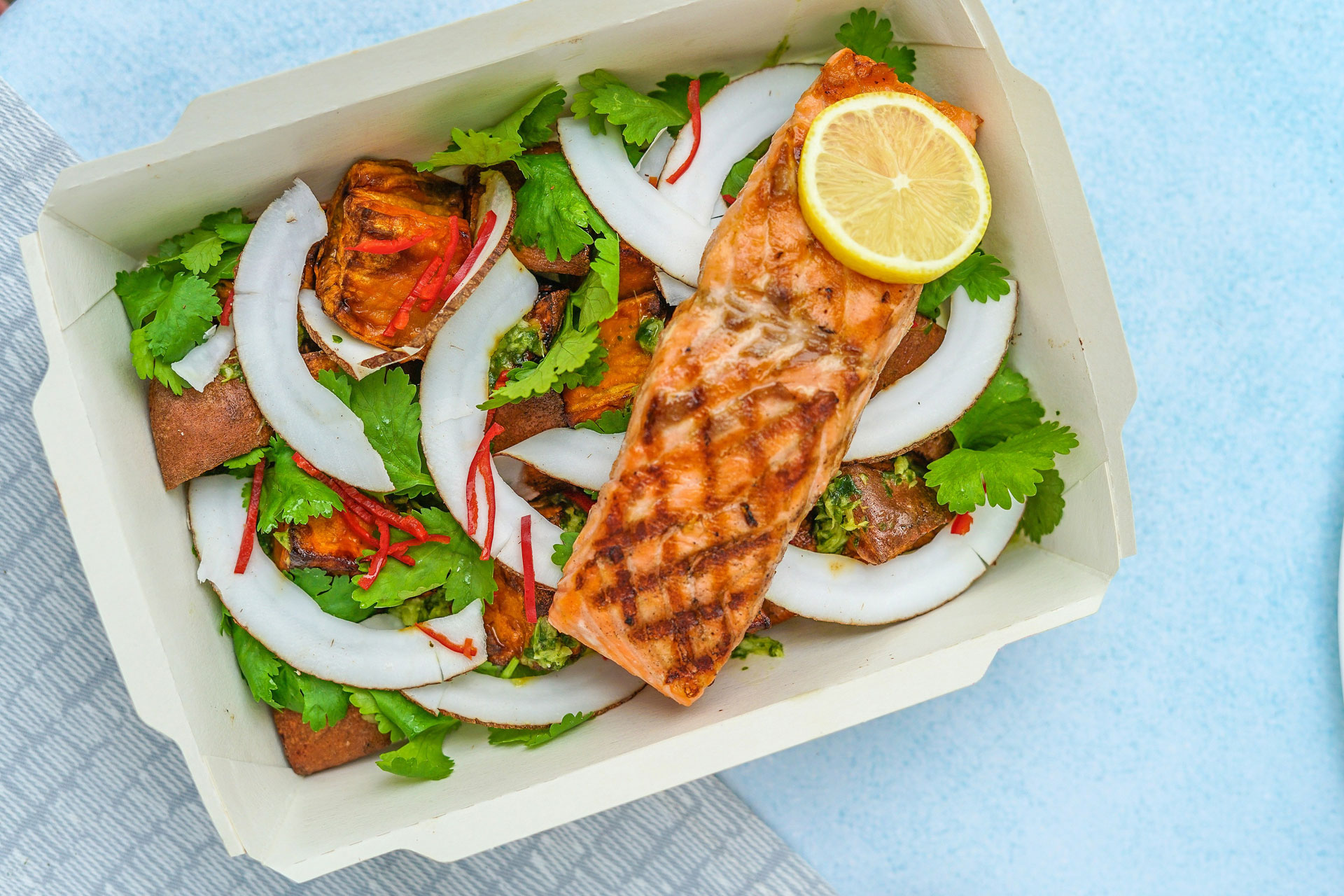
No food can replace sunscreen, but certain nutrients may help support the skin’s natural resilience to UV exposure. Research suggests that carotenoids, including beta carotene and lycopene, may provide modest protection against sun induced skin damage when consumed regularly as part of the diet. Foods rich in these compounds include tomatoes, watermelon, red peppers, carrots, sweet potatoes and apricots. Astaxanthin, the antioxidant responsible for the pink colour of salmon and prawns, has also attracted interest for its potential skin protective properties.
These foods can support your skin from within, but they don’t replace classic sun protection measures such as SPF and physical coverings like hats. I always prioritise natural sunscreens, but some of them can leave you with a white layer, and be thick and difficult to apply. I recently discovered Attitude Living’s mineral sunscreen sticks which are very easy to apply and don’t leave a white or greasy residue. Great for adults and children alike.
Don’t Forget About Sleep
For many, one of the biggest challenges during a heatwave is sleep. Poor sleep can increase hunger, cravings and daytime fatigue, making healthy choices feel much harder.
A few strategies that can help include:
Keeping bedrooms cool and dark
- Closing curtains during the hottest part of the day
- Avoiding large meals and alcohol close to bedtime
- Taking a cool shower before bed
- Staying well hydrated throughout the day
- Sleeping on a silk pillowcase, which many people find feels cooler against the skin than traditional cotton
- Using a silk sleep mask to block out early morning light and support deeper, more restorative sleep during the longer summer days
My favourite brand for silk pillowcases and sleep masks is Drowsy, I really notice the benefits of them in this weather. Sleep hygiene is more important than ever in the hot weather. Getting enough quality sleep is one of the most underrated tools for maintaining energy, focus and appetite regulation.
Kim Pearson is Country & Town House’s contributing health editor. A qualified nutritionist with almost two decades of clinical experience, Kim specialises in weight loss, metabolic health and longevity. Her new book, The Nozempic Diet, is a practical guide to natural, effective and sustainable weight loss. To find out more about Kim’s work, visit her website kim-pearson.com or follow her on Instagram.