






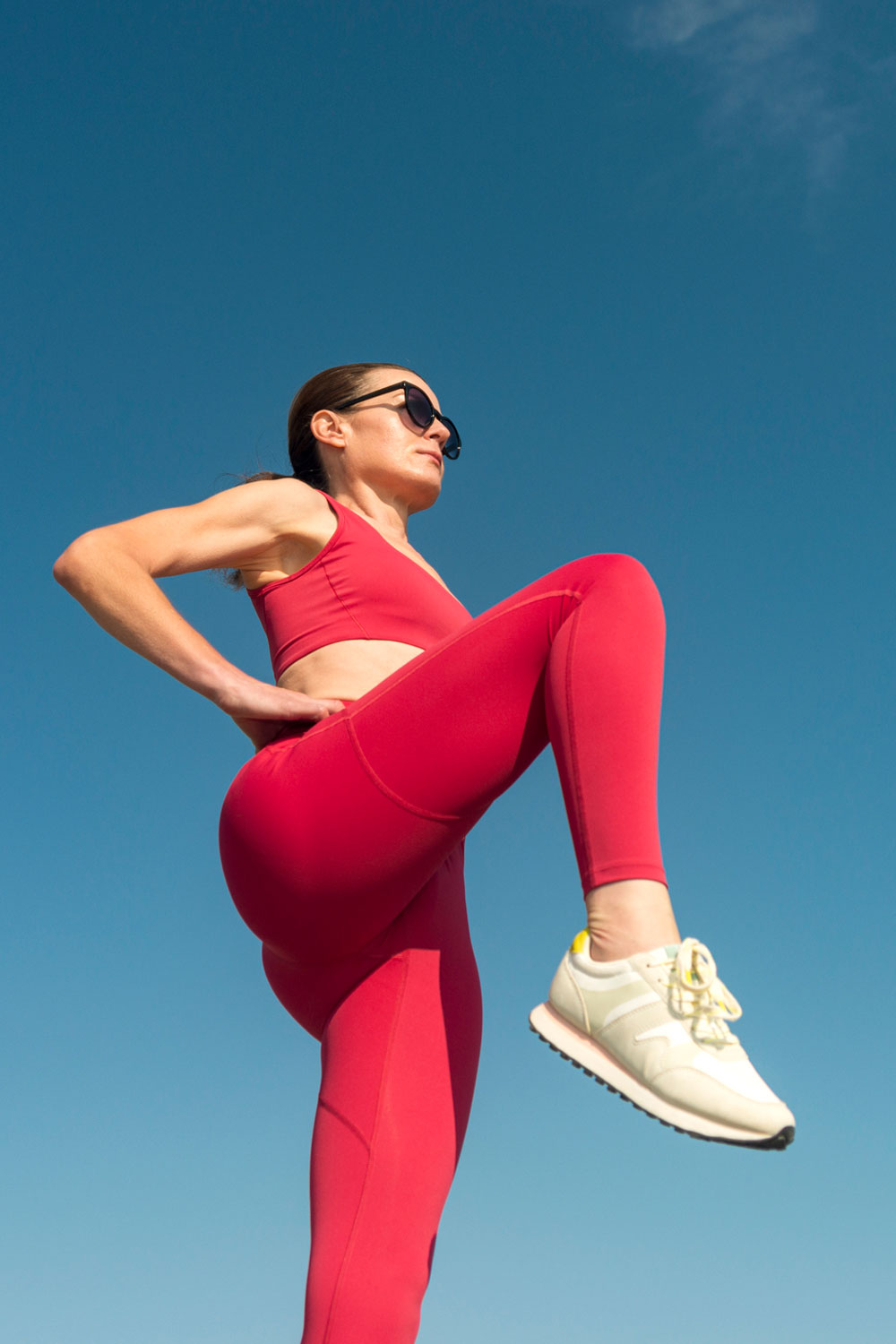
How To Exercise Safely During A Heatwave
By
4 months ago
Stay active during hot weather without risking your health
When it’s sweltering outside, it becomes increasingly challenging to stay active. High temperatures make exercise harder as our bodies are working overtime to stay cool, meaning workouts can be dangerous if the right precautions aren’t taken. But not incorporating enough activity into our days can also have long-term health effects. In a recent study published in The Lancet researchers have warned that climate change – and the subsequent increasingly common heatwaves – could lead to people moving less and result in an enhanced risk of premature death.
So as extreme heat becomes an unavoidable part of life in the UK, it’s important to find ways to stay active. We asked the experts for tips on exercising during a heatwave.
Staying Active In Hot Weather: Expert Tips
Adapt Your Activewear
Naturally, it’s best to avoid heavy clothes while working out during hot weather – cotton, for instance, can hold onto sweat. Instead, personal trainer Aimee Victoria Long recommends choosing ‘lightweight, breathable, moisture-wicking fabrics in lighter colours’ and wearing a visor or cap if exercising outside to reduce direct sun exposure.
Unsplash
Up Your Hydration
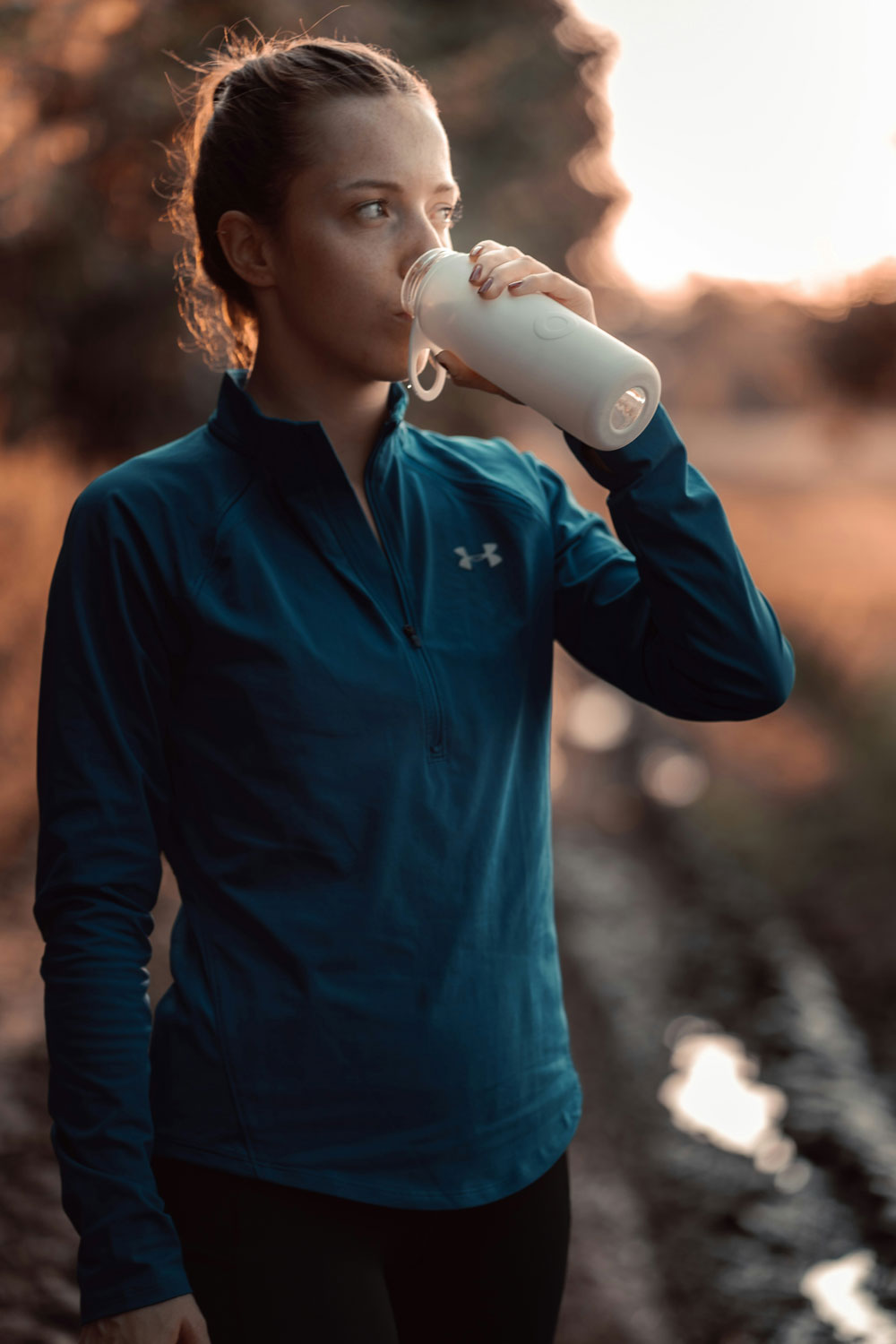
Dehydration is more common during a heatwave due to increased sweating, so it’s important to up the amount of water you’re consuming before, during and after exercise. ‘You lose significantly more fluid and electrolytes through sweat during hot weather,’ explains Aimee. ‘Aim to hydrate consistently throughout the day rather than trying to catch up afterwards. If you’re exercising for over an hour or sweating heavily, consider replacing electrolytes as well as water.’ Prioritising hydrating foods, such as cucumber and watermelon, can help too.
Exercise Earlier
It’s time to channel your inner early bird. Temperatures are significantly cooler in the mornings and evenings, so if you can it’s best to schedule your workouts around these times and avoid training during the hottest hours – typically between 11am and 4pm. ‘The coolest parts of the day are usually before 9am or after 7am, making these the safest times to exercise outdoors,’ says Aimee. If you love working out during the day, pilates instructor Lottie Anderson (owner of Bondi Rise) suggests opting for a cool setting such as an air conditioned gym or studio.
Try Pre-Cooling Techniques
Before your workout, take steps to cool down the body – scientific studies show pre-cooling can lower your core body temperature, therefore delaying the onset of heat exhaustion. You can do this by consuming icy water or immersing the hands or feet in cold water.
Pexels
Reduce The Intensity
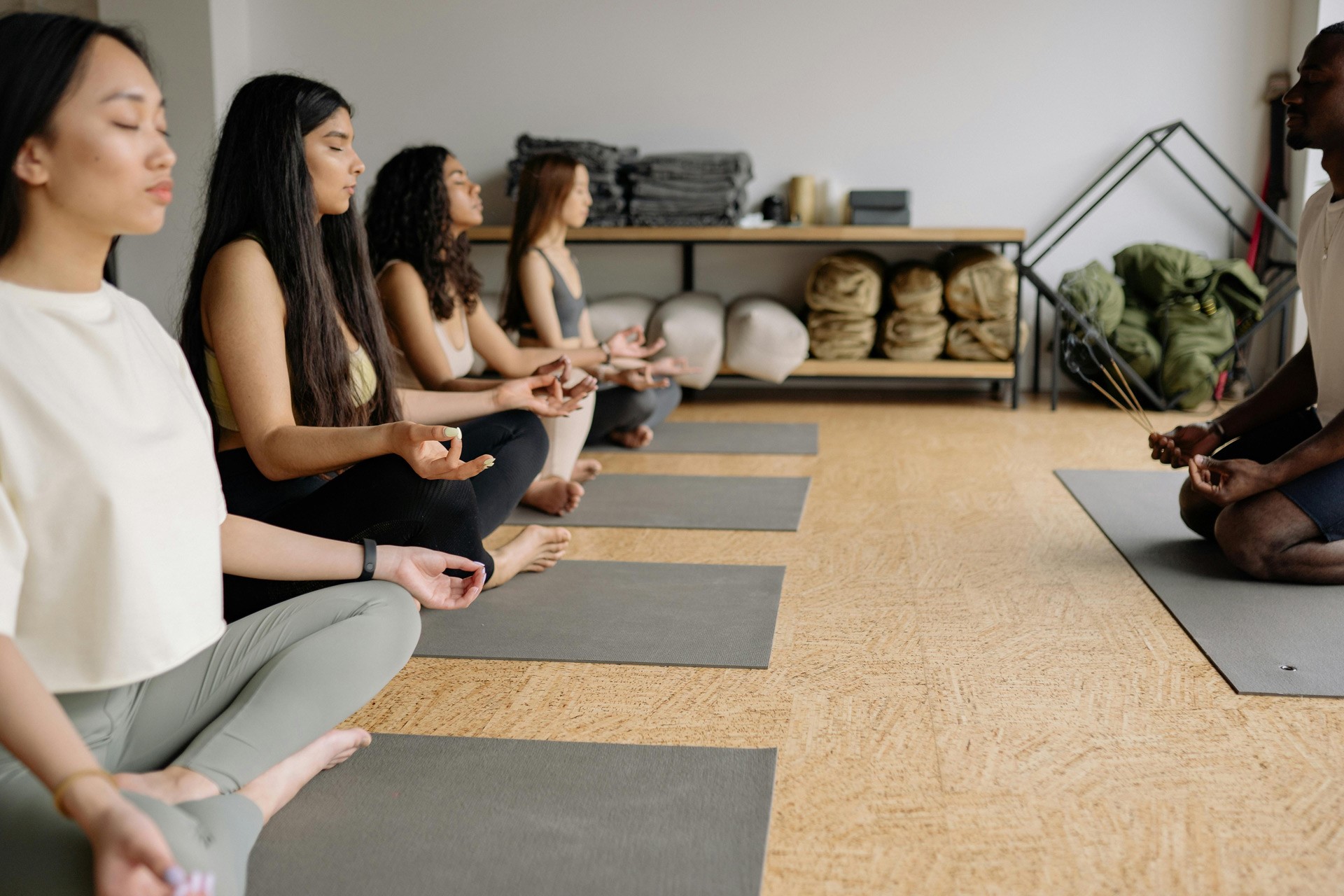
For some people, it may be necessary to lower the intensity of your workouts during a heatwave. ‘Your body is already working harder to regulate its core temperature, so it’s sensible to reduce intensity, especially for prolonged cardio or HIIT,’ advises Aimee. ‘Instead, opt for strength training with longer rest periods, Pilates, yoga, walking or shorter sessions until temperatures cool.’
Allow Your Body To Acclimatise
When performed safely, the body can gradually adapt to exercise during hot weather. Research has found that a process called heat acclimatisation means after seven to 14 days of regularly exercising in the heat your core temperature at rest drops and your blood plasma volume increases. Nonetheless, it’s important to acclimatise gradually with shorter, less intense workouts – and incorporating all of the steps above.
Recognise Warning Signs
Most importantly, know the warning signs to look out for – exercising outdoors in hot climates can cause heat exhaustion and heatstroke. ‘Dizziness, nausea, headaches, excessive fatigue, muscle cramps, confusion, chills despite feeling hot, or a racing heart are all signs you should stop exercising immediately,’ says Aimee. ‘If someone becomes disorientated, faints or stops sweating despite the heat, seek medical attention straight away.’ Lottie adds: ‘Unless you are an ultra runner and used to these climates, I would avoid doing any long cardio runs or cycles in peak daytime. Also try to avoid anything that will cause excess sweating, this is why I recommend intense workouts in a cool space.’
Ultimately, listen to your body. ‘If you want a break from working out because it is hot then that’s okay,’ stresses Lottie. Aimee notes that a heatwave isn’t the time for chasing personal bests, either. ‘Shorten your sessions, take more frequent rest breaks, exercise in shaded or air-conditioned spaces where possible, and remember that recovery becomes even more important during a heatwave. Good sleep, hydration and electrolyte balance will help you perform far better than pushing through exhaustion.’