


In This Heatwave, What Can We Learn From Mediterranean Interiors?
By
3 months ago
Stay cool at home this summer
We all want to stay cool this summer, but that needn’t look like bulky air conditioning units or permanently drawn curtains. Here, C&TH speaks to design experts about the Mediterranean principles that keep homes naturally cool while looking effortlessly beautiful.
How Mediterranean Interiors Keep Homes Cool
With this summer on course to be one of the hottest the UK has ever experienced, knowing how to keep our homes comfortable is becoming more of a necessity. The Met Office has confirmed that 2026 is the first year on record to see temperatures exceed 35°C in three separate calendar months, and while our buildings have traditionally been designed to retain warmth rather than repel heat, there is plenty we can learn from places that are well versed in living with soaring temperatures.
Look to the Mediterranean, where architecture has evolved in direct response to long, dry summers. Stretching across Southern Europe, North Africa and West Asia, the Mediterranean is home to some of the world’s most enduring design traditions. Inland regions of southern Spain, Sicily and Greece regularly experience temperatures approaching 48°C, yet homes remain remarkably cool without relying exclusively on modern air conditioning.
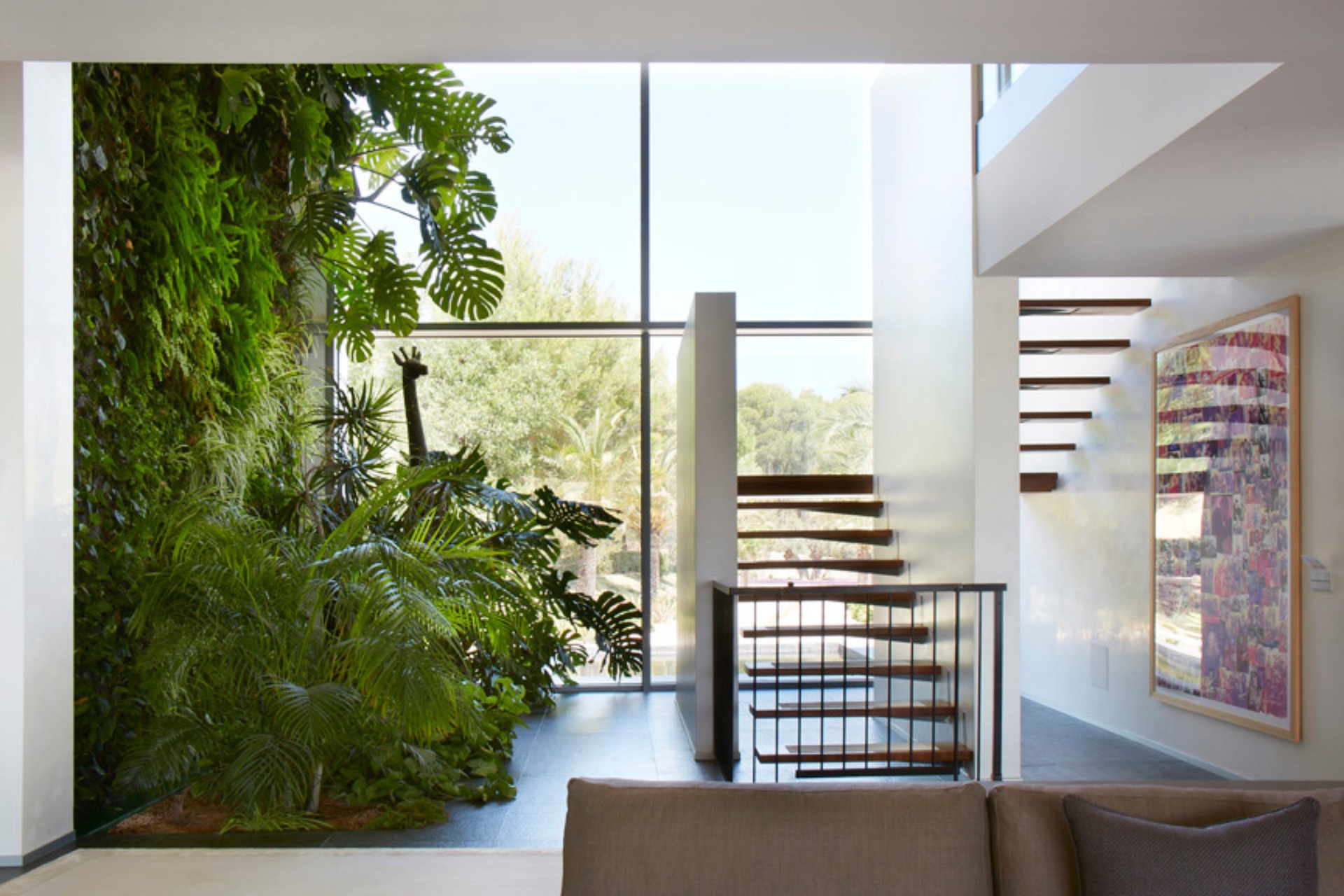
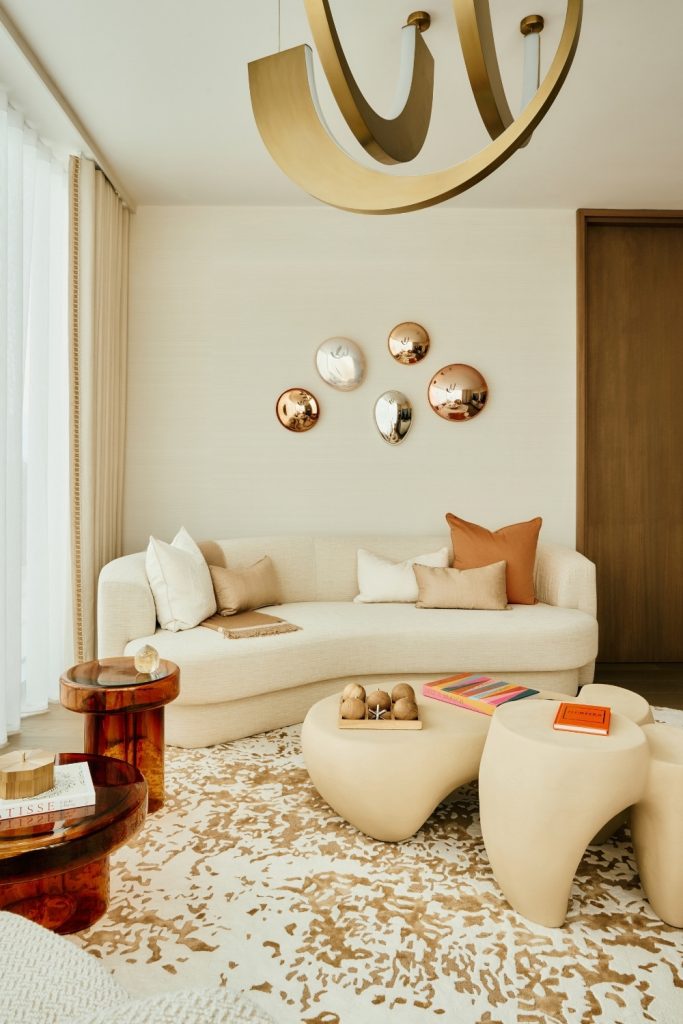
Spinocchia Freund, photographed by Julian Abrams
The secret lies in centuries of intelligent design. Materials, layouts and decoration have all been shaped by climate, creating interiors that feel calm, full of light, and naturally comfortable throughout the hottest months of the year.
The challenge for British homes is that they were never intended for this kind of weather. Our interiors have historically prioritised warmth and intimacy, favouring heavier textiles, richer colours, and enclosed spaces that feel welcoming through long winters. Fortunately, 50 Finest designers Martin Kemp and Brigitta Spinocchia Freund are well versed in the principles that make Mediterranean homes both beautiful and cool.
What Are The Hallmarks Of Mediterranean Design?
‘Traditional Mediterranean interiors are rooted in an instinctive understanding of climate and history,’ says Kemp. ‘Rather than relying on decoration, they celebrate honest materials that improve with age – natural stones, hand-finished plaster, terracotta, timber, and handmade ceramics.’
‘The colour palette is naturally restrained,’ adds Freund. ‘Think warm whites, soft sand tones, olive greens, and gentle ochres, balanced with muted blues inspired by the sea and sky. The beauty of Mediterranean design lies in its simplicity and the craftsmanship.’
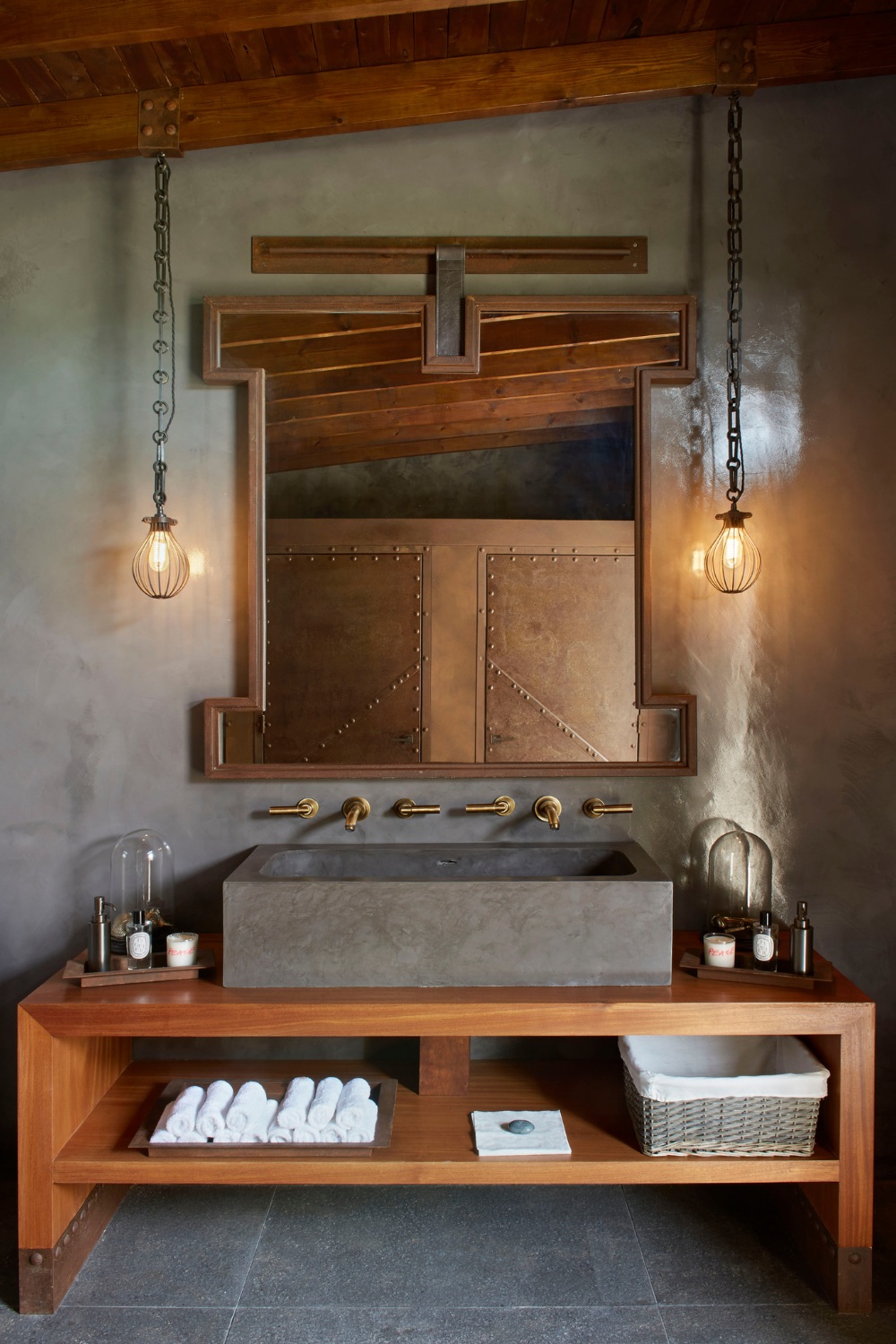
Spinocchia Freund, photographed by Julian Abrams
How Does Mediterranean Design Keep Homes Cooler?
‘Good design can have a remarkable influence on how a home feels without relying solely on mechanical cooling,’ explains Kemp. ‘Mediterranean architecture has evolved over centuries around passive design principles.’
Many of the region’s traditional materials actively regulate temperature. Limestone, marble and terracotta all possess exceptional thermal mass, absorbing heat slowly throughout the day before releasing it gradually as temperatures fall. Lime plaster walls naturally regulate humidity, helping interiors remain comfortable even during prolonged periods of heat.
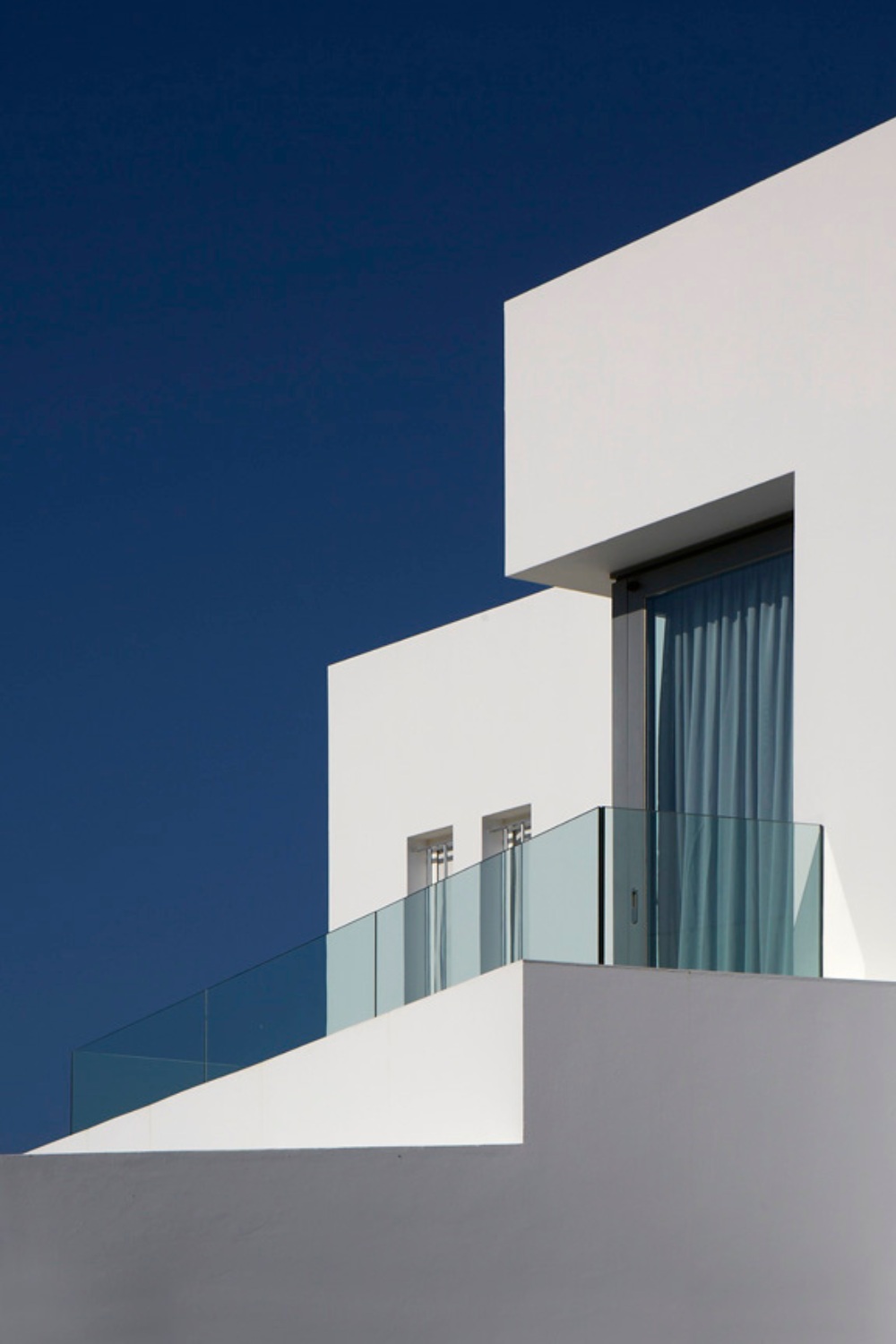
The architecture itself works to keep homes cool. ‘The architecture helps moderate temperature through deep overhangs, pergolas, recessed openings, and carefully positioned terraces that provide shade when it is needed most,’ says Freund.
So how do you bring the Mediterranean style into your own home? These are the lessons worth borrowing.
How To Make Your Home Feel Cooler, The Mediterranean Way
Replace Heavy Curtains
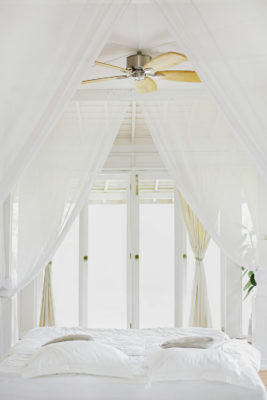
One of the simplest changes is to swap thick curtains for lightweight, sheer linen ones. They gently diffuse harsh sunlight while still allowing daylight and fresh air to circulate, creating rooms that feel bright rather than closed off.
Embrace Natural Materials
Mediterranean interiors celebrate tactile, natural surfaces. Introducing travertine, terracotta, woven grasses, or handmade ceramics immediately softens a room while reinforcing the relaxed character of the style. A vintage linen tablecloth, woven placemats or handcrafted serving bowls shift a dining table from winter to summer, while replacing velvet cushions with linen creates a lighter, cooler atmosphere.
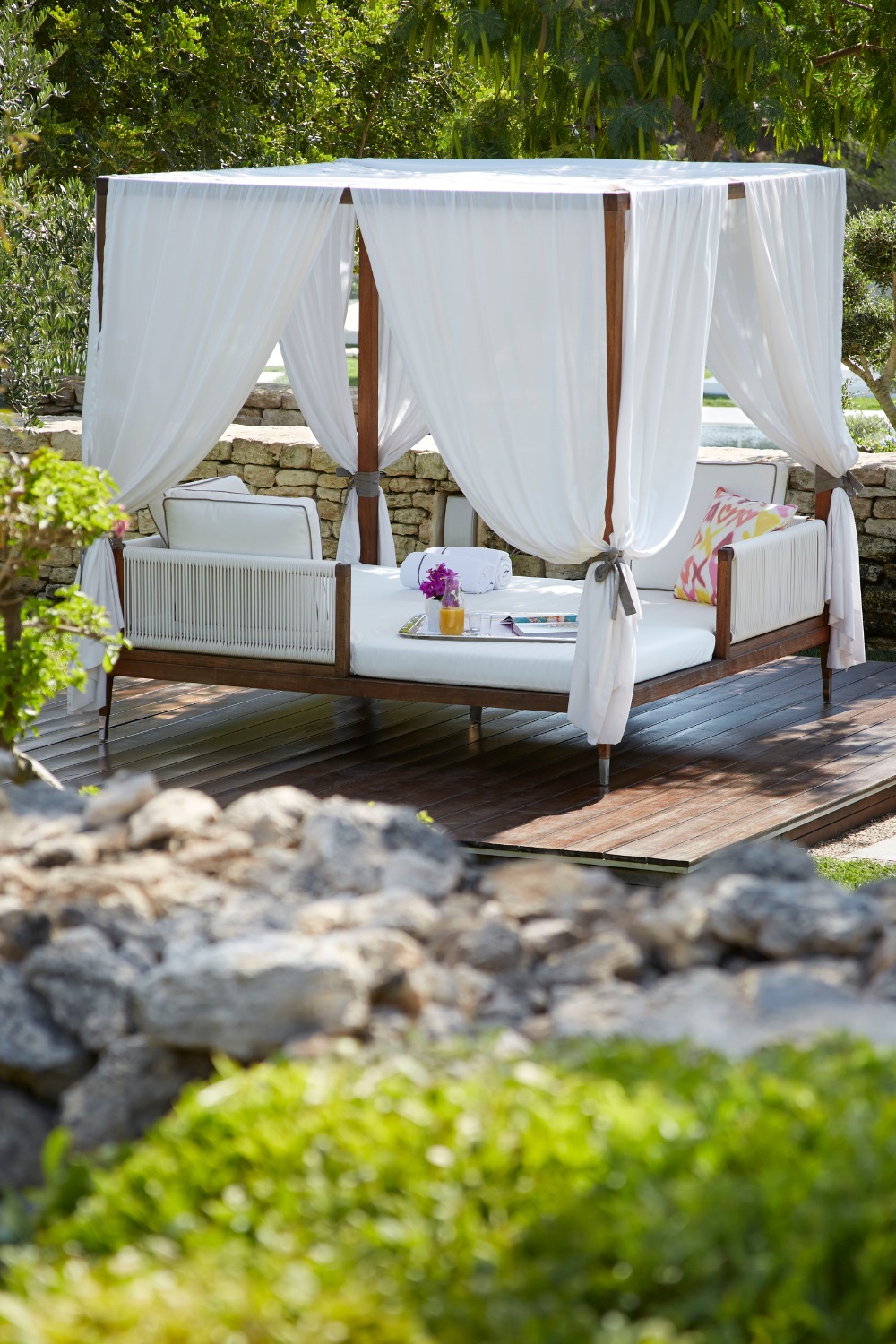
Spinocchia Freund, photographed by Julian Abrams
Declutter
This also has a surprisingly transformative effect. Mediterranean interiors are intentionally edited, allowing beautiful materials and natural light to become the focus. ‘Comfort is as much emotional as it is physical,’ Kemp says.
Utilise Outdoor Space
Mediterranean living naturally extends beyond the walls of the house. Even a modest balcony, courtyard, or terrace can become a comfortable extension of your living space with generous seating, soft lighting, and thoughtful planting. Rechargeable table lamps, linen cushions, and relaxed dining furniture encourage longer evenings outdoors, reducing the temptation to retreat inside.
Incorporate Plants
Seasonal foliage offers one of the easiest ways to capture the effortless character of Mediterranean homes. ‘I love using grasses and loose, natural arrangements that celebrate the season rather than feeling overly styled,’ says Freund. Herbs gathered from the garden or simple arrangements of seasonal flowers all create an easy connection with the landscape, introducing softness without overwhelming the room. Adding olive trees, herbs, or citrus plants can introduce a subtle connection to nature that instantly changes the atmosphere of a room.