



Half Of England Is In Drought – So How Can We Help Save Water?
By
2 months ago
It's more important than ever to be mindful about our water usage
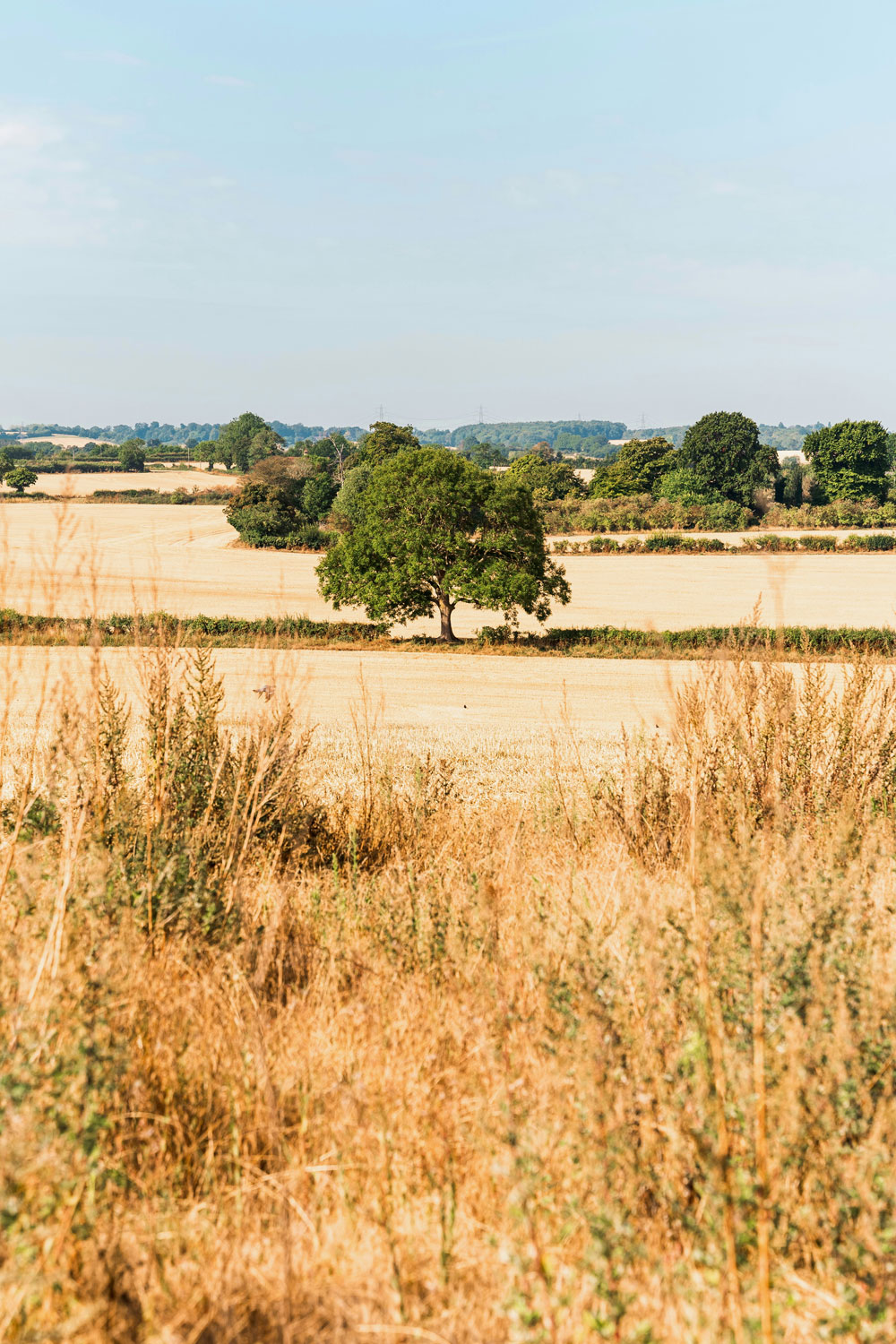
Following weeks of hot, dry weather, drought has been declared across more than half of England. The Environment Agency has named seven regions – London, East Anglia, Hertfordshire, Thames Valley, Devon and Cornwall, the West Midlands, and Wessex – as being officially in drought conditions, and the impacts are already being felt across the country. Farmers are reporting issues with crop growth, lush green parks are now yellow and parched, wildfire risk remains elevated and rivers are facing low water levels. And this is only the beginning: droughts are becoming increasingly commonplace around the world, and the long-term effects can be devastating for people, wildlife and the planet. So what can we do to help save water?
What Is A Drought?
There’s no official definition of drought, as every one is different. However, according to the Environment Agency, they are all caused by a shortage of rainfall. Various indicators are monitored by the agency, including rainfall, river flows, reservoir storage and public water supplies, to decide what level of drought an area is in.
The first stage is prolonged dry weather, ‘characterised by a period of dry weather that is impacting river flows and water levels’. Once this progresses further, an area is declared to be officially in drought, which means there has been ‘further deterioration to the environment and impacting agriculture, people and businesses.’ If things worsen further, a severe drought is declared which signifies ‘extensive, lasting effects on the environment, farming, people, communities and the economy’. When recovery is apparent, an area will be declared as recovering from drought.
The current UK drought is being called a ‘flash drought’: it developed quickly because of unusually low rainfall and scorching temperatures. July has seen just seven percent of the expected rainfall, falling to one percent across southern England – with some parts of Devon having not experienced any rain for 50 consecutive days. And while certain regions in England could see rain in early August, the Met Office has said there’s no sign of sustained rainfall that would make a significant difference to the current dry conditions.
England has now faced three droughts in the past five years, in 2022, 2025 and 2026. ‘The hot and dry weather means we are currently using water faster than nature can replenish it,’ said Helen Wakeham, director of water at the Environment Agency and chair of the National Drought Group. ‘A second consecutive summer drought is an exceptionally serious situation and one that will have long-lasting impacts on our environment, wildlife and the economy.’
How Can We Save Water?
Clearly we can’t will the heavens to open, but there are ways we can help by being mindful about our water usage. ‘We want everyone to stay safe and hydrated during the hot weather but every drop we can save is a drop more for nature and agriculture,’ urged Wakeham.
Simple ways to save water include:
Turn off the tap when you don’t need it
A simple hack: don’t leave the tap running unnecessarily. A running tap uses up to nine litres of water every minute, so if you’re brushing your teeth, or shampooing your hair in the shower, switch it off temporarily to conserve water.
Use full loads for appliances
Washing machines and dishwashers use lots of water and energy, so make sure they’re always full when you hit go. A single standard washing machine cycle uses around 50 to 150 litres of water regardless of how many clothes are inside, so cutting down on the number of cycles helps save water. Better still if you pop on the eco setting.
Unsplash
Swap baths for showers
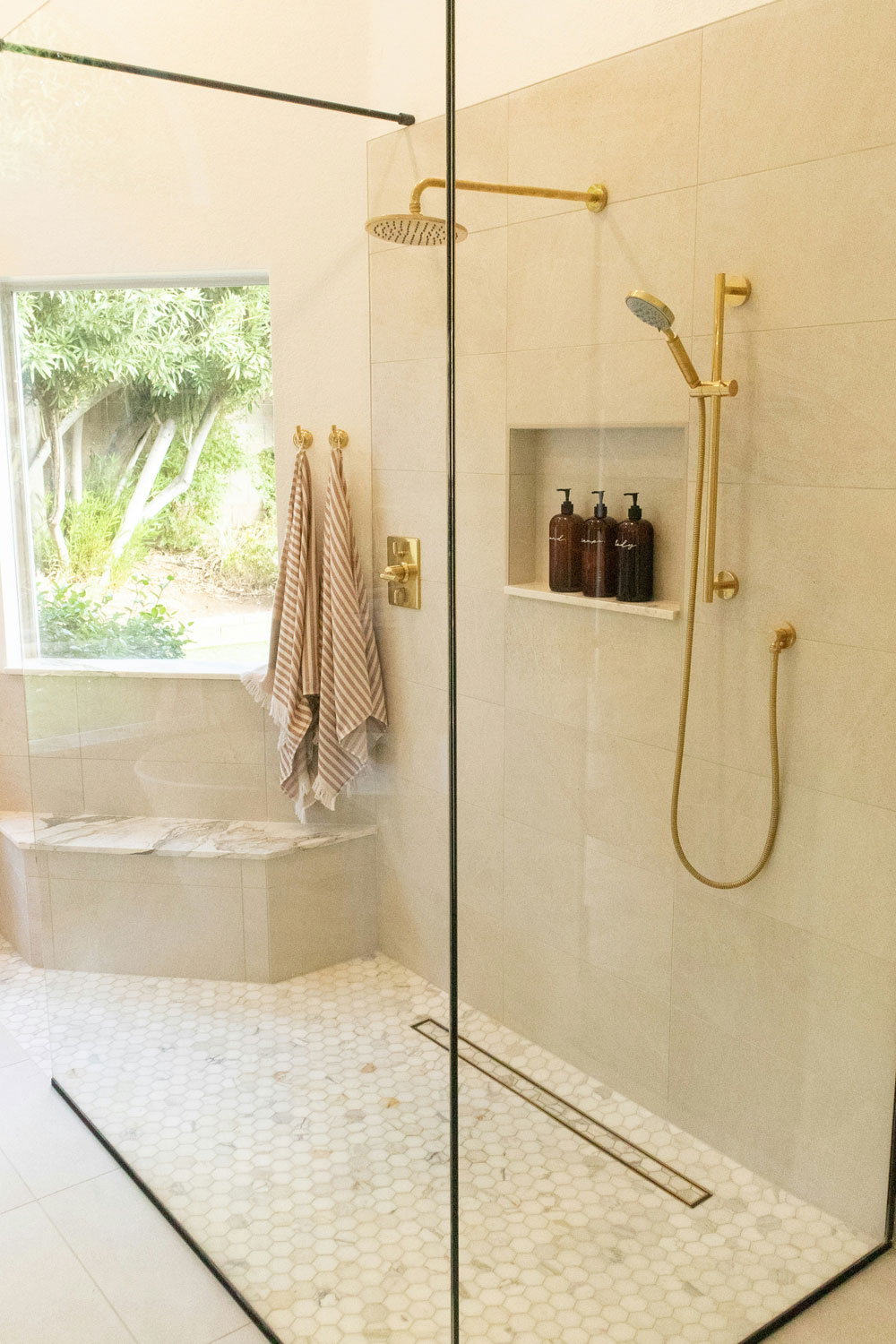
We all love a long soak, but bathing uses up far more water than showering. While the average bath uses about 80 to 100 litres of water, a standard shower uses nine to 14 litres per minute. Better still, try and cut down your shower time – not only will you save on water, but money too. According to Thames Water, shaving two minutes off the average 10 minute shower saves £73 on water and energy bills, and 20 litres of water per person, per year.
Reuse water
Get creative and think about the ways in which you could reuse water. South West Water suggests feeding your plants with pasta water (be sure to leave it to cool first) or placing a bucket in the shower and using the water to clean your car.
Install a water butt
Fitting a water butt is a great way to save water. This works by collecting rainwater which you can then repurpose in the garden – usually it’s fitted to the roof of your home or shed and connected to a downpipe. The water can then be used to water plants, and rainwater is actually better for your plants than tap due to the slightly higher acidity level.