


Why Are Children Around The UK Planting Their Pants?
By
2 months ago
Hint: it’s for the planet
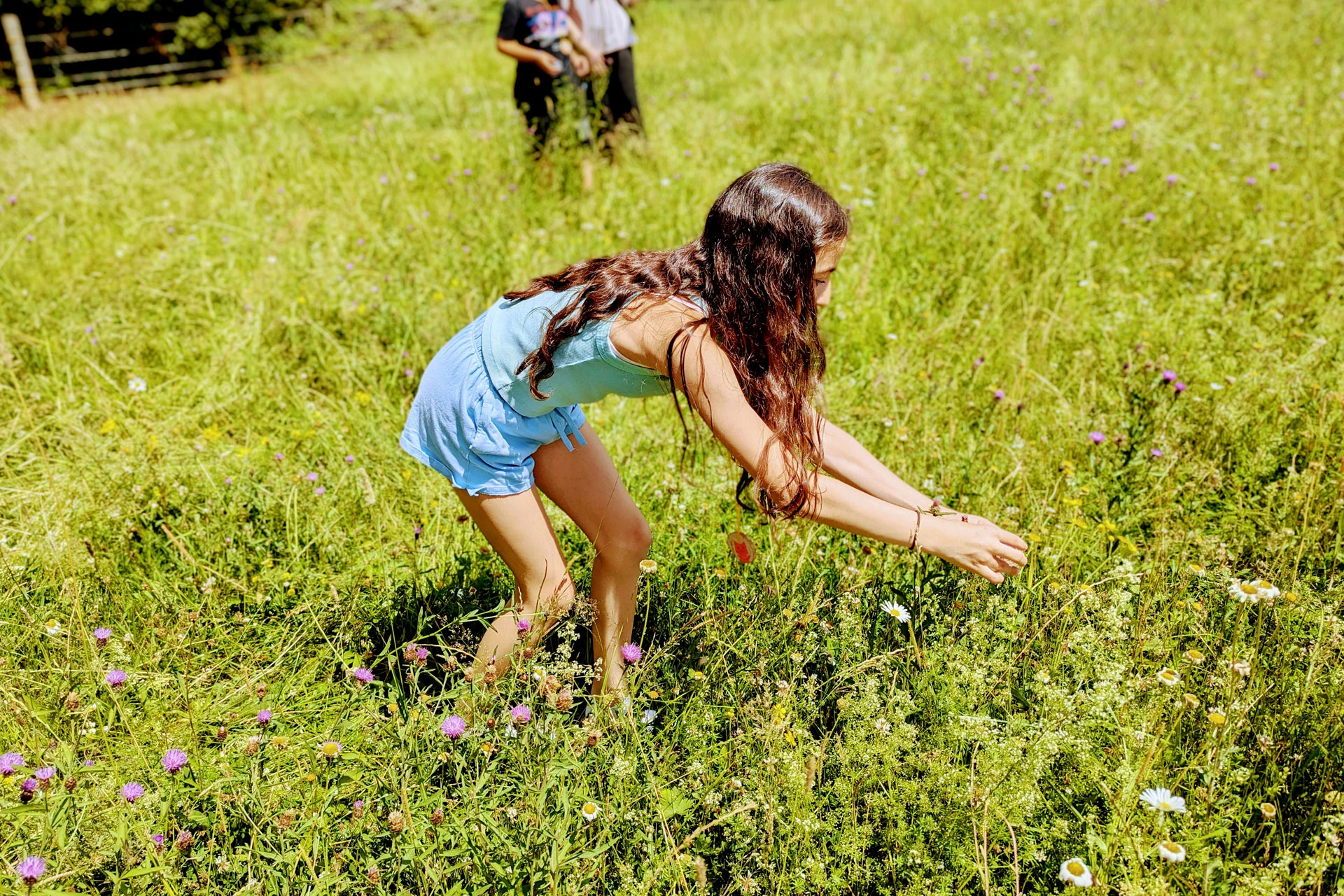
The Country Trust is the UK’s leading national educational charity connecting children from areas of high social and economic disadvantage with the land that sustains us all. It believes that every child should discover firsthand the connections between the food they eat, their own health and the health of the planet. Through food, farming and countryside experiences The Country Trust aims to empower children to be confident, curious and create change in their lives so that they and society can thrive.
Its Plant Your Pants campaign encourages children and communities to get outside, get messy, and discover the magic of soil. Built around one simple idea – burying a pair of 100 percent cotton pants in the ground, waiting eight weeks, and finding out what’s left – this playful yet powerful campaign helps children connect with the natural world in a hands-on way.
Jill Attenborough is the CEO of The Country Trust after joining the charity in 2014, having previously directed public engagement programmes for the Woodland Trust. Jenny Jefferies catches up with her.
Interview: Jill Attenborough On Planting Pants And Getting Kids Enthused About The Outdoors
Tell us about the Plant Your Pants campaign.
Plant Your Pants is for everyone, whether you have a window box, a garden, an allotment, or a farm. All you need is a piece of fully cotton fabric. If it’s a pair of pants – all the more fun. Take your cotton or pants and plant them about ten centimetres down in your soil and then step away for about eight weeks. Don’t forget to mark where you planted them! And in eight weeks, dig them up – what you find will help you understand how healthy your soil is. Cotton is a natural material and is therefore food for the multitude of creatures that live in soil; if your soil is full of life, you may be left with just the elastic from your pants. If you’re left with quite a lot of your pants or your cotton fabric, then you need to consider how you can improve the life and the health of your soil.
Your work encourages young people to engage with the countryside where they’re not. The stats say that almost a quarter of kids aged 6-11 do not know what a harvest is. Why does this kind of knowledge matter?
In the 1940s, Sir Alfred Howard said: ‘Soil, plant, animal, and man: the health of these four is one connected chain.’
But so many of us today are very far removed from plants, and from animals. The very first step towards a thriving society and a thriving planet is for us all to have the chance to discover, firsthand, where our food comes from. If we can set children off on the right path, it empowers them to make informed decisions about their food for life, including understanding that what we eat is critical to our own health and the health of our planet. We can transform their life chances.
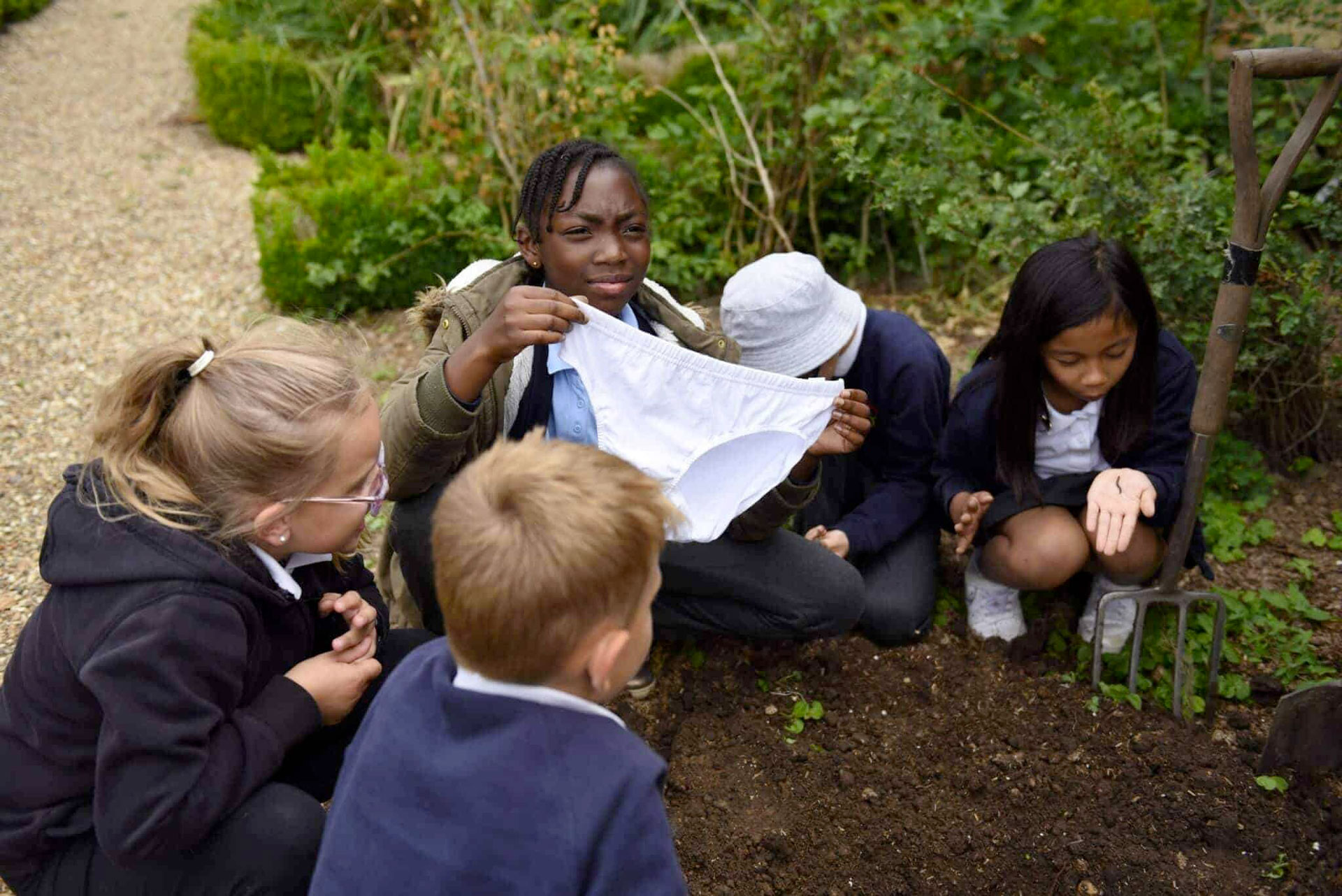
Image courtesy of The Country Trust
Some of us might be incredulous that children don’t know where milk comes from, have never eaten anything fresh and green but the reality of many children’s lives is that their diet and their health is heavily impacted by their life circumstances, where they live, the opportunities available to them. We can change that. As the Country Trust, we run food discovery days – where they grow, cook and explore food – as well as two to four night residentials in Sussex, Cumbria and the Yorkshire Dales, where they can immerse fully in the countryside.
I will add that our ‘Indicators of Change’ report has just been published – we followed 122 children across eight schools in England’s most deprived communities. Even one day on the farm had a visible impact two years on, with lessons permeating the children’s home lives, confidence and interests.
Is this work incorporated in the national curriculum?
In theory elements of it are – in primary schools, kids learn about rocks and soils, plus habitats and the biology of plants. In design technology, there’s some emphasis on understanding where food comes from. But there’s an issue in that the majority of teachers live in towns and cities and may not have the confidence or competence to teach these topics in a joined up way.
We’d love it if ecological literacy could be considered as important as literacy in the future. Because kids’ lives will depend on it.
What inspires you day-to-day?
The natural world continues to be jaw-droppingly inspiring to me. I can’t walk past an acorn or a conker on the ground without picking it up and putting it in my pocket. The life and potential that’s contained in a seed is just astounding. The swallows have just arrived back here and that’s an annual source of wonder to me. How do they do that? I could go on and on – it’s all amazing, and makes our lives possible, yet we so often treat it as if it was of no consequence.
What is your favourite fact about soil?
Some of our children went to the John Innes Laboratories and looked at antibiotics from the soil. The fact that scientists have been able to harness the fact that some bacteria in the soil send out substances (antibiotics) that kill or deter other bacteria, to enable us to defend ourselves against harmful bacteria, is just brilliant! Apologies for my poor summary of the science.
countrytrust.org.uk