


A Bug’s Life: Inside The Insect Apocalypse
By
3 months ago
Attention is often centred on the conservation of bigger, furrier beasts, while our insect populations are dying in their billions
Insects are dying in their billions. This is fact, not hyperbole; the global decline is catastrophic. Often dubbed by entomologists as the ‘insect apocalypse’, the die-off is not only threatening already vulnerable ecosystems, but also human existence.
I cannot recall the last time I saw a butterfly fluttering around London. My concern is not unique. Across the globe, insect populations have declined at an alarmingly fast rate. Habitat loss driven by the destruction of forests, wetlands and grasslands, alongside agrochemicals, broad-spectrum herbicides and the worldwide effects of global warming, have depleted populations by their quintillions on a near daily basis, say scientists. Why does this matter? Insects support a colossal 75 percent of the food chain, and without keystone pollinators like bees and even mosquitoes, global food webs would break down, leaving plants unable to reproduce and scavengers unable to recycle biowaste. An unfathomable number of birds, reptiles and mammals would face swift extinction – including us.
The importance of a healthy insect ecosystem is, in other words, the critical conservation story of the moment. The question now is, why is nobody talking about it? One reason is, of course, funding – but there are others. ‘Insects, except cute bumblebees, are simply not sexy,’ says Dr Tom Oliver, resident entomologist at The Newt in Somerset.
Britain’s Vanishing Flying Insects
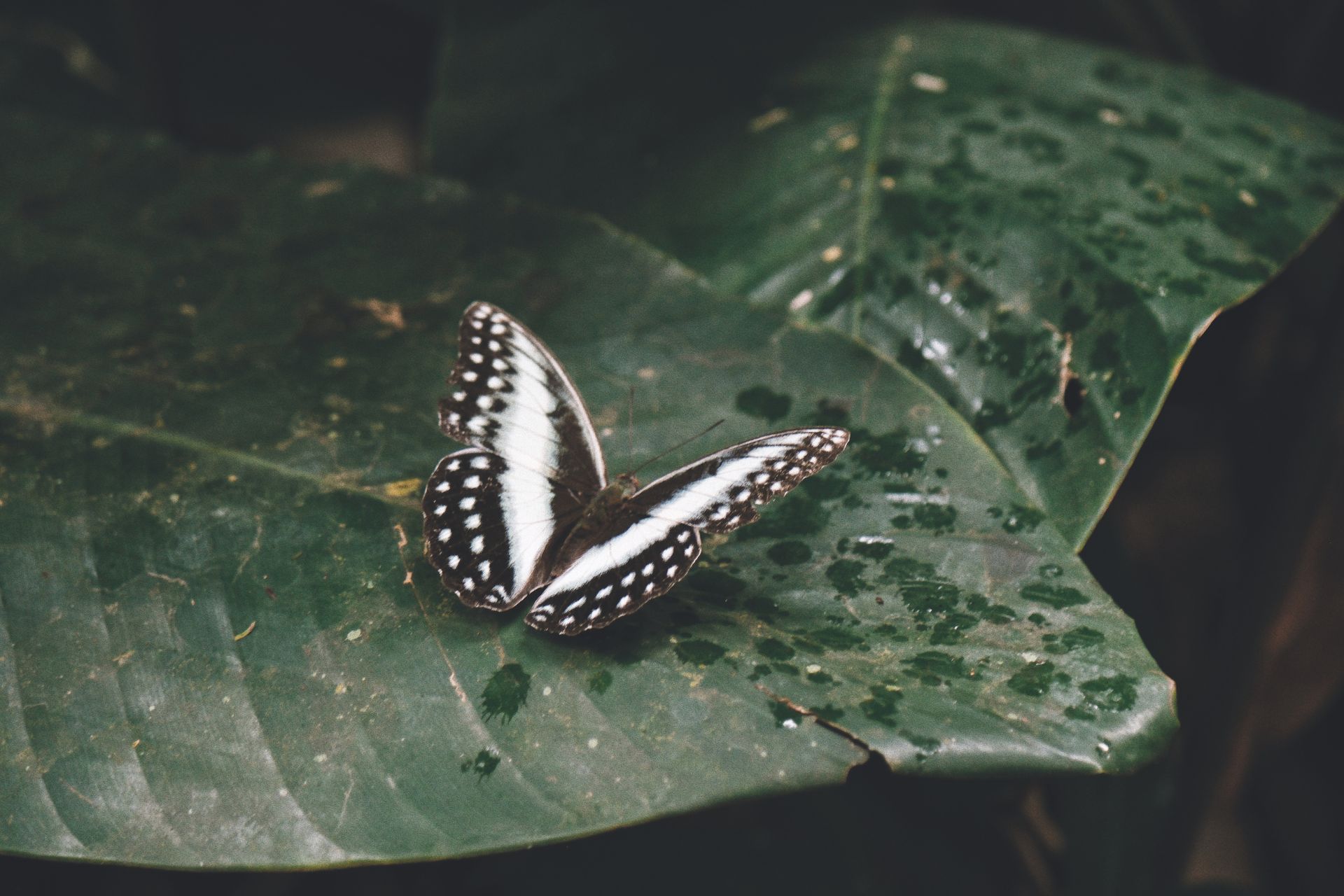
The UK in particular is under extreme threat, with over 60 percent of flying insect populations decreasing in the last two decades. Wasps, for example, are reportedly declining throughout England as we see more rainy days and flooding, impacting pollination and ecosystems. Despite numerous campaigns to help save them, including those from Sir David Attenborough over the years, species like bumblebees and butterflies have recently recorded their lowest numbers since monitoring began (in the mid to late 1970s). Again, England is the worst hit thanks to continued habitat destruction, urbanisation, destructive farming practices (the use of agriculture pesticides especially) and, as Oliver notes, the continued threat of climate change.
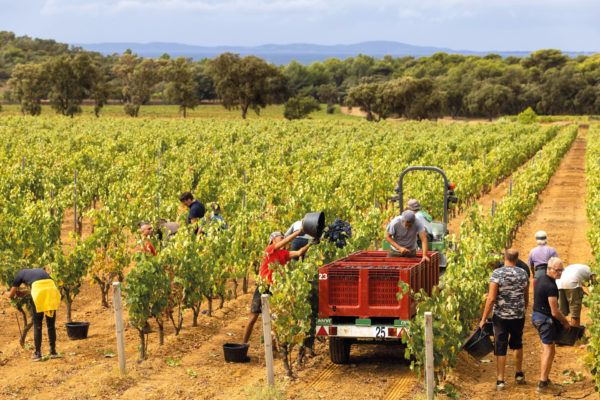
While The Newt estate has, under his watch, become chemical free and implemented several initiatives to help the problem at farmland level, Oliver admits this approach would have to be widespread across the country for it to make any positive impact.
The Congo Basin: ‘Lungs Of Africa’ Under Threat
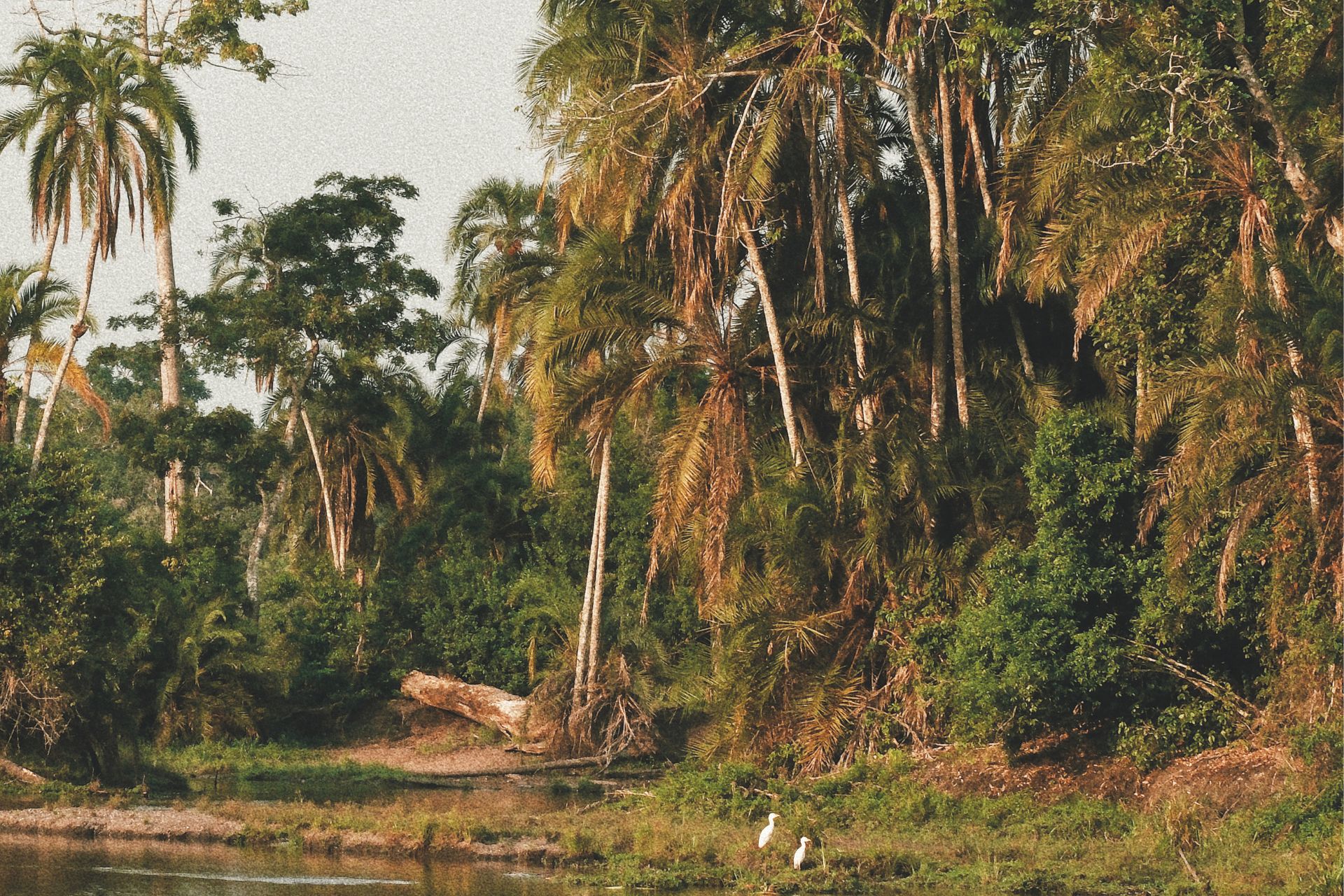
Like the UK, the Congo Basin – the world’s second-largest tropical rainforest after the Amazon – is also under threat. Known as the ‘lungs of Africa’, the basin spans 500 million acres across multiple countries and is critically important for global climate regulation. It acts as Earth’s largest forest carbon sink, sustaining unimaginable biodiversity, especially below ground. Kamba, operator of the only luxury safari camps in Odzala-Kokoua National Park in the Republic of the Congo, works with several NGOs and researchers to educate guests on the importance of biodiversity in African ecosystems.
Beyond its exceptional wildlife – from gorillas to chimpanzees and forest elephants – this part of the Congo Basin holds great ecological significance not just for Africa, but also the entire planet. Insects form a key part of the food chain: most birds, bats, rodents and many other animal groups depend on them as a food source, and various human communities rely on them as key protein sources. ‘Their diversity is immense and still not fully understood or recorded,’ says Congo-based entomologist Gaël Ruboneka Vande Weghe. ‘We are talking about tens of thousands of species. Butterflies alone in the central African rainforest count for more than 2,000 species.’
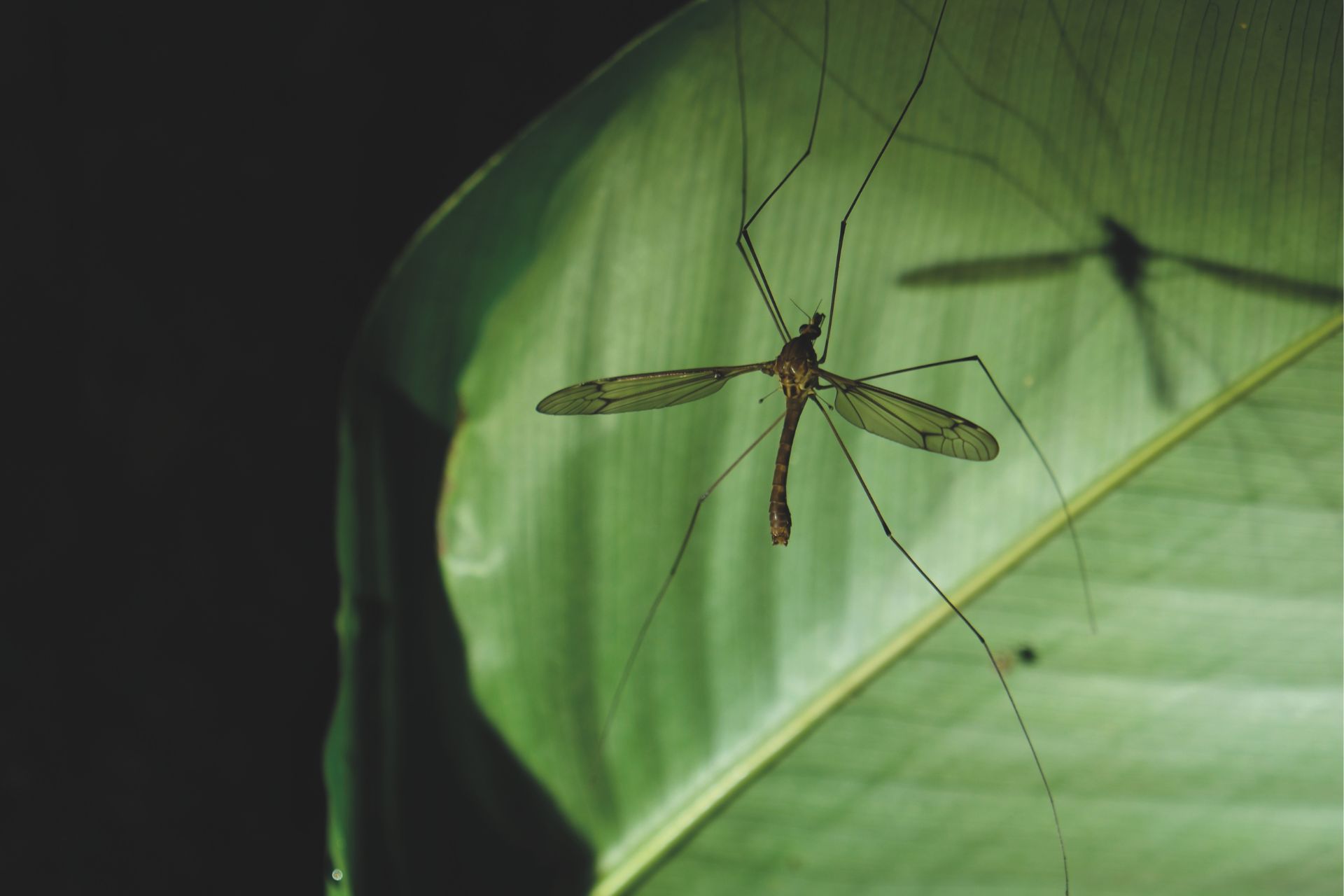
Insect life here may appear to thrive, but it is under severe threat from rapid climate change, deforestation, illegal logging, over-harvesting and increased mining. As Vande Weghe notes, ‘the collapse of the central African rainforest ecosystem would lead to massive social disruption and population displacements due to lack of pollinators for food’. While the long-term data sets and trends for insect depopulation in Africa still remain fully unknown, insects are ‘the biggest pillar of biodiversity on the planet and have a huge indicator role – and yet, ironically, they are still less talked about in the conservation space’.
In addition, the continued destruction of host trees in particular are directly annihilating indigenous insects – many of which the forests rely on for biological control, from decomposition to nutrient recycling and pollination. ‘The Congo is single-handedly the most important carbon sink on the planet and is a crucial, undisturbed refuge for some of the planet’s rarest mammals and insect species,’ says Dylan Smith, head guide of Kamba lodges Ngaga, Lango and Mboko, which offer a number of wildlife itineraries such as the 11-night Odzala Discovery. ‘With the loss of insect life and keystone pollinators, the Congo would disappear in a generation, leading to the widespread collapse of the planet as we know it.’
A Silent Trek Through The Rainforest
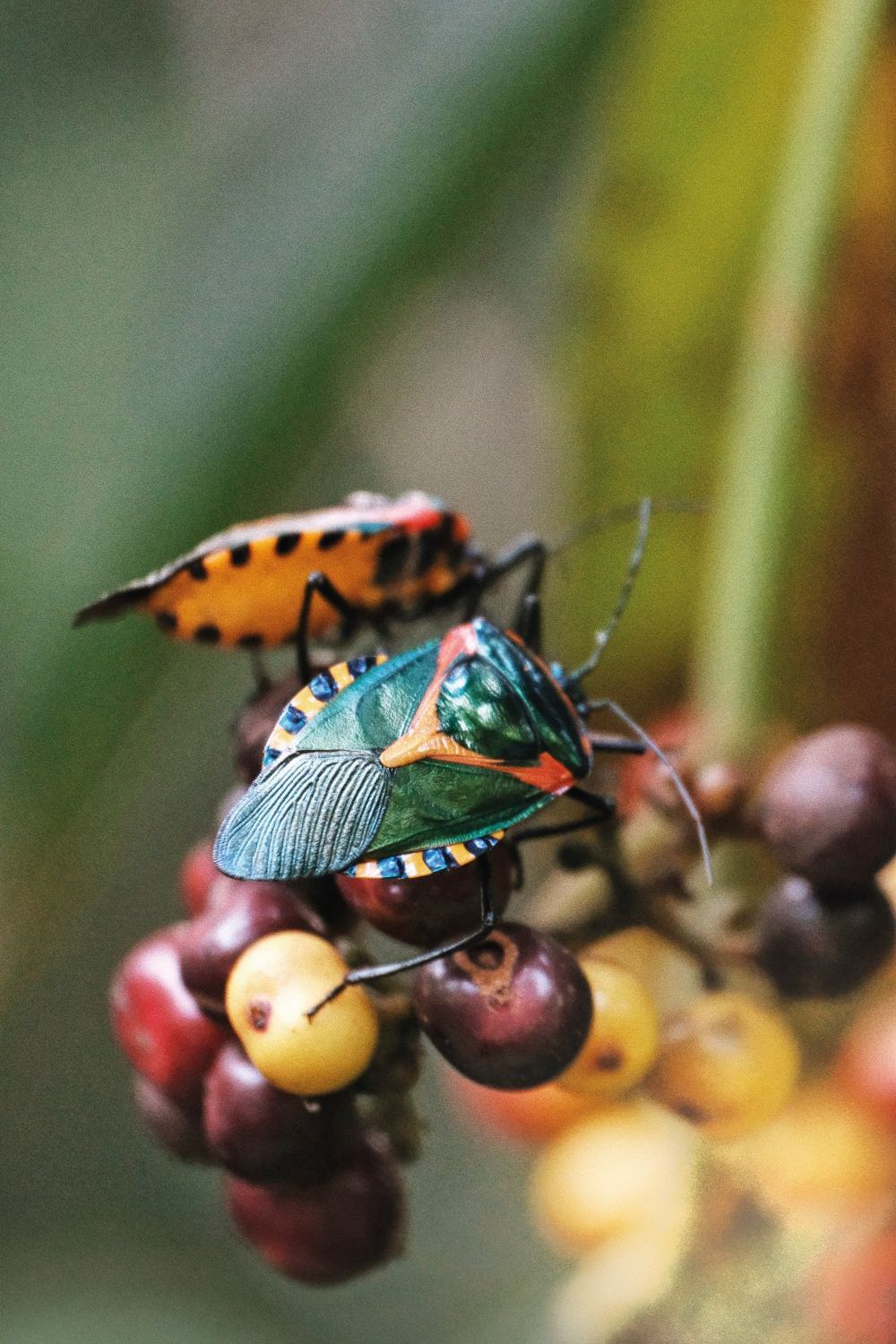
I witness the problem firsthand. On an early morning trek to find a family of western lowland gorillas, the insect kingdom remains elusive. Over four days, I spot only a handful of species, including praying mantises, assassin flies, jewel beetles, giant millipedes, dung beetles, hornet wasps, spiders and butterflies. On stumbling upon the magnificent apes, I am bitten to death by a colony of driver ants, whose nest I had accidentally disturbed through sheer excitement.
‘Apes rely not just on plant life to survive, but also on insects like ants, termites, caterpillars and various grubs as their largest protein source. Without them, apes would be extinct.’Will McAdam, Kamba Guide
Signs Of Hope: From Justdiggit To Regenerative Farming
It is not all doom and gloom. Elsewhere in Africa, there are continuous efforts to bolster insect populations across sub-Saharan nations. Justdiggit, a grassroots non-profit, partners with hundreds of farmers, pastoralists and safari brands like The Safari Collection in countries like Kenya and Tanzania to help restore dry and degraded soil. As of 2025, the organisation has replanted over 23 million trees and regenerated half a million acres of land through continued community development, ensuring sustainable, long-term impact on both food and water shortages throughout the continent. By improving soil quality, Justdiggit has managed to replenish and sustain key biomass sites where insect life is able to thrive.
Asia’s Decline And The Cost Of Hand Pollination
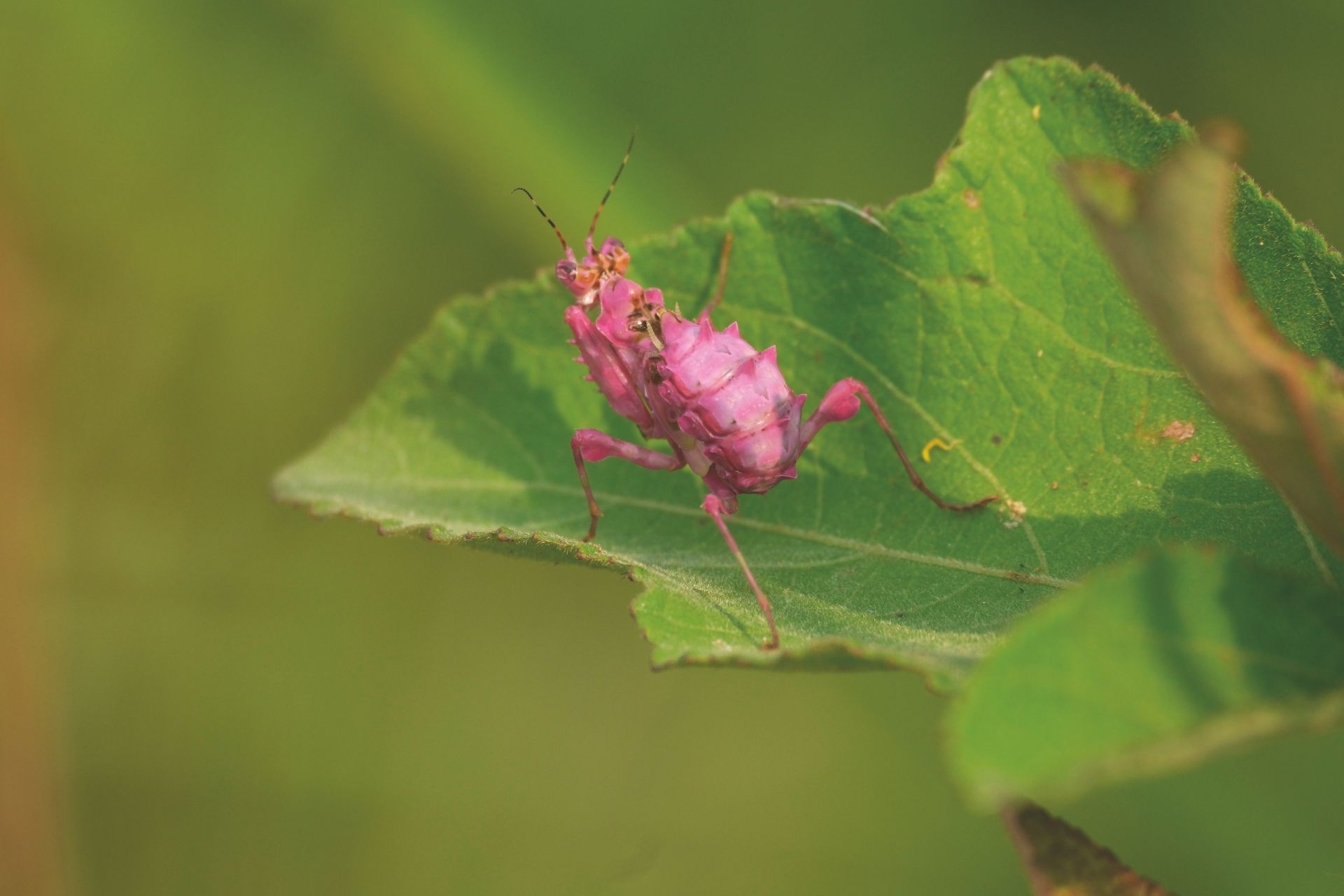
In Asia, while the numbers concerning insect health and distribution are still hotly contested, there is further evidence to suggest the continent is suffering just as much as the rest of the planet. A study from 2003 to 2020 on Beihuang Island in China found an average 7.6 percent drop in migratory insects, indicating a downward trend of 0.4 percent annually. As seen elsewhere, and despite high biodiversity on the continent as a whole, studies have shown a sharp decline in migratory insect populations, mirroring other global decline trends. As a result, many rare butterflies, beetles and dragonflies are now being classified as endangered species.
Without insects, freshwater ecosystems would collapse, leading to mass extinctions and severe famine for humanity. The major irony is that we continue to tear down forests in order to farm and by doing so, many entomologists agree we are sealing our own fate. Already, agricultural production chains across the world are feeling the effects of insect loss. Solutions are scarce and costly; over the years, countries such as China have implemented hand pollinating techniques to increase crop yield. Hand pollination is notoriously costly, but it is becoming increasingly necessary for farmers worldwide, ultimately driving up domestic food prices and affecting quality.
While traditionally seen as annoying pests, insects are more important than most think. ‘Without them, we will die long before they do,’ concludes Oliver at The Newt. Only time, and action, will tell.