


Seals, Surfing & Miles Of Uncrowded Beaches: Why Jersey Is Making Waves As A Family Destination
By
33 seconds ago
Katie Scott discovers this Channel Island is teeming with wildlife – but hardly any tourists
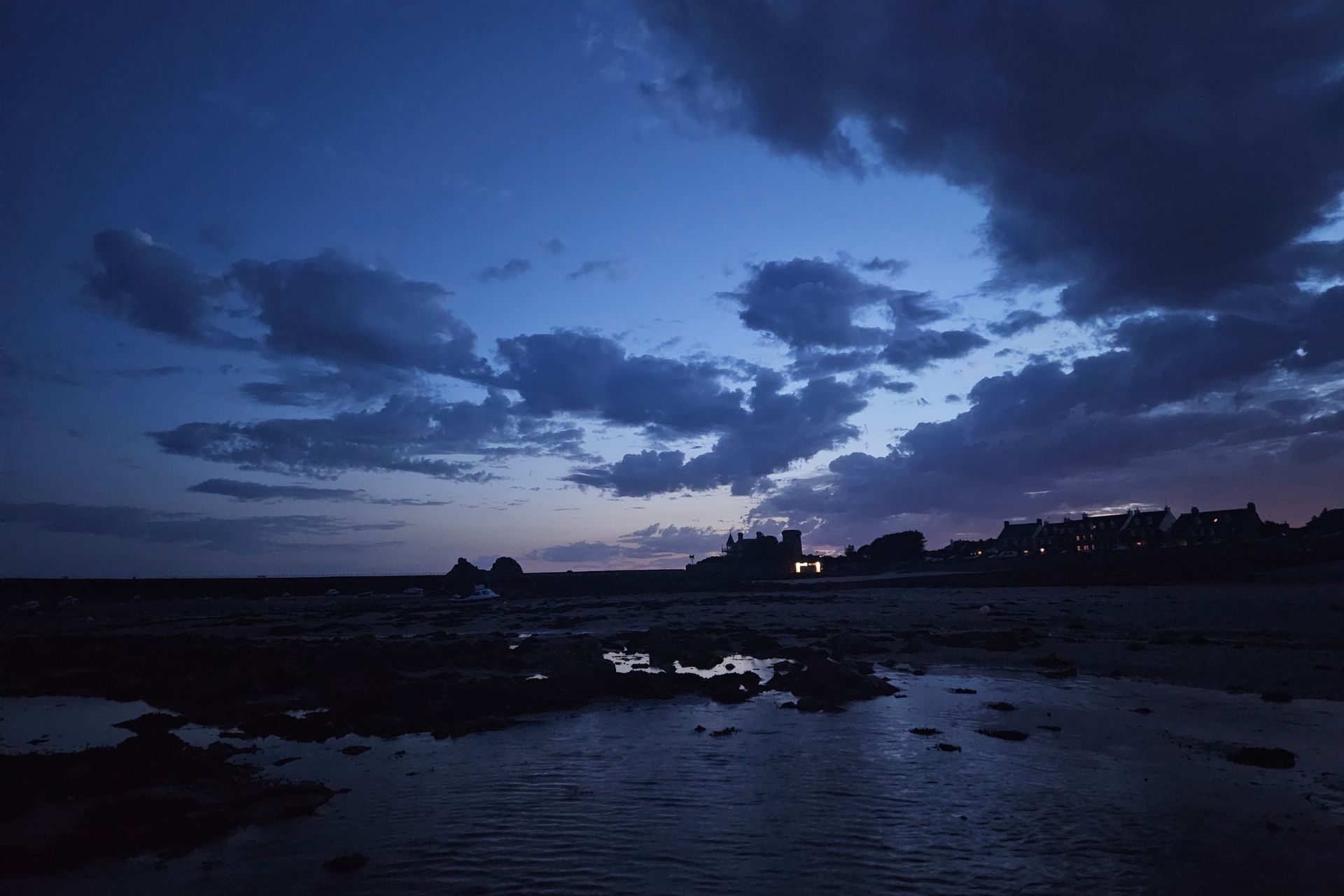
It’s 9pm and I’m walking on stars. Around my feet, tiny lights flash intermittently and above my head, the huge sky deepens until the sea and tidal zone blur into inky darkness. I can hear my children around me as they slowly walk through the shallow waters, occasionally giving a gasp of joy as they see another little light. In the distance, beyond the faint outline of a defensive tower, waves gently tumble onto the rocks and the occasional sea bird squawks a grumble at our presence.
We are being led by Trudie of Jersey Walk Adventures into the dusk at La Rocque Harbour at the south-east tip of Jersey’s National Park. This area is an internationally recognised RAMSAR (Wetlands of International Importance) site, and part of the island’s 2,145 hectares designated for protection. As we meander through gullies of shallow water, Trudie tells us about this habitat, stopping to show us the occasional crab or even a sea anemone. Usually a dull brown to the human eye, under UV light they are a resplendent red. La Rocque Harbour is also home to millions, if not billions, of the creatures that are drawing such delight from our little party – marine polychaete worms – which create bioluminescence and will glow for up to 20 seconds.
Credit: Katie Scott
I admit to Trudie as we walk that in my 16 years of visiting the island, I didn’t know anything about them. She nods: ‘Yes, people are amazed that in our latitudes we have bioluminescence on the beach with these fascinating worms.’ It is her hope that, with increasing awareness, might come a wave of desire to protect this habitat even as the waters around the island increase in temperature.
According to the Blue Marine Foundation, there are 3,200 known animal and plant species living within or above Jersey’s marine ecosystems – everything from show-stopping bottlenose dolphins to rare sunset cup corals. The worms and their nocturnal lightshow are another key attraction on an island that is only a four-hour ferry ride from Poole – one that remains relatively unknown since its halcyon days as a party destination in the ‘70s. This means that the island’s 30 plus beaches are pretty quiet, even in the height of summer, but also often enjoy a faint breeze and lower temperatures. As our home county of Sussex sweltered, we enjoyed a balmy 25 to 30°C with temperatures dipping pleasantly in the evenings.
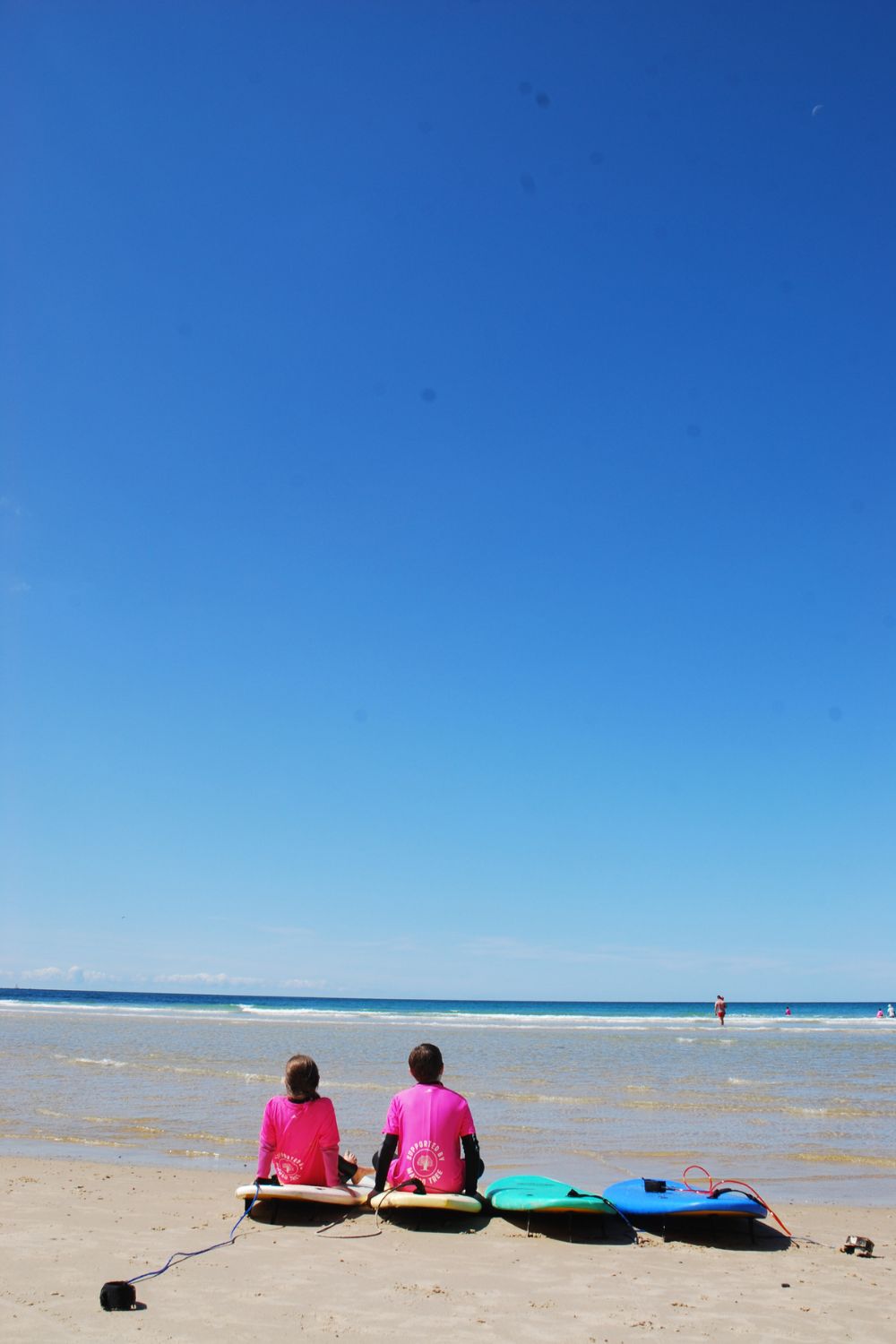
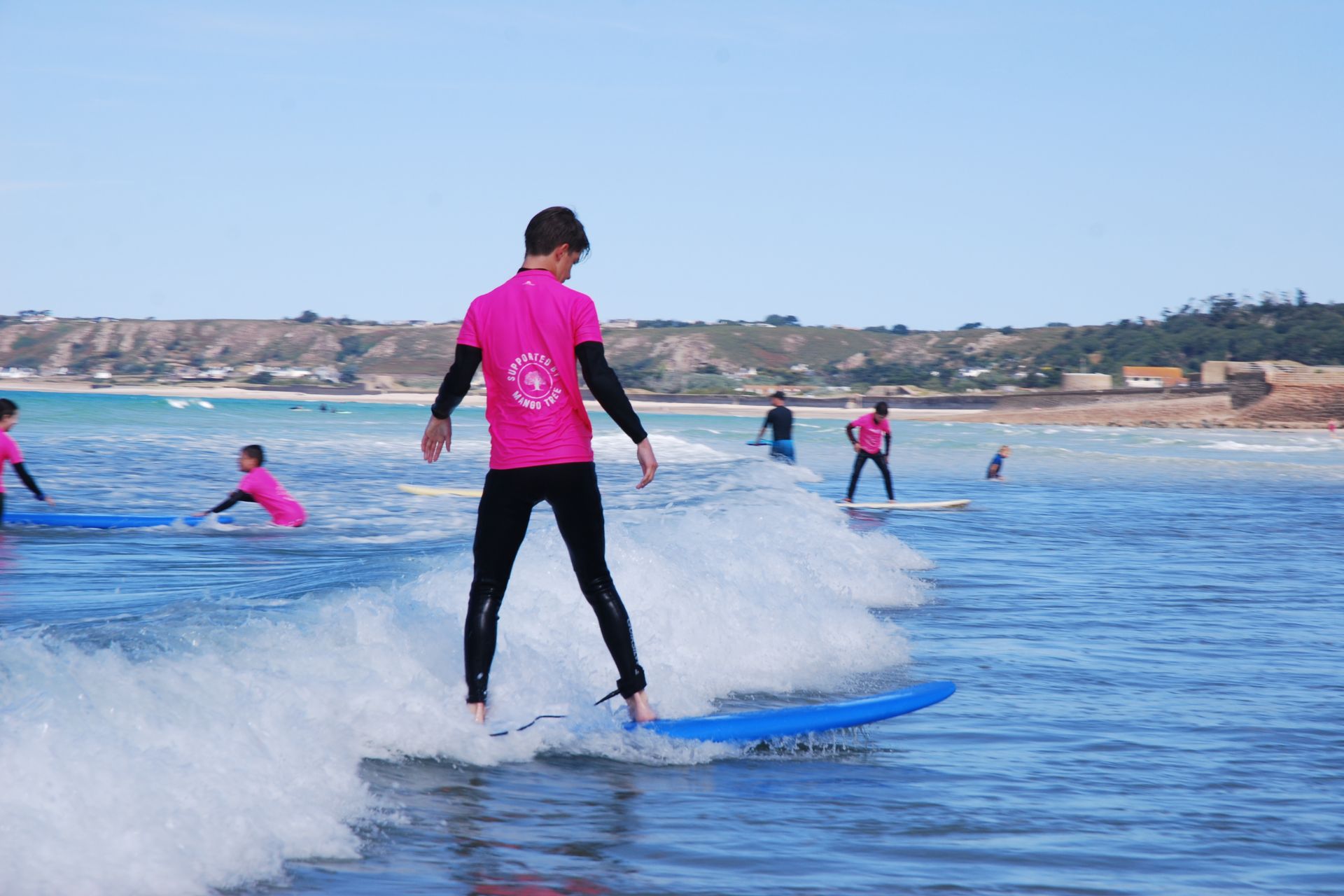
The next morning, though our patient instructor, Fred, reassured me that Jersey’s beaches are brilliant for beginners, by 10am, I had already embarrassed myself several times over – but can honestly say I didn’t care. We were learning to surf, me cheering and bobbing in the waves as my 14-year old got onto his feet with minimal wobble and then held his arms out in glee as his surf board glided towards the beach.
Credit: Katie Scott
A Jersey man, Fred knows St Ouen’s Bay and its sometimes-powerful Atlantic Waves. Sitting on the island’s western flank, it has a massive 12 metre tidal range and hosts international surfing competitions. Today, I am relieved that the waves are what Fred describes as ‘dumpy’. ‘We’ve got a really good variety of waves, including plenty of sheltered spots that are great for beginners, and there are several surf schools around the island to help people get started,’ Fred says. Jersey Surf School claims to be the very first to open in Europe and is a local favourite.
As we dry off, a group of kids are collecting their lunch from Watersplash after a morning on the waves with an instructor. This iconic venue has operated since 1954 and is a great place to visit for chips and drinks as many a flip-flop clad, salty-haired surfer has before you. As Fred says: ‘I think that’s one of the nicest things about learning to surf here – you’re not just learning how to stand on a board, you’re becoming part of a community that spends a lot of time in and around the sea.’
It takes a lot of persuasion to get the kids off the beach, but it is the unusual promise of Lego and animals that tempts the smaller two to take off their wetsuits. Jersey Zoo was founded by My Family and Other Animals author and conservationist Gerald Durrell, and we have been bringing our family here for more than a decade. A call from my mum, an island-resident, always includes an update on the animals. Jemma, the Linné’s two-toed sloth, is a firm favourite, and has recently headed to Marvell Zoo in search of love; we all miss her. However, there is plenty more to see. My youngest son was most excited about the zoo’s exhibition of Lego animals, while his little sister was enamoured with the giant otters – Alexander and Fia – who her siblings informed her were as noisy as she can be.
Durrell was famously fascinated by what he called the LBJs, or Little Brown Jobs – the small animals that often don’t garner the crowds but whose plight he really wanted to change. It seems apt that he found a home for his menagerie on an island, which has far more bio-diversity that those of us just 85 miles away on the mainland are aware of. It is a place well worth visiting for its dramatic views, the ruins of German fortification from the island’s dark chapter of occupation – and a potential glance at some puffins.
Credit: Katie Scott
Standing under two giant puffin statues, I was surprised to find out Jersey used to be home to 300 breeding pairs of Atlantic Puffin. They have suffered a drastic and heart-breaking decline, but there is hope of a revival as conservationists push for a reduction in marine pollution and more sustainable fishing practices. The National Trust for Jersey is planning to create an eco-sanctuary at Plémont Bay with a physical barrier built to protect the three remaining breeding pairs from rats, cats and ferrets.
Several days later, we are six miles northeast of Jersey and eight miles from France. Above our heads, sandwich terns wheel and occasionally dive, piping sharp, scratchy cries to warn the colony that we are nearby. We are visiting Les Écréhous – a group of rocky islands (their name means exactly this in Norse) that have no permanent human residents but plenty of other inhabitants. A group of fishermen’s huts huddle together on one end of the largest island – Maîtr’Île – and are visited by the Jersey families who have owned them for generations. However, the birds dominate and are protected here in another of Jersey’s RAMSAR sites. As well as the circling terns, we see Great Cormorants drying their wings as we pass by the exposed rocks on our way to the pebbly beach.
To reach the isles was just a 15 minute journey on board one of Jersey Seafaris’ RIBS. The exhilaration and breeze as we bounced over the waves was perfect on that hot day. Our guide, Alicia, told us more about the islands including the lamentable fate of Alphonse Le Gastelois, a Jersey man wrongly accused of a crime who then lived in self-imposed exile on the islands for 14 years. The kids looked sceptical at the prospect of staying here, but the writer in me looked longingly at the huts – imagining quiet, a huge pile of books and cosy jumpers – as we headed off to spot more seals. We saw one balancing elegantly on a rock decidedly smaller than herself, as if engaged in some kind of phocine yoga. The dolphins remained elusive but there are reportedly as many as 100 living around the island. ‘We’ll come back again,’ I tell the kids – and we will. The next morning, Alicia and the RIB pull close to the pier at Bonne Nuit as part of a tour of the island’s coast. She waves as our kids gleefully plunge into the waves.
Credit: Katie Scott
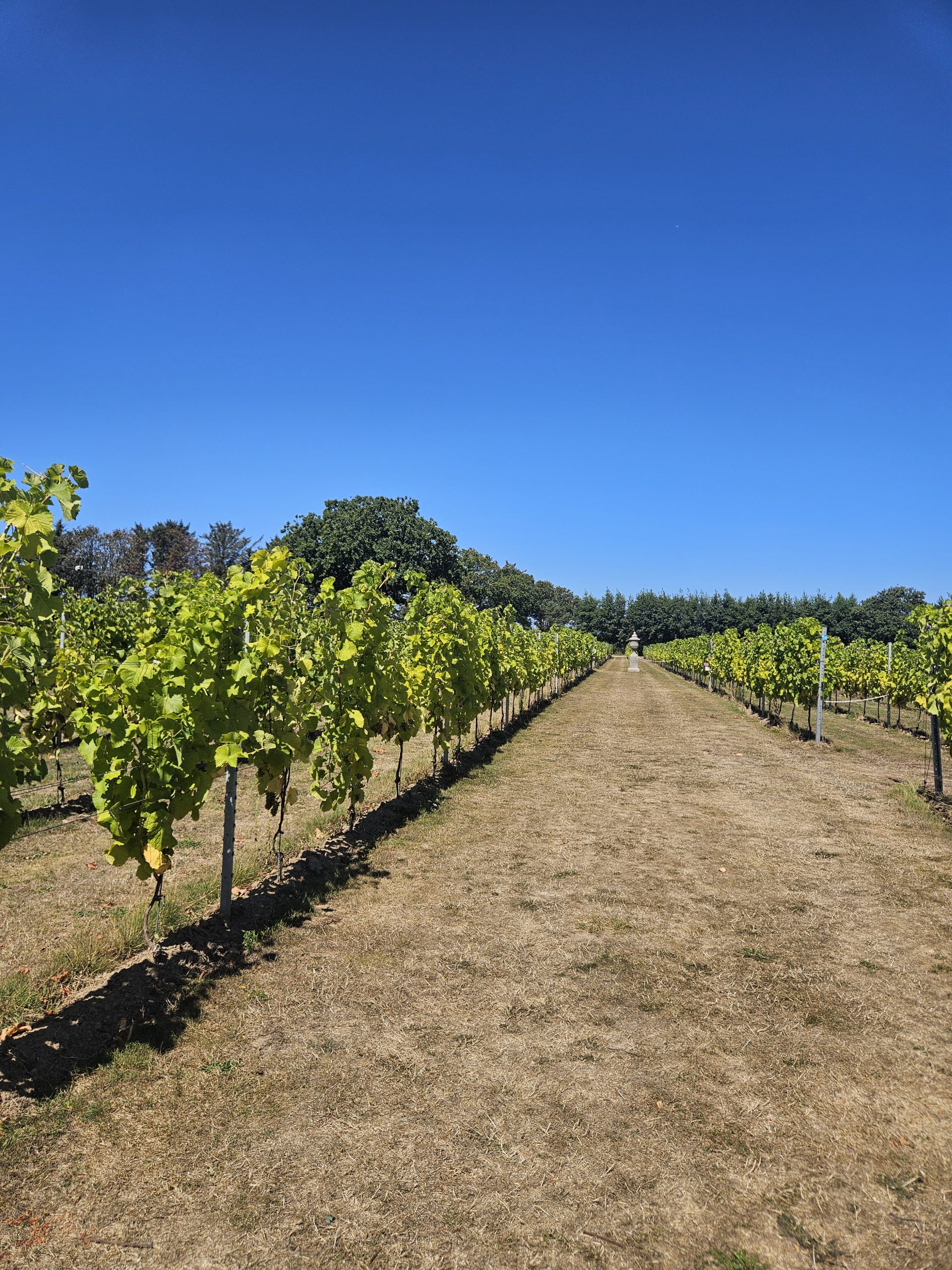
We leave them under the watchful eye of Nana and head inland to wander among the vines at La Mare Wine Estate. Passed from one family to another, this vineyard is a home, too. The crumbling farmhouse caught the eye of the Blayney family from Newcastle in 1972, who then restored the building and planted the first vines. The latest owners, Trevor and Jane Owen, are the first in the vineyard’s history to be harvesting in August this year. Our guide, Bob, talks us through the process and leads the tasting, which includes the estate’s Pomvie – an Apple Brandy Cream Liqueur made with traditional heirloom Jersey apples. Orchards covered around 15 percent of the island in its cider-making heyday, but most fields were turned over to potato production in the early 1800s. I leave with a bottle of Pétillant Sparkling Apple Wine and a jar of Jersey Black Butter, which I begrudgingly give my mum as a thank you for childminding.
That afternoon, on the hottest day of our trip, I found a shady spot under the boughs of a tree in the grounds of Longueville Manor. A stone apple press in the middle of the lawn nods, again, to the island’s history. Beyond the lawn, I can hear splashes as a family enjoys the pool – the best and wisest place to be.
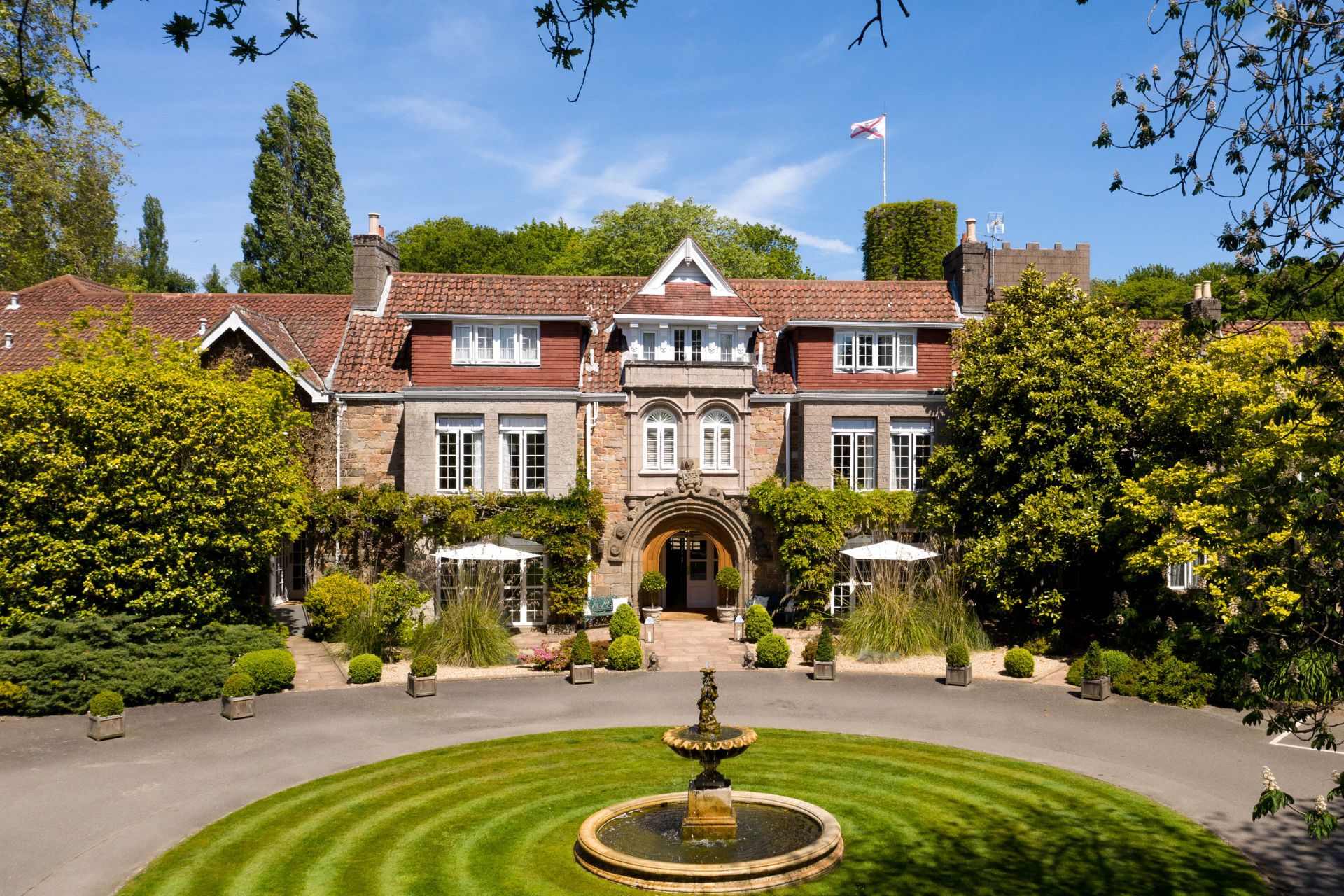
The hotel is akin to a country lady, who offers quiet attentiveness and many a comfortable sofa to sit on as you listen to her centuries of stories. As General Manager Daniela Corasaniti tells me, the manor has been run by the same family for generations. In the wine cellar, trainee sommelier Luca shows us a bottle from 1949 – the date that the hotel opened its doors. Corasaniti tells me that she recently had a guest who had honeymooned in the hotel. Now in his 90s, he was widowed and came along with his son. He later gifted the team a framed photo from his visit all those decades ago alongside his receipt for £30 for his stay.
Longueville Manor feels homely but luxurious, and this brings people back again. Attention to detail is part of its DNA, as is its Jersey heritage. Chef Andrew Baird has been at the helm in the kitchen for 35 years. He works with the hotel’s gardener, David Lewis, to bring fresh produce daily from the walled gardens. This is no mean feat in the heat, but a tour of the greenhouses reveals burgeoning tomato plants with kale, chard, and pumpkins growing and much more outside thanks to the hotel’s stream-fed pond.
Baird has known local suppliers – from fishermen to the local scallop divers – for decades. This means that he knows the quality of the produce that has gone from the seabed to my supper plate. It also means that I am so full of food that I fail to stay awake for the Perseid meteor shower that night. Instead, I plan which beach to visit the next day and then I sleep. Jersey may be small, but there is plenty to do and see. But there are also plenty of beaches to do nothing on apart from quietly watch the waves, now more aware of the wildlife this coastline supports.
BOOK IT
Find out more about Jersey at jersey.com
Katie Scott is a writer, editor and presenter based in East Sussex.