


Mystic Adventures, Sweat-Jetting & Anti-Optimised Holidays: 7 Travel Trends Set To Take Over 2027
By
13 minutes ago
These travel trends will guide our upcoming trips, say experts
With just three months left of 2026, many of us are beginning to look ahead to our 2027 adventures – so what’s hot in the world of travel? Here we delve into reports and tap up the experts to uncover some of the travel trends set to take off in 2027. From Traitors-inspired trips to the mystical Scottish Highlands to marathon city breaks and excursions incorporating citizen science, read on to discover how we’ll all be holidaying next year.
The Hottest Travel Trends For 2027
Anti-Optimisation
There has been a backlash against the optimisation trend recently as we become increasingly fed up with measuring, tracking and scoring every aspect of our lives. And it seems this fatigue has trickled into the travel sphere too, with travel PR agency Lemongrass highlighting anti-optimisation as one of the biggest trends for 2027. Rather than jam-packing trips to the brim and creating pressure to make every holiday feel productive or life-changing, travellers are preferring simpler itineraries, more unstructured time and longer stays in fewer places.
‘In 2027, the better operators will leave hours unclaimed, sell fewer stops and keep guests in one place long enough for the place to interrupt them,’ says Josh Elliott, managing director of Matabo Hills Lodge. ‘The successful trip will not be the one that completed the itinerary. It will be the one that broke it.’
(c) Unsplash
Sweat-Jetting
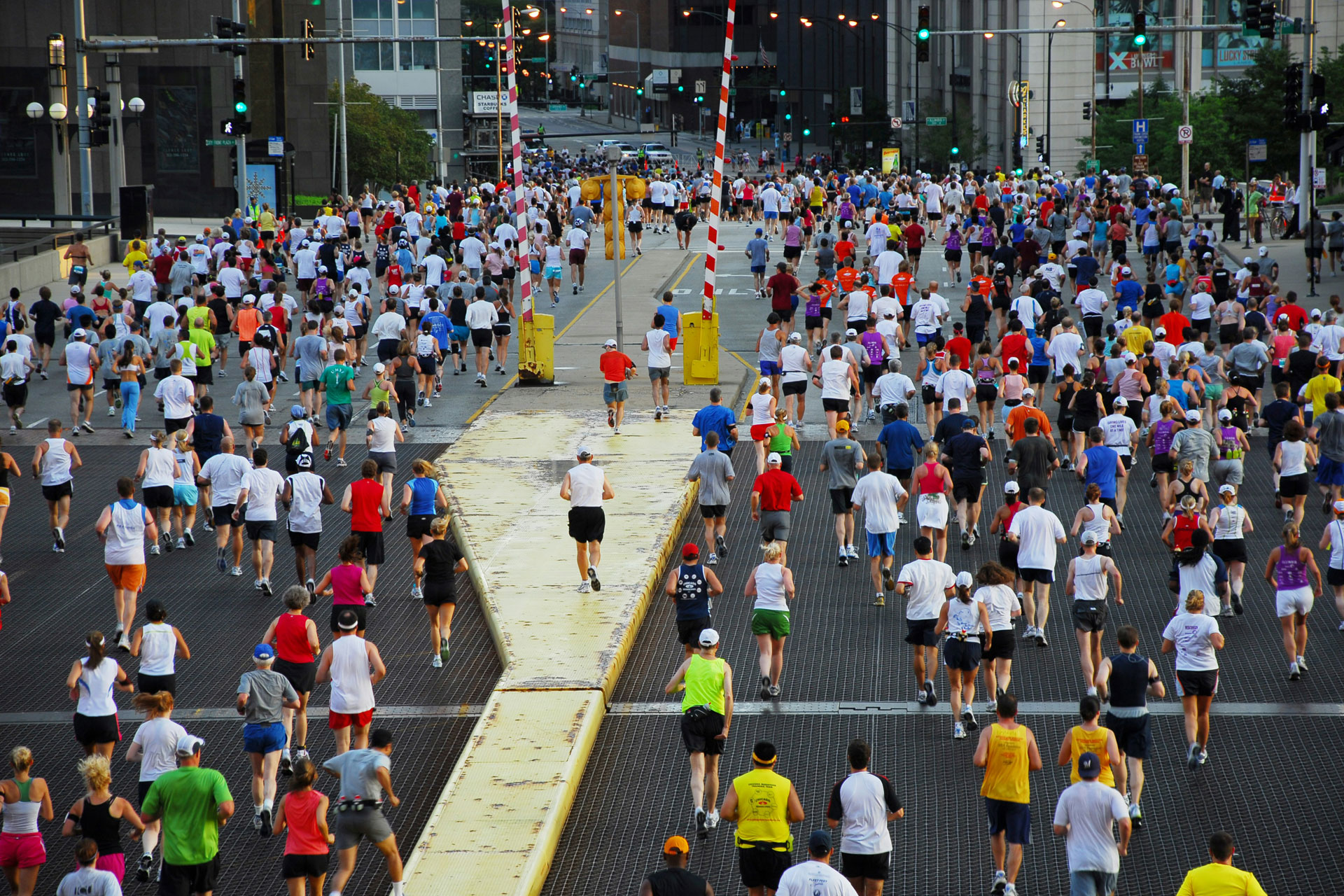
Travelling for fitness competitions was once a pastime reserved for elite athletes, but nowadays more people than ever are planning their trips around movement. This trend – dubbed ‘sweat-jetting’ by TripAdvisor – has been on the rise for a few years, but it shows no sign of slowing in 2027. ‘Racecations’ remain rife, with Google searches for ‘marathon abroad’ having surged by 1,255 percent over the past year, and data showing that travel spikes around annual marathons in cities like Chicago (300 percent rise in visitors), Boston (228 percent) and Berlin (222 percent). Meanwhile, new research from SportsCover Direct revealed a 77 percent year-on-year increase in travellers taking out specialist cover for ultramarathons abroad (duathlon and half-marathon travel both rose by 34 percent).
The Hyrox hype has been another pivotal factor in the rise of fitness tourism. The notoriously tough competition takes place in different locations all over the world, and more and more participants are turning race weekends into holidays. Meanwhile, hotels are launching dedicated Hyrox training camps – Portuguese resort Quinta do Lago now offers a Hyrox campus, while London gym BXR hosts Hyrox-focused retreats in five-star spots like XO Cape Arnna in Turkey.
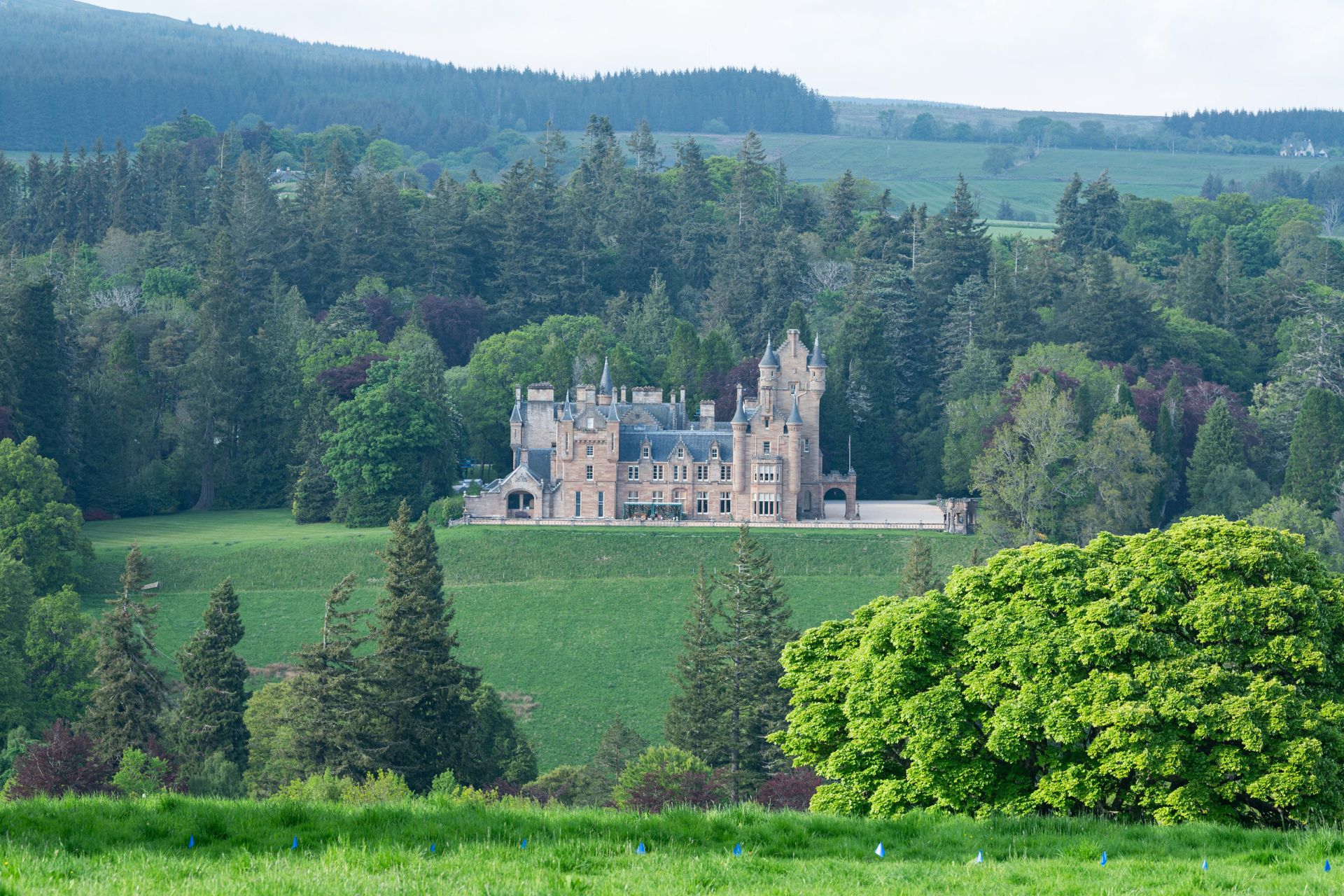
Ardross Castle from The Traitors (c) BBC / Studio Lambert
Mystic Travel
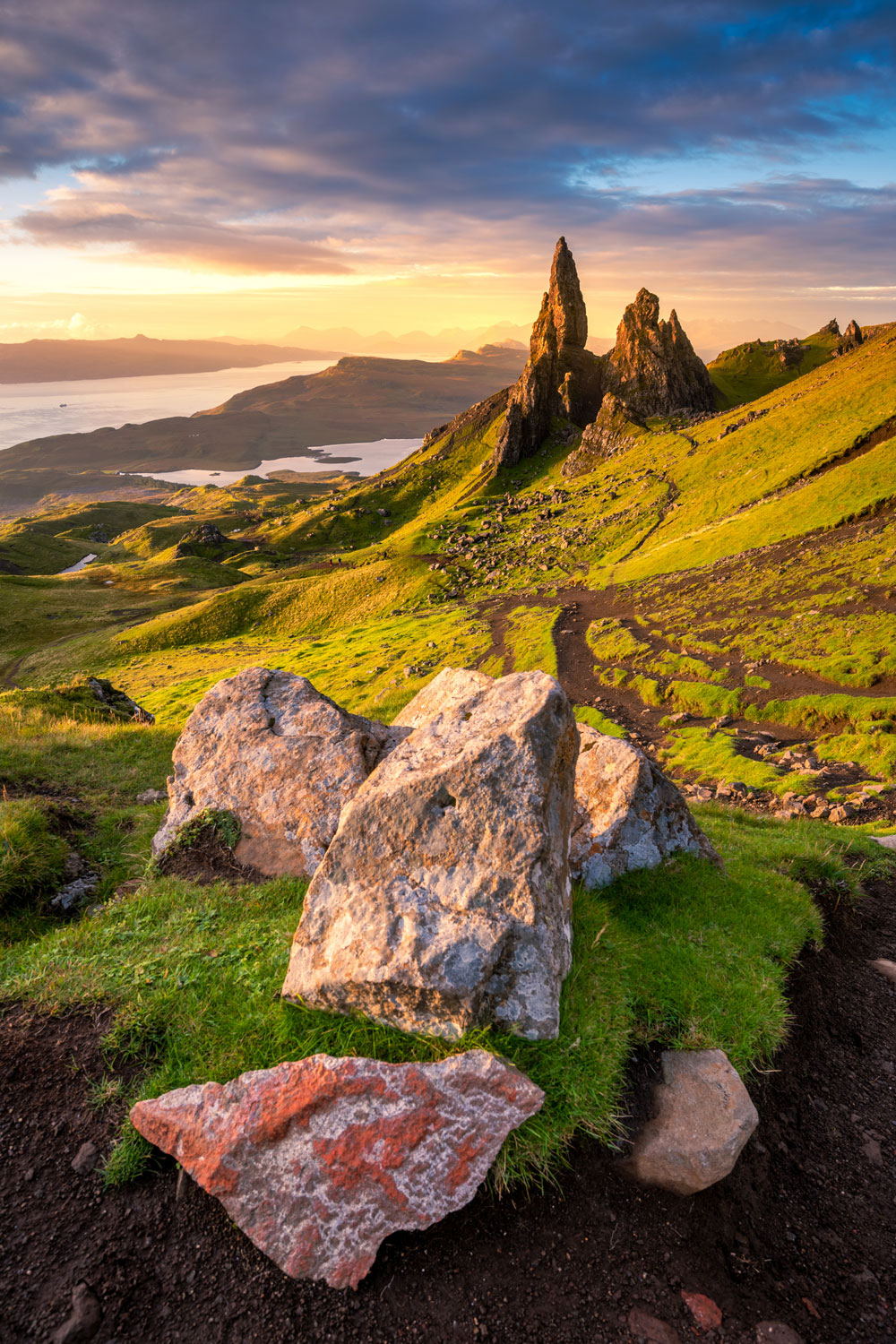
Pinterest Predicts 2026 noted the rise in whimsical and mystical trips, with a surge in searches for terms like ‘Scotland Highland aesthetic’ (up 465 percent) and ‘Faroe Islands aesthetic’ (up 95 percent). This increased interest in ethereal travel is noted in Lemongrass’s report, which stresses that travellers are being drawn to folklore-rich regions and moody landscapes rooted in history. Scotland is indeed experiencing a boom in tourism, with the misty glens and majestic castles backdropping The Traitors sparking trips – with figures from VisitScotland showing over a third of European travellers are inspired to come to the country having seen it on screen.
Romantasy books are another source of inspiration, notes Starlin Marot, owner of Bad Girl Books. ‘This growing appetite for the genre is already nudging readers towards more nature-focused holidays – whimsical forests, the Scottish Highlands, and old castle tours, all of which feel part of the magical worlds in our books,’ she says. The quiet town of Zermatt in Switzerland, Marot adds, is widely considered to be the real-life inspiration for Sarah J. Maas’ A Court of Thorns and Roses, and draws in fans from all over the world. ‘I think this will shape travel in 2027 and beyond, from bookish retreats and destination trips to cottagecore and faerie fashion inspired by the worlds readers love.’
The Rise of ‘Ish’
Balance is a key travel theme for 2027, according to Hilton’s 2027 trends report. Holidayers are being less strict with boundaries, reflecting a shift away from all-or-nothing thinking – when asked if they maintain or let go of healthy habits when travelling, for instance, 27 percent said they were somewhere in the middle. And while solo trips continue to be popular – with 41 percent of those surveyed by Hilton planning to holiday alone in the next year – often going solo doesn’t mean completely alone. Last year, three in ten people travelled alone to meet up with people they knew at a destination, for instance, while 20 percent of people surveyed said they booked group excursions within an otherwise solo trip.
Nervous System Design
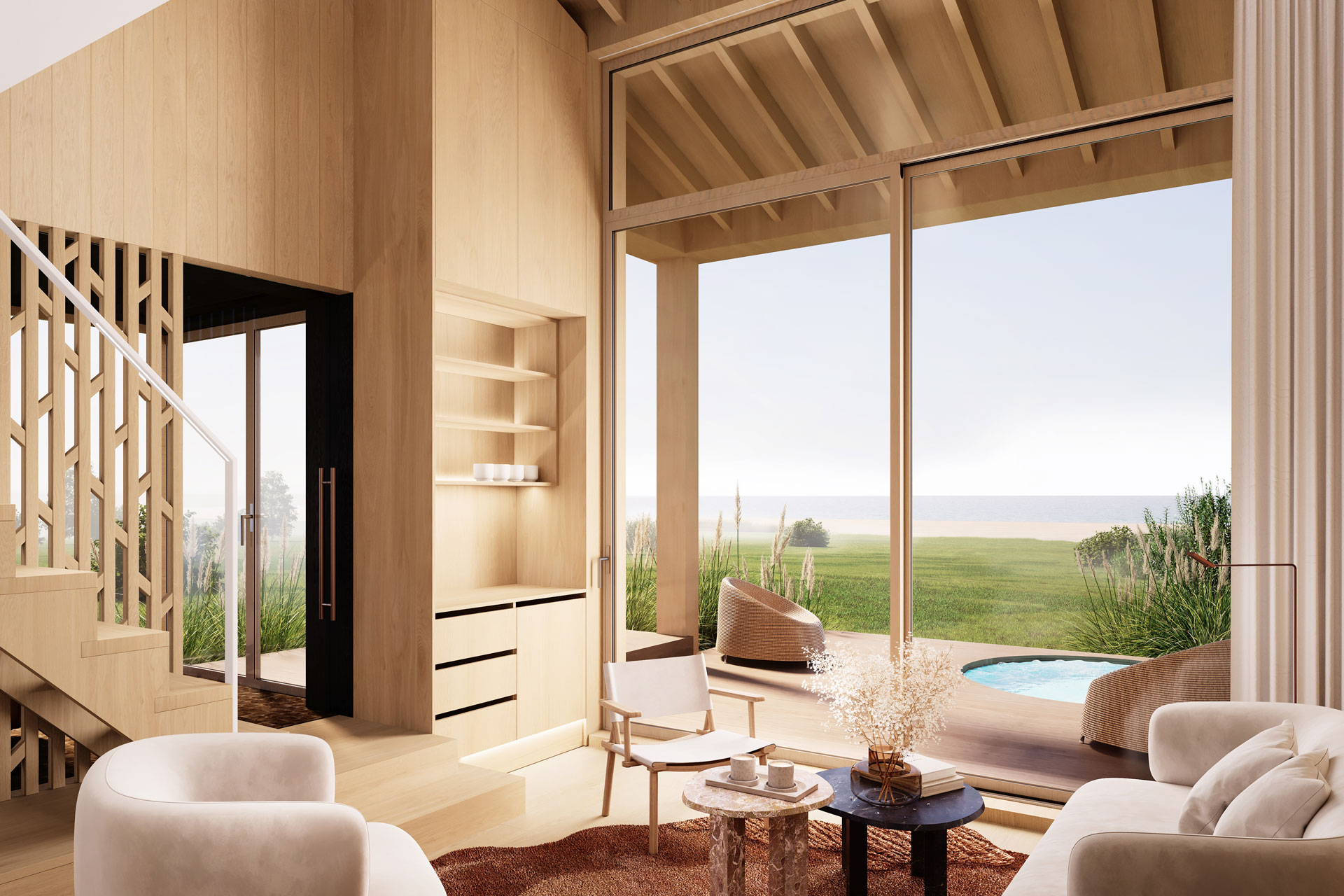
Nervous system health has been one of this year’s hottest wellness trends, with a surge in tech designed to reset the vagus nerve and retreats centred around transitioning the body out of fight-or-flight mode. And now, hotels are even thinking about the nervous system when designing their spaces. ‘Rather than focusing solely on what happens inside the body, a growing number of hospitality brands recognise the environment itself can actively reduce stress, support recovery, and promote a sense of calm,’ writes Lemongrass’s report.
Biophilic design – which is all about integrating nature into architecture – is proving particularly popular in hotels right now: think plants, water structures and natural lighting. This was a strong consideration for new Nordic wellness retreat Eha in Estonia. ‘Biophilic design and neuroaesthetics are moving us towards travel experiences and environments that genuinely influence how we feel and function,’ says Amber Gauci-Ward, Eha Retreat’s general manager and wellness director. ‘Wellness technology and data have an important role, but the opportunity now is to translate insight into experience and environment, considering everything from air and water quality, low-toxin materials, natural light, sound and scent to functional movement, replenishing treatments, whole foods, nature immersion and human connection.’
Citizen Science
As the effects of climate change continue to unfold around us in real-time, people are making their trips count by helping scientists collect important environmental data – AKA, citizen science. Tour companies are beginning to incorporate citizen science activities into their itineraries, notes Lemongrass: Maldives resort Sun Siyam Iru Fushi, for example, offers conservation snorkelling excursions where participants collect data on coral health and fish populations, while on expeditions with Polar Latitudes guests help photograph whales for citizen science project Happywhale.
‘Citizen science is emerging as a powerful trend in purposeful and nature-based travel,’ says Rochelle Turner, co-chair of Travel by B Corp. ‘By aligning traveller interests with scientific and conservation priorities, citizen science offers a credible, evidence-based approach to sustainability that delivers measurable outcomes.’
(c) Silolona Sojourns
Astrotourism
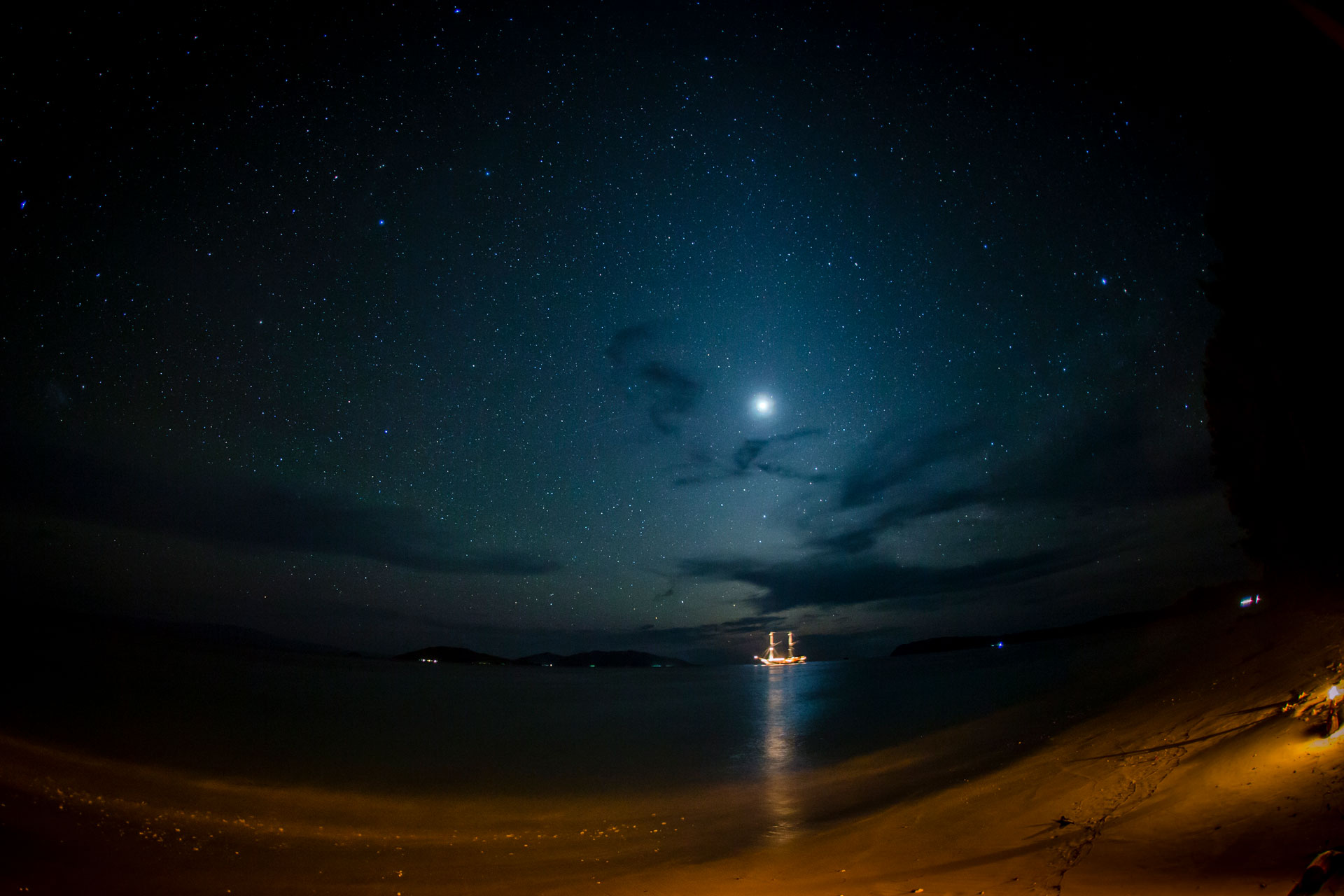
Earlier this summer, Europe saw its first visible solar eclipse since 1999 – with parts of Spain benefitting from particularly magical views. This triggered a spike in travel to the country: data from Amadeus Travel Intelligence revealed flight bookings to airports along the eclipse path for arrivals between 7 – 12 August 2026 grew by 25 percent from the same period in 2025. This chimes with a wider trend for astrotourism, which has been gradually gaining momentum in recent years as travellers increasingly seek out dark sky destinations.
Hotels are responding to this by introducing unique experiences related to celestial events. Yacht charter specialists Silolona Sojourns offers night diving trips, and California’s Sonoma Country is capitalising on the boom with full moon hikes and wine tastings under the stars. Namibia’s Kwessi Dunes Lodge, meanwhile, is making the most of its location in Africa’s first International Dark Sky Reserve with open-air, stargazer rooms.