


What Is The Impact Of Antarctic Tourism?
By
59 minutes ago
'If we do not act as the planetary stewards we have made ourselves, in the time that is still very much available to us, we will lose the things we love.'
‘Antarctica is uniquely important to us all,’ says leading polar scientist and host of White Desert‘s Discovery Week Professor Steven Chown. There is a moment, he says, that he wishes everyone could witness in Antarctica: the return of the sun after a winter of darkness. It is an image of a continent that most of us will only ever see onscreen, but one that, increasingly, holds the key to what happens to the rest of the planet.
Antarctica is the coldest, driest, windiest place on Earth, a natural reserve given over by treaty to peace and science. It is also, for a small number of travellers each year, a tourism destination. That raises an uncomfortable question. In an age of climate anxiety, is it right to fly to the bottom of the world for pleasure? Or can tourism, done thoughtfully, become part of the solution? We put our questions to Professor Steven Chown.
© White Desert Antarctic
Meet The Scientist
Few people are better placed to answer the important questions than Chown. Professor of Biological Sciences at Monash University in Melbourne and Director of Securing Antarctica’s Environmental Future, he has more than 40 years of Antarctic field experience and over 500 scientific papers to his name, making him one of the world’s most highly cited polar scientists. He was Australia’s first President of the Scientific Committee on Antarctic Research (2016–2021) and has long represented it at the Antarctic Treaty meetings that set policy for the region. A Fellow of the Australian Academy of Science, he has won the SCAR Medal for Excellence in Antarctic Research and the inaugural Tinker-Muse Prize for Science and Policy in Antarctica. In January 2026 he led White Desert’s inaugural Discovery Week, and he returns to host it again in 2027.
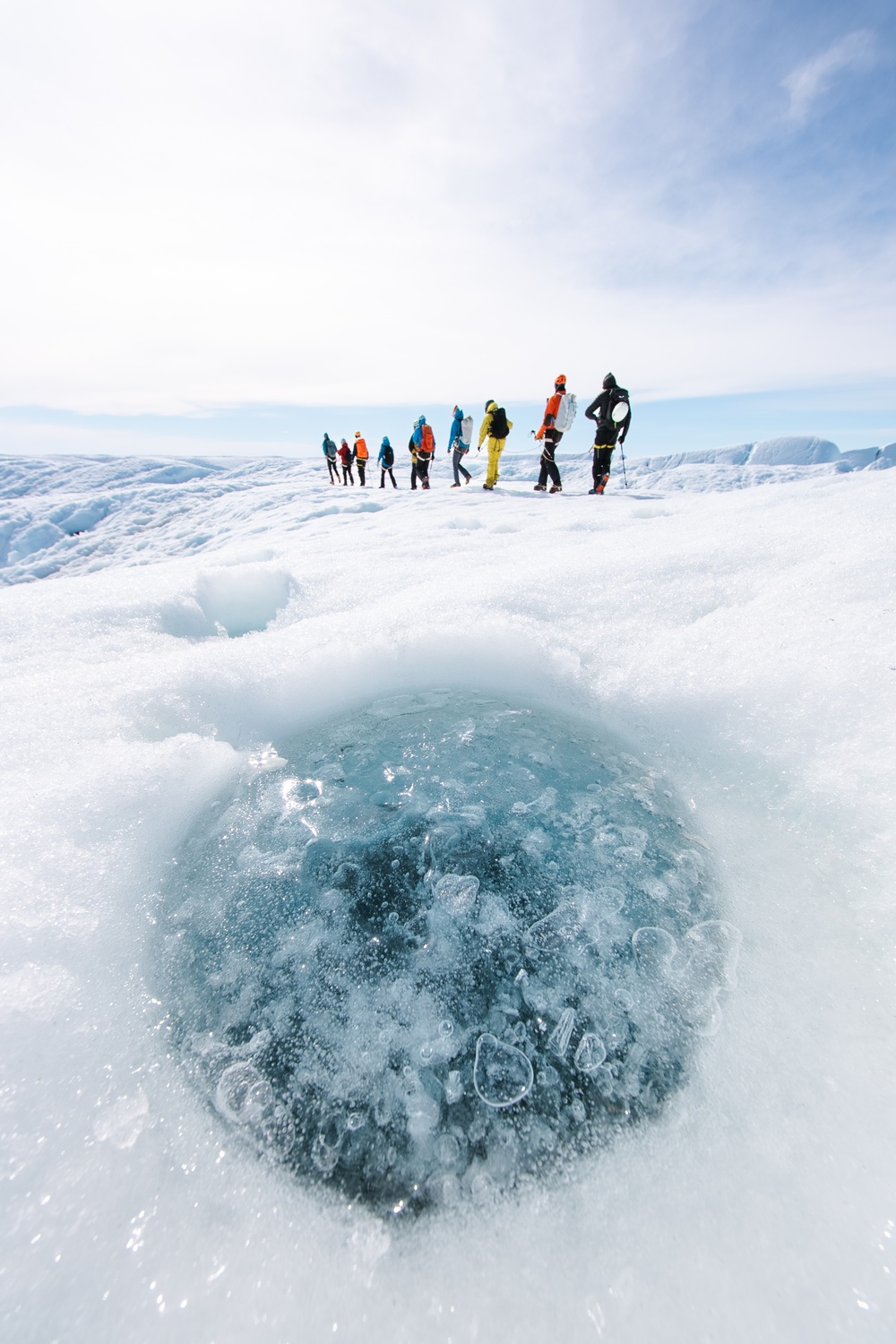
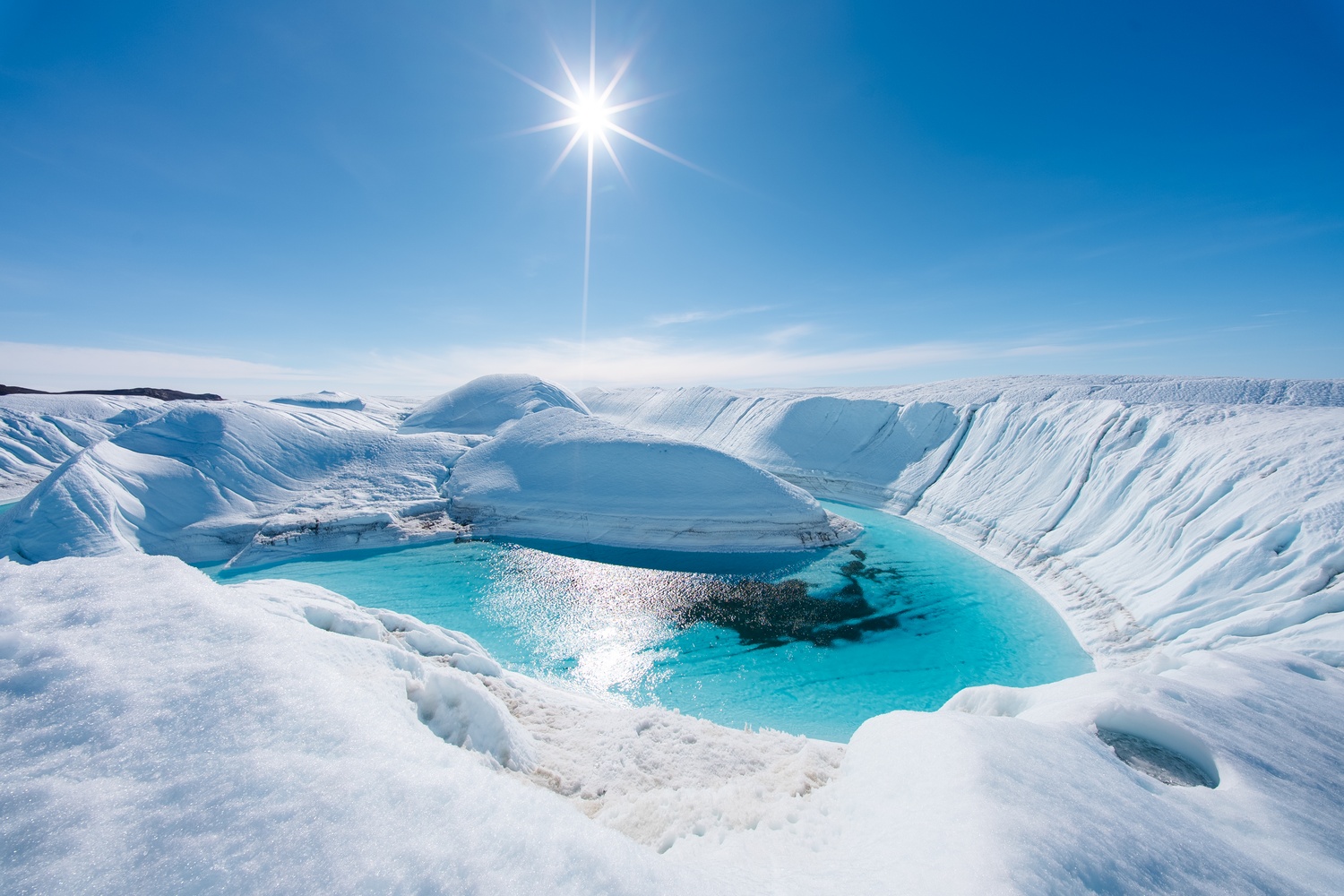
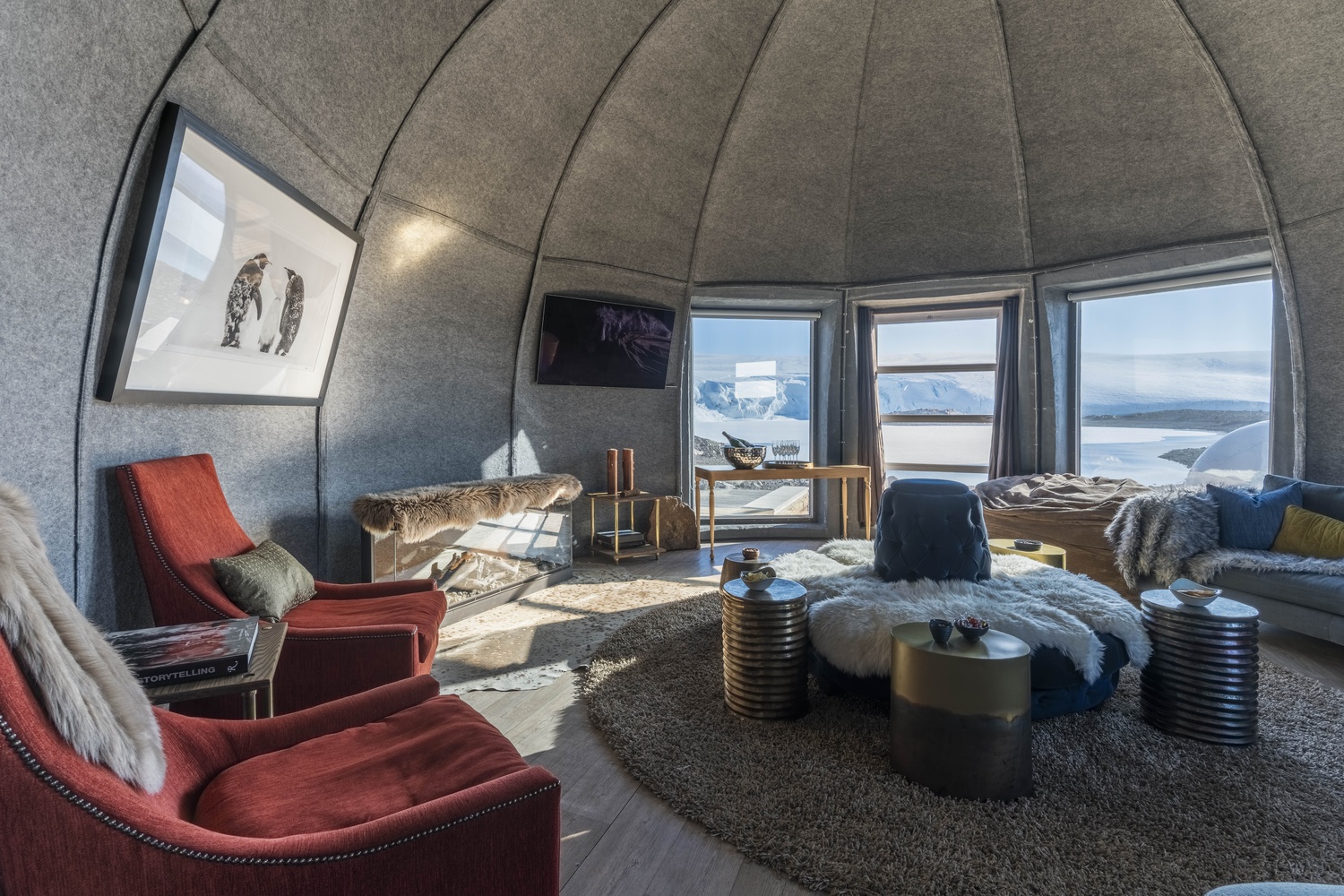
The week is run in aid of the White Desert Foundation, the operator’s philanthropic arm. Twelve guests fly five and a half hours from Cape Town to Wolf’s Fang Runway, then settle into Explorer Camp: six heated tents beneath T-Rex Mountain, with chalet-style wood interiors and views of the ice from bed. Each day pairs a theme – glaciology and geology, microbiology, logistics, political science – with fieldwork: glacier hikes, ice climbing, a descent into an ice cave. The high point is a flight to the Schirmacher Oasis to hike to the Blue Rivers, meltwater streams that appear for just a few weeks each year. Guests also meet the Foundation’s current grant recipients. This season, those grants are sending teams from Oxford and Princeton universities to live and work in a remote field camp for a month.
We asked Chown what life on the ice is really like.
© White Desert Antarctic
Q&A: Professor Steven Chown
What’s the most moving thing about spending time in Antarctica?
It’s the most unusual place in our universe. Nothing like it for sheer biological weirdness and beauty is known anywhere. Visiting is a benediction.
Walk us through a typical day on the ice.
Up at 5am, immerse oneself in the unusual light and landscape. If connected, deal with the outside world. If not, stay immersed. Breakfast at 8am and then final prep, including hot drinks and lunch, for the day. Gear up by 9am or 10am, depending on prep time, and head out. Stay out working until 5pm or 6pm. Head back. Process samples and field gear. Dinner after, or prep it, depending on circumstances. Next day prep until 9pm or 10pm.
How do you deal with 24-hour daylight?
By having rest days and sleep masks.
What’s the best and hardest thing about life there?
The best thing is the sheer beauty and weather variation. The hardest thing in the deep field is profound cold, which makes everything harder and take longer.
© White Desert Antarctic
What are scientists trying to find out right now, and why should someone in the UK care?
What melting ice will mean for the ocean currents that keep the UK as warm as it is, for a latitude that could look like Siberia. If those currents weaken or turn off, climate chaos – more than is already being felt – will engulf the UK. That will radically increase everyone’s cost of living and stretch social services that are already under massive strain.
What’s the most surprising thing about Antarctic wildlife that most people don’t know?
The land-based ecosystems have a microbiome that can survive in the dark by living on air. The microbiota uses trace gases to make water and sugars, and to derive energy – gases as rare as parts per million and parts per billion (hydrogen and carbon monoxide). CO2 is also involved. These processes can operate down to -40°C. That’s just crazy.
In the oceans, krill swim down to black smokers (hydrothermal vents) to feed. And humpback whales that feed on krill along the Antarctic Peninsula migrate to the tropical islands of the Pacific, where they support the tourism economy of places like Tonga.
© White Desert Antarctic
Some people think tourists shouldn’t go to Antarctica at all. How do you see it?
Antarctica is a natural reserve devoted to peace and science. Civil society has every right to visit the continent and its surrounding oceans. Besides, it’s easier to look after a place you have seen and love.
As host of Discovery Week, what do you hope guests leave with?
A love of the continent’s beauty and an appreciation for two things: how exceptional it is in our universe, and how important it is for all of our futures.
If everyone could experience just one thing in Antarctica, what would it be?
The return of the sun after a winter of darkness, heralding the extraordinary responsibility we have for retaining the beauty of this only planet we will ever call home.
What can Antarctica teach us about life on Earth in 2026?
That if we do not act as the planetary stewards we have made ourselves, in the time that is still very much available to us, we will lose the things we love. The ease of gentle summer afternoons, the ferocity of a tiger in full chase, the dark brooding challenge of relentless ice, the breathtaking prospect of a bright future for our kids. We have made a mess, and it is showing, but we have room to clean it up. We need to get a move on, though. It’s up to us. Nobody else is going to do it.
Finish this sentence: ‘Antarctica is…’
…uniquely important to us all.
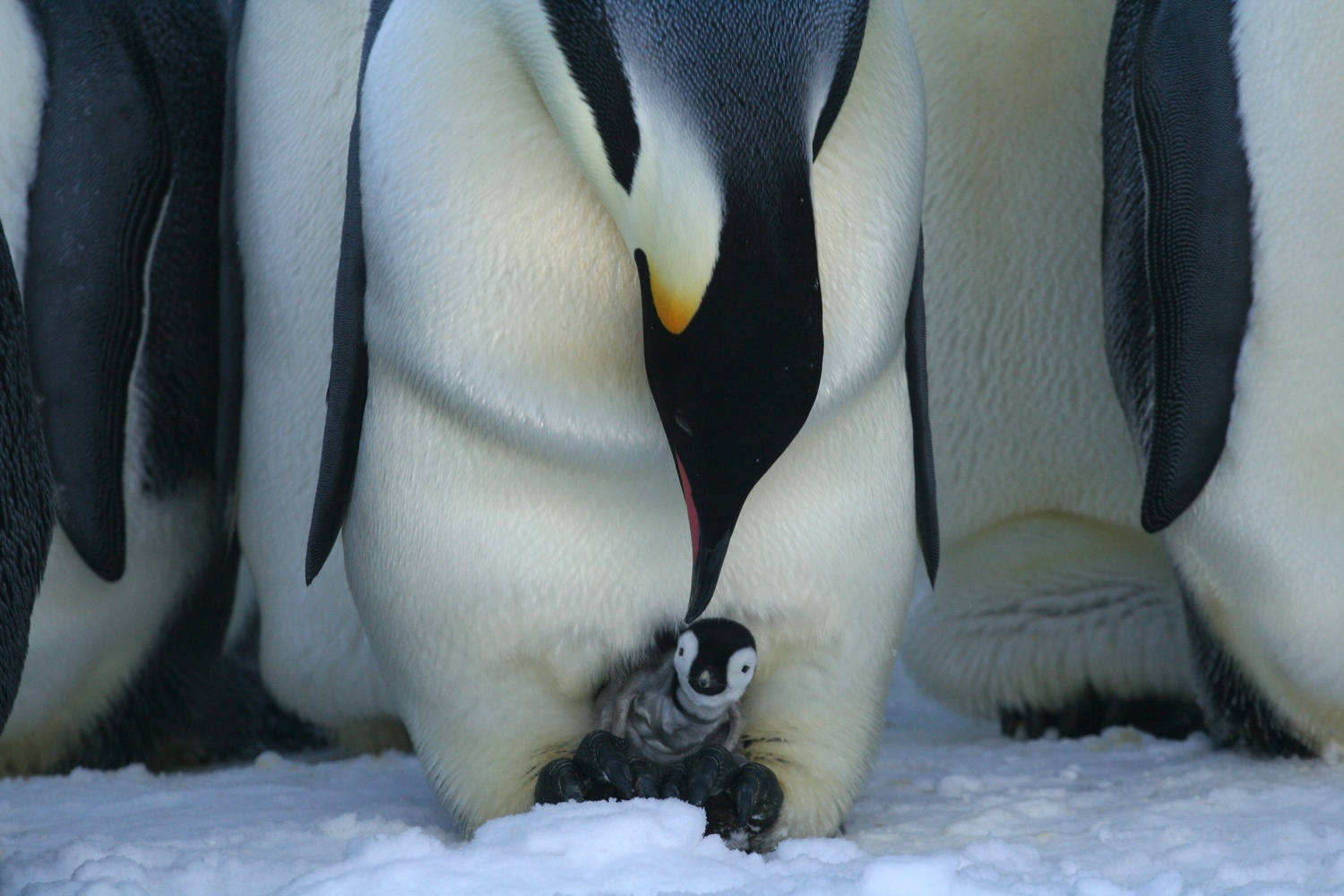
© White Desert Antarctic
So, Can Antarctic Tourism Be A Force For Good?
Chown’s argument – that it is easier to look after a place you have seen and love – is one White Desert has built into its business. The operator, founded 20 years ago by polar explorer Patrick Woodhead, was the first aviation operator in Antarctica to go carbon neutral, a standard it has kept since 2007; all solid waste is shipped back to South Africa at season’s end, and 75 percent of it is recycled. Since May 2025 it has added a 1 percent Environmental Levy to every booking, with the money going straight to the Foundation. White Desert covers the Foundation’s running costs, so guest contributions go to the projects themselves.
The first Antarctic Science Grant sent Monash University’s LifeMet team into the field in January 2025 to study how microbial life interacts with meteorites; they recovered a 5.7kg meteorite along with air, water, rock and soil samples now being DNA-sequenced. Closer to the gateway city of Cape Town, the Foundation backs two blue-carbon restoration projects: a salt marsh at the Berg River Estuary and a 10,000-year-old peat wetland at Onrus, endorsed by the UN Environment Programme.
A film made by the HUGE if True crew during last season’s Discovery Week drew 7.1 million views in its first month – bringing the continent, and its science, to people who will never set foot on the ice.
Want To Go?
White Desert’s Discovery Week, hosted by Professor Steven Chown, runs from 19 to 26 January 2027 for 12 guests. It is priced at $45,000 per person: $16,000 covers the trip, and $29,000 (65%) goes directly to the White Desert Foundation Science Grant. UK guests are eligible for Gift Aid; US guests can donate via CAF America, which could reduce the effective cost to $34,220.
For more information, visit white-desert.com or white-desert.foundation.