


Inside A Baroque Palace Designed By Italy’s Most Celebrated Architect
By
2 months ago
Fans of painted ceilings, this one's for you
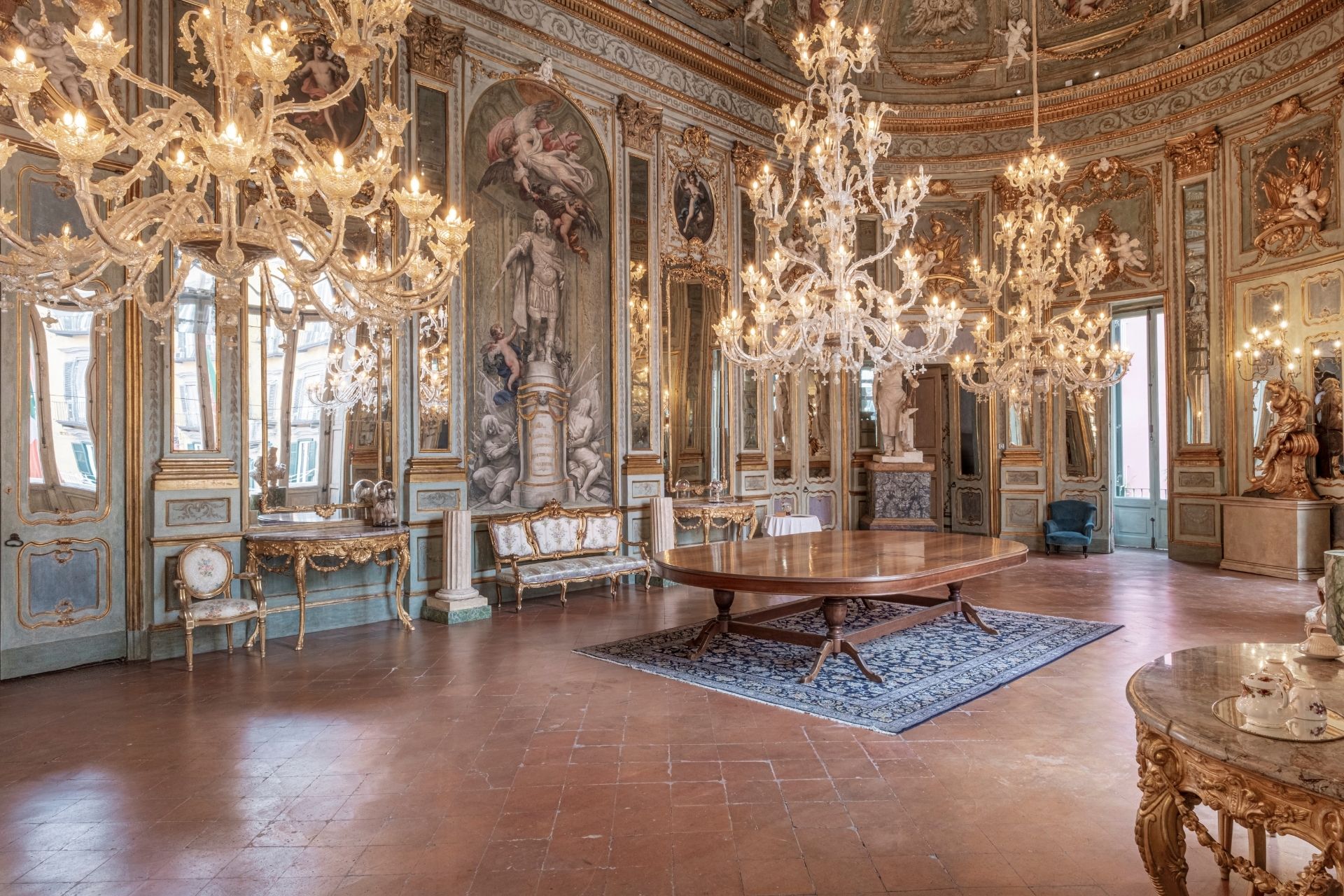
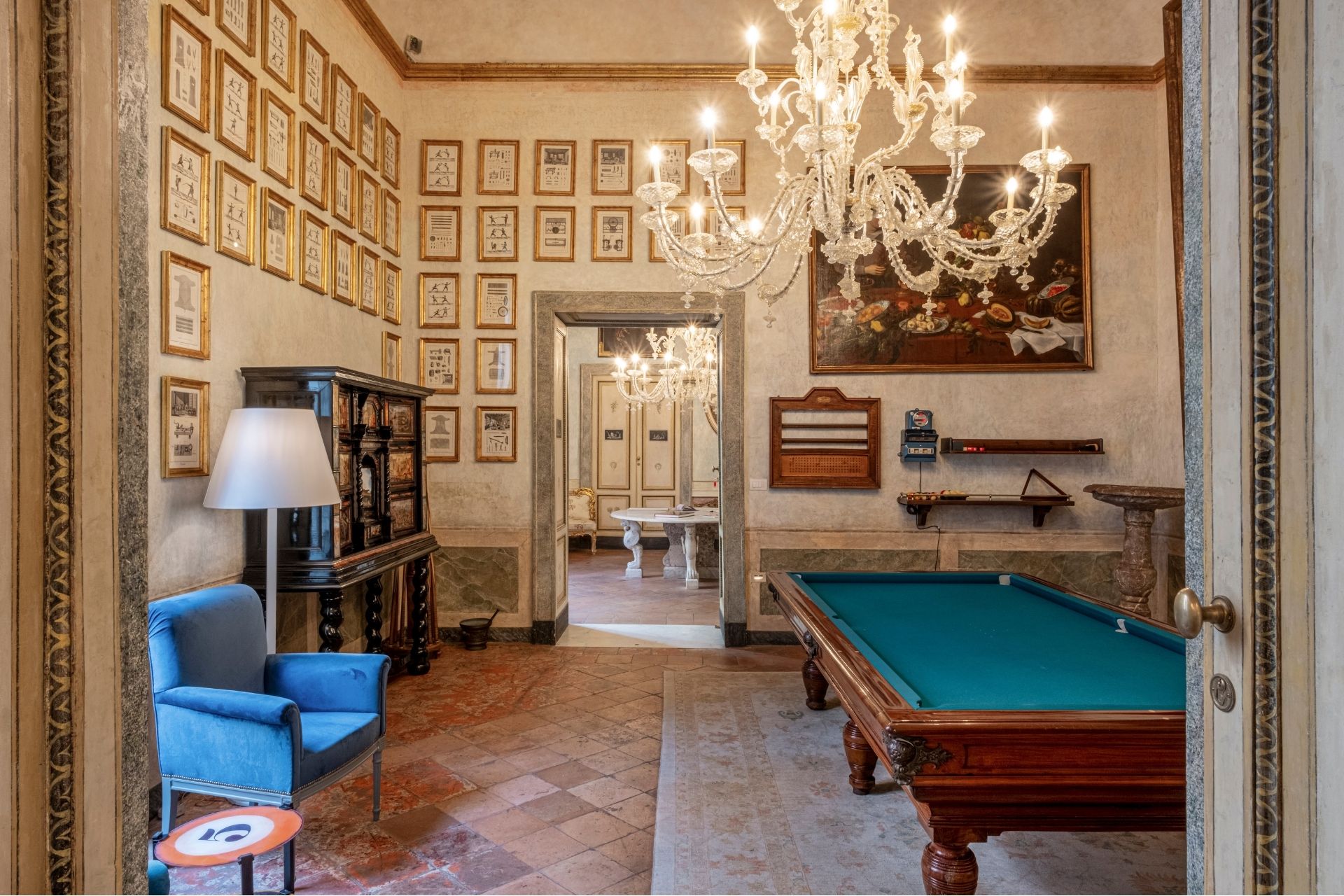
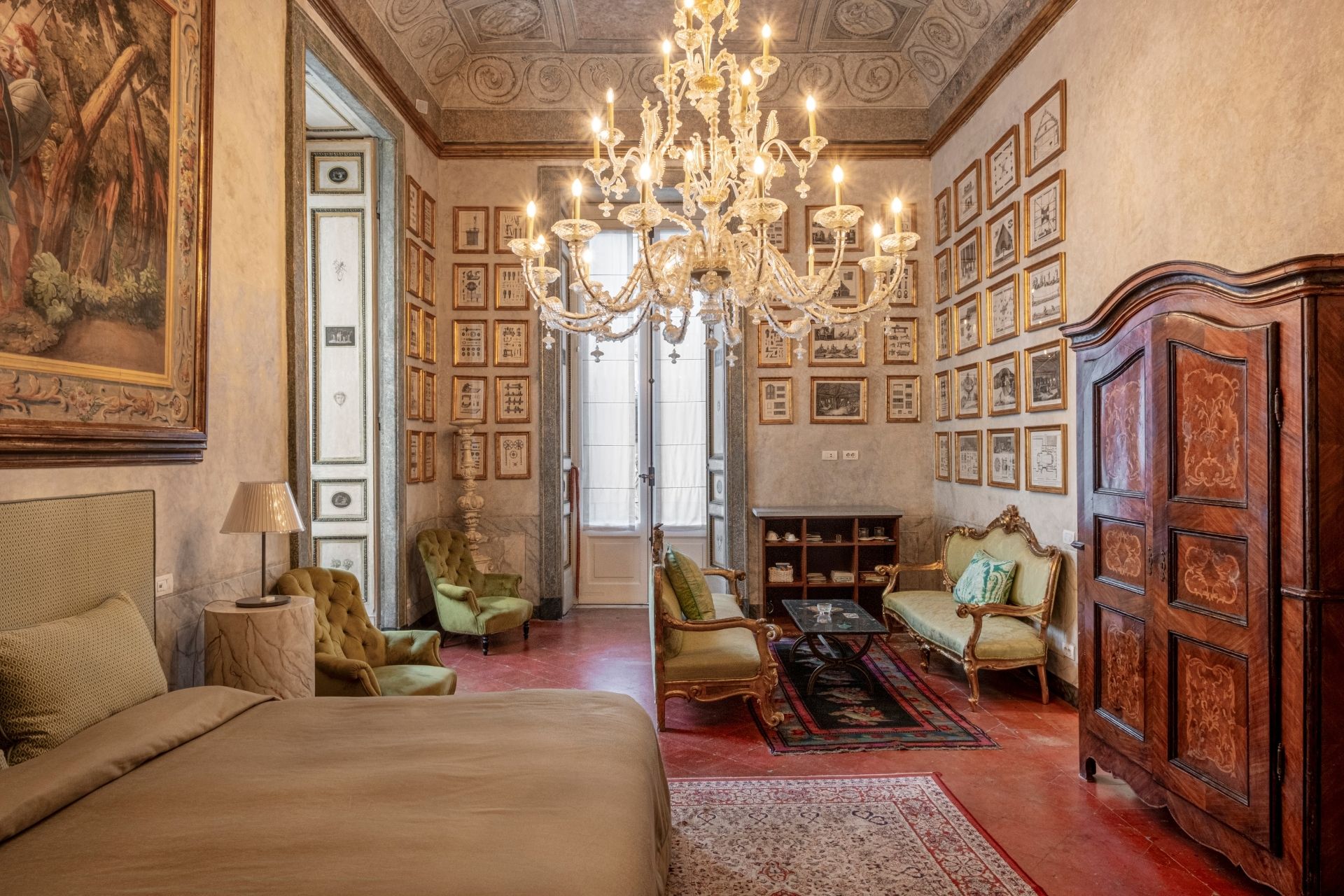
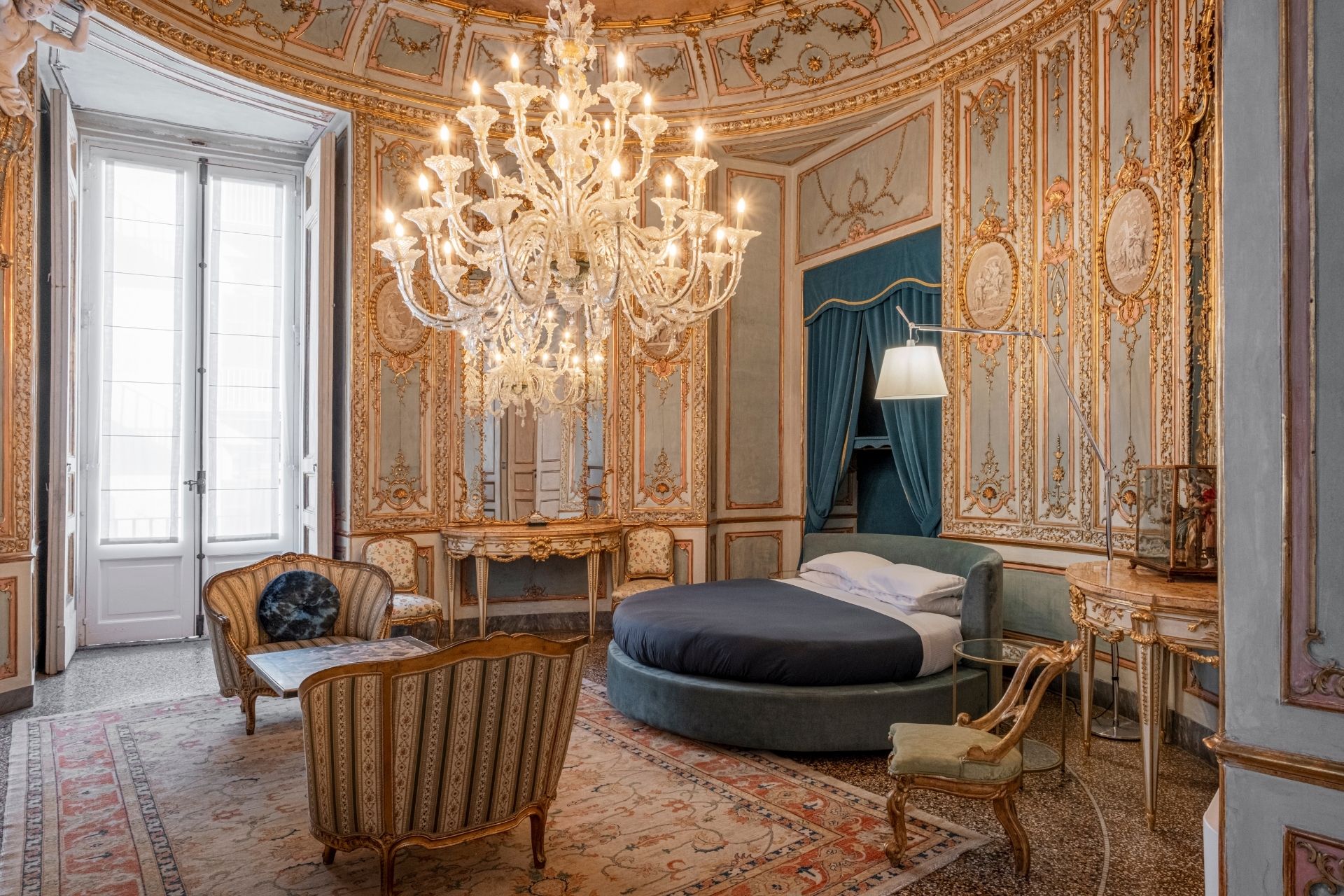
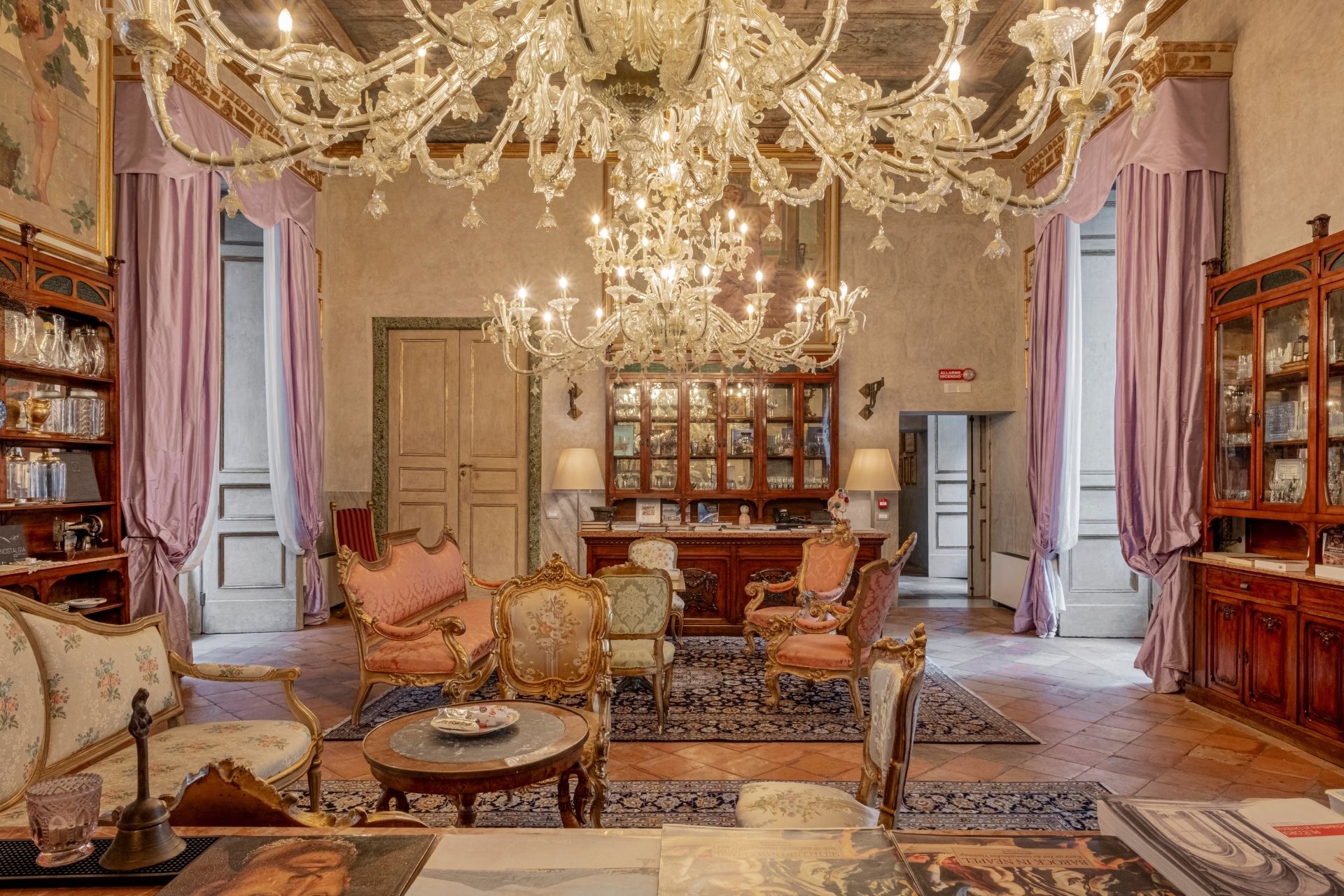
Five hundred prints, 110 artworks, 50 lamps, 43 Murano chandeliers, 32 mirrors, 21 consoles, 29 statues, 12 columns and six tapestries. It’s a fairly good deal for a house. Especially when that house is less of a house – as we mere mortals know it – and more a baroque Italian palace fit for royalty. If trips to Versailles, Buckingham Palace or Chatsworth have ever left you dreaming of taking up permanent residence, now’s your chance to dig deep in your pockets and purchase a cherub-frescoed, gold encrusted, marble mansion of your own.
Discover Palazzo Doria D’Angri In Naples
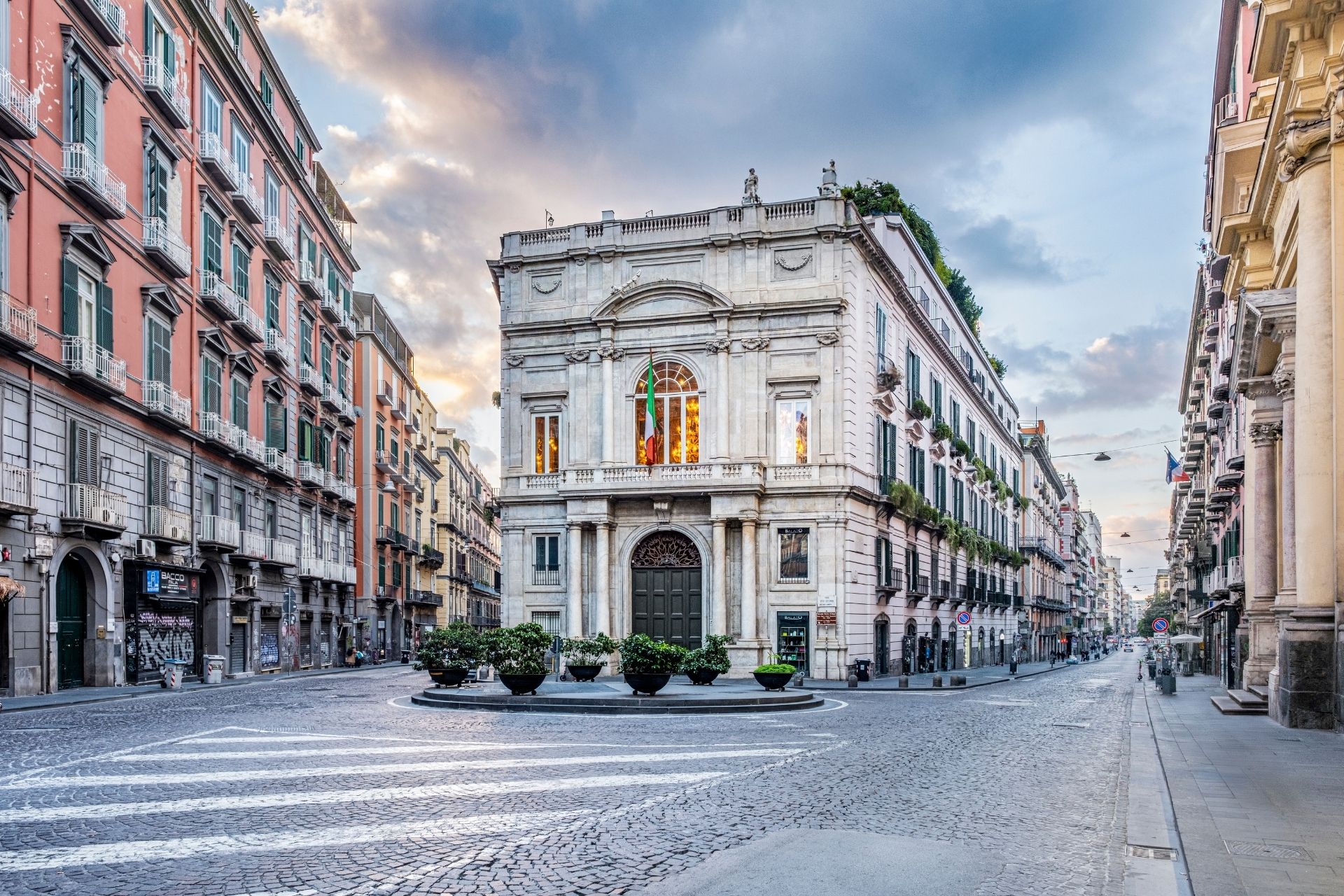
Ruling over the historic centre of Naples, Palazzo Doria D’Angri was originally commissioned by Prince Marcantonio Doria in the late 1700s on the site of two previous houses. When the prince passed in 1760, the creation of the family palace passed to his son Giovanni Carolo who entrusted the master Italian architect Luigi Vanvitelli to bring his father’s vision to life. When Vanvitelli also failed to finish the building before his death in 1773, the plans passed to architect Ferdinano Fuga, then to Mario Gioffredo, before (and after many deaths later) passing back to Luigi’s son, Carlo Vanvitellil.
Born to an Italian mother and Dutch painter father, Luigi Vanvitelli was the most celebrated architect of his generation – rebuilding St Peter’s dome in Rome and remodelling the Palazzo Poli which sits behind the Trevi fountain. The go-to guy for those on the hunt for a gilded Italian estate, the crowning glory of his portfolio is the Royal Palace of Caserta in the north of Naples – now perhaps better known as the spot where they filmed Padmé’s palace in Star Wars Episode 1: The Phantom Menace.
While the largest 18th century European palace (at a leg-tiring 1.5m sqft) is not up for grabs, this smaller (at 21,500 sqft) though hardly less impressive masterpiece from Luigi Vanvitelli might be the closest you’ll get to living like royalty. Facing the central hill of Naples, its front was positioned so as to be appreciated by the monarchs descending from the nearby Royal Palace of Capodimonte in their gold-gilded carriages.
Even if the monarchs did not properly appreciate Palazzo Doria then, the nation would come to a century on, when, on 7 September 1860, it secured its place in the history books. General Giuseppe Garibaldi took to Palazzo Doria’s balcony to announce the annexation of the Kingdom of the Two Sicilies to Italy following the revolutionary leader’s Expedition of the Thousand – effectively uniting the south and north of the nation for the first time since the Roman Empire.
Though Vanvitelli never got to see his completed palazzo – having died before its conclusion – the then unfinished frescoes, stucco work and art were brought to life by some of Italy’s best 18th century painters and craftspeople, including artist Fedele Fischetti, architect Francesco Fuga, engineer Mario Gioffredo and the Desiderio brothers, made famous for their sculptures.
A geometrical maze of a construction, inside the trapezoidal-shaped palace contains two inner courtyards: one hexagonal and the other rectangular. Thanks to a clever play of perspectives, the courtyards are entirely in axis with each other, creating the effect of an optical telescope which can be used to glimpse Spaccanapoli: the historic Naples street which splits the historic centre of the city in two.
Whilst the half-bust statue of Garibaldi – and the many other aforementioned works – has survived to this day, there have been some losses to the palace over the years. In 1940, Marcantonio Doria’s collection, which included works by Ruben and Caravaggio’s presumed last painting, Martirio di Sant’Orsola, were sold at auction. Meanwhile, during World War II, the top side of the building’s facade was damaged, losing six of the eight sculptures which sat on the upper edge, as well as the noble crest of the Doria family which was once located on the main window.
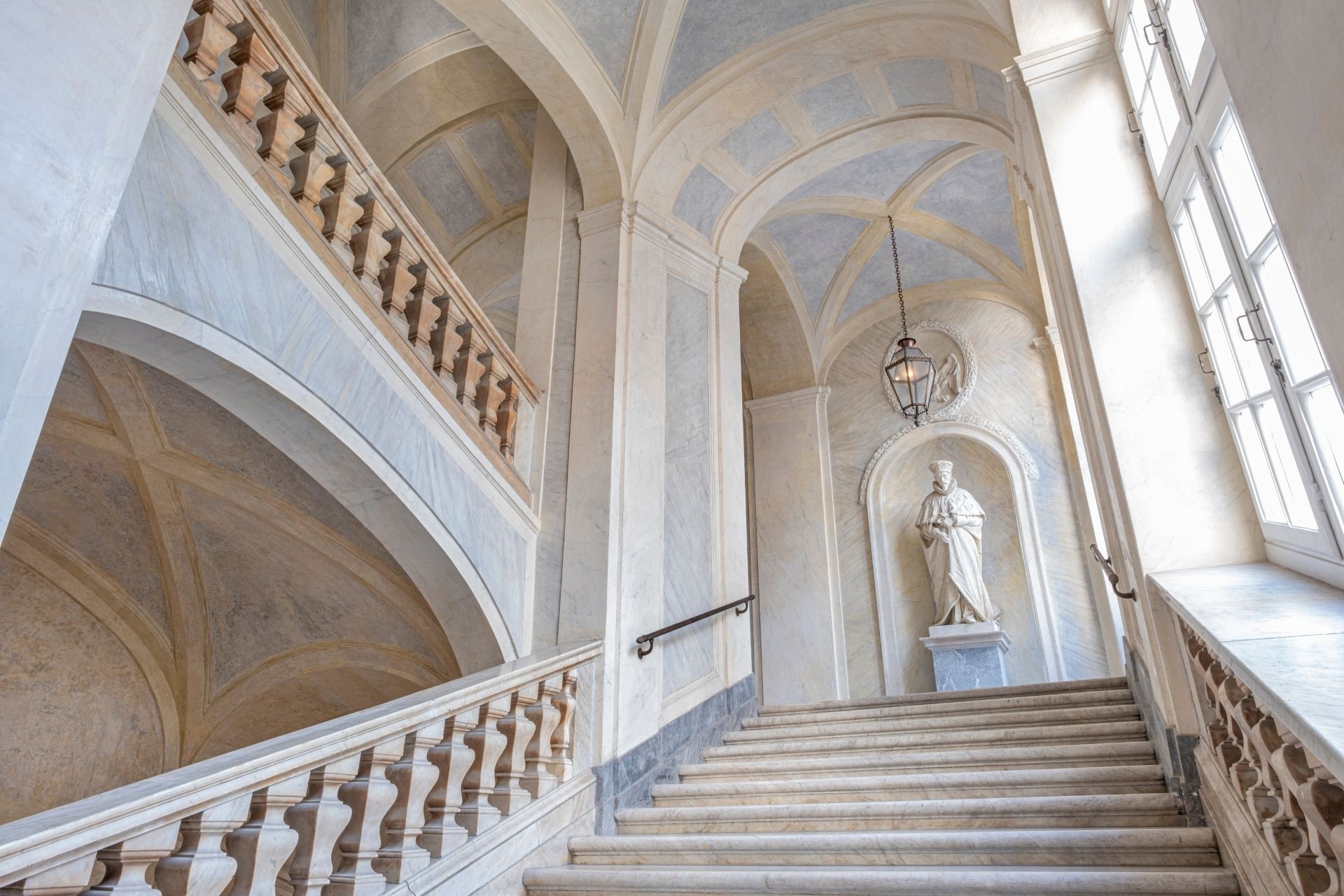
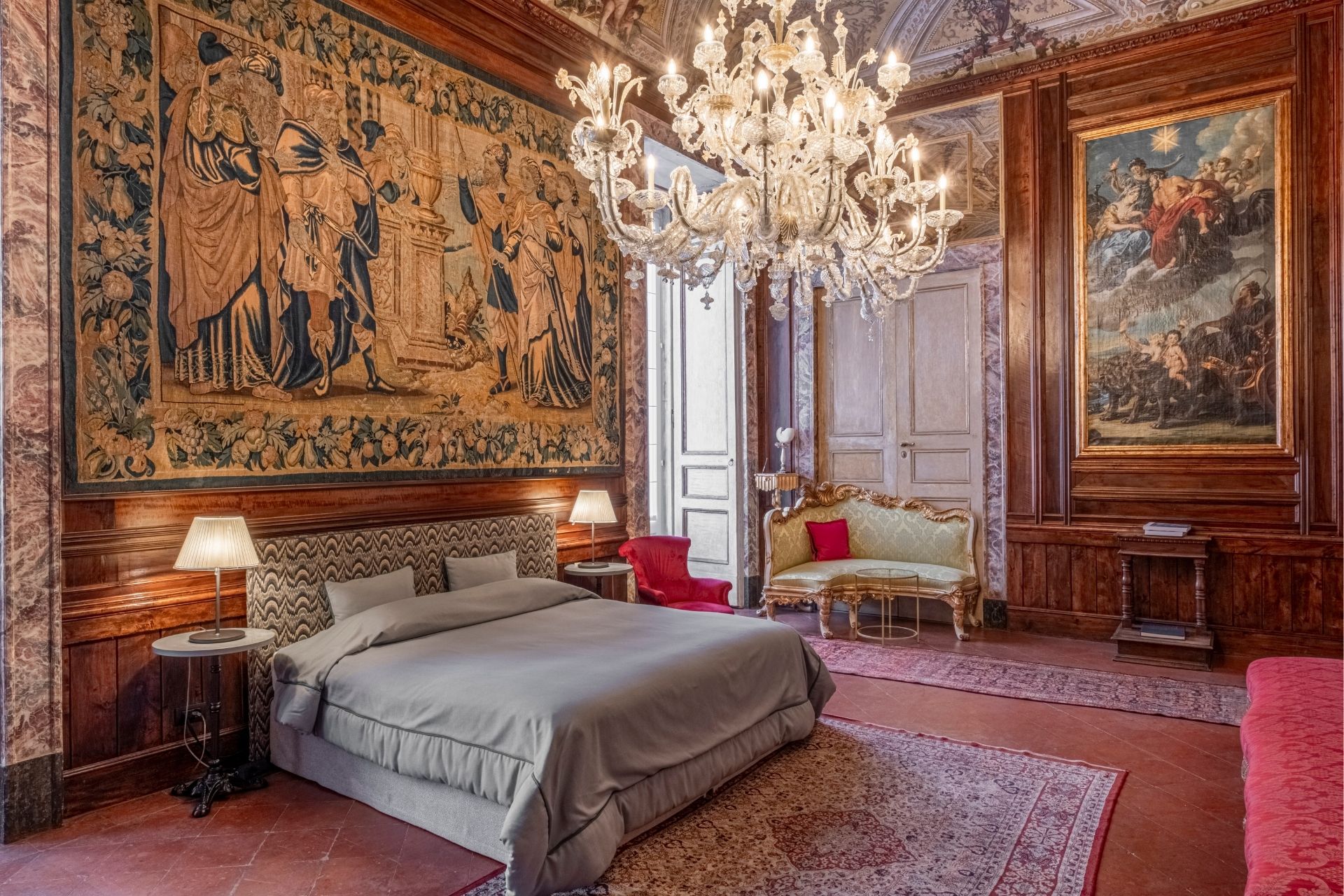
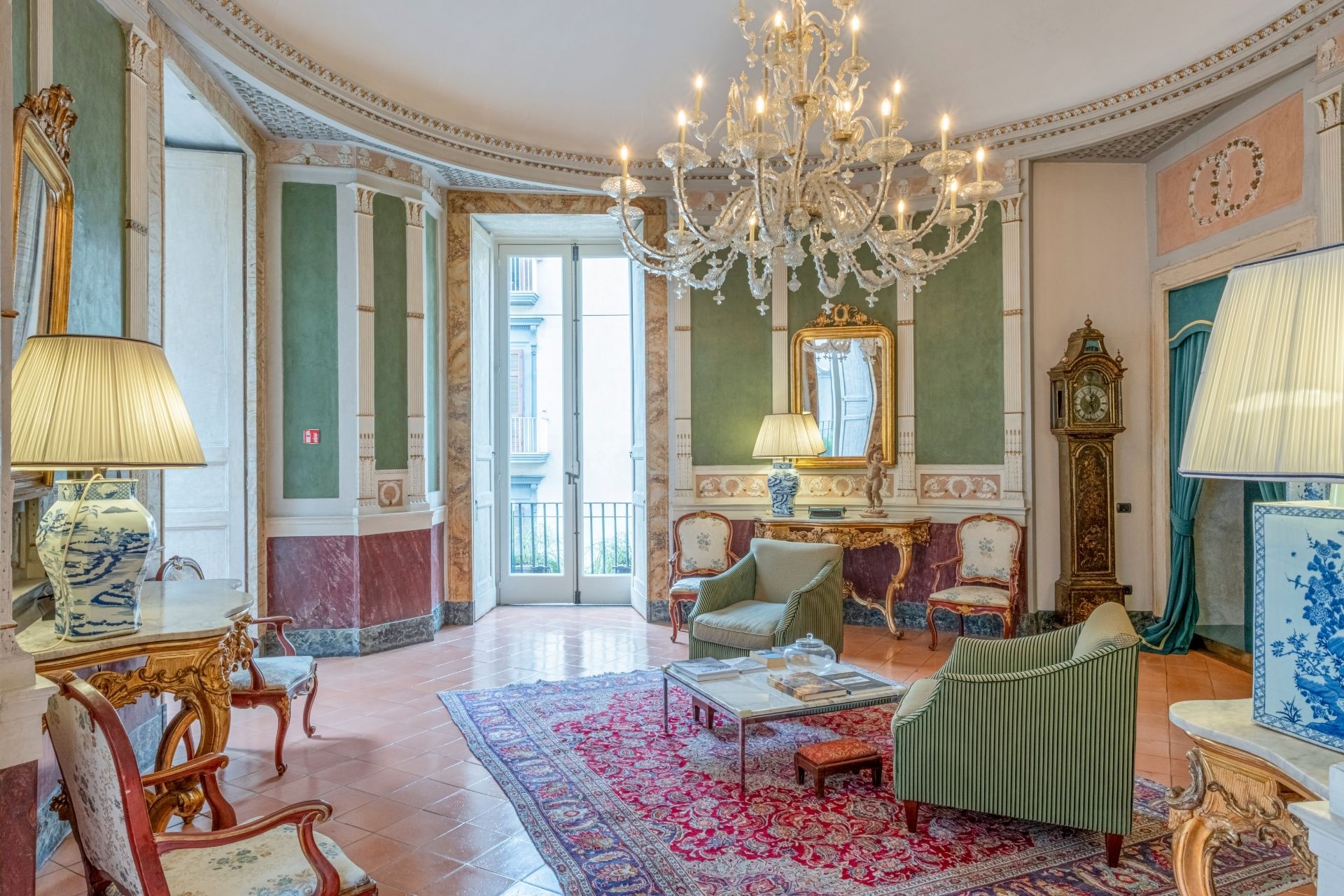
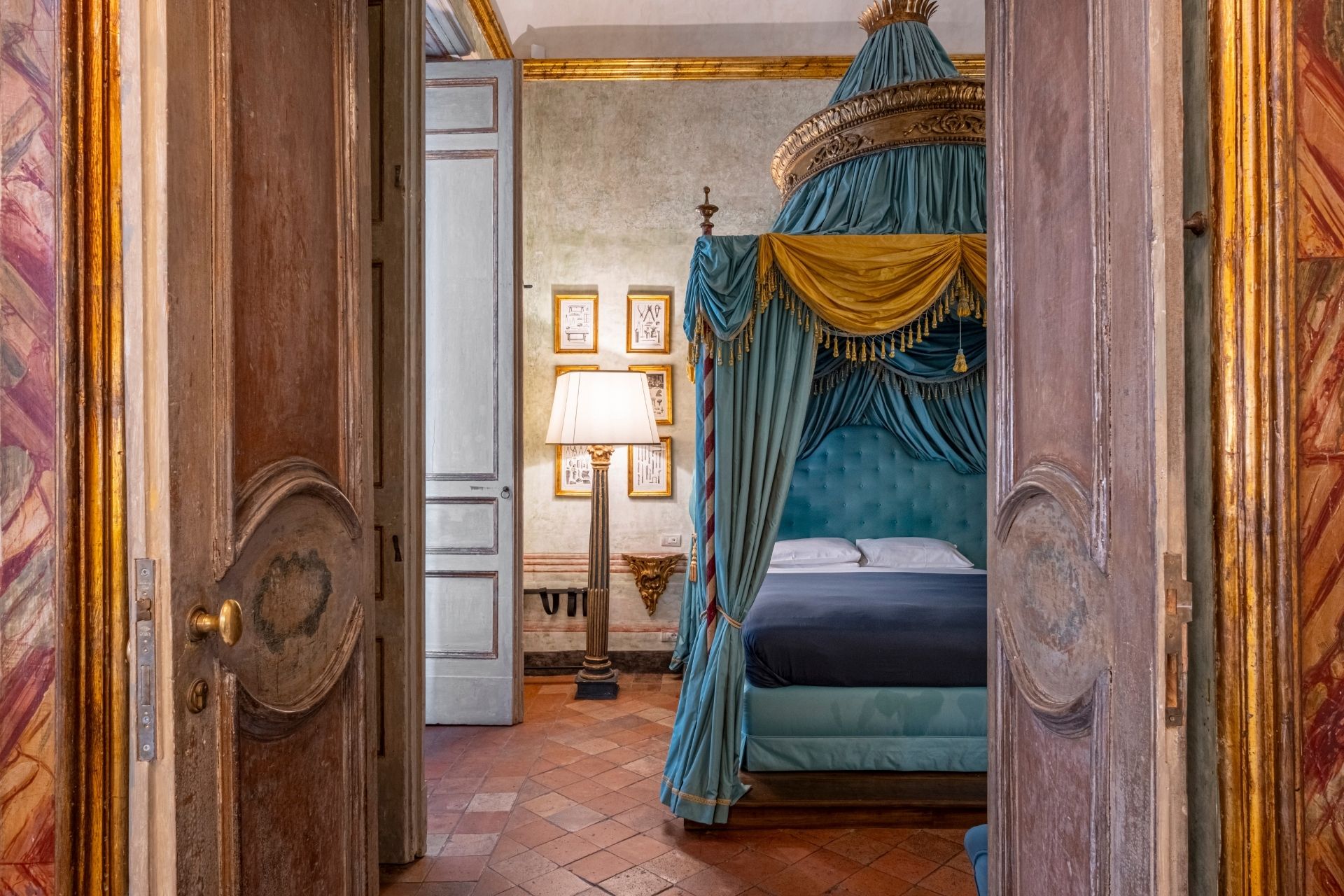
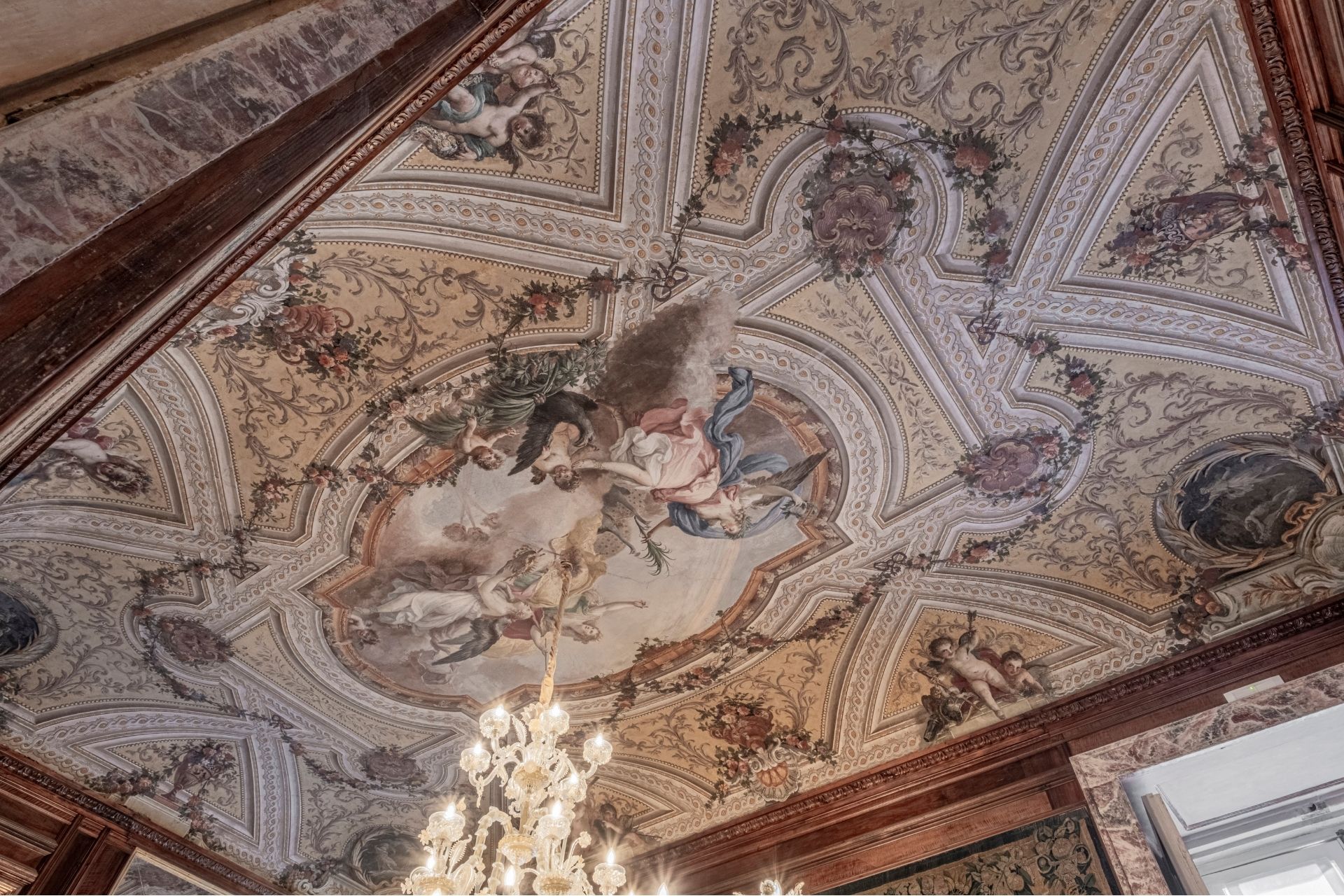
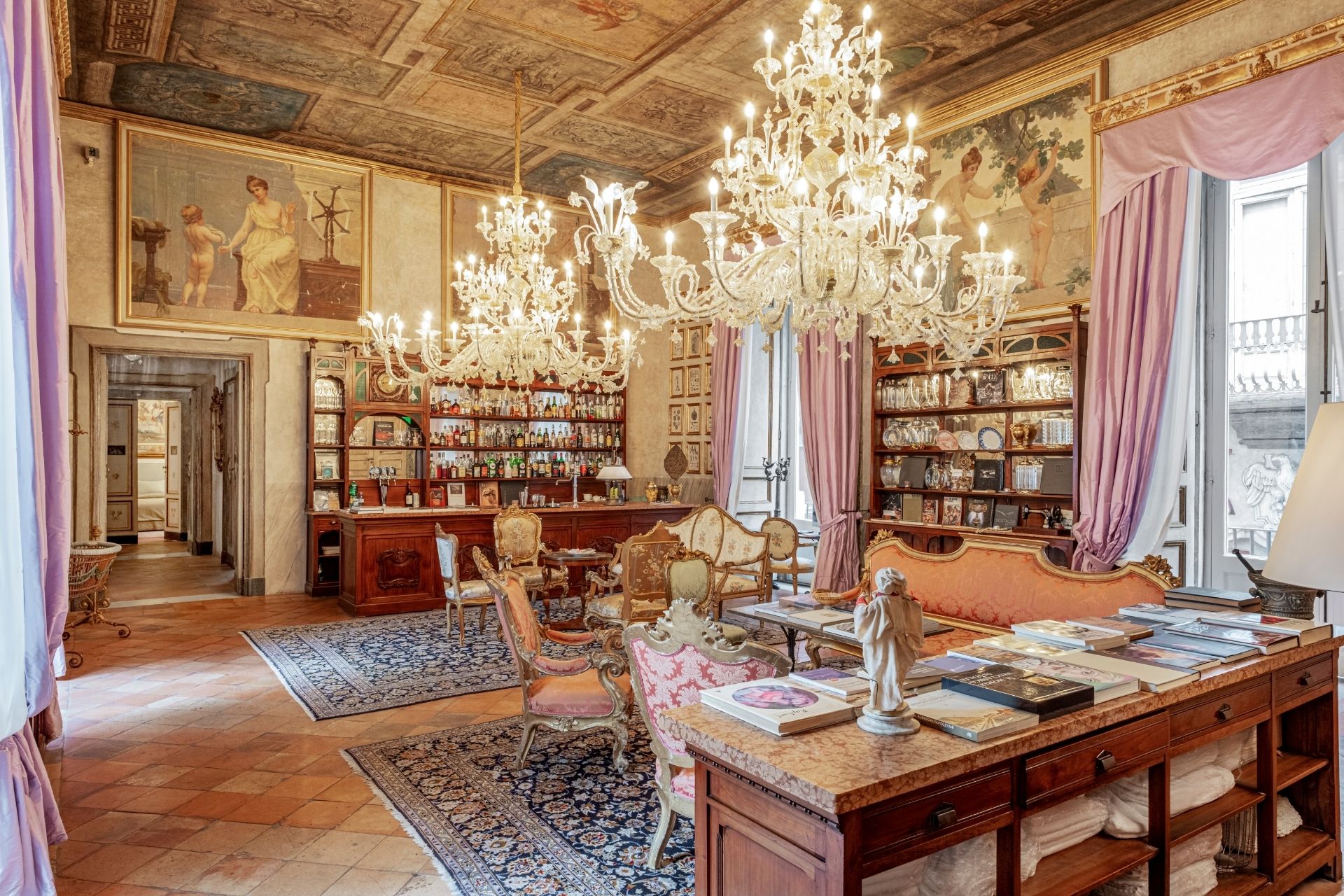
Now having undergone a meticulous process of restoration and renovation, the palace has been reimagined as a (more reasonably priced than I was expecting) hotel, complete with 15 bedrooms and 22 bathrooms spread across its five floors – don’t worry, there’s a lift. Once through the grand doorway, the Vanvitellan staircase leads up to the top two floors, each bursting with frescoed rooms and dripping with hand-painting ceilings and jewel-lit chandeliers.
Explore Inside
ADVERTISEMENT
Ad
ADVERTISEMENT
Ad
ADVERTISEMENT
Ad
ADVERTISEMENT
Ad
Palazzo Dorio D’A’Angri is on the market for €15m. Find out more at italy-sothebysrealty.com