


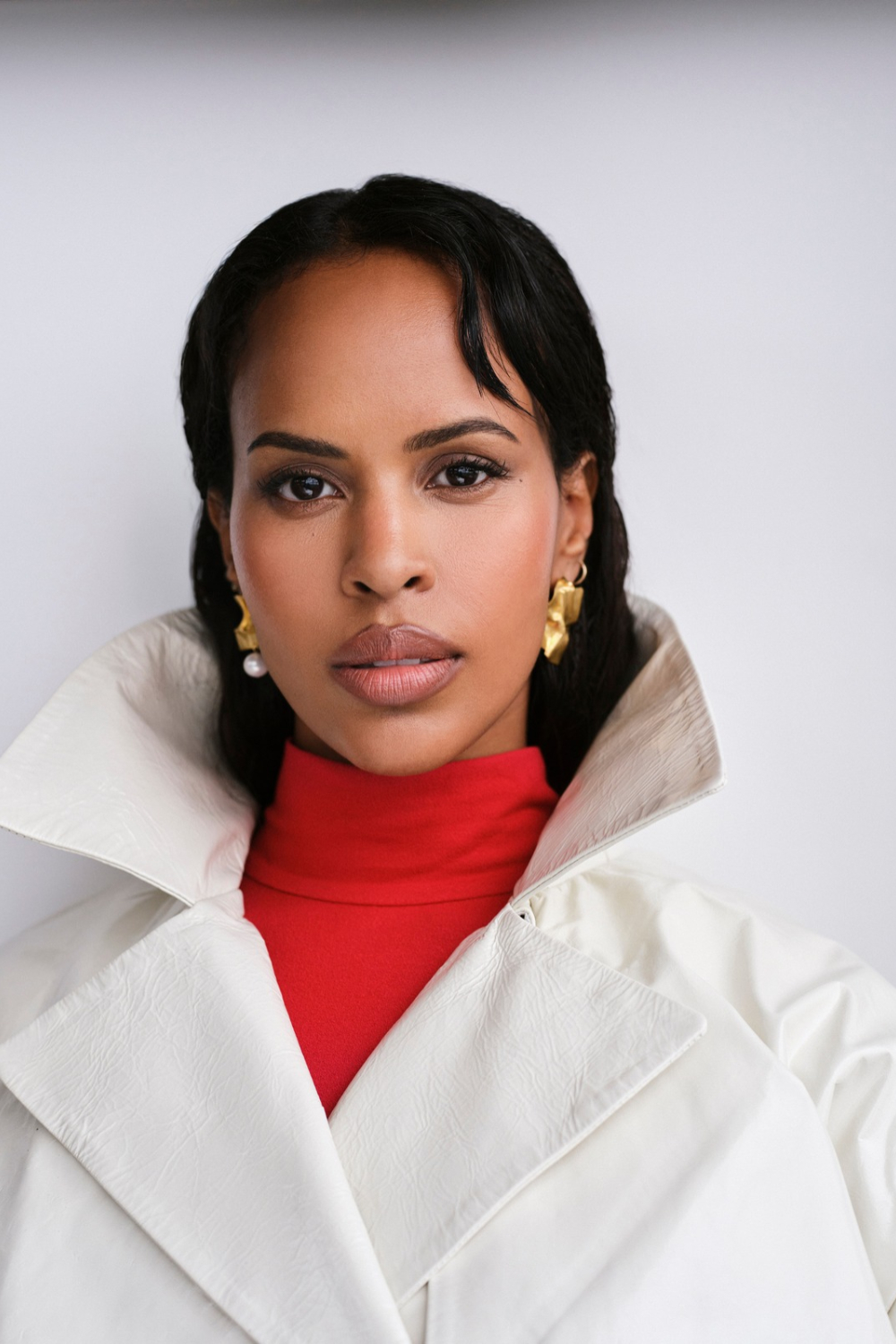
Sabrina Dhowre Elba Is Doing It All
By
2 hours ago
Activist, advocate, UN goodwill ambassador, actress and now CEO of sustainable beauty brand S’Able Labs. There’s nothing stopping Sabrina Dhowre Elba, says Tiffanie Darke
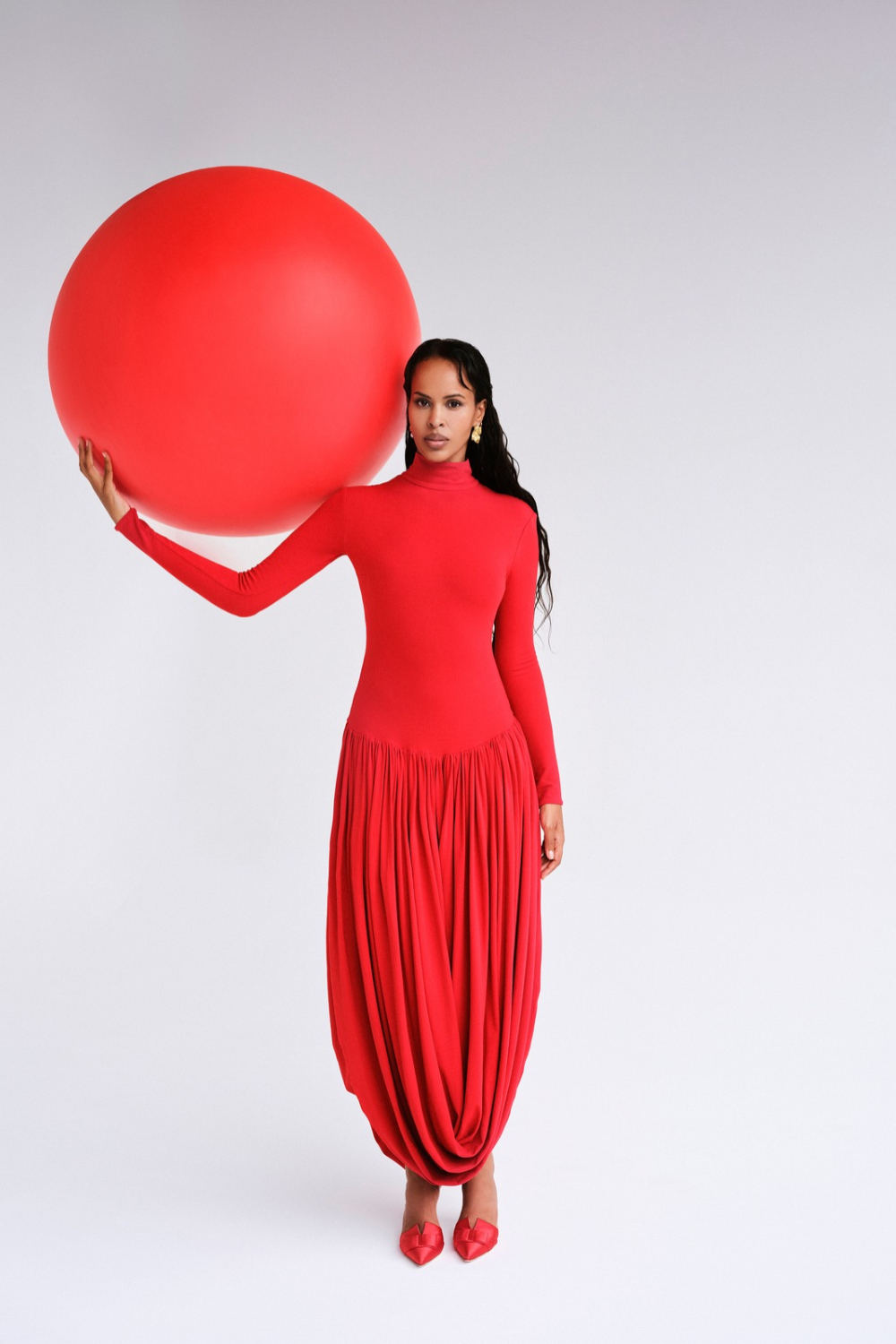
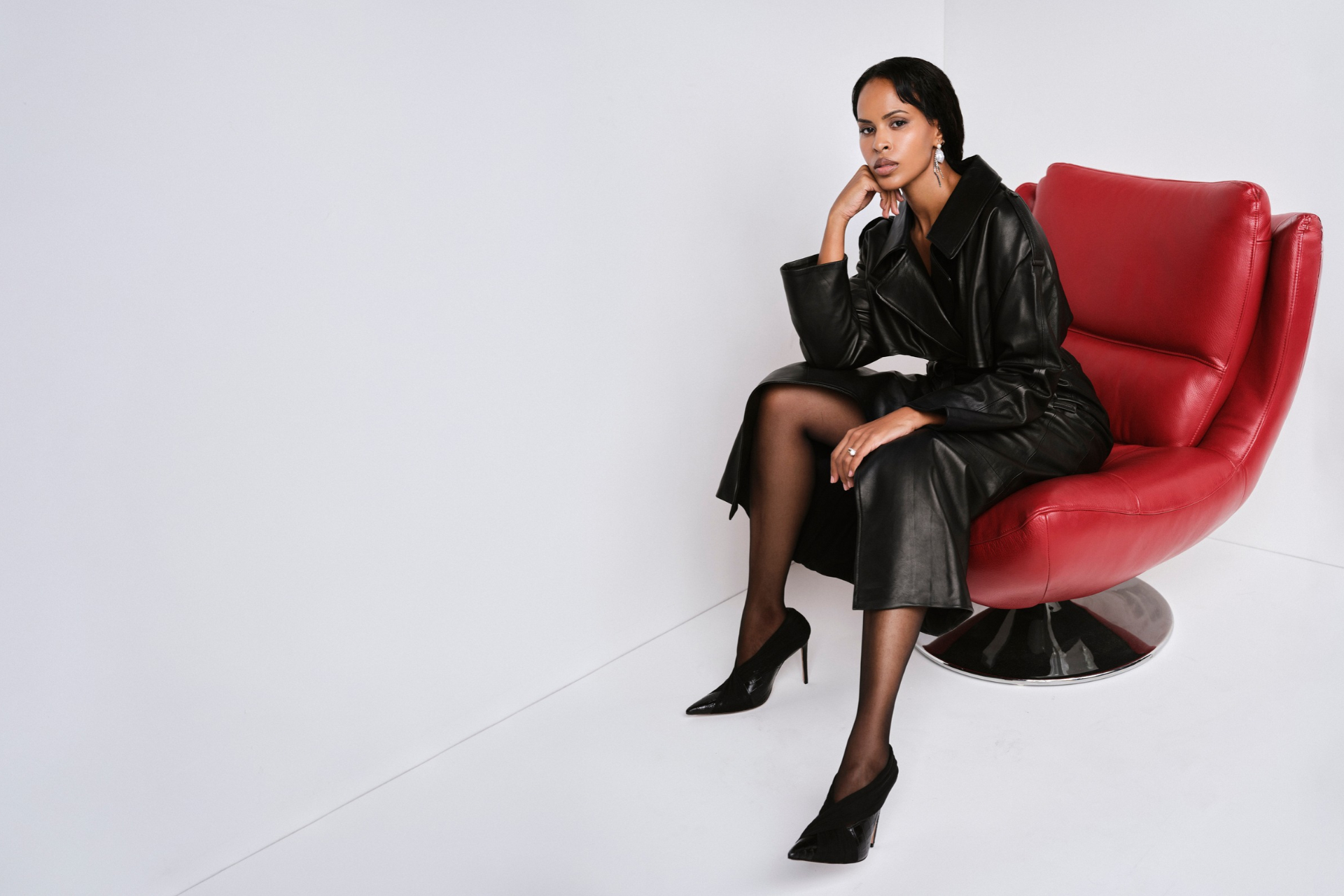
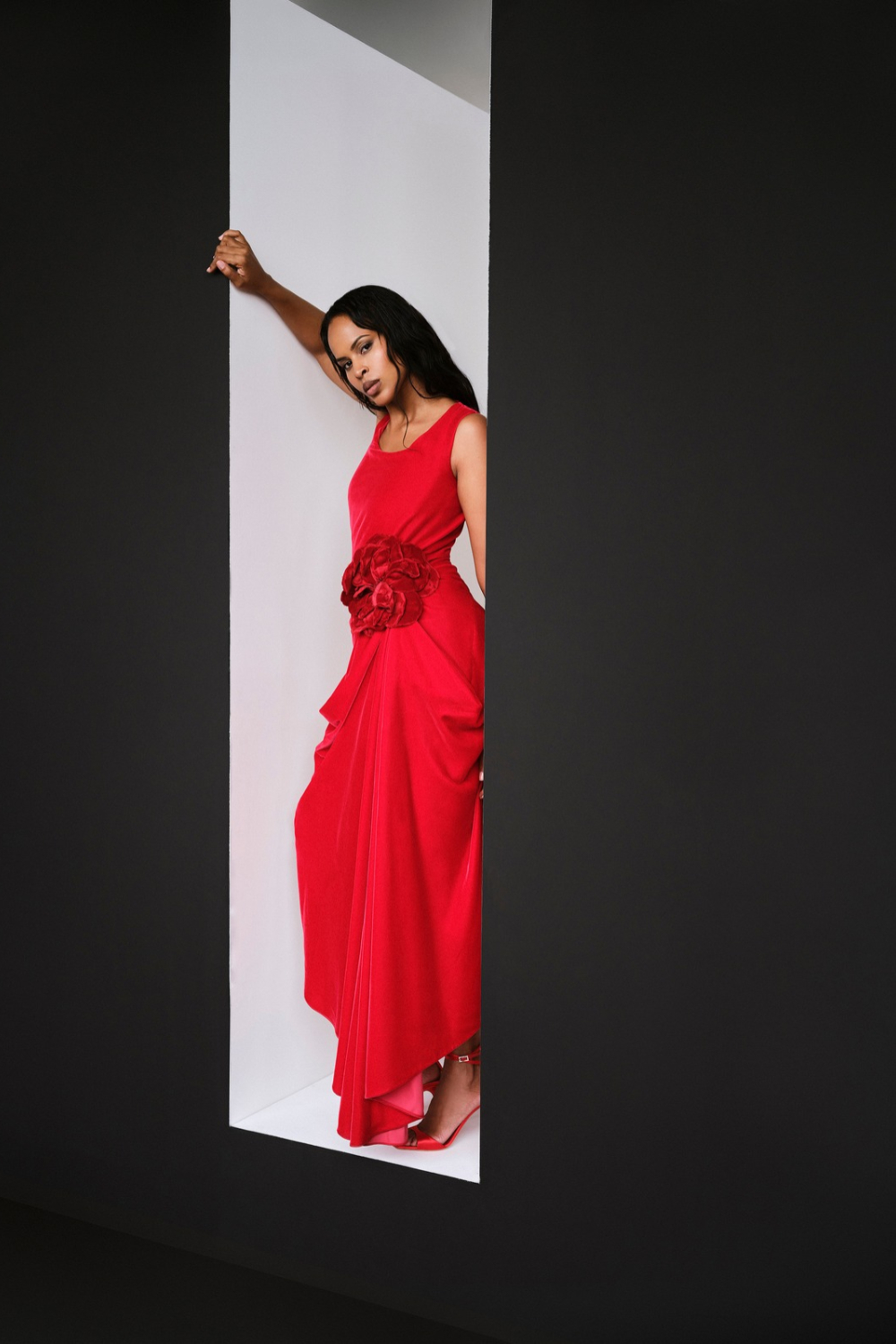
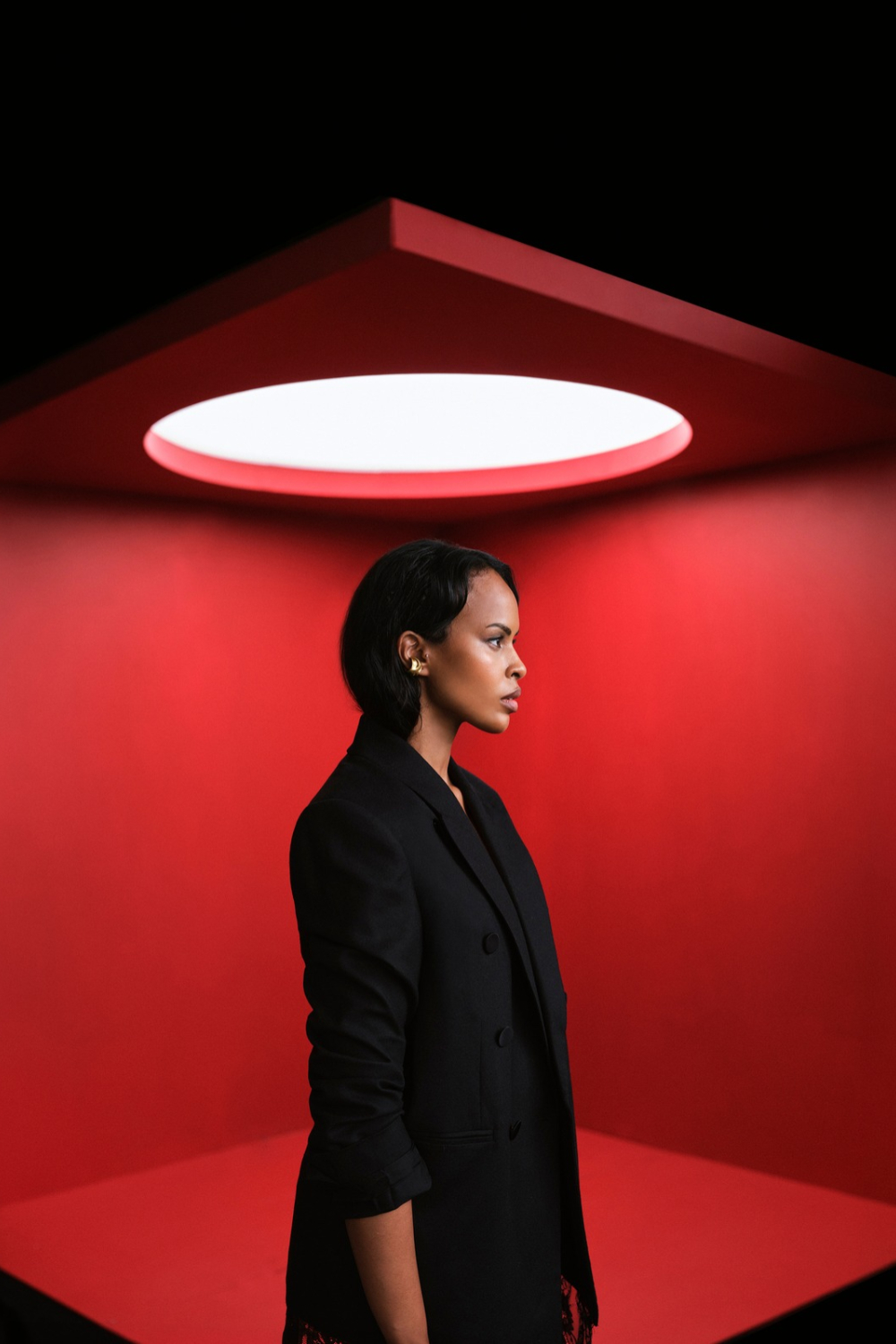
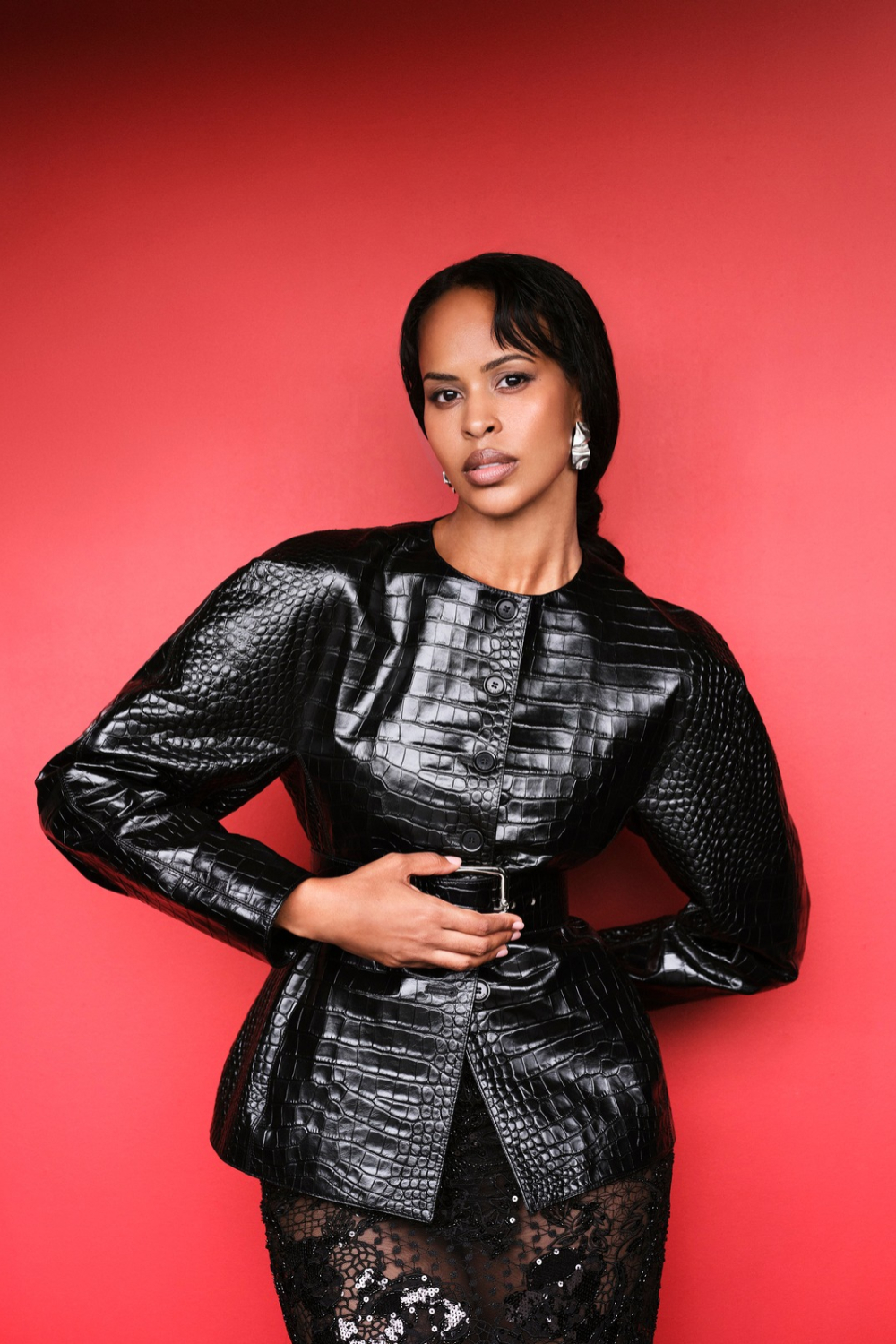
It’s a grey, rainy day on an industrial estate outside Tottenham and we are crowded into a tiny studio five floors up for our cover shoot. It’s an incongruous setting for such an ethereal beauty, but while London is drenching us in wet gloom, the studio lights are focused on set. The luminosity of skin, the angle of cheekbones, the endless nature of those legs – not even the City skyline can compete. Sabrina Dhowre Elba is in the building.
If you thought Dhowre Elba was just Idris Elba’s wife, prepare to correct your narrative. Upon breaking for lunch the 36-year-old relaxes, and while the glamour does not dissipate an inch, what takes over is the recounting of a life story only Disney could match. A second-generation immigrant and daughter of a single mother, how did this young Canadian girl meet and marry one of London’s hottest actors? And then, instead of embarking on a life of carpets and galas, throw herself into a journey of activism that has proved game-changing for so many? You might know her by her husband’s name, but do not underestimate the force that is Sabrina Dhowre Elba.
It begins with her mother. At the age of 16, Maryam Egal left her native country Somalia to follow her new husband to Canada. By 18, she had given birth to two daughters, Sabrina the younger, just as civil war broke out back home. ‘She’d watch it on the news,’ says Dhowre Elba, leaning forward in her chair, eyes widening. ‘I can’t even imagine what that felt like. She’d only just left and was watching her family in danger, in a country falling to ruin. Pre-civil war Somalia was stunning, gorgeous. And then – all this infrastructure, lost.’
‘My favourite part of our relationship is our desire to see a better Africa. What are the long-term solutions?’
Despite her young family, Egal threw herself into humanitarian aid. ‘She became passionate about wanting to fix it. As far back as I can remember, she’d be going to Somalia to get a cousin out, or my auntie out, or bringing clean water in. She started the Hooyo Maryam Foundation. That left an impression without me even realising at first.’ Meanwhile, the young Dhowre Elba was growing up in Vancouver, the only black girl in her class. ‘I was the only African I knew as a kid, other than my family. There was an impression of Africans waiting for handouts: a lot of poverty porn was on TV, full of starving East African children. I got name-called at school. “Oh, you should have flies on your face.”’ By this time, Egal had taken her daughters back to Africa several times and so Dhowre Elba was confused by the bullying. ‘To watch my hardworking family and know what I know? That’s not the Africa I see, that’s not the people. That’s the wrong representation.’ For both daughter and mother, the challenge of incorrect narratives took hold.
Egal’s marriage to Dhowre Elba’s father did not survive, and when she was 12, her father passed away. Even though the couple were separated, they had remained close: ‘Mum was with him in hospital every day as he was passing.’ A second marriage to an abusive man brought Dhowre Elba three more siblings. By now, her older sister had gone and her mother was still travelling, so she found herself in charge. ‘From a young age, I helped raise my brothers and sisters, but I loved it. I ate it up, playing mum while Mum was away. We were such a close-knit family; we never felt like half-siblings. All of us grew up in the same house, and they’re my favourite people. Somali queens!’ And the stepdad? ‘He’s gone now. Out of the picture.’
Dhowre Elba earned a philosophy degree, dabbled in drama and won Miss Vancouver (‘You’re going door to door raising money [as a pageant contestant]. I was such a shy, awkward teenager, really skinny, really tall – it brought me out of my shell.’). But after ultimately deciding she wanted to be a lawyer, she went to a party and – bam! – met Idris Elba. ‘Everything I thought I was going to do kind of just went. We fell in love very quickly. I thought, “Should I just go to London for a year? This guy is really nice.” So I did, and never looked back. I entered this new trajectory.’
Despite the age gap – she was 26, he was 45 and had been married twice before – ‘we realised very quickly we are passionate about the same things’. Idris was already collaborating with the government on the Ebola crisis in western Africa and addressing Parliament on diversity issues. ‘My favourite part of our relationship is our desire to see a better Africa,’ says Dhowre Elba. But talking about how to work in Africa was not the same as doing it. ‘How do we give back in a way that doesn’t feed the standard aid model? What are the long-term solutions?’
It was Egal who gave them the answers. She drew their attention to the UN’s International Fund for Agricultural Development (IFAD), the impact of which she had witnessed in Somalia. ‘She was like, “This is how the aid system should work: you give someone a fishing rod, not just a fish, and you get them out of a situation that they’re in.” Agriculture is a means to economic independence. If they can grow food for themselves and their communities and sell it, they can live off the land, feed their children. That incorporates education and women with land. It’s so many things in one.’
The Elbas travelled together to Sierra Leone (‘It was Idris’ homecoming; he’d never been to Sierra Leone!’) and while they were there, Egal connected them with IFAD. ‘We saw the work firsthand; it was exactly what we’d been looking for. It’s a financing organisation, giving out small loans so people can then build their livelihoods. It teaches people how to farm and adapt against climate change. People are like, “You work in agriculture?”, but it’s connected to everything we care about. Education and gender.’
The couple threw themselves into the work, and while Idris continued to garner acting roles and commercial partnerships, Dhowre Elba was appointed UN goodwill ambassador for IFAD. She joined the board of Conservation International, became co-chair of Global Citizen’s Europe board, and started the Elba Hope Foundation with her husband. Watch her on stage speaking about her work and you cannot mistake the passion, the understanding and the magnetism she brings.
‘I was always a dreamer but I don’t think I realised that until I was with Idris, who is a very big dreamer. Now I’m like, what don’t I want to do?’
In between all of this, the couple launched sustainable beauty brand S’Able (‘Elbas’ spelled backwards) – of which Dhowre Elba is now CEO – to address black skin health. She has also begun her own acting career and has made three films, including a romcom out next year titled Not Like Us with her friend, Olympic boxer Ramla Ali. The Cinderella narrative never stopped at marriage: for Dhowre Elba, it was just the start.
‘I was always a dreamer but I don’t think I realised that until I was with Idris, who is a very big dreamer. Now I’m like, what don’t I want to do? I want to do all the things, and why can’t I do them all at the same time? Why can’t I be a CEO? Why can’t I act? Why can’t I do all the advocacy? Idris showed me sides of myself I never would have known. Would I have thought I was a creative person the way I do now? Would I have thought I was an entrepreneur? He has a very big-picture view of the world and he’s ambitious and entrepreneurial, which is infectious. He’s changed the course of my life.’
The salad has arrived and C&TH’s fashion director Nicole Smallwood has a Skiim leather trench ready for its moment. The crew re-assemble and Dhowre Elba switches from activist, ambassador, CEO and actress to the latest Little Mix gossip, without missing a beat.
Try fixing a singular narrative on this one. Why can’t she do it all?
Fashion Direction – Nicole Smallwood
Photography – David Reiss