


From ‘There Is No Second’ To SailGP: How Yacht Racing Became The Fastest Show On Water
By
2 months ago
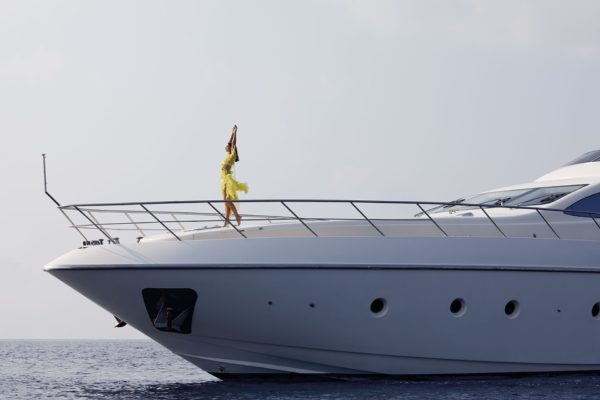
With celebrity owners, Rolex backing and boats capable of 60mph, SailGP has transformed a famously rarefied sport into a global spectacle. Simon de Burton reports
August 22 will mark 175 years since Queen Victoria famously asked ‘Who came second?’ when the New York Yacht Club’s menacing black schooner America ignominiously defeated 14 British yachts in the 100 Guineas Cup, a race around the Isle of Wight in which our ‘cousins from across the Atlantic’ had been invited to compete in celebration of that year’s inaugural World’s Fair.
The disarming answer provided by the Queen’s attendant – ‘Your Majesty, there is no second’ – has gone down in sailing history as the mantra for what became the America’s Cup, an event in which US teams remained undefeated for 132 years to establish the longest winning streak ever recorded in sport.
Similarly the America’s Cup, which takes place at random intervals that have ranged from one to 19 years, is the longest-running international competition of all time. Some might venture that it is also the one with the most arcane rules, the most unfathomable organisation, the greatest amount of skulduggery and the least appeal to the average person in the street.
All of which could have been behind the decision by American software billionaire and triple America’s Cup victor Larry Ellison to join forces with New Zealand-born Olympic gold medallist and three times America’s Cup winning skipper Russell Coutts to launch an on-shore race series that would draw crowds around the world and bring to the water all the thrills of Formula One.
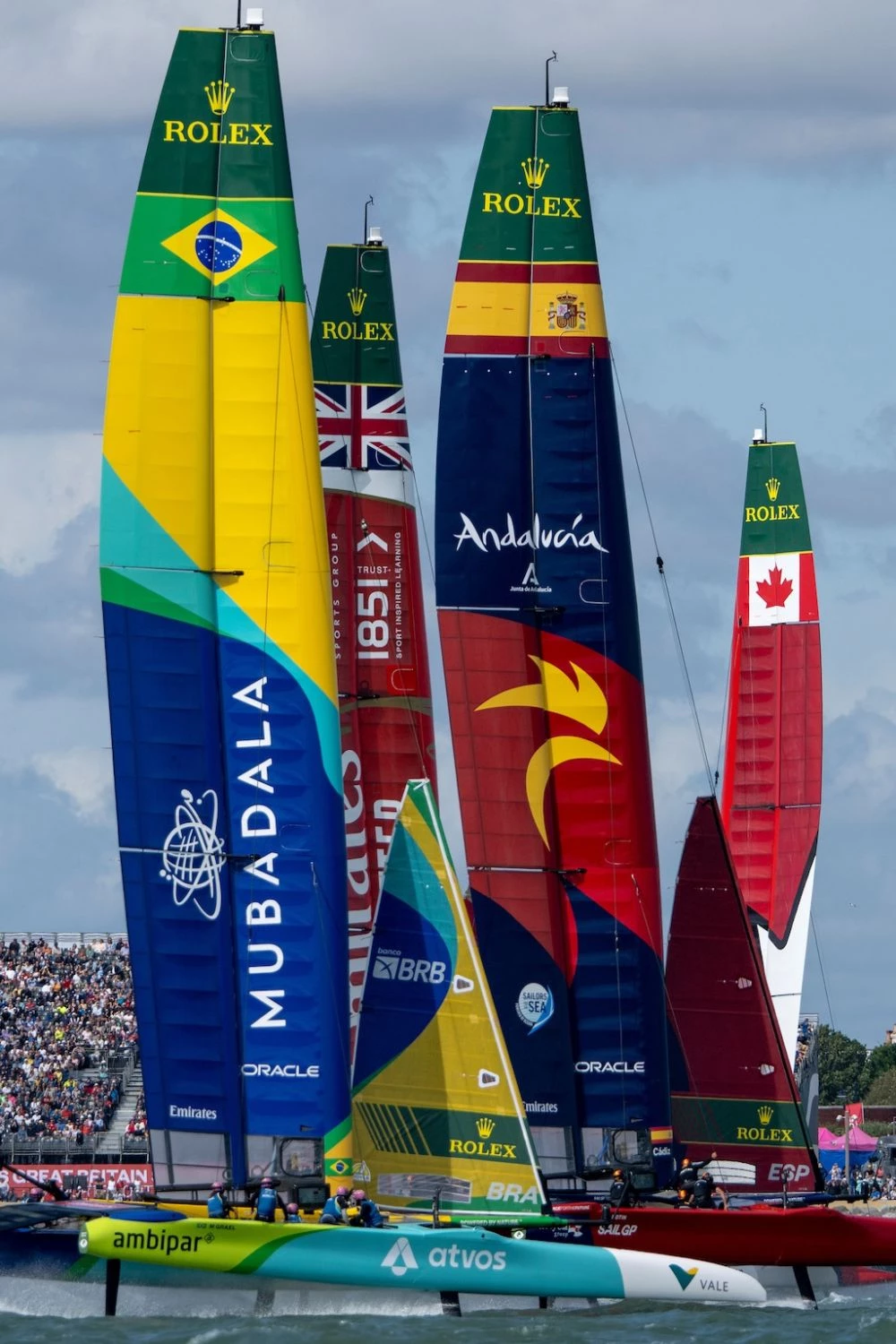
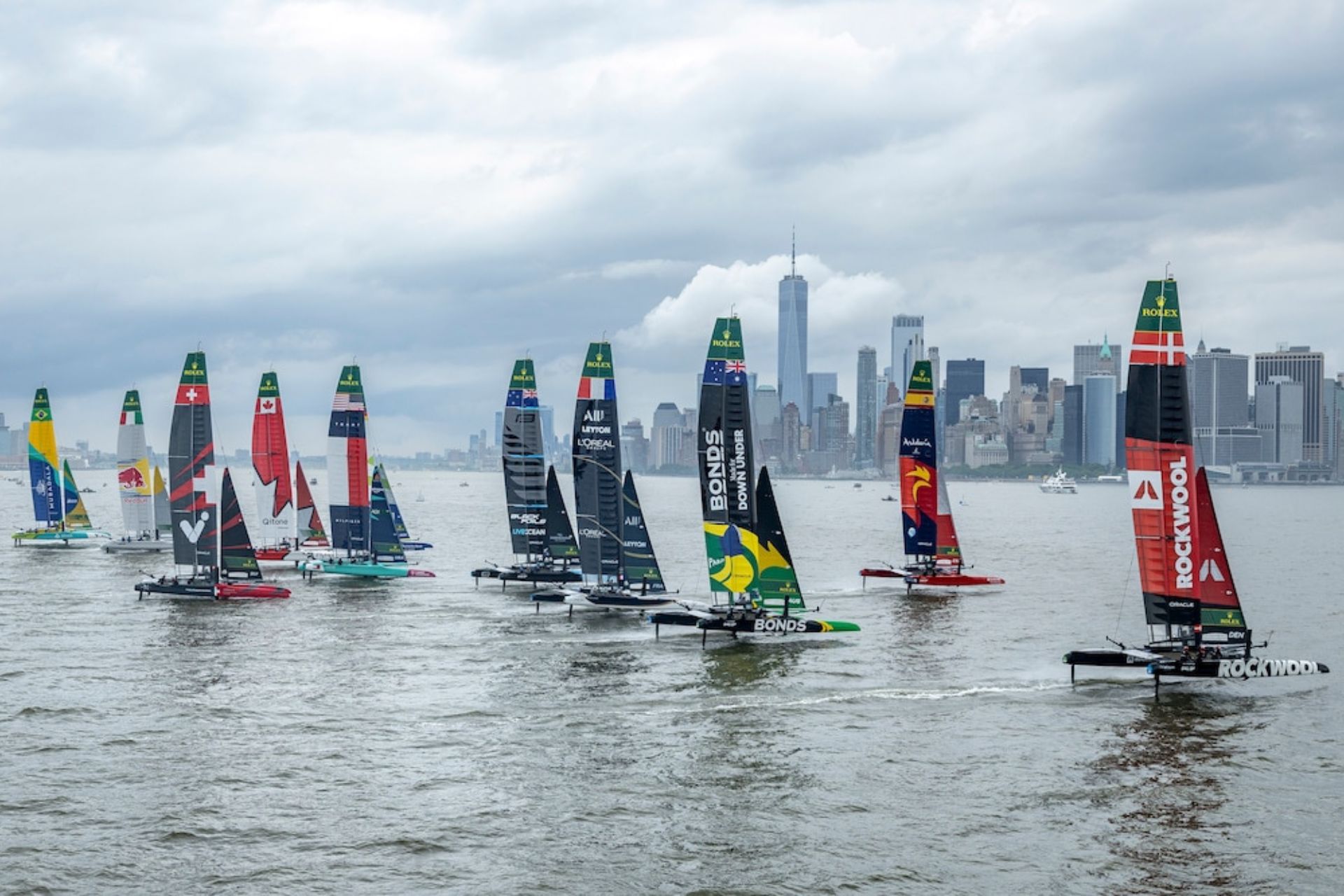
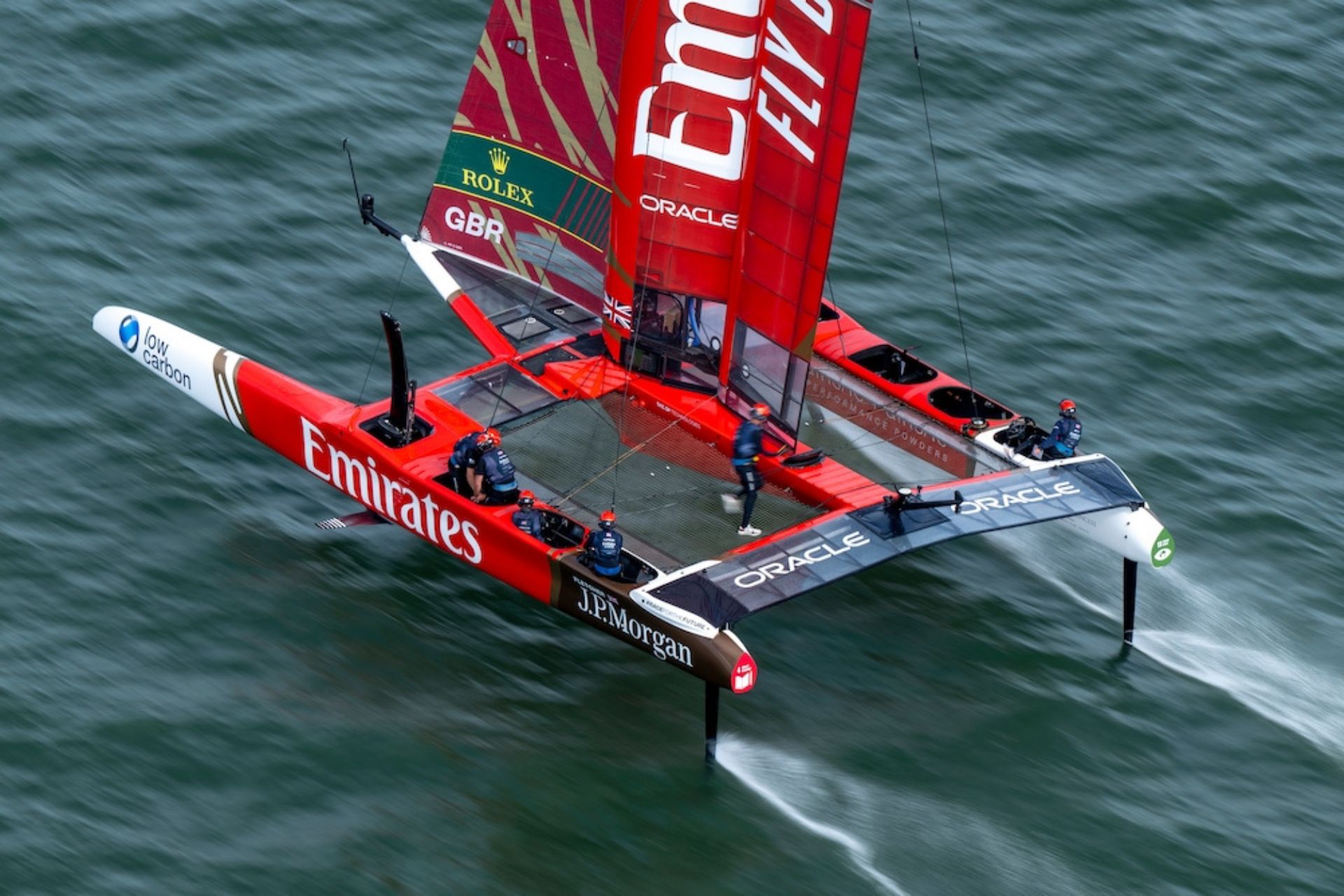
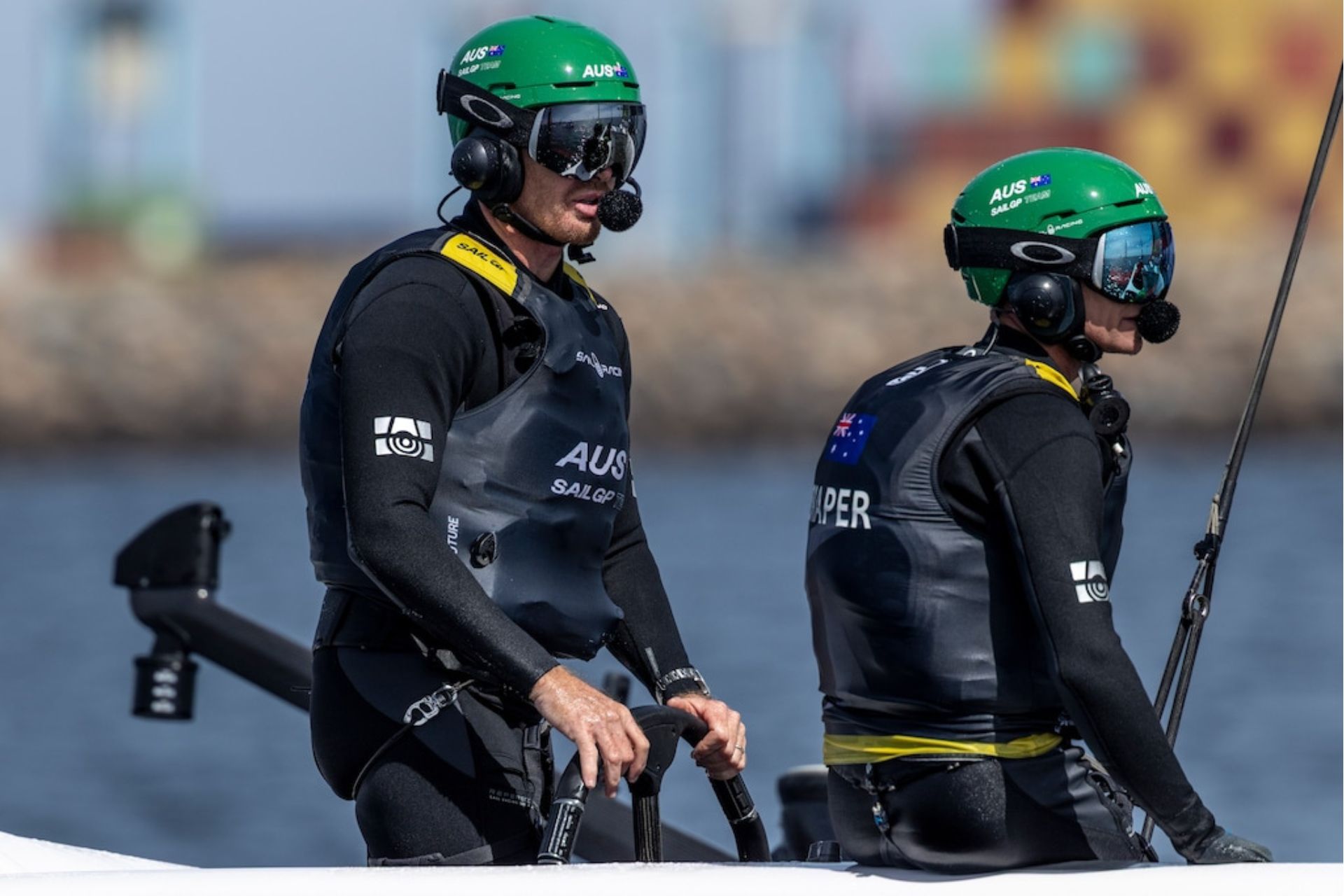
And, since 2019, the Rolex SailGP Championship has been attracting a growing number of teams, spectators, broadcasters and enthusiasts to become the world’s most successful and widely-recognised yacht racing formula of its type. The ‘formula’ aspect is down to the fact that each of the 13 teams (14 next year, 16 by 2028, ultimately capped at 20) compete in identical, 50-foot F-50 foiling catamarans which use technology gleaned from America’s Cup design to literally ‘fly’ above the water on state-of-the-art foils. Capable of speeds of up to 60mph, the boats carry six crew, at least one of whom must be female.
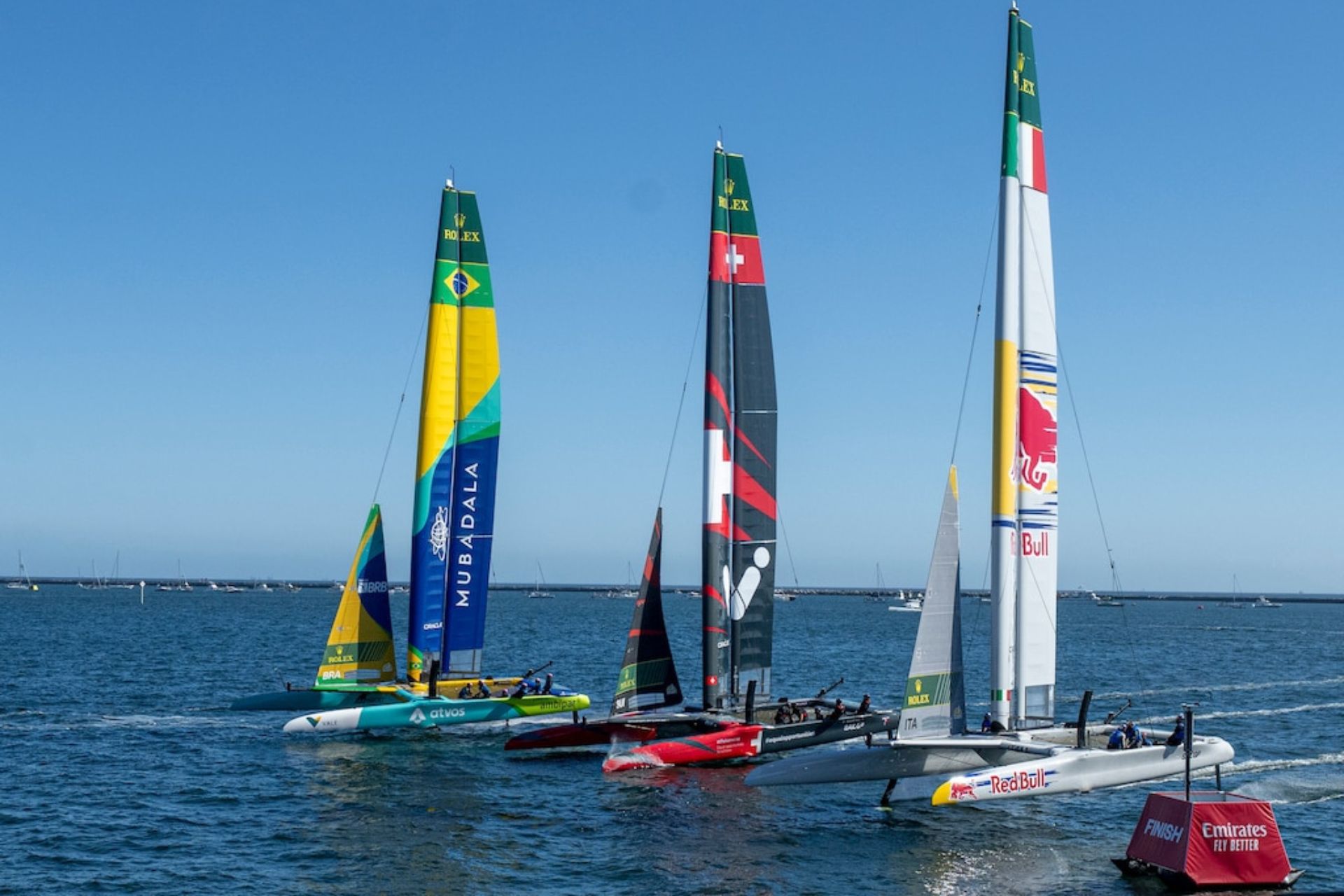
To give an idea of how the championship has grown in the seven years since its inception, it now costs around $60m to buy a team outright compared with $5m to get involved in the sport at the beginning. The F-50s, meanwhile, cost $7m to build , an eye-watering $750,000 of which is accounted for by the massive, carbon fibre wing sails in heights of 18, 24 or 29 metres which have to be attached to the hulls using giant cranes. To prevent the open chequebook ‘arms race’ situation for which the America’s Cup has often been criticised, Rolex SailGP teams are limited to a $10m annual budget – which is hardly pocket money, but is soon soaked-up by the costs of competing in a series for which the winning team receives ‘only’ $2m (out of a total $12.8m prize pot) having travelled to 13 venues around the world.
The seven-figure sums required have, however, done nothing to deter several major celebrities from getting involved. F1 champion Sebastian Vettel was among the first to sign-up as a co-owner of the German Deutsche Bank team, followed by soccer star Kylian Mbappe (DS Automobiles France) and Hollywood actors Hugh Jackman and Ryan Reynolds who both have stakes in the Australian Bonds Flying Roos team. British Olympic sailing hero Sir Ben Ainslie is also heavily involved in the championship as the CEO of the Emirates GBR team, which became the first to take franchise ownership (in 2021) and which was last year’s overall winner.
But perhaps the greatest sign of the SailGP Championship’s credibility and likelihood of continued success lies in the fact that Rolex has been the title sponsor since the beginning, adding the series to a roster of six other world class sailing events, a dozen yachtspeople and 15 yacht clubs around the world, which it now supports since first becoming involved in the nautical world more than 70 years ago.
Speaking before July’s Portsmouth round of this year’s championship, SailGP managing director Andrew Thompson cited the Swiss watch maker’s involvement as being key to the success of the series. ‘I don’t think we would be where we are today without Rolex,’ he told Country & Town House. ‘It has made us a premium brand because it pushes us technically and gives us a market to aspire to and, more broadly, it has attracted investors to SailGP who may not otherwise have considered getting involved. Our events in Hong Kong and Rome came about because of Rolex, and in September we’ll be staging a round in Geneva, right at the heart of the brand.’
In addition to an undisclosed level of financial backing, Rolex also presents the winning crew with an example of its (definitely appropriate) titanium-cased Yacht-Master 42 model to help keep an eye on the five-minute countdown before the starting gun goes off. The importance of those pre-start minutes was demonstrated at the Portsmouth SailGP event, where a 20,000-strong crowd enjoyed some truly thrilling close-to-shore competition in perfect, sun-soaked conditions.
Seeded into two groups, teams competed in two qualifying fleet races each, all equipped with the smallest, 18-meter wingsails reserved for strong wind conditions. The 10 group races produced 10 different winners, with the knock-out format culminating in a four-boat final that saw Spanish team Los Gallos take the spoils to mark its second consecutive event win after its June victory in Halifax, Nova Scotia.
But while the adrenaline-fuelled hull-to-hull racing is what the Rolex SailGP Championship is ultimately all about, it’s also boosting British industry, helping the environment and promoting the sport at a broader level.
Directly before the Portsmouth race, Country & Town House was given a rare chance to visit SailGP Technologies at Hedge End, Southampton, where a 64,000 sqft former Amazon warehouse has been transformed into an ultra high-tech F-50 factory producing three boats per year. Each takes 47,000 hours to construct with the input of a technical team of 150 people, 75 of whom follow the championship around the world to help maintain the boats, and nine of whom are responsible for looking after the carbon fibre-tipped, titanium foils which enable the boats to ‘fly’ across the water.
Olympic gold medal dinghy racer Eilidh McIntyre (OBE, if you don’t mind) guided us around the remarkable facility, a place which anyone who thinks ‘Britain doesn’t make anything anymore’ should make a point of visiting. But as well as explaining the finer points of how to build a 50-foot catamaran that’s capable of travelling up to three times the speed of the wind that’s driving it, McIntyre also highlighted the ‘other’ competition that runs alongside the main championship.
‘It’s called the Impact League, and it requires each team to audit its carbon footprint through electricity use, waste disposal and so on,’ says McIntyre. ‘As part of that, the teams take on a different challenge each year. These can be long term or short term – the New Zealand team, for example, arranged a swim around the North Island to highlight the state of the marine environment, something that led to a legislation change to improve conservation.’
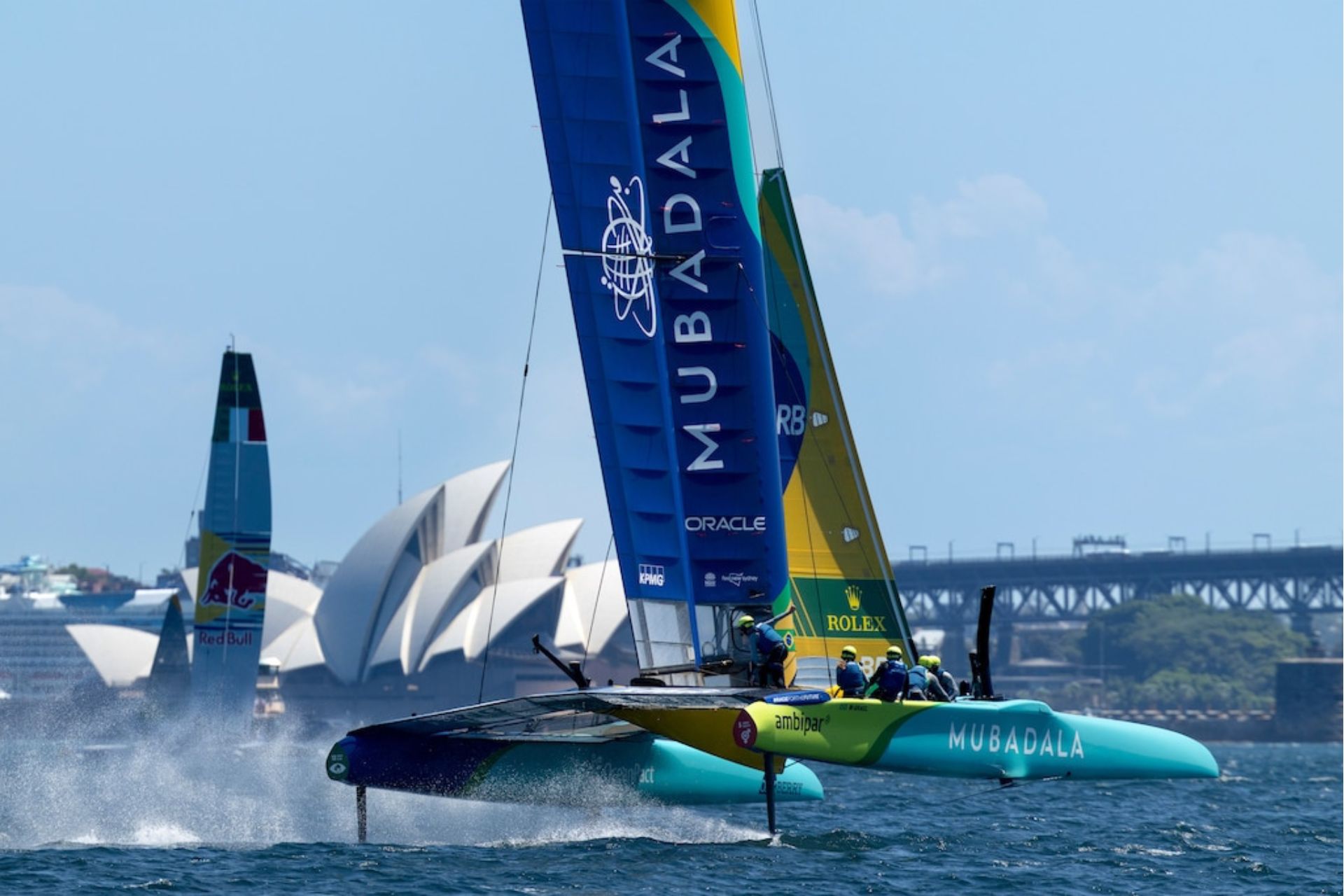
The Brazilian team, meanwhile, succeeded in developing a foundation that works to find jobs for people in the marine industry, while Emirates GBR won the 2025 Impact League for the second year running with projects to recycle existing equipment, engaging 250,000 young people in climate education and providing more than 350 hours of on-water training for under-represented sailors.
Coming top of the Impact League earns winners a cash prize of $150,000 to hand-over to a nominated charity.
Would Queen Victoria have been amused? We think she would have been…
Remaining events in the 2026 calendar are Sassnitz, Germany (22 – 23 August); Valencia, Spain (5 – 6 September); Geneva, Switzerland (19 – 20 September); Dubai, UAE (21 – 22 November) Abu Dhabi, UAE (28 – 29 November). Learn more about the Rolex SailGP Championship at sailgp.com