



The First Full Moon Of The Year Will Shine Tomorrow
By
8 months ago
The Wolf Moon is howling in the sky: here's the rundown
Skygazers, rejoice: the first full moon of the year will light up the sky tomorrow, rising in the afternoon. But don’t worry: you’ll be able to see it all night long, too.
Nicknamed the Wolf Moon, here’s how to see the first full moon of 2026.
What Is The Wolf Moon?
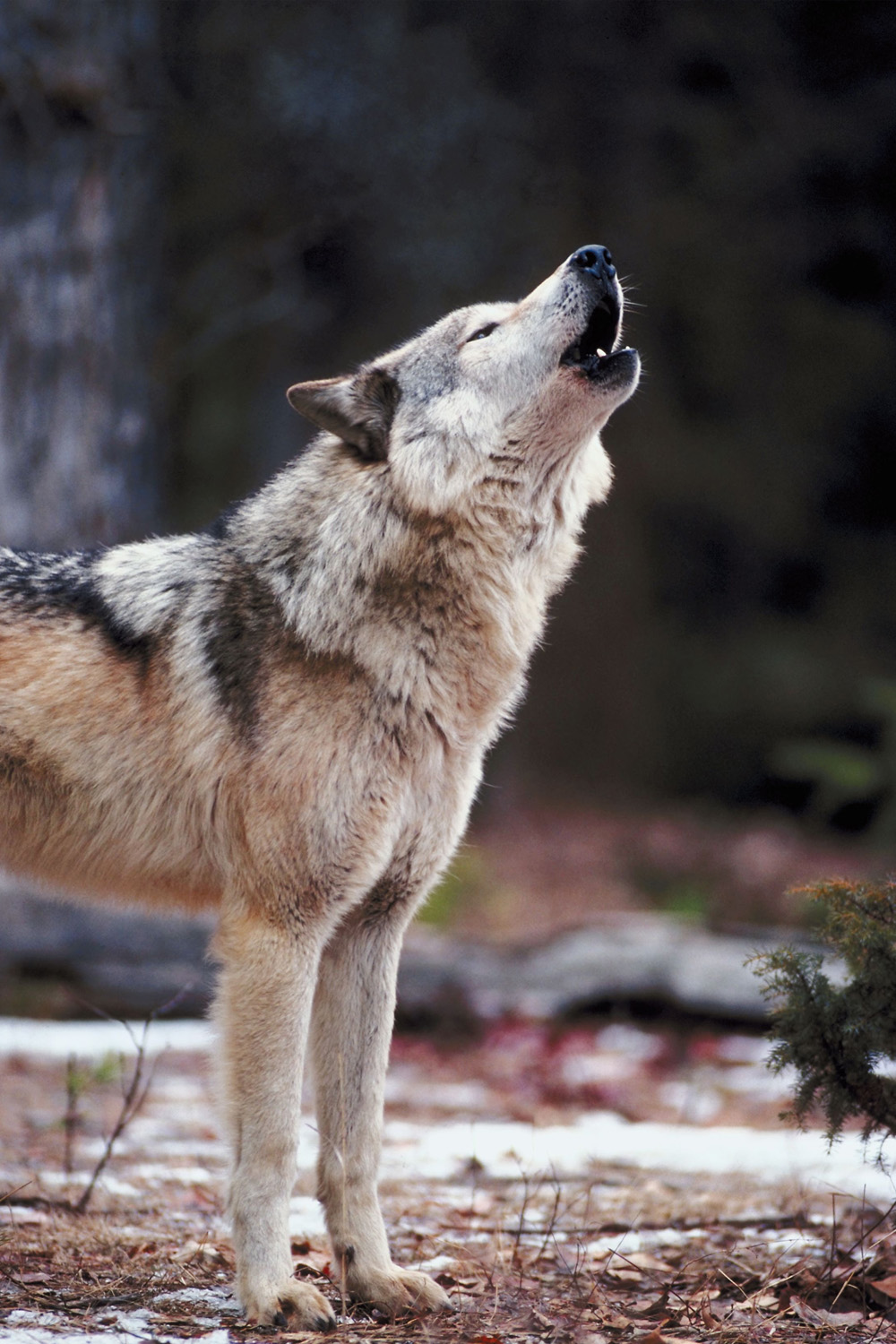
Due to their nocturnal nature, wolves have long been associated with moons, from mythological transformations in the milky light to mysterious goings on. While lots of animals hibernate in winter, wolves are contrastingly very active – and the furry four-legged mammals are honoured by the first full moon of every year, which takes their name: the Wolf Moon.
That said, it is somewhat of a misnomer that wolves howl at the moon. Instead, these nocturnal canines howl upward at the sky to project their calls further, whether they’re warning intruders to stay away or informing the rest of the pack of their location. Other than that, there’s no indication that wolves are affected by a full moon – though their association with lunar cycles can be traced back to Norse mythology.
According to NASA, January’s full moon got its name from ‘the packs of wolves heard howling outside the villages amid the cold and deep snows of winter’. It is also known as the Stay Home Moon (no one wants to bump into a wolf in the dark of night, after all) and the Moon After Yule in some cultures.
According to astrologers, a Wolf Moon can be an emotional time – so if you’re feeling a little more sensitive or tense than usual, you can blame the night sky. Naturally in the post-Christmas lull, the Wolf Moon is often associated with the low tide of winter – but this does not have to be a negative thing.
Instead, opting for reflection over action and drawing together as a community can be a valuable way to honour our minds in this long, dark season. Drawing on that wolf motif, this is also the optimal time to confront any hungers, metaphorical in our case: plan your path to your goals, feed your curiosities, and take the opportunity to clear out your lingering 2025 anxieties before the New Year gains speed, resetting your intentions in the quiet.

How To See 2026’s First Full Moon
According to the Royal Observatory Greenwich, the Wolf Moon will actually reach its peak at 10.03am. However, it will also appear full the night before (2 January) and when the sun sets on 3 January. The sky will be fully dark by 6pm, so this is prime time to see the Wolf Moon, which will in 2026 be accompanied by the Pleiades star cluster.
According to Parkdean Resorts, here’s how to get the best view:
1. Get Up High
‘The further up you are, the better your chance of a clear sky to see the stars. Take a hike and explore the surroundings to find the perfect stargazing spot. The further you are away from light pollution the better chance you’ll have of seeing the stars. Moons always rise in the east and set in the west – so follow this direction in your search.’
2. Research What You’re Looking At
‘Enhance the stargazing experience and download the Star Chart app, free on AR-enabled Apple or Android devices. Star Chart allows you to point the camera at the sky and will tell you exactly what is up there.’
3. Use TimeAndDate.com
‘Time and Date allows you to input your location, before generating information about when the planets are most visible. With lots of helpful information about what’s in the universe, this is a great way to educate the family about the wonders of space.’

2026 Full Moon Calendar
There are 13 full moons in 2026, including a Blue Moon in May. They are:
- 3 January: Wolf Moon
- 1 February: Snow Moon
- 3 March: Worm Moon
- 2 April: Pink Moon
- 1 May: Flower Moon
- 31 May: Blue Moon
- 30 June: Strawberry Moon
- 29 July: Buck Moon
- 28 August: Sturgeon Moon
- 26 September: Harvest Moon
- 26 October: Hunter’s Moon
- 24 November: Beaver Moon
- 24 December: Cold Moon