


Britain’s Most Quirky Regional Foods – And Where To Try Them
By
3 months ago
From infamous pastries to celeb-favourite gastropub grub
Britain’s reputation for food has been historically challenged, to say the least. We’re a nation of snackers, marmite-eaters, and picnickers at heart; our best foods are often grab-and-go like scotch eggs and sausage rolls. We also love a takeaway – like fish and chips eaten from the wrapper (best had sat shivering on a sea defence) – and pub grub. And while our food has, in recent years, begun to stave off the stodge accusations, the quirky regional foods that so define us are still worth trying. Read on for the most famous and infamous British regional foods or venues – and where to find them.
© CPHQ Edward Massey
The Most Infamous Cornish Pasty in Cornwall
Philps, Marazion
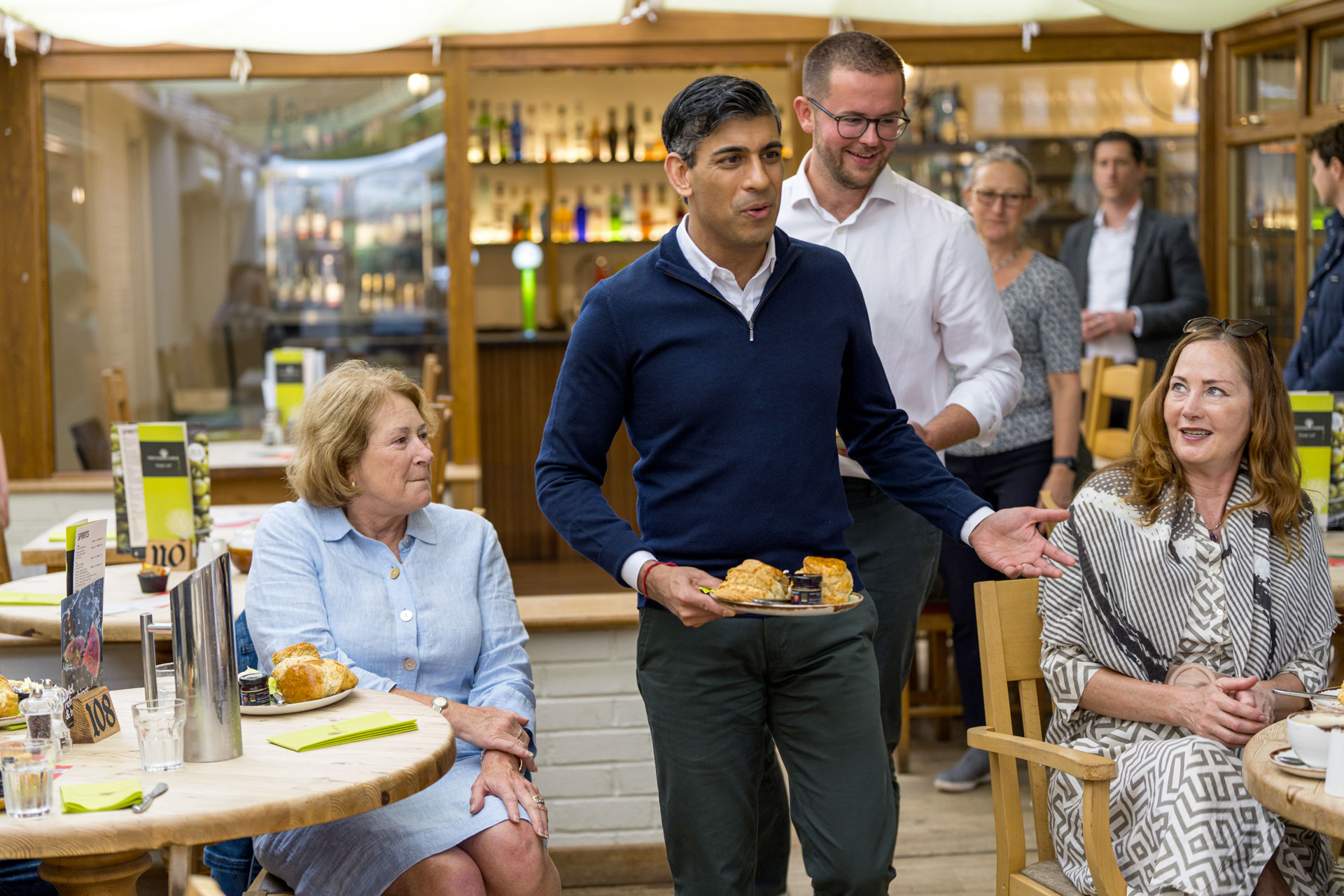
Rishi Sunak infamously tucked into one of these traditional west country delights in 2024, on a prime ministerial visit to seaside town Hayle. The press ridiculed him for dual-wielding his Cornish pasty – apparently a faux pas. Though his technique might have been strange, his choice of bakery was not: Philps of Hayle, a beloved family-run business. Its Marazion shop, 15 minutes’ drive from the Sunak spot, sits in view of folkloric St Michael’s Mount. Enjoy your meaty pasty al fresco, but perhaps with just one hand.
Gastropub Grub In The Cotswolds That Celebs Love
The Bull, Chipping Norton
The chocolate box villages in the Cotswolds have always attracted a slew of Americans, celebrities, royals and city folk eager to catch fresh air. It must be the appeal of a sleepy British break, where there’s little phone signal but still fantastic shopping opportunities, and it’s almost certainly linked to the slap-up dinners you can find in the most random little inns. The Oxfordshire/Gloucestershire belt can boast among the country’s best gastropubs: The Woolpack Inn, The Bell Inn Langford… But the worst-kept secret of all is The Bull, Charlbury. The celebrity guestbook includes David Beckham (who celebrated his knighthood here), Robbie Williams, Jack Whitehall and Ellen DeGeneres.
The Oldest Eel, Pie and Mash Shop in London
M.Manze, London
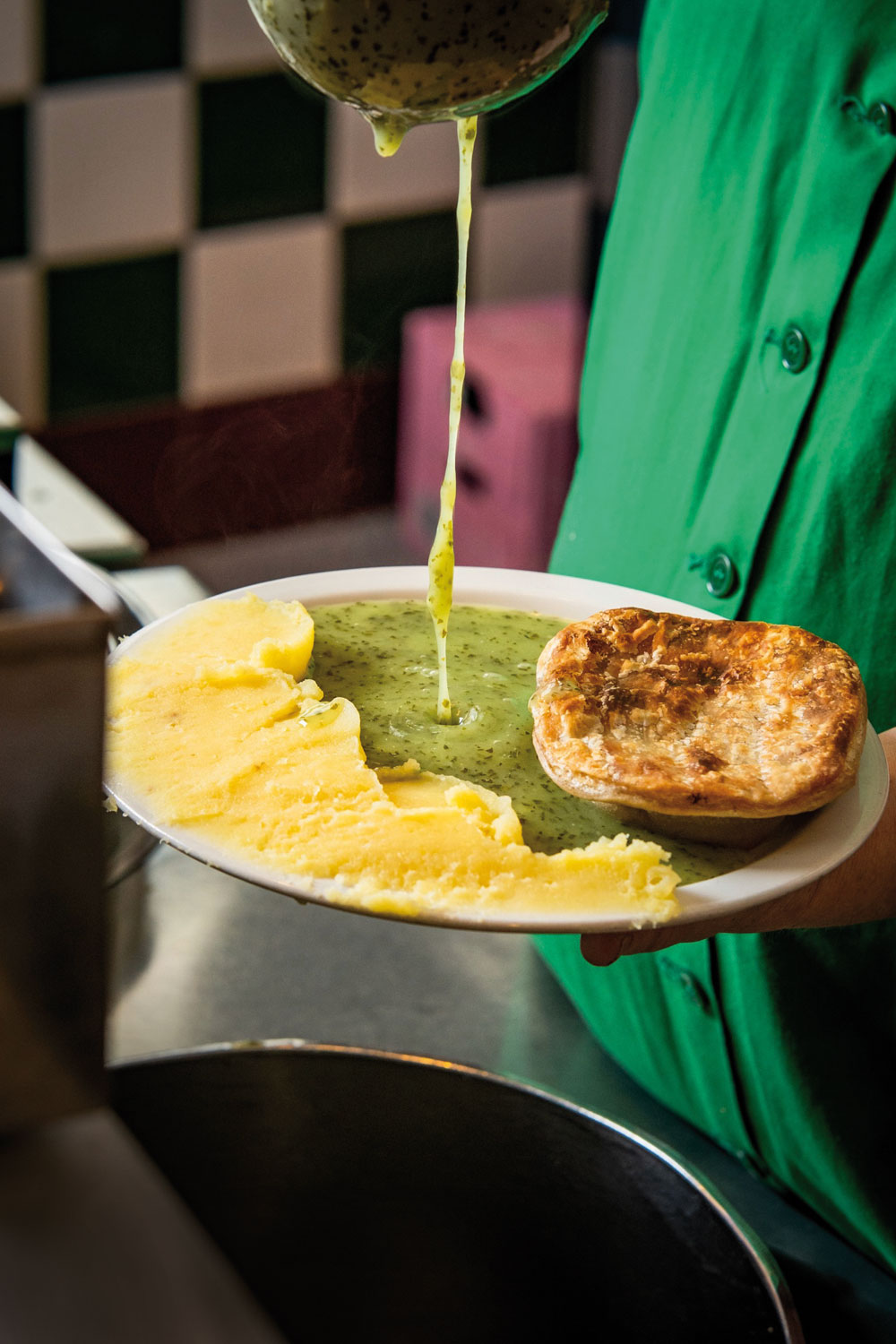
Once a staple of the Cockney diet, there are only 30 or so shops left in the capital dedicated to traditional pie and mash – that is, the kind with jellied eels. You can find souped-up fine dining takes from Mayfair stalwarts, like The Wolseley, but for the real deal, look to M.Manze. The oldest trad pie shop in London, at three sites (Bermondsey, Peckham and Sutton) you can enjoy a whopper plate of upside-down pie, mash and parsley sauce. To eat it the proper way, totally douse in chilli vinegar and don’t dare be caught using a knife.
The Best Ice Cider in the West Country
Pass Vale Farm, Somerset
Ice cider in Britain is a rare find. It is to cider as ice wine is to wine – a much sweeter, more concentrated drink. And full disclaimer, it originated in Canada. But the English home of cider, Somerset (sorry Devon), has of late been giving the drink a spin, borrowing from winemaking techniques where frozen apples are concreted into the ultra-boozy, syrupy dessert drink. To try on home turf, visit Burrow Hill Cider’s summer cider bus and enjoy a tipple on a pretty working farm.
The Finest Essex Oysters
Borough Market, London
Not everyone is willing to shuck this particular sea stuff raw, and there’s a plethora of chefs in the UK and Ireland offering deep-fried, poached and foamified versions of the mollusc. But for those with the stomach, if you want to try a proper English oyster, heading to Essex is your best bet. Ed Campbell, head chef of The White Hart Inn, a two AA rosette restaurant in Mersea, says the history of oysters here is storied. ‘The Romans loved our oysters so much, they towed them in nets behind their boats all the way back to Rome,’ he says. ‘Buy them from the Haward family, who have been cultivating oysters in and around Mersea Island’s creeks since the 1700s. These are some of the finest in the world, sold across the UK to the reach of Dubai and China.’ You’ll actually find these oysters at the family’s stall in Borough Market, or in various Mersea Island restaurants.
The Deep Fried Mars Bar in its Birthplace in Scotland
Carron Fish Bar, Stonehaven
Scotland’s food scene – and our perception of it – has shifted dramatically in the last two decades. It’s not all Irn Bru and deep fried Mars bars. In Edinburgh, seven restaurants boast Michelin stars, five more Bib Gourmands, and the ‘natural larder’ of Scotland is bursting: game meats in Perthshire, seafood on the west coast, the isolated restaurants on various isles and lochs that whip up a kitchen storm. To eat a deep fried Mars bar is a dead giveaway that you are a tourist. This doesn’t mean you shouldn’t try one at least once, though; fatty batter cuts into gooey chocolate and it’s really best shared between two as it’s so rich, but you’ll love this controversial treat if you’ve a sweet tooth. Try at its birthplace, Carron Fish Bar in Stonehaven, with a dramatic view of cliff-top Dunnottar Castle in the distance.
The Homeliest Welsh Cakes in Cardiff
Cardiff Bakestones, Cardiff
In Welsh, these small, spiced, stovetop cakes are called pice ar y maen. Crumbly to the touch and chocka with dried raisins, most proud Cambrians are likely to insist that their grandmother’s home recipe is the capital choice. But if you’re not lucky enough to have a Welsh nan, it’s to the local bakeries you must look. Tom Waters, chef patron of Michelin-starred Gorse (the first ever restaurant in Cardiff to receive the award), suggests the Cardiff Bakestones in the city’s market. ‘It’s a family business that has been there since I can remember,’ he says, ‘with everything baked in front of you. I like the chunkiness of the Welsh cakes; try the classic, and eat while still warm.’
© Benedikte Kluver
The Best Bakewell in the Midlands
The Bakewell Tart Shop, Bakewell
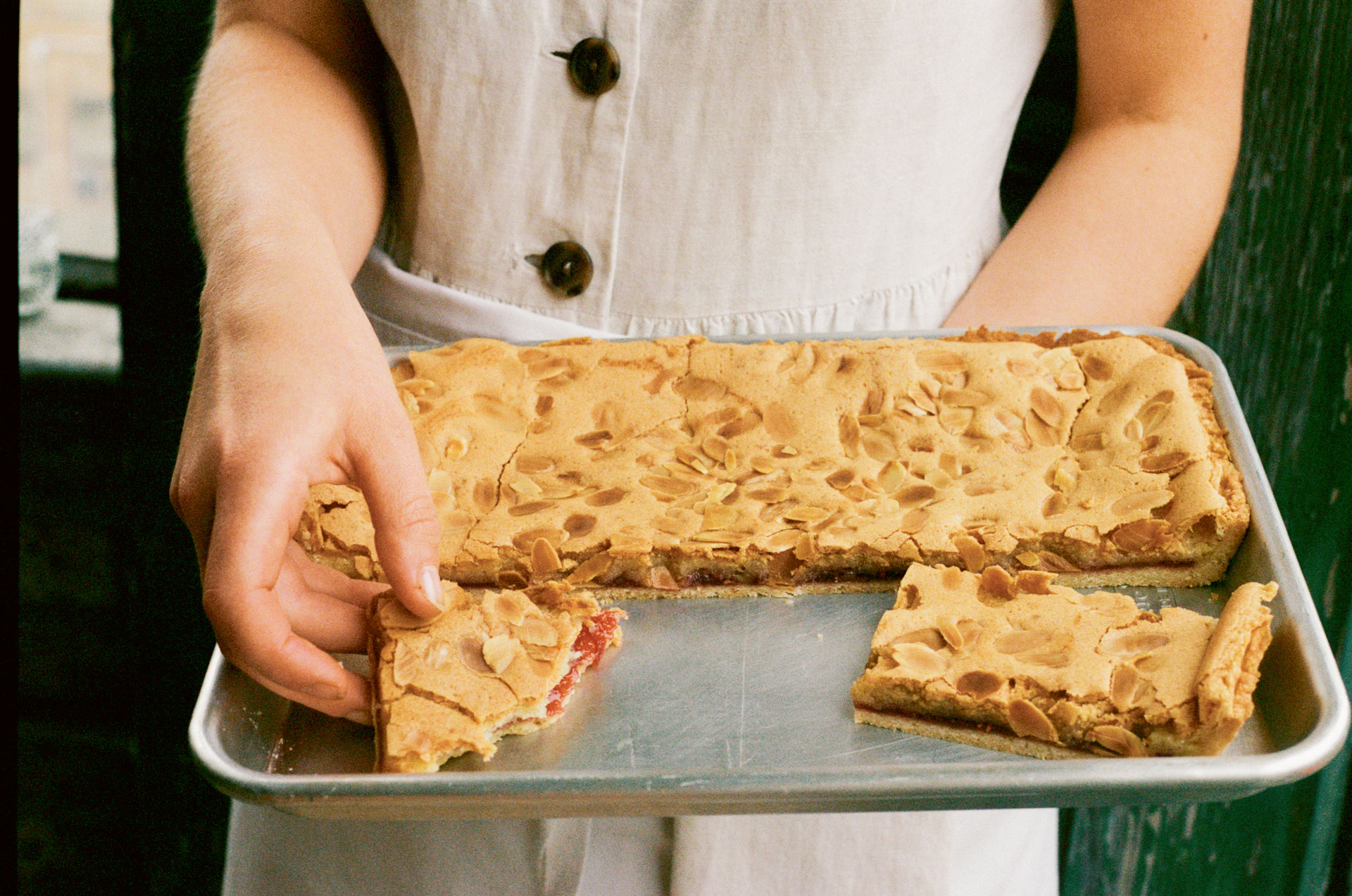
The real insiders know Bakewell’s original dessert icon is actually a pudding, not a tart. ‘Mr Kipling completely invented the icing and cherry on top,’ says Rosie Kellett, chef and author of In For Dinner. ‘Most people don’t know that the recipe originally called for a pudding made with puff pastry and a custardy filling,’ she explains. ‘The tart uses shortcrust pastry and has more of a frangipane-like filling.’ For an authentic Bakewell, she recommends heading to The Bakewell Tart Shop, where she worked as a teenager. ‘My favourite is a slice of the tart from their large traybake, which has the perfect size and ratio of pastry to filling.’
The Most Indulgent Ulster Fry in Ireland
Grand Café, Belfast
The key distinction between an Ulster and Irish fry is that the former offers both potato bread and soda farls – carb overload – whereas the latter usually includes only soda bread. Don’t ask the difference, as they’re made of almost the same ingredients, but farls are basically the Platonic ideal of doughy comfort food. Michael Deane, who is considered the godfather of Northern Irish fine dining, says: ‘If I were treating myself to a breakfast, it would be at the Grand Café at the Grand Central Hotel in Belfast. I’m not having as many of them these days as I’m on a health kick, but you can’t beat simple, local produce cooked with flair and imagination.’
The Sweetest Gypsy Tart in Kent
The Moat Tea Rooms, Canterbury
Kent isn’t all rarebit, says The Beacon’s head chef Scott Goss, who competed for the county on Great British Menu. ‘We’ve got dayboats from Whitstable, native oysters, wild rabbits and birds in feather delivered fresh daily to local pubs,’ he says. ‘And find me a better tasting lamb or hogget in the country than salt marsh!’ The ultimate Kentish dish, though, is the Gypsy tart. This sugar-rush dessert is made with evaporated milk and muscovado sugar, and is best found in Kent’s little tea rooms – try for The Moat Tea Rooms in Canterbury.
Pannage Pork and Venison at the Loveliest Butchers in the New Forest
Sway Butchers, Lymington
The Pig hotels have built up legendary status not least for an uber-local approach to ingredient sourcing. At the original Pig hotel, chef Tom Sheppard recommends one family butcher’s shop. ‘I recommend Sway butchers – great sausages in particular, and fantastic seasonal specialities such as the pannage pork, and local venison,’ Sheppard says. This little butcher’s is currently run by a sixth-generation butcher, David West, who opened up his Hampshire outpost in 1976.