


The Art Of Downsizing With Auriens’ Becca Dent
By
5 months ago
How to manage your space, whatever its size
‘Rightsizing is something we do at every stage of life, and later life should be no different,’ says Julie Fawcett, CEO of Auriens Chelsea, the prestigious later living community for the over 65s. ‘Increasingly, people are looking beyond the idea of “downsizing” and instead focusing on how their home can better support the way they want to live, simplifying day-to-day life in order to focus more energy on the parts of life that bring joy and fulfilment, whether that is family, friends, community, health, wellbeing, or new experiences.
‘A more manageable home can reduce many of the pressures and anxieties that come with maintaining a larger property and navigating the practical challenges of everyday life,’ she continues. ‘Of course, leaving a long-term family home can still involve emotional considerations, particularly when it is a place filled with years of memories and familiarity, and many people naturally question whether it is the right decision for them. However, when people are properly supported through the process, with the right expertise and guidance, the experience can be incredibly positive and enabling, with a retirement community offering the added benefits of reassurance, connection, convenience, and discreet support when needed.’
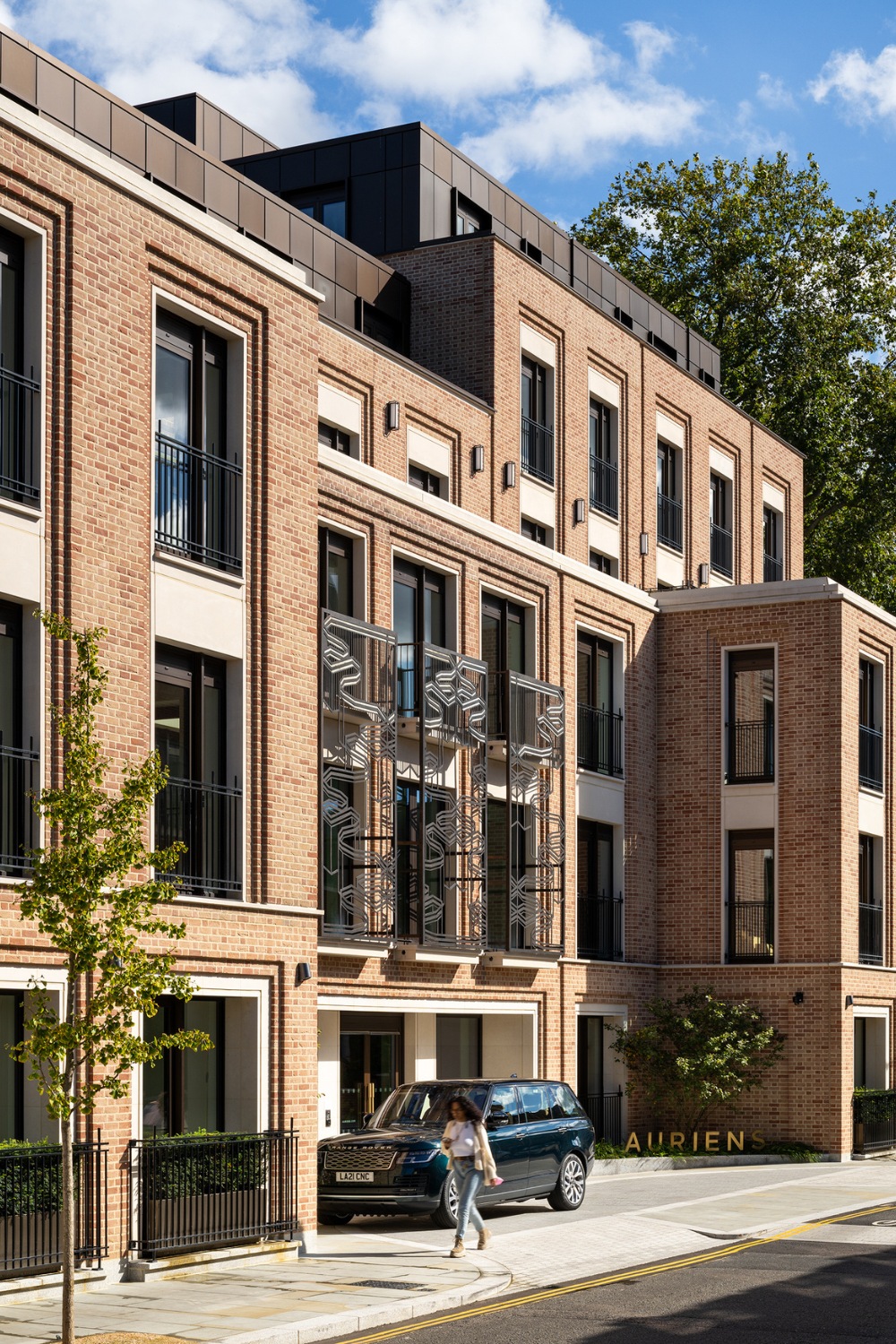
Auriens
With this in mind, C&TH Interiors Editor Carole Annett chats to Becca Dent, in-house interior designer at Auriens Chelsea, about how to downsize without compromising on style or personality.
Auriens’ Becca Dent On Downsizing In Style
Hi Becca, thanks for joining us today. Can you kick us off by telling us about your role at Auriens Chelsea?
I’ve been in the job for three months and I love it. Having an in-house interior design service at Auriens gives residents a personal, ongoing service. I’m here from the very start of the process all the way through to completion. Residents don’t have to rush decisions. They can live in their space first and make choices over time, whether that’s a month later or six months later. It’s really about giving people reassurance and flexibility.
You were a designer at Sims Hilditch for five years prior to this. What drew you to the role?
I was completely blown away when I first saw Auriens. It’s such a fantastic development – the setup, the organisation, the whole atmosphere is really special. I think everyone who walks into the building not only sees it but senses it too. I certainly picked up on that myself.
Many residents moving into Auriens are downsizing. What are the biggest emotional and practical challenges they face?
It can feel overwhelming, both emotionally and logistically. A lot of residents I’ve worked with have lived in their previous homes for many years, creating spaces that are deeply personal and comfortable. The thought of lifting all that up and recreating it somewhere new can feel daunting, both emotionally and logistically. There are lots of decisions – what to bring and what to leave behind. Often, there simply isn’t room for every piece of furniture or possession, and that can be difficult to come to terms with.
How do you help residents through that process?
I always encourage visiting residents in their existing homes first because interior design is such a personal process. It’s really about getting to know the person, their lifestyle, and their tastes. Seeing someone’s current home gives you an immediate sense of what makes them feel comfortable and happy. I’ll measure all of their existing furniture and we’ll discuss which pieces are non-negotiable and absolutely must come with them, versus the ‘nice-to-haves’.
We break the process down step by step. Sometimes that happens in one visit, but often it’s spread across several visits. We focus on key furniture and then look at accessories and artwork later down the line. I then position everything onto plans so we know exactly what will fit and work in the new apartment.
What are some of the biggest misconceptions people have about downsizing?
People often assume downsizing means losing comfort or losing the feeling of home, but it doesn’t have to mean that at all. It’s a delicate conversation. I would never walk into someone’s house and tell them they have to get rid of something. Instead, it’s about talking things through together. Quite often, residents arrive at decisions themselves during those conversations. Sometimes people realise they’ve held onto something for years out of obligation rather than love. At the same time, it’s about getting excited about the potential of something new, while also respecting and incorporating the pieces that matter most. And importantly, it’s not about “throwing things away.” Items can be gifted to family, donated to charity, repurposed, or given a new life elsewhere.
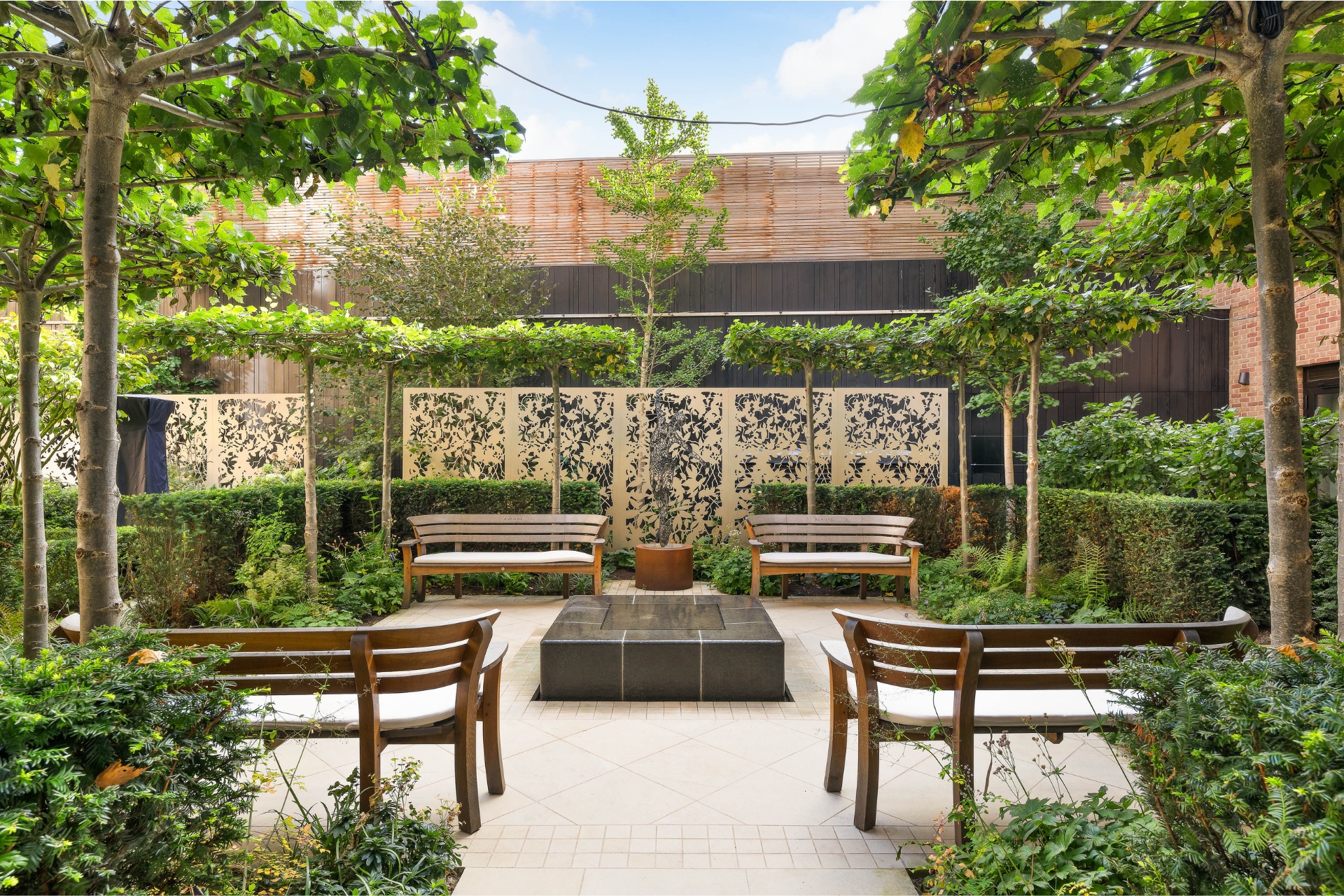
How important is familiarity?
Very important, and I’m always led by the client. I would never impose a particular style or aesthetic. Especially with older residents, they know exactly what they like because they’ve lived with it for many years. We often recreate elements of their previous home because they still genuinely love them. If someone has had the same wallpaper or paint colour for 20 years and it still makes them happy, why change it? Familiarity and continuity can be incredibly comforting, so it’s really about creating a space that still feels like them.
What advice do you give people who feel overwhelmed by decluttering?
We work closely with a wonderful decluttering specialist called Joe Price, and she offers a personal, hands-on service. My role is more focused on creating the new life at Auriens and managing the logistics of the move, whereas Joe works directly with residents in their homes, helping them sort through belongings room by room. It’s never rushed. She may work with residents over weeks or even months, helping them decide what to keep, gift, sell, or donate.
How do you make a smaller space still feel luxurious, comfortable, and personal?
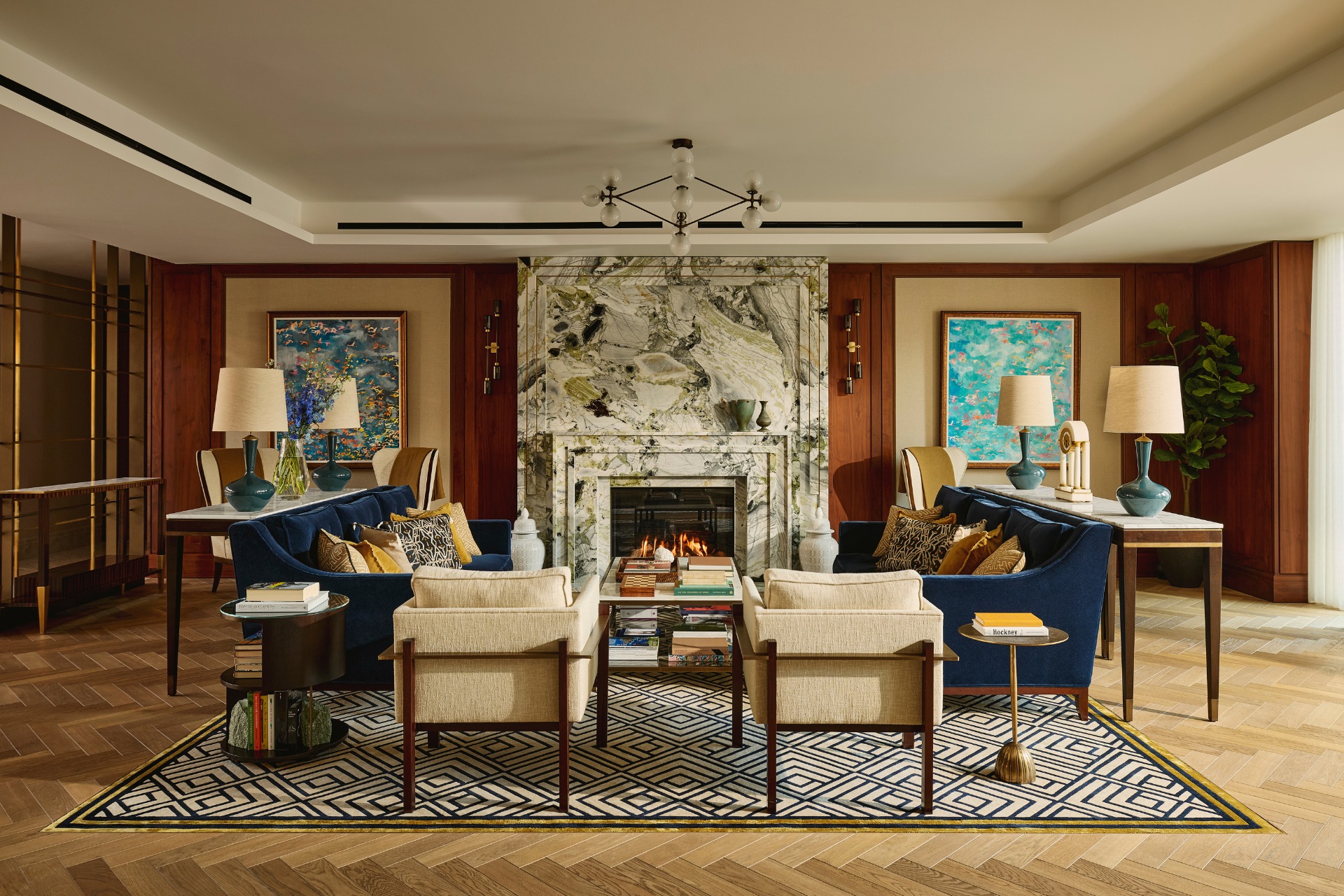
Interestingly, I actually think smaller spaces are often easier to make feel cosy and homely than very large rooms. It’s all about proportions, flow, and zoning the space properly – creating areas for reading, dining, relaxing, or entertaining, depending on the resident’s lifestyle. Then it’s about layering textures, materials, colour, lighting, and artwork. Those personal touches are what truly make a home feel warm and lived in. I love incorporating existing furniture and meaningful pieces because if everything is brand new, it can sometimes feel harder to create that sense of home.
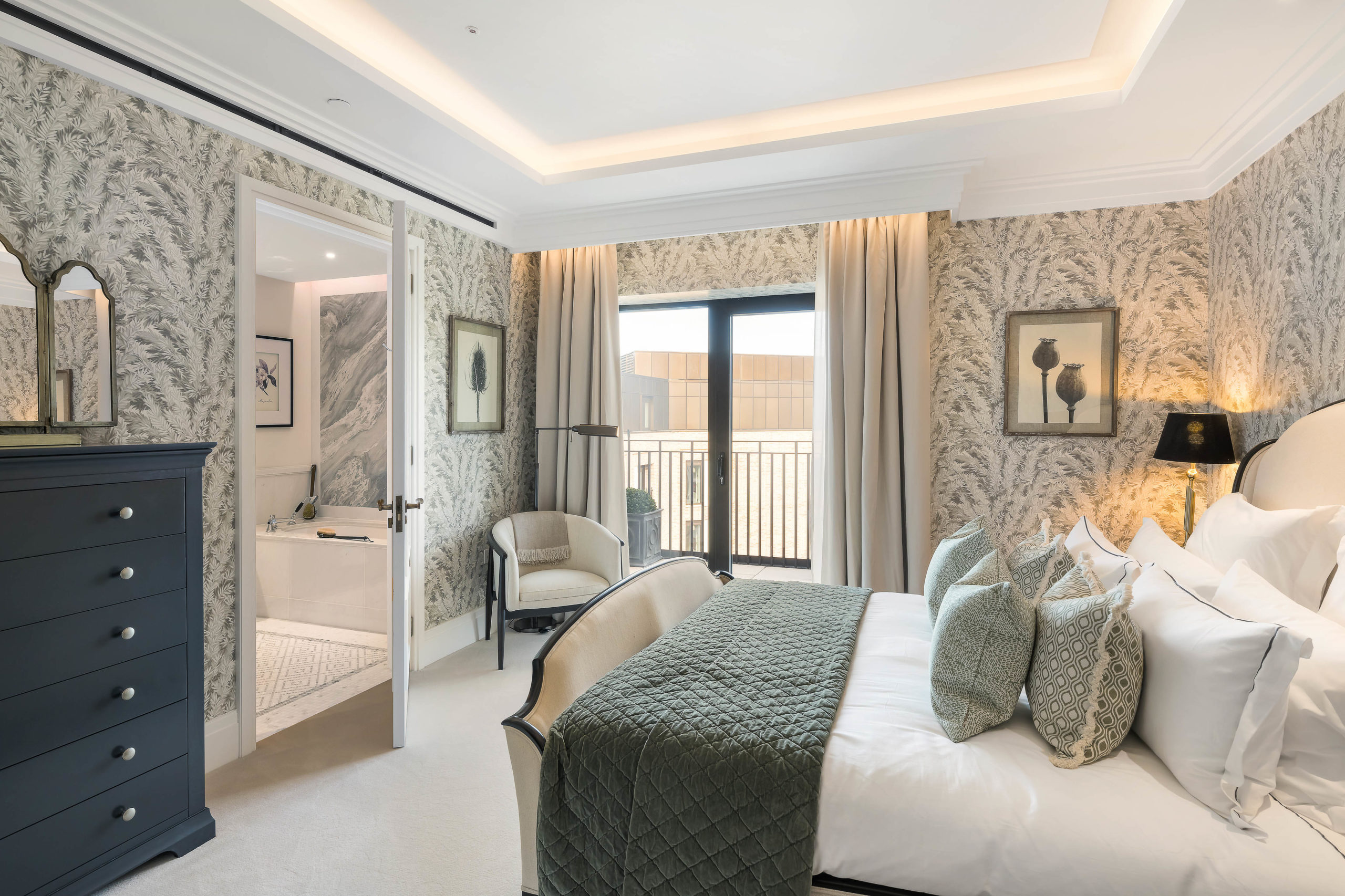
Do you help residents source furnishings and finishes?
Yes, absolutely. So far, it’s mainly involved putting together presentations with options for fabrics, lighting, furniture, and finishes, and then reviewing them together. Sometimes we’ll sit in a resident’s apartment and look at options online together, experimenting with ideas in the space. I haven’t been out and about shopping with anyone yet, but I’d absolutely be open to doing that if a resident wanted to.
What do you enjoy most about your role?
Honestly, I feel very privileged every time I’m invited into someone’s home. It’s such a personal thing to be part of. Being trusted to help people through such a significant life transition is incredibly special, and I really enjoy being part of that journey with them.
Discover