


Know Your Knots: The Return Of The Tie
By
1 hour ago
No need to tie yourself in knots over this one
The tie has spent the past few years on the sidelines, an office relic pushed aside for open collars and elevated loungewear. Now a younger generation is bringing it back, for reasons that have nothing to do with the workplace. Shane C. Kurup explores how men are embracing the tie in ironic fashion.
The Return Of The Tie, 2026’s Biggest Menswear Trend
For many men, donning a tie was once a coming-of-age ritual: your father teaching you to knot your house colours to pass muster at the school gates, the final flourish to a borrowed two-piece for your first job interview. The tie was a sartorial beacon of conformism, of respect for yourself and the wider world.
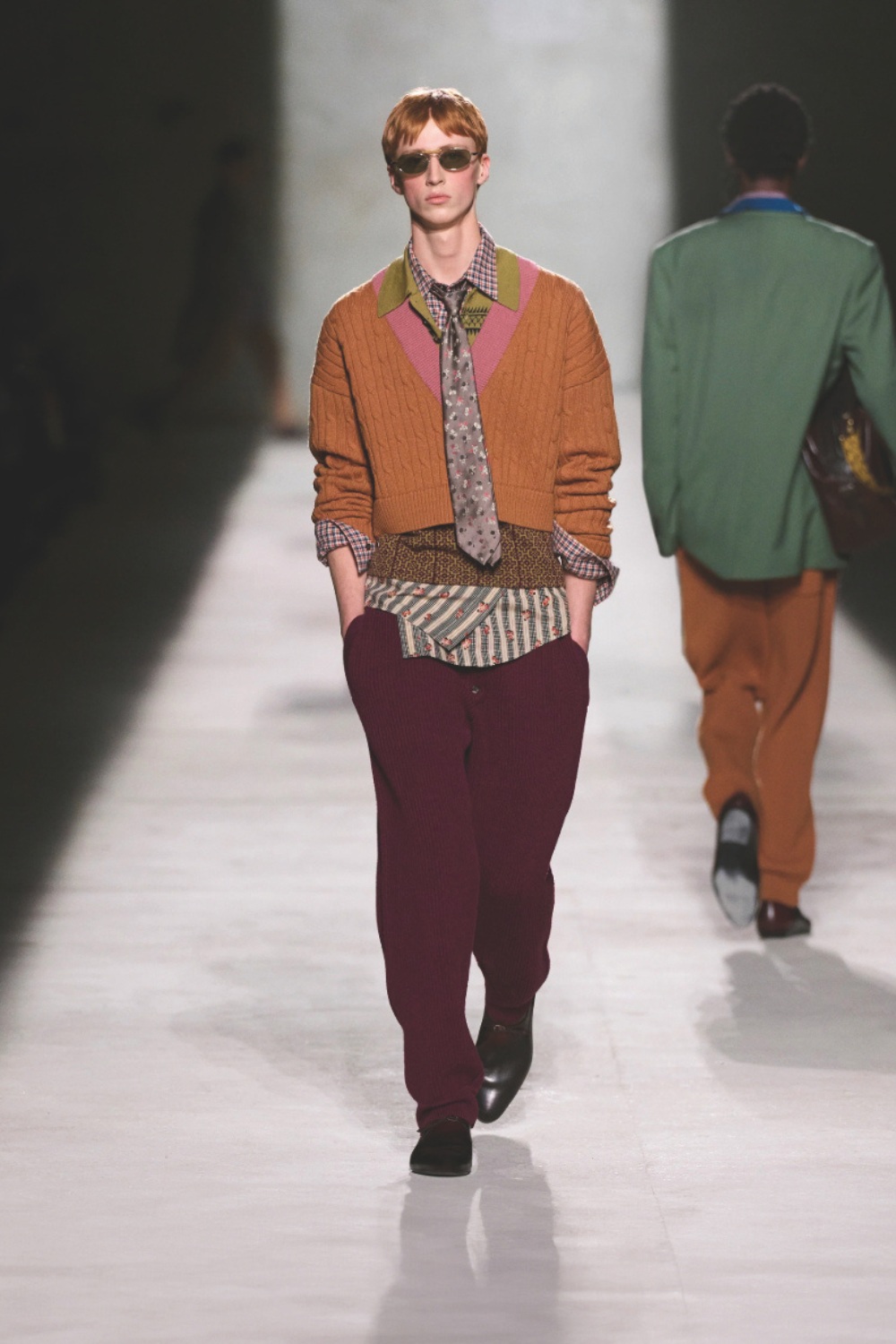
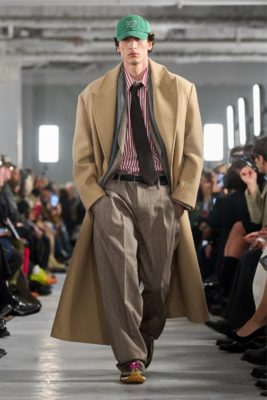
Ties were on the runway at Dries Van Noten
It seems ironic then, in our post-pandemic world of muftis, that the young and restless are refashioning the tie as a symbol of rebellion – one of several tailoring staples enjoying a comeback this season, alongside power coats, pinstripes and workbags. ‘The tie never really disappeared, it just shirked its obligation,’ explains Favourbrook founder Oliver Spencer. ‘What we’re seeing now is a younger generation rediscovering it on their own terms. It’s a styling tool rather than a uniform, and that shift from necessity to choice is driving its resurgence.’
The blurring of the lines between casual and formalwear has something to do with it, too. Joshua Roberto Scacheri, design director at Gieves & Hawkes, certainly thinks so: ‘People have grown tired of the joggers and hoodies which have dominated recently. There’s been a natural desire to dress with more intention.’
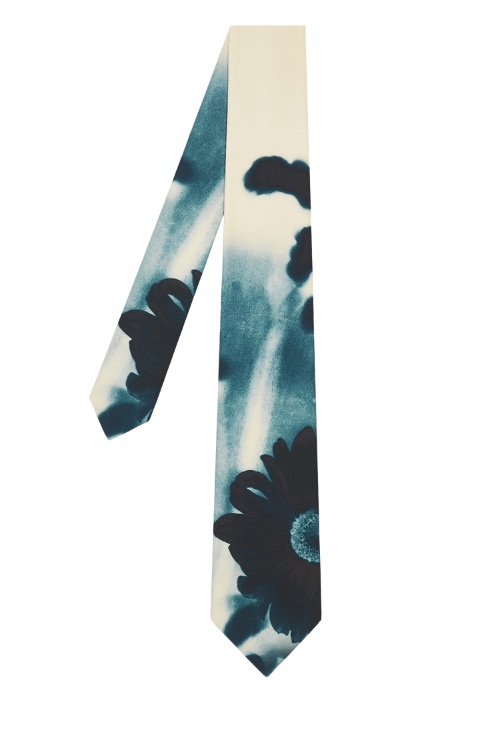
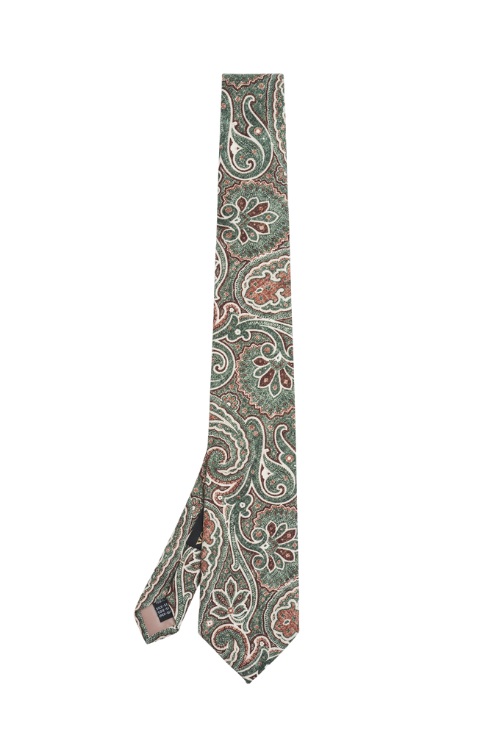
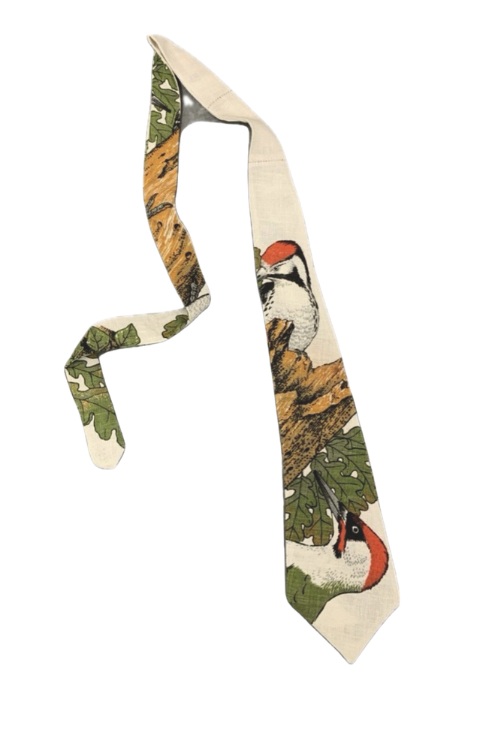
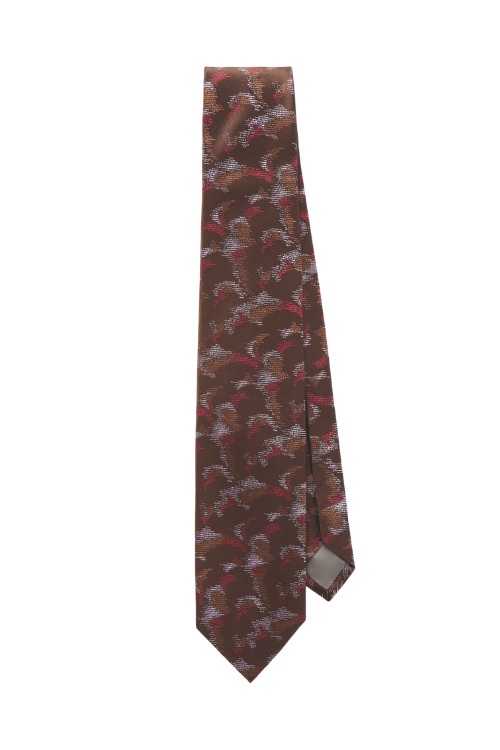
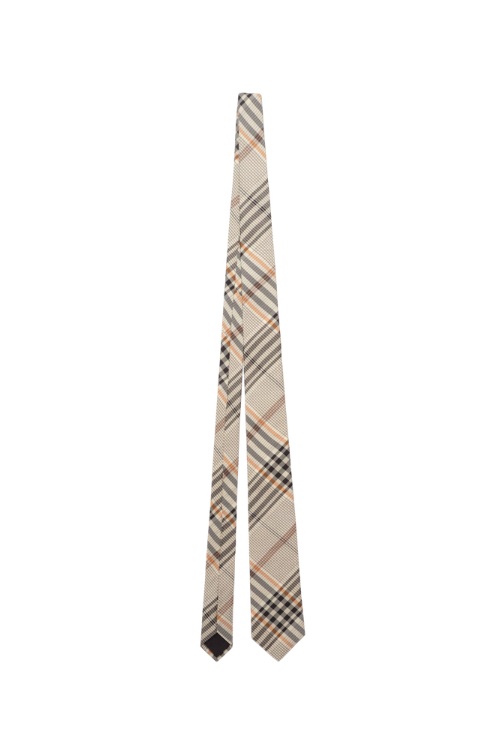
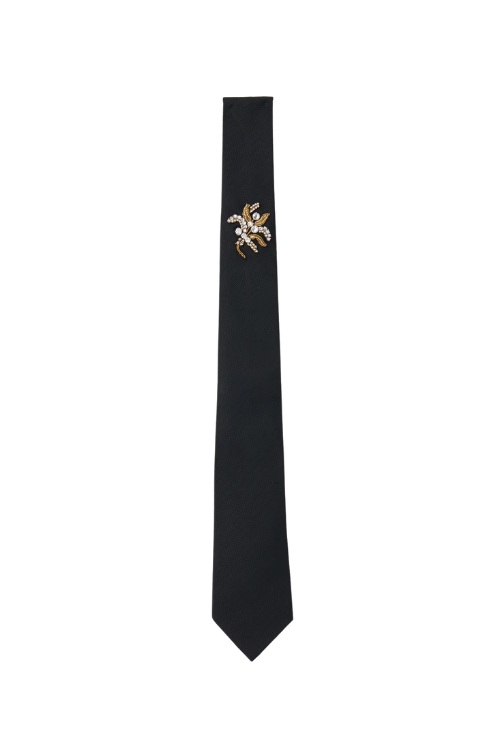
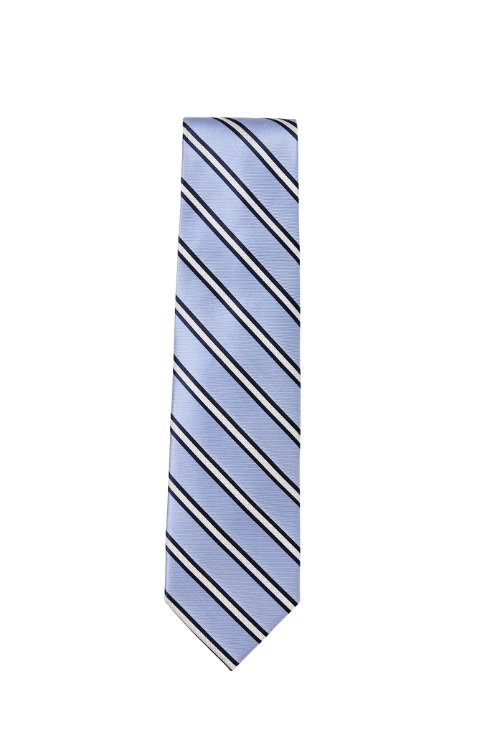
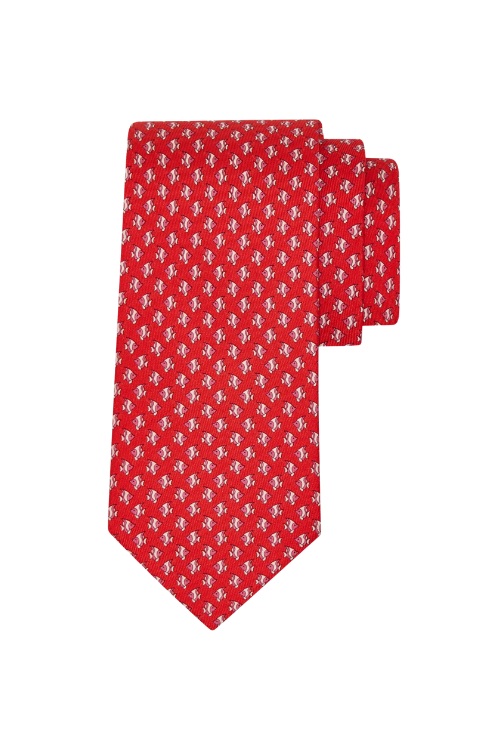
Part of the tie’s renaissance is the unexpected ways it’s being styled: regimental stripes, natty foulards and 80s abstract-print silks are being worn excessively long, a touch short, layered up, undone, tucked in or backwards. Ties have also become ubiquitous on the runways, seen at recent shows from Dries Van Noten, Celine, Paul Smith, Ferragamo and Auralee. ‘Younger creatives are mixing tailoring with casual pieces instinctively. Musicians and designers tend to get the balance right,’ says Spencer, citing Pharrell Williams and K-pop figures as benchmarks. Scacheri agrees that figures like Harry Styles are a catalyst for wearing ties in unorthodox fashion.
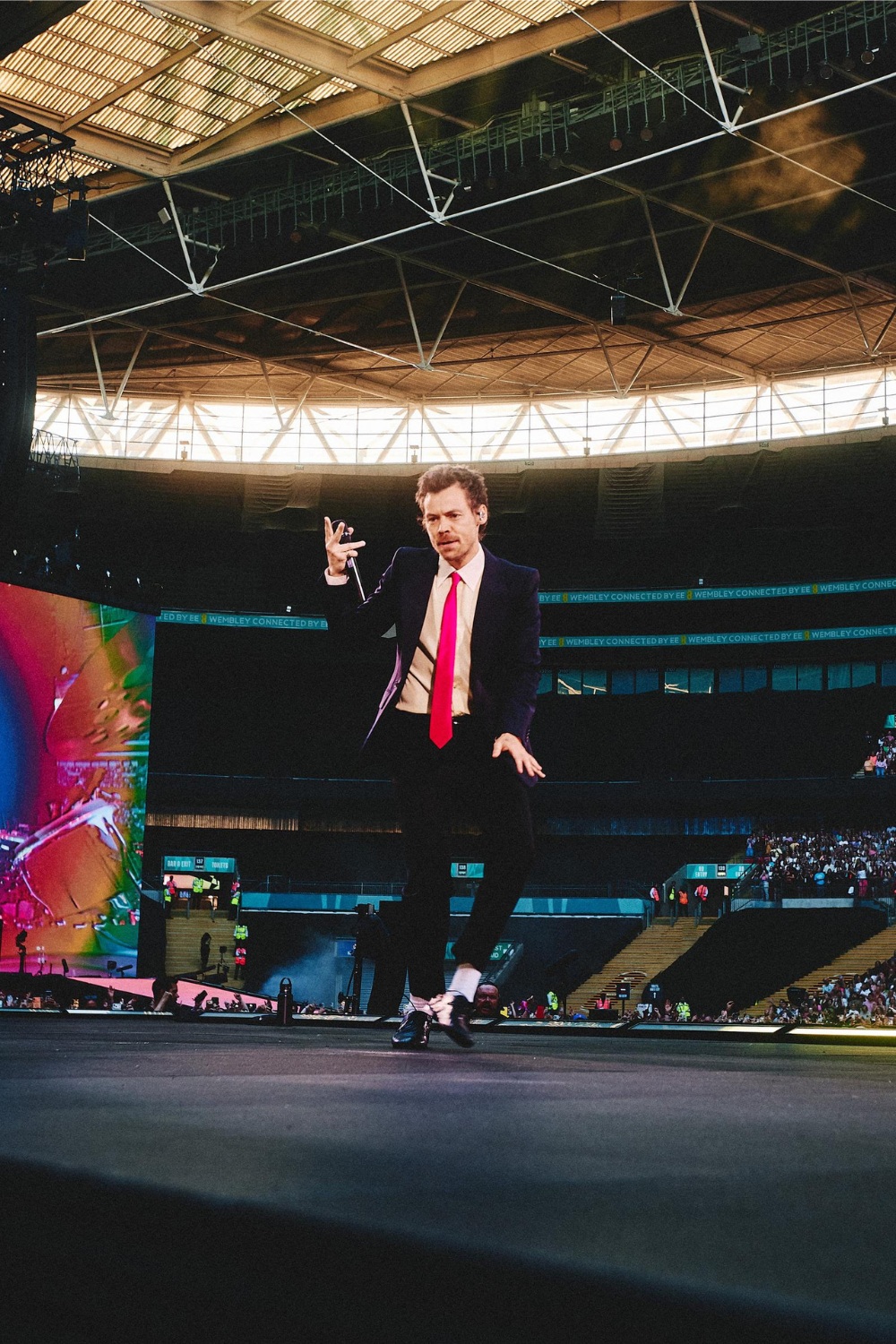
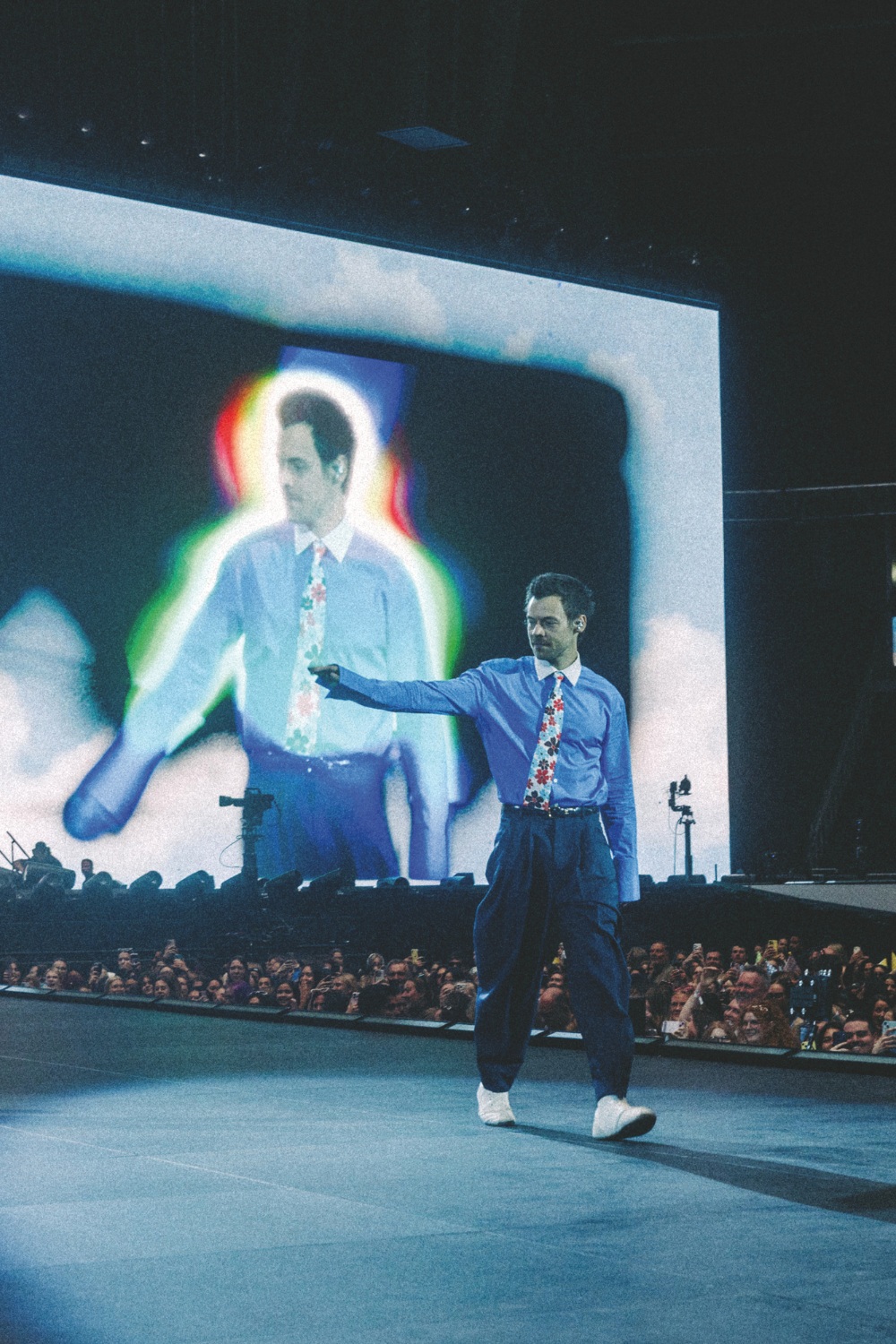
Harry Styles’ new era sees the singer wearing shirts and ties at most of his gigs on the Together, Together Tour (photo credit: McQueen)
When digging out your own ties, there are some styling principles to consider. Balance and ease are key: don’t pair too narrow a tie with wide lapels, and be more nonchalant with your knotting technique. ‘Wearing a tie today is about contrast. I like it paired with softer tailoring or even workwear. The knot shouldn’t feel too rigid – a slightly imperfect four-in-hand works well, rather than a chunky Windsor knot,’ says Spencer.
If you’ve cleared out all your ties in favour of gorp-athleisure, there are plenty of great options on the market. Spencer advises focusing on proportion, cloth and construction. ‘Texture is key: knitted and washed silks, or lightweight wool – something with character and tactility – and a proper interlining so it knots cleanly and holds its shape.’
However you decide to re-fashion your tie, this is no longer Gordon Gekko’s world of pinstripes and taut tailoring – so remember to loosen that knot a little.
Shop The Edit