





Dusking: Could This Dutch Ritual Boost Wellbeing?
By
2 months ago
The ancient tradition is about finding joy in darkness
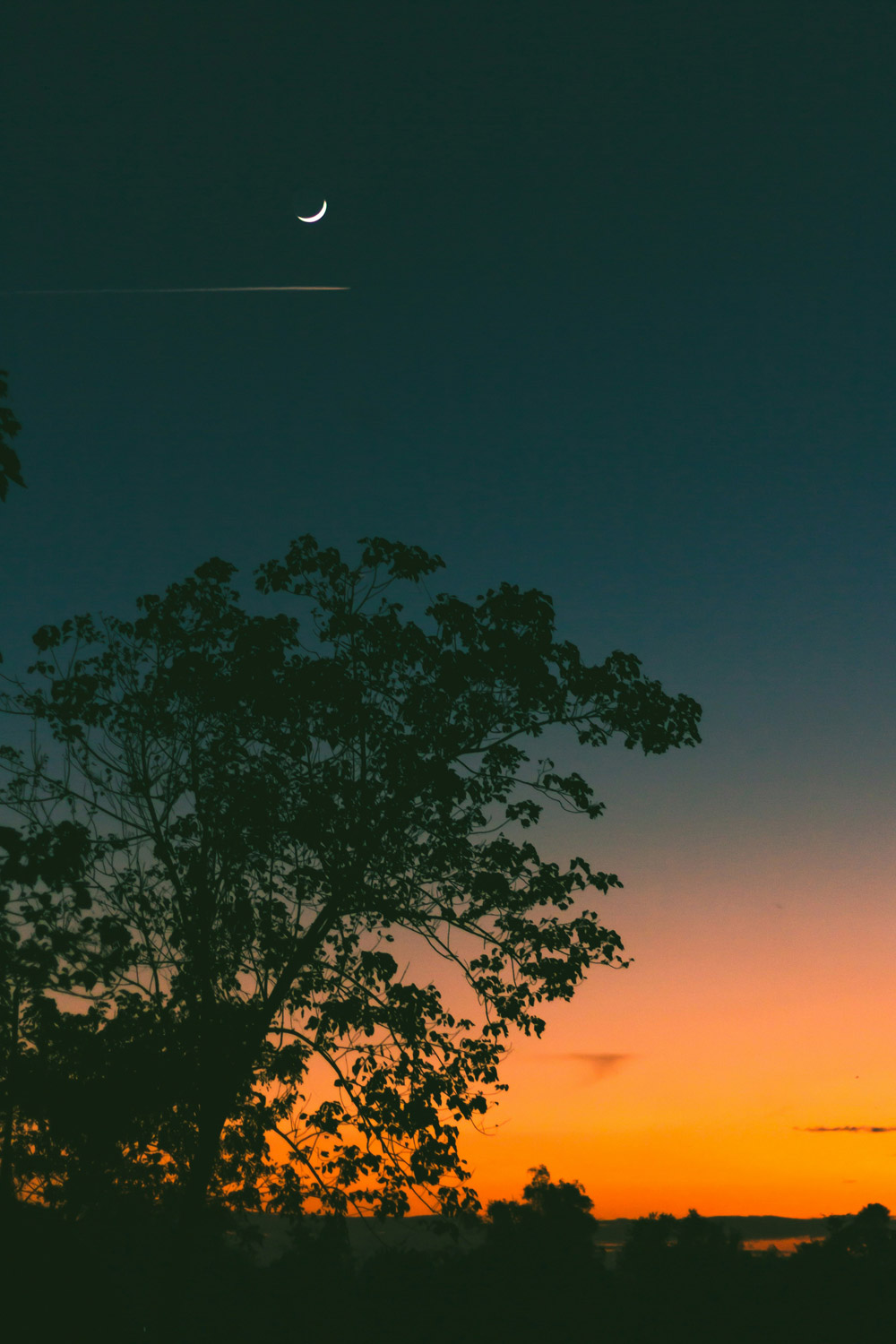
As the sun dips down below the horizon and casts its warm glow, dusk can feel somewhat magical. But have you ever simply sat and watched it fall? No lamps, no candles, just quiet reflection as the light fades into darkness, marking the transition from day to night, from work to rest. Turns out this practice has a name, dusking: an ancient ritual rooted in Dutch culture, which author and poet Marjolijn van Heemstra aims to bring back at this year’s Dark Skies Festival.
What Is Dusking?
The tradition of dusking has roots in the Netherlands, when people would gather together at twilight to watch the day fade into darkness and leave the lights off for as long as possible. This was a way to save energy, but it was more than that; the practice also offered a chance to congregate and end the day together in a mindful way.
Writing in Big Think, van Heemstra says she came across the term on a night walk she’d organised. Initially, she was worried about the participation of a woman in her late 80s – the walks take place after dark in forests full of loose branches. But, writes van Heemstra, ‘this octogenarian moved along the paths supple as a song’, afterwards saying she was ‘used to some darkness’ having ‘spent a lifetime “dusking”’. In response to van Heemstra’s puzzled look, the woman went on to explain how, growing up on a farm, every evening at sunset she would sit with her parents and three sisters and watch the night take over. It was the cosiest moment of her day, something she’d always look forward to.
Although van Heemstra couldn’t find any official research, she gathered anecdotal evidence of dusking being a real pastime – one which gradually faded with the arrival of electric light. But she argues that the ritual could be even more impactful in the modern day, hence her upcoming session at the Dark Skies Festival in which she hopes to showcase the joys of dusking to a new UK audience.
What Are The Wellbeing Benefits?
In today’s non-stop hustle culture, it’s rare that we sit and do nothing. But intentional moments of pause can offer many benefits for our mental wellbeing – studies show mindfulness can reduce stress and anxiety, boost sleep quality, and develop better self-acceptance. The Dutch are well-versed in the art of doing nothing: niksen, which translates as ‘doing nothing without purpose’ is another wellness concept entrenched in their culture which went viral in 2019 as a way to combat burnout.
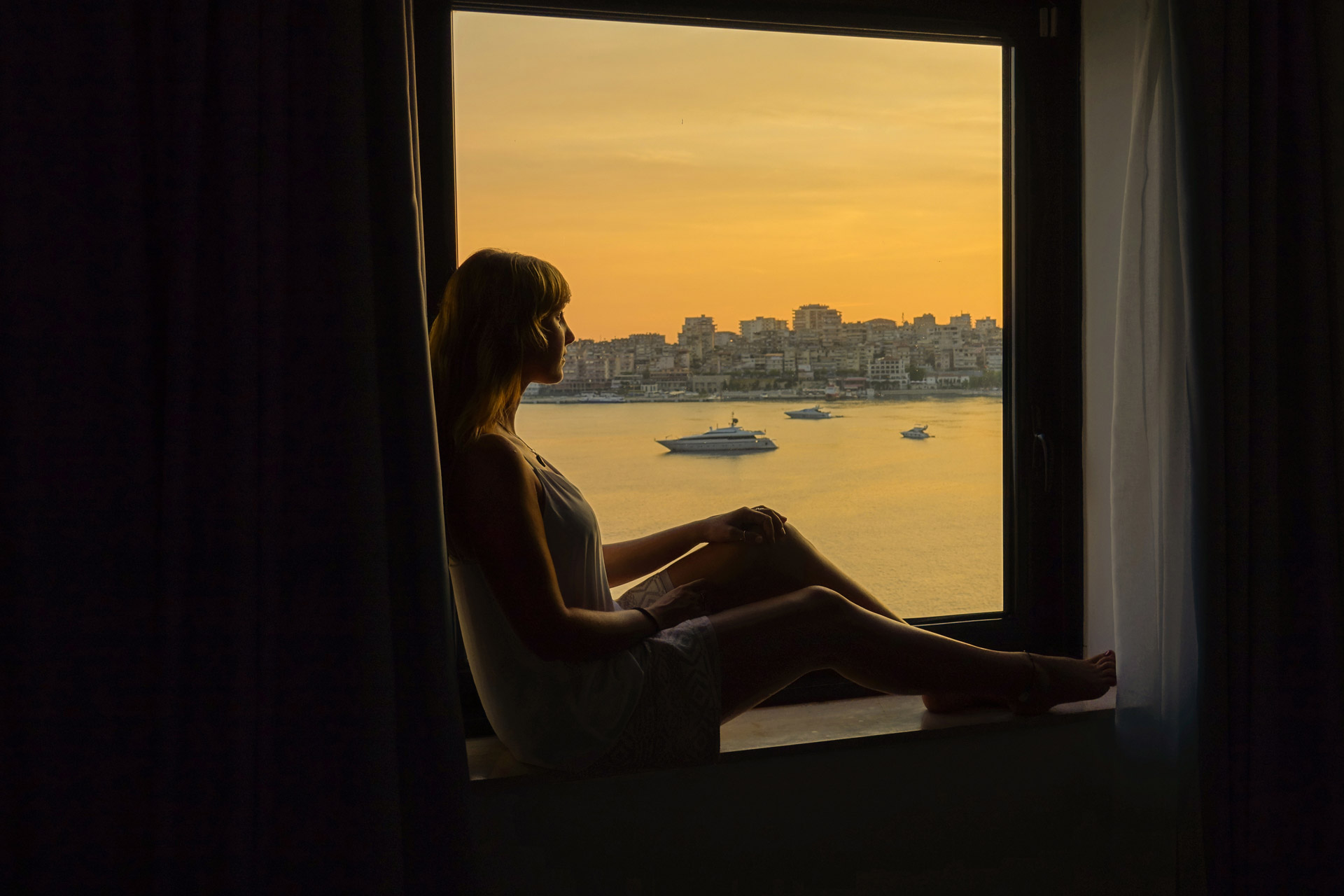
Dusking feels like an extension of niksen, encouraging us to sit and contemplate with no ulterior motive – but the light-to-dark element brings a new dimension. ‘Twilight reminds us that we live in slow but continuous transformation – that day and night are not opposites but intertwined, and that a world with only light is a lie and the greatest change is often hidden in plain view,’ writes van Heemstra. ‘And all of that for free. A chair and a view is all you need.’
Getty Images
She argues, too, that seeing the world in darkness can spark creativity, citing one ‘dusker’ who reads her interior design magazines exclusively at dusk. ‘When she can’t see the images sharply, she told me, her imagination takes over and populates the interiors with strange shapes and presences,’ writes the author. ‘In a blurred sketch, you invent your own boundaries, and there is dialogue between inner and outer worlds. Even the line between a body and its surroundings dissolves. It’s not coincidental that twilight is the time when, according to legends, a human can merge with a bat, a wolf, or the mist.’
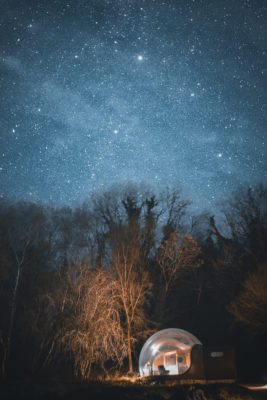
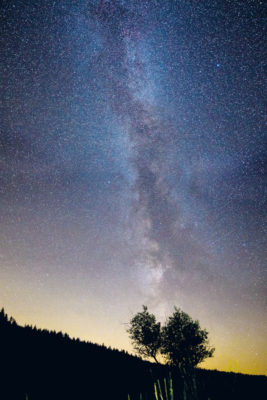
Dusking will be a key focus of this year’s Dark Skies Festival, an annual event which aims to illuminate the beauty of the night sky. It’s a chance to stargaze and learn about constellations, but dark skies also have therapeutic benefits. As Vicky Burton, Marketing Officer at the North York Moors National Park, notes: ‘In a similar way to how the wellbeing benefits of swimming outdoors are now well established, there’s growing awareness that spending time outside in natural darkness can help us too, whether it’s the way darkness can calm busy minds, improve moods, or simply evoke a sense of wonderment at the sight of a starry sky.
‘This year’s festival reflects this, with events designed to guide people and allow them to safely experience just how powerful it can be to spend time under a truly dark sky. We’re particularly excited to introduce the concept of dusking to the UK as an accessible way for people to enjoy the beauty of the National Parks’ pristine night skies at twilight, supporting their own wellbeing.’
Where To Try It
The Dark Skies Festival takes place from 13 February to 1 March 2026 across four protected landscapes: North York Moors National Park, Yorkshire Dales National Park, Nidderdale National Landscape, and Howardian Hills National Landscape. During the event, van Heemstra will introduce visitors to the concept of dusking through a special session, featuring a sound recording she’s created which combines music and narrative.
Find out more at darkskiesnationalparks.co.uk