





Is Red Light Therapy Worth The Hype?
By
6 months ago
Science-backed benefits and how to choose an at-home device
Red light therapy has become one of the most talked about wellness tools of recent years. But does the science stack up? Our contributing health editor, nutritionist Kim Pearson, shares the evidence-based benefits, as well as what to look out for when purchasing a device.
Red Light Therapy: Everything You Need To Know
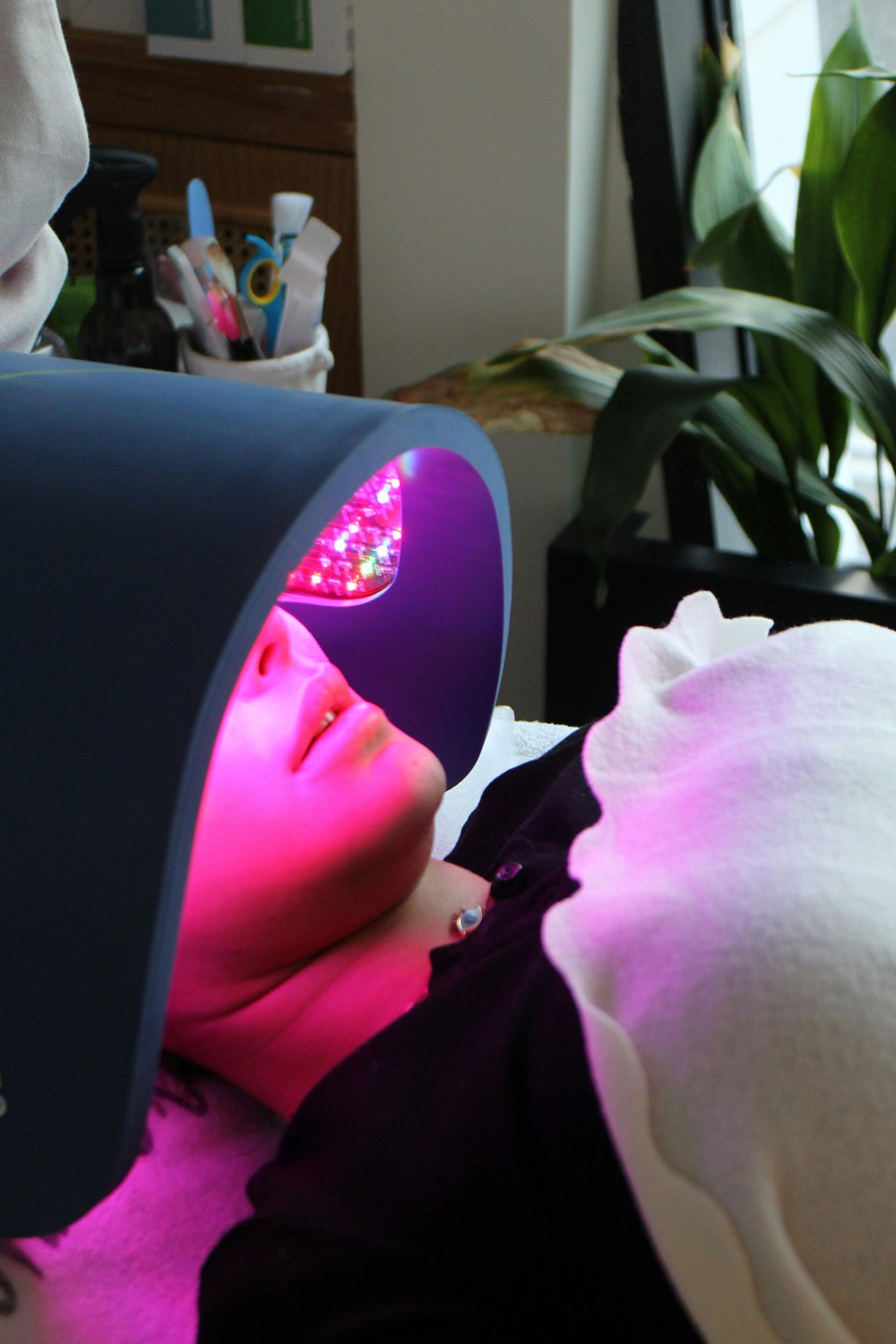
I first came across red light therapy when practicing from medical aesthetics clinics over 15 years ago. The therapists I spoke with often had differing opinions when it came to treatments, however one thing they all agreed on was red light therapy. I’d often put myself under the Dermalux during my lunch break and soon saw why they were such fans. Whether it was speeding up the healing of a breakout or retinol irritated skin, red light seemed to help fix most things.
Since then, red light therapy – also known as photobiomodulation – has emerged from cosmetic clinics and its popularity has grown significantly. A recent Global Wellness Tech Trend Report from Bon Charge of 7,000 adults across the UK, US, UAE and Australia found that over a quarter of UK adults are now using red light therapy, rising to more than half of those aged 18 to 34. The vast majority of users have adopted the technology within the past two years, highlighting just how quickly interest is growing.
Increased demand has led to a surge in at-home red light devices, from LED face masks and hair growth caps to full body panels and even red light toothbrushes. But while popularity is rising rapidly, it is important to question how much of the hype is supported by evidence, and what benefits red light therapy can realistically deliver.
What Is Red Light Therapy?
Red light therapy involves exposing the face and/or body to specific wavelengths of red and near infrared light. These wavelengths, typically between around 630 and 900 nanometres, can penetrate the skin and are absorbed by structures within cells called mitochondria. Mitochondria are responsible for producing energy in the form of ATP. Research suggests that red and near infrared light may support mitochondrial function, which in turn can influence cellular repair, inflammation and tissue regeneration. This is the biological basis understood to be behind the benefits of red light therapy.
Unsplash
The Benefits
Skin Health & Ageing
Skin health is one of the best studied applications of red light therapy. Clinical studies such as this one from 2009 suggest it may help improve signs of ageing including fine lines, skin texture and elasticity. It is also used in dermatology to support wound healing and reduce inflammation in certain skin conditions. That said, results vary according to the protocol used and the quality of the device.
It is perhaps no surprise, then, that beauty-related goals are now the primary driver behind red light therapy use. The Bon Charge global survey found that skin-focused outcomes have overtaken recovery as the main reason people turn to these devices, with red light face masks emerging as the most widely used format.
‘We often use red light therapy in clinic to help calm inflammation and support recovery after treatments,’ says leading cosmetic nurse Jane Wilson. ‘Patients generally like it because it is comfortable, non-invasive, and easy to incorporate into a treatment plan. Device quality matters though, and I always explain that at home devices are not equivalent to more powerful clinic based systems. If patients express interest in purchasing a mask they can use at home, I recommend NOOANCE ELITE X600.’
Hair Growth
Red light therapy has been shown in studies to improve hair density in some people with androgenetic alopecia (also known as male or female pattern hair loss, the most common form of hair thinning) when used consistently over several months. It is thought to help prolong the growth phase of hair follicles and may support hair thickness, likely through effects on cellular energy production within the follicle and local circulation.
Inflammation, Muscle Recovery & Pain
Red and near infrared light therapy has also been studied in relation to muscle recovery, joint health and inflammation. Some evidence suggests it may help reduce pain and improve recovery following exercise, likely through its effects on cellular energy production and inflammatory signalling.
How To Choose A Device
So if you’re keen to give red light therapy a try, what should you be looking out for? When choosing a device, wavelength is an important consideration. Sue D’Arcy, CEO and founder of iSMART, a leading global manufacturer of LED phototherapeutic devices, shares the evidence-based wavelengths to look out for:
- Red light (630nm): Best for anti-ageing – known for reducing inflammation, encouraging collagen production, and combating signs of aging such as wrinkles and age spots.
- Near-infrared light (830nm): These deeper-penetrating wavelengths are ideal for reducing inflammation and improving healing times. Penetrates deeper into the skin to enhance anti-ageing effects, especially when combined with red light.
- 1070nm wavelength: ‘The latest addition to the skincare toolbox, this deeper-penetrating wavelength is the only one FDA-cleared for tissue healing,’ says D’Arcy.
‘Some consumers believe that more powerful light is always better, but that’s not the case,’ she adds. ‘Higher intensity can actually inhibit cellular responses rather than promote them. Products making claims about extra wavelengths or higher intensities without clinical data may not work as intended – avoid!’
Other things to look for:
- Power output is also important. The light must be delivered at sufficient intensity to penetrate tissue effectively. Many lower cost devices simply do not deliver adequate energy.
- Coverage area and consistency should be taken into consideration too. A device that delivers uneven or very weak light will be less effective than one designed to provide consistent, clinically relevant exposure.
- Devices should meet recognised safety standards, and eye protection may be needed for certain products, particularly higher-powered panels.
- Two devices can look similar yet perform very differently in practice. Look beyond manufacturers’ promises and ensure you research products before purchasing. It’s also important to follow manufacturers guidelines and use the product regularly for the specified time, as recommended.
Ultimately, when choosing a red light therapy device, it is important to look beyond marketing claims. A reputable manufacturer should clearly state the wavelengths used, ideally within the clinically studied ranges detailed above. Devices should also comply with safety standards. Look for products that are CE marked, designed for consumer use, and come with clear guidance on safe use, including recommended treatment times and distances.
Getty Images
Best Red Light Devices
Face Masks
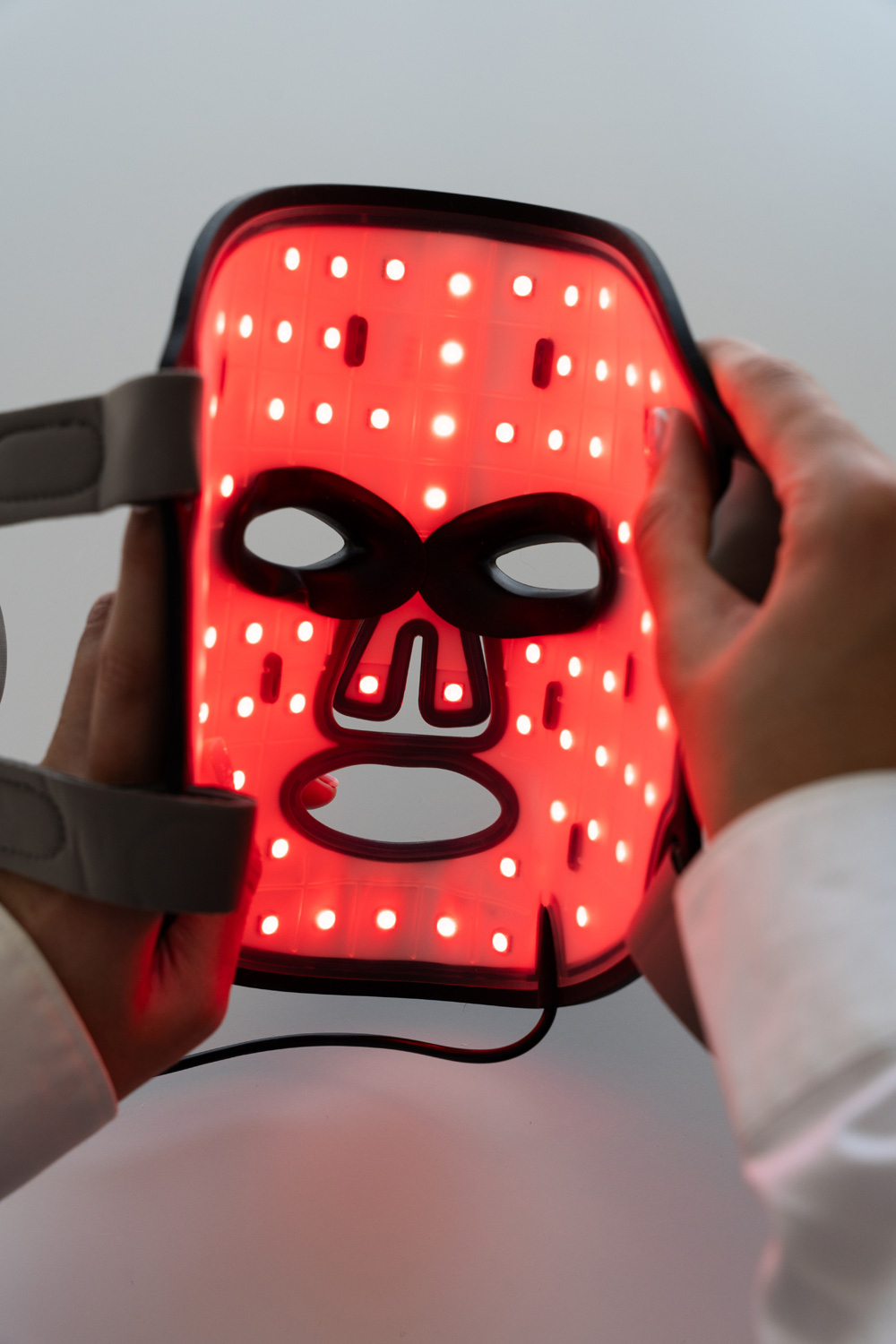
These are among the most popular at home devices. When well designed, they can support skin health, improve skin tone and may help reduce visible signs of ageing. Consistency of use is key, with benefits typically seen over weeks to months.
TRY: NOOANCE ELITE X600 (£599, nooance-paris.com) –Designed to fit comfortably to the face and deliver clinically proven wavelengths, this device is trusted by beauty editors and recommended by leading aesthetic practitioners.
Full Body Panels
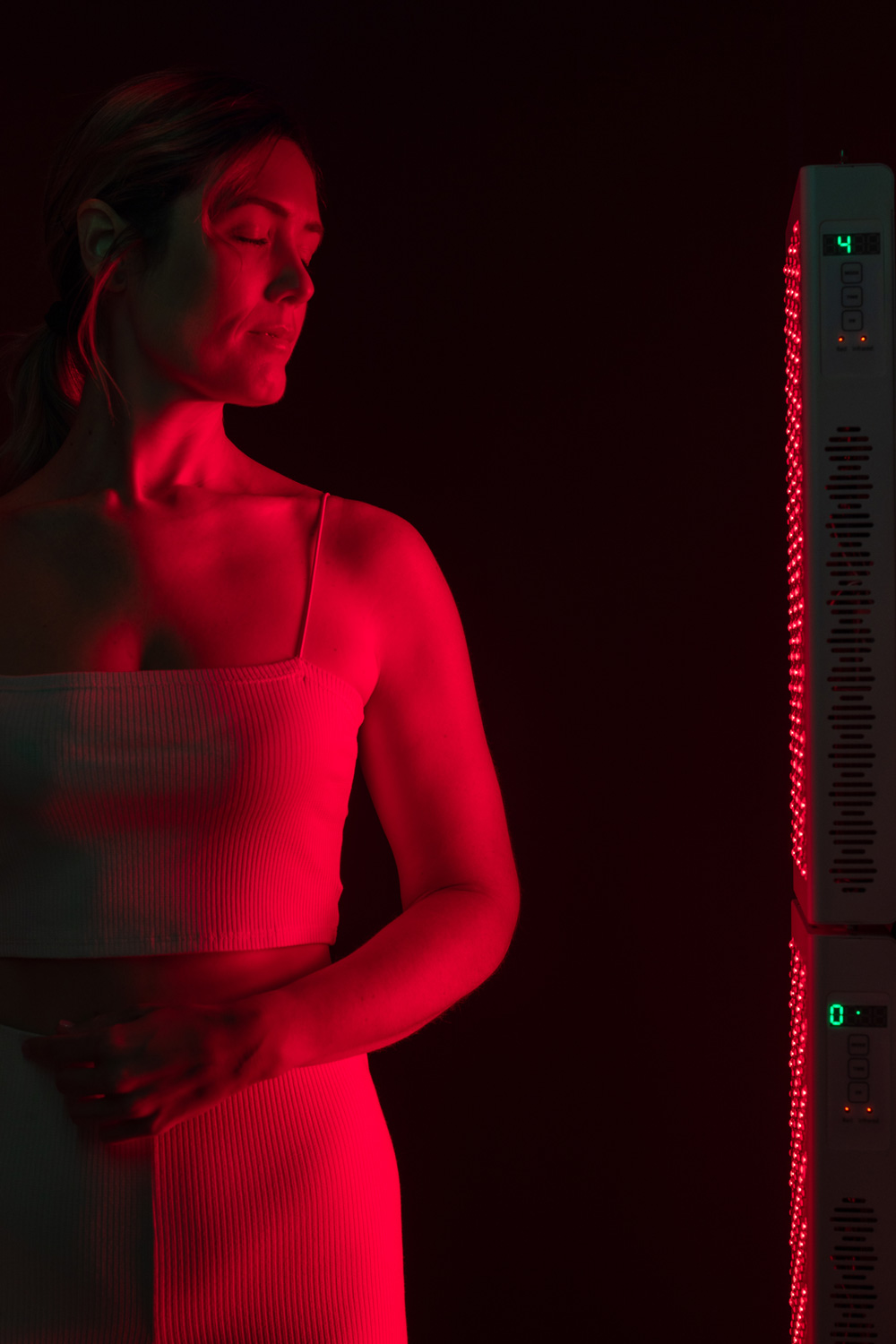
Panels deliver higher intensity light over a larger surface area and are often used for muscle recovery, joint support and overall wellbeing. These are closer to devices used in clinical settings and may deliver broader systemic effects.
TRY: Bon Charge Super Max Red Light Therapy Device (£1,299, uk.boncharge.com) (or upgrade your panel to an infrared sauna dome with red light and PEMF mat for added benefits).
Red Light Hat
Red light therapy caps use low level laser or LED light to target hair follicles. Evidence suggests they can support hair density and slow hair thinning in some individuals, particularly when used regularly over several months.
TRY: HigherDose Red Light Hat (£446.49, healf.com)
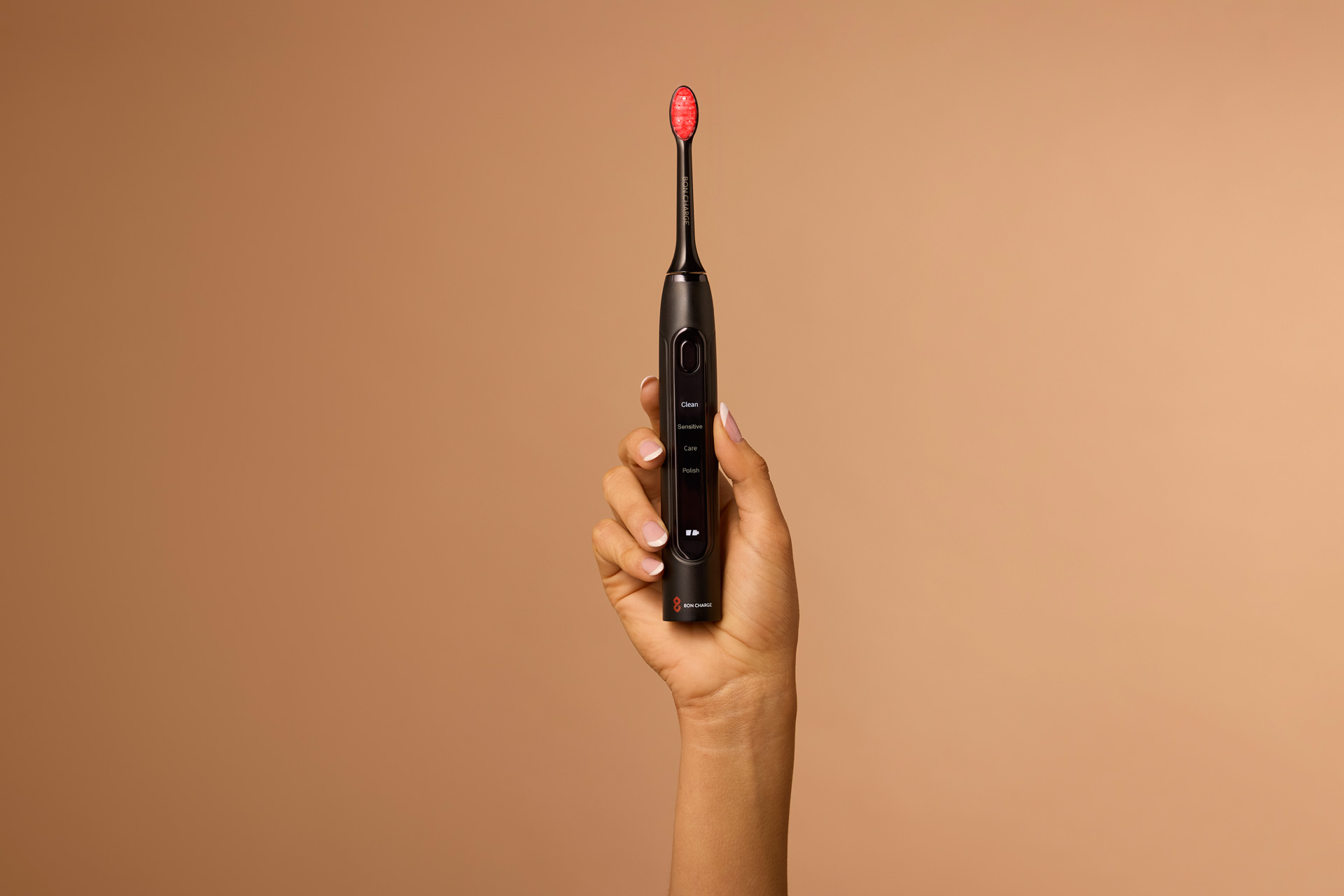
Red Light Toothbrushes
Some newer products, including red light toothbrushes, are marketed as supporting gum health or reducing inflammation. While photobiomodulation has been studied in dentistry, particularly for its potential to support tissue healing and reduce inflammation, evidence for consumer toothbrush devices specifically remains limited. Most research has been conducted in clinical settings or using specialised devices, rather than everyday brushing tools.
The Bottom Line
Red light therapy is a promising and increasingly accessible tool, with credible scientific evidence supporting its use in skin health, hair growth and tissue repair. However, it is not a miracle solution, and results depend on using a high quality device consistently over time. Choosing evidence-based devices is essential to ensure that this therapy delivers on its promises.
Kim Pearson is Country & Town House’s contributing health editor. A qualified nutritionist with almost two decades of clinical experience, Kim specialises in weight loss, metabolic health and longevity. To find out more about Kim’s work, visit her website kim-pearson.com or follow her on Instagram.