


I Tried Bvlgari’s Treasure Hunt Through Milan & Rome, And It Opened Doors Most Travellers Never See
By
3 months ago
Bvlgari’s new experiential treasure hunt, created with IF Experience, turns Milan and Rome into a private cultural puzzle box – unlocking secret gardens, hidden books, closed-door libraries and the modern meaning of luxury travel
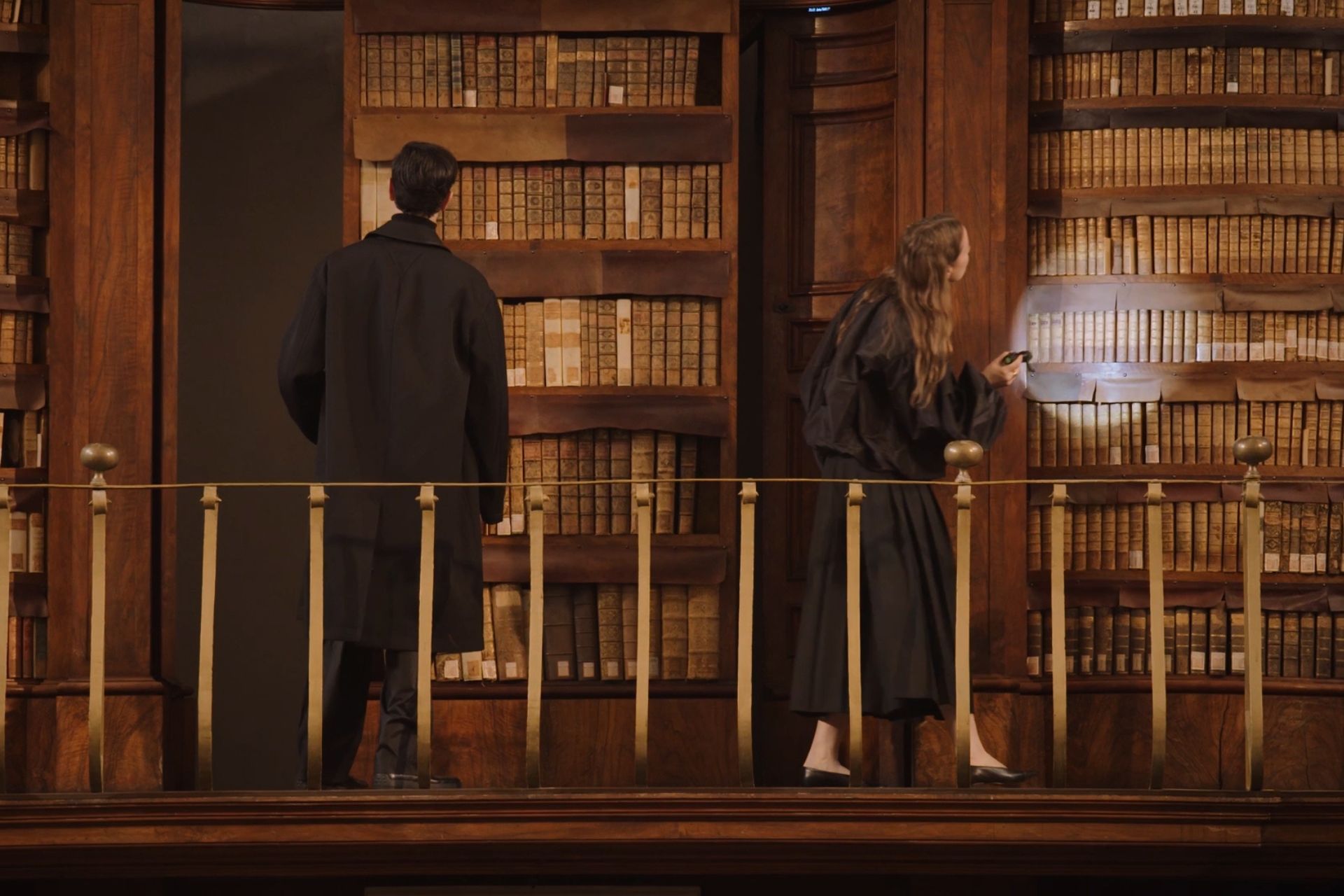
Some hotel experiences involve a welcome drink, a scented towel and a polite tour of the spa. Lovely, of course, and very much the sort of thing one enjoys while pretending not to check one’s phone. Then there are the rare few that make you feel as though you have wandered into the plot of a very elegant film. Bvlgari’s treasure hunt through Milan and Rome belongs firmly in the latter.
On paper, a treasure hunt sounds faintly like a fifth birthday party. In practice, this was less pass-the-parcel, more The Da Vinci Code with better shoes, better lighting and significantly better pasta. Created with IF Experience, the Rome-founded experiential luxury company known for designing private cultural encounters, the concept is not about ticking off landmarks in the usual obedient tourist fashion. Instead, it asks guests to follow clues, decode symbols, and look harder at the city around them.
This, increasingly, is what luxury travel is becoming. Not just the suite, the thread count, the marble bathroom or the champagne placed at the perfect angle, but access. The door that opens when it is usually closed, the book pulled from the shelf or the map folded in your hand. It’s the sense that, for one afternoon, the city has shared something confidential with you.
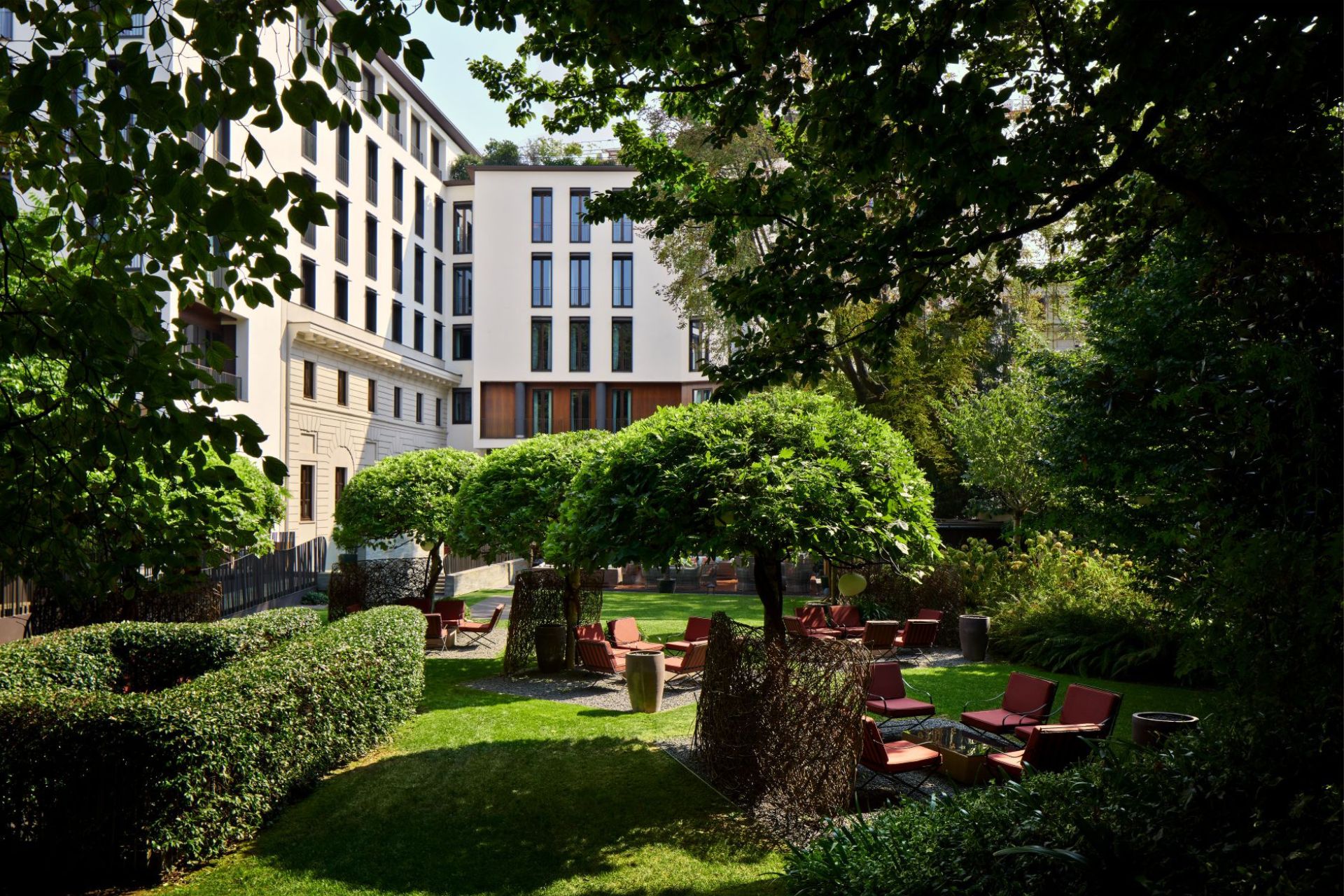
In Milan, the Bvlgari effect begins almost before you have left the hotel. Sitting on a private street in the city’s cultural and commercial centre, between Via Montenapoleone, Via della Spiga, La Scala and the Accademia di Brera, the Bvlgari Hotel Milano building itself is an 18th-century Milanese palazzo. But the mood is sleek, discreet and unmistakably modern: dark glass, polished stone and quiet staff who appear exactly when required, like very chic woodland creatures. Softening it all is the hotel’s 4,000 sqm private garden, a green counterpoint to the tailoring, commerce and high-speed espresso.
It is here that Bvlgari’s newest Milanese pleasure takes place. The Pizza Bar, set within Il Gazebo, is a seasonal pop-up developed with Pier Daniele Seu, the Roman pizzaiolo considered one of the most inventive voices in contemporary pizza. His signature dough is matured for 30 hours until it becomes light, airy and just the right chewiness. The menu features eight pizzas: refined classics such as Margherita DOP alongside more contemporary compositions including Variazione di Zucchine (courgettes), Formaggi e Limone (cheese and lemon) and Cocktail di Gamberi (shrimp cocktail). They are made to be shared, which is very useful, as the moment they arrive everyone immediately wants a slice of everyone else’s. Bellavista Franciacorta wine is poured, cocktails have been created specifically for the Pizza Bar, and the whole endeavour is framed by Bonacina’s iconic handmade rattan furniture designs.
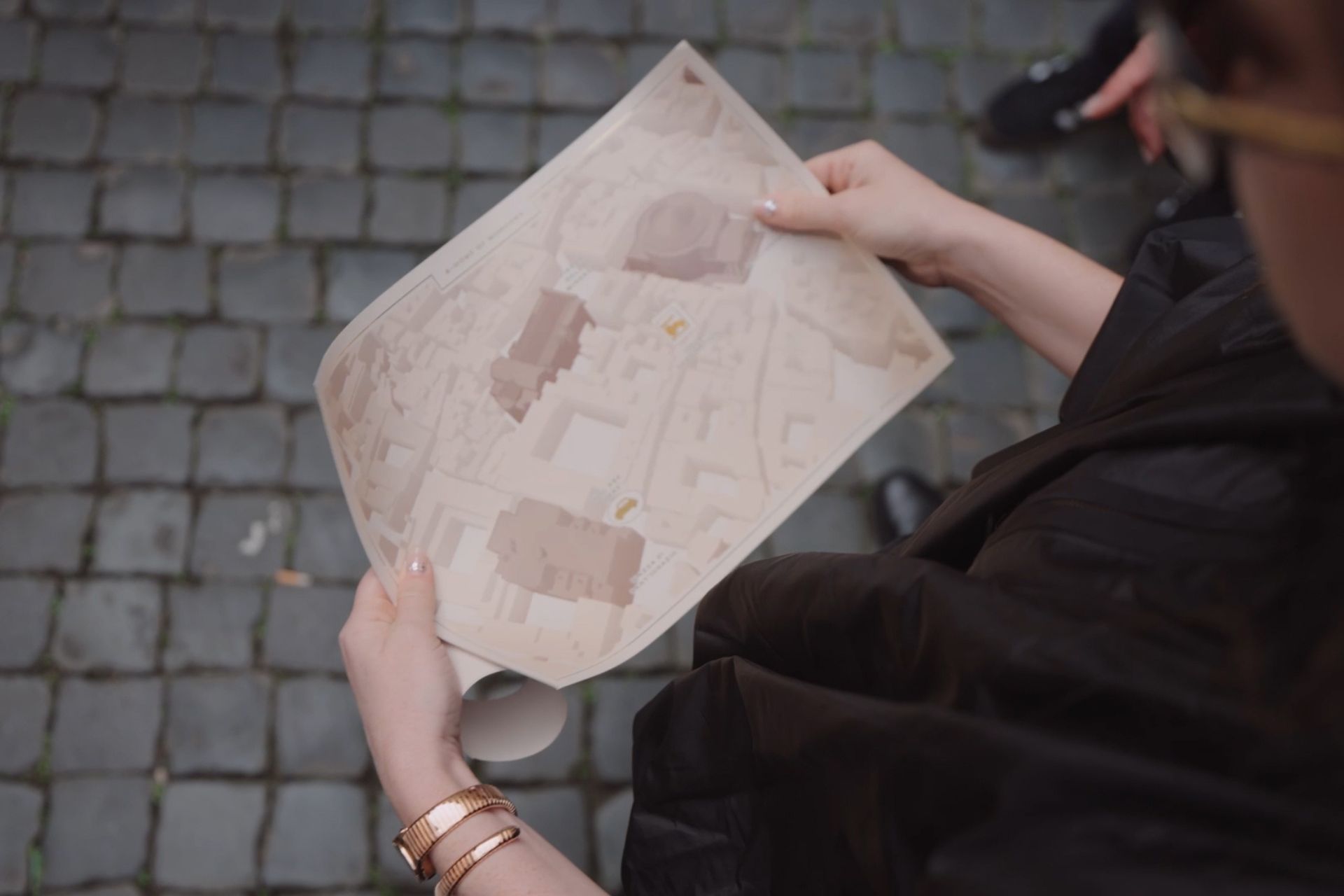
But the real point of the trip is the treasure hunt itself. Armed with a map and the sort of competitive energy I usually reserve for sample sales, we followed clues through streets, courtyards and cultural sites, trying to spot the IF Experience team hiding in plain sight. Sometimes they were waiting with the next envelope, sometimes they simply smiled in a way that suggested we were either close to solving the clue or about to humiliate ourselves in front of a Renaissance doorway.
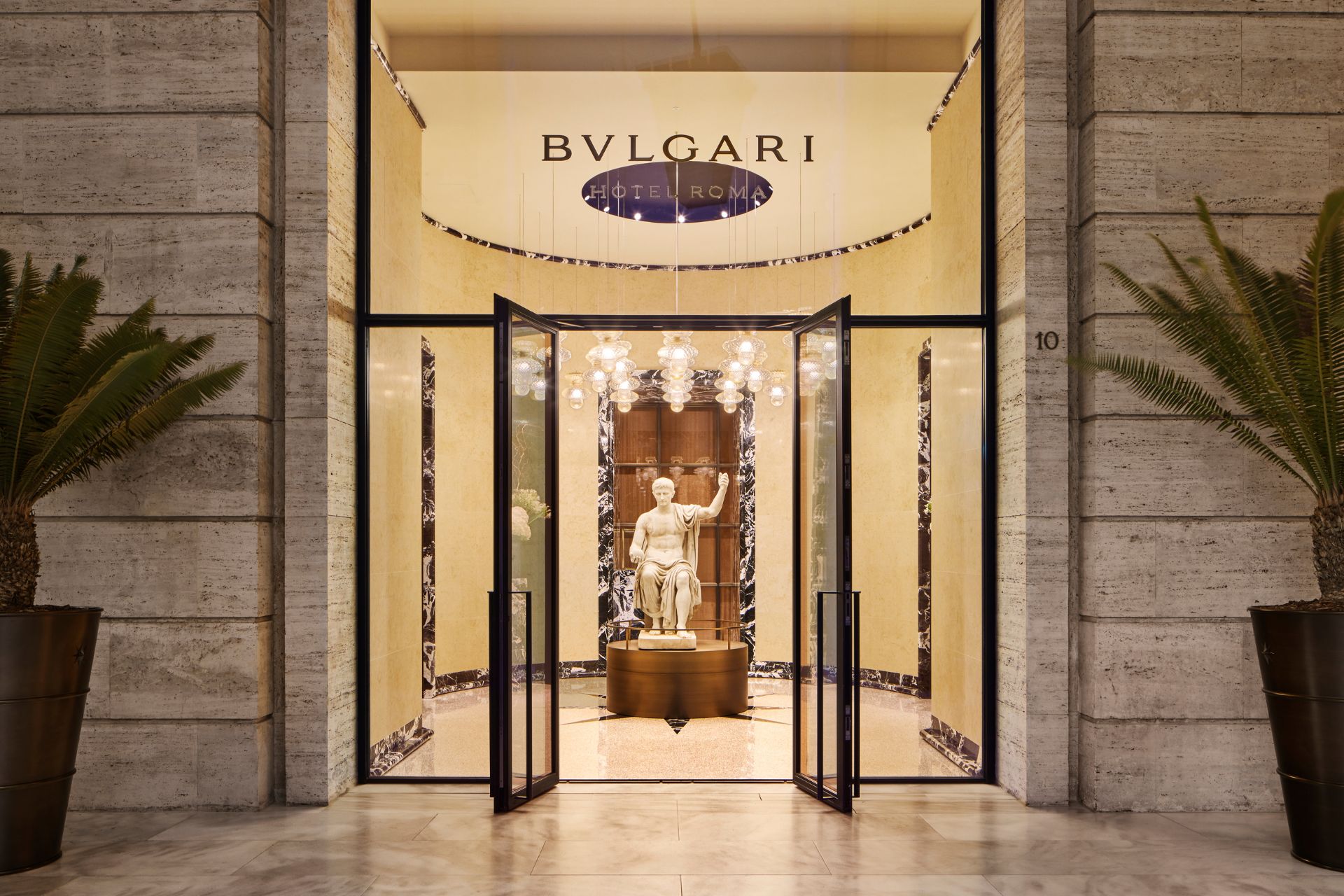
There is something deeply pleasurable about being forced to really look at a city. Not glance, scroll or even photograph but to merely look. A symbol above a door, a date carved into stone, a Latin alphabet, a book spine or a garden path are the focal point of the experience. Suddenly Milan and Rome stop being backdrops and start becoming puzzle boxes with Rome, naturally, raising the theatrical stakes. The Bvlgari Hotel Roma, set in Piazza Augusto Imperatore with views towards the Mausoleum of Augustus, is itself a statement of Roman glamour: 106 rooms and suites, a Bvlgari Dolci boutique, a spa inspired by ancient Roman baths, and Il Ristorante – Niko Romito on the fifth floor, with views over the Mausoleum (more on this later).
The highlight, however, was the Biblioteca Casanatense. Founded in 1701 and home to around 400,000 volumes, the library was closed exclusively for our private visit. Inside, surrounded by monumental shelves and ancient books, a particular hush falls, as it so often does in rooms where knowledge has been accumulating for centuries. Here we decoded Latin alphabets, searched for hidden books and followed clues from one discovery to the next. It was scholarly, theatrical and, yes, at times ridiculous in the best possible way: grown adults getting overexcited about locating the correct volume or hurriedly unpacking Babushka dolls for the next clue.
What makes the Bvlgari version work is the warmth around the glamour. The brand could so easily feel intimidating: the jewels, the Roman heritage, the polished marble, the staff who know how to make a Negroni look like an event. Instead, the experience is generous, the service is exacting but friendly and the food is exquisite without being stiff. The hotels are undeniably luxurious, but they don’t smother the cities they occupy: they celebrate them.
This philosophy continues at Il Ristorante – Niko Romito. Romito, the three-Michelin-starred chef behind Reale in Abruzzo and Bvlgari Hotels’ culinary concept, speaks about food with the clarity of someone who has spent years learning what to remove. ‘It’s harder to eliminate than to add,’ he says. Simplicity, for him, is not plainness but synthesis; a way of making flavours clearer, deeper and more memorable. His view of modern luxury feels particularly apt after a trip built on discovery rather than display. ‘Luxury is defined by content and research,’ he says. ‘It has to be meaningful, not abundant.’
By the time we finished the treasure hunt, I was hotter than I was elegant, more crestfallen than attractive (we lost!), and considerably more invested in the outcome than any grown adult should be. But it had done something rather clever; it had made these Italian cities feel less like a city to be admired from a polite distance and more like one to be poked at, questioned and quietly negotiated with. This was not the Grand Tour as a dutiful procession past the obvious monuments, but something more curious and much more enjoyable.
That, in the end, may be the neatest expression of Bvlgari’s particular kind of luxury. It is not only in the marble, the service, the food or the very pleasing sense that someone, somewhere, has thought about the exact placement of your napkin. It is in the feeling that a familiar city has briefly been rearranged for you. For one afternoon, the treasure was not really the answer at the end of the map, but the chance to see Milan and Rome as places still capable of keeping secrets.
C&TH Key Notes
—Must-do: Book Bvlgari Hotel Roma’s Treasure Hunt experience, created with IF Experience; the Biblioteca Casanatense clue sequence is the standout if available. From €4,000 per person.
—Dish to ask for: At Pizza Bar – Pier Daniele Seu in Milan, order the Margherita DOP for the classic version, then share the Formaggi e Limone for something sharper and more contemporary.
—Drink to order: Bellavista Franciacorta at the Milan Pizza Bar; it suits the garden setting better than anything too showy.
—Place to visit: In Milan, make time for the Orto Botanico di Brera, the historic public botanical garden just behind the hotel.
—Table to request: At Il Ristorante – Niko Romito in Rome, ask for a table with the clearest view towards the Mausoleum of Augustus.
BOOK IT
Double rooms at Bvlgari Hotel Milano start from £1,108 per night on a B&B basis. Double rooms at Bvlgari Hotel Roma start from £1,824 per night on a B&B basis. bulgarihotels.com