


Is Your Wild Swimming Spot Clean Enough?
By
3 months ago
How to ensure your chosen spot is safe for a dip
Wild swimming has been associated with an array of wellbeing benefits, from reduced stress to better sleep and improved cardiovascular health. And with an endless string of beautiful rivers and lakes dotted around the country – including 13 new protected spots – the UK has plenty of opportunities for swimming in the open air. However, the ever-popular pastime is not without risk. There are often unpredictable waters, strong currents and uneven banks to navigate – but one of the most timely issues swimmers face is poor water quality.
The country’s waterways are in a bad state. Data from Surfers Against Sewage published in April 2025 shows pollution in English waters has reached a 10-year high, a result of excessive pesticides in agriculture, untreated sewage, and road pollution. This has caused people to fall ill over 6,000 times after swimming at official bathing spots over the past five years, with Exmouth Beach in Devon triggering the highest number of sickness reports followed by Polzeath in Cornwall.
There are now 460 official wild swimming spots in the UK, including 20 rivers – with a stretch of the River Thames recently appointed (London’s first river bathing site on the Thames). However, many have received ‘poor’ ratings and are not recommended for swimming. Of the 14 existing inland river locations which were tested last year, for instance, 12 have poor water quality, with only the River Stour in Suffolk and the River Thames in Oxfordshire showing acceptable levels of contamination from bacteria.
So how can we figure out whether an area is safe?
How To Check Water Quality When Wild Swimming
The Environment Agency regularly tests designated wild swimming sites throughout the summer season (from May to September), and you can check the quality of designated bathing sites via the GOV.UK website.
You can also check how each spot fares on the Swimfo website. If a waterway is labelled as ‘poor’, it’s recommended that you don’t swim there (a sign should be put up too).
For rivers in particular, you can use this interactive map from The Rivers Trust, which highlights where sewage discharges have occurred. It advises: ‘avoid entering the water immediately downstream of these charges and avoid the storm overflows, especially after it has been raining.’ Another useful resource is the Safer Seas & Rivers Service app, created by charity Surfers Against Sewage, which logs water quality in real time.
This may sound obvious, but it’s also worth using your own judgement. On The Outdoor Swimming Society’s website, it says: ‘If it looks unappealing (scummy or cloudy), or it smells wrong, then your instinct to stay out is a good one.’ It also advises swimmers to look out for blue green algae, which can cause skin rashes and allergic reactions.
Generally, water quality is better at coastal locations than inland (rivers are often polluted by sewage discharges).
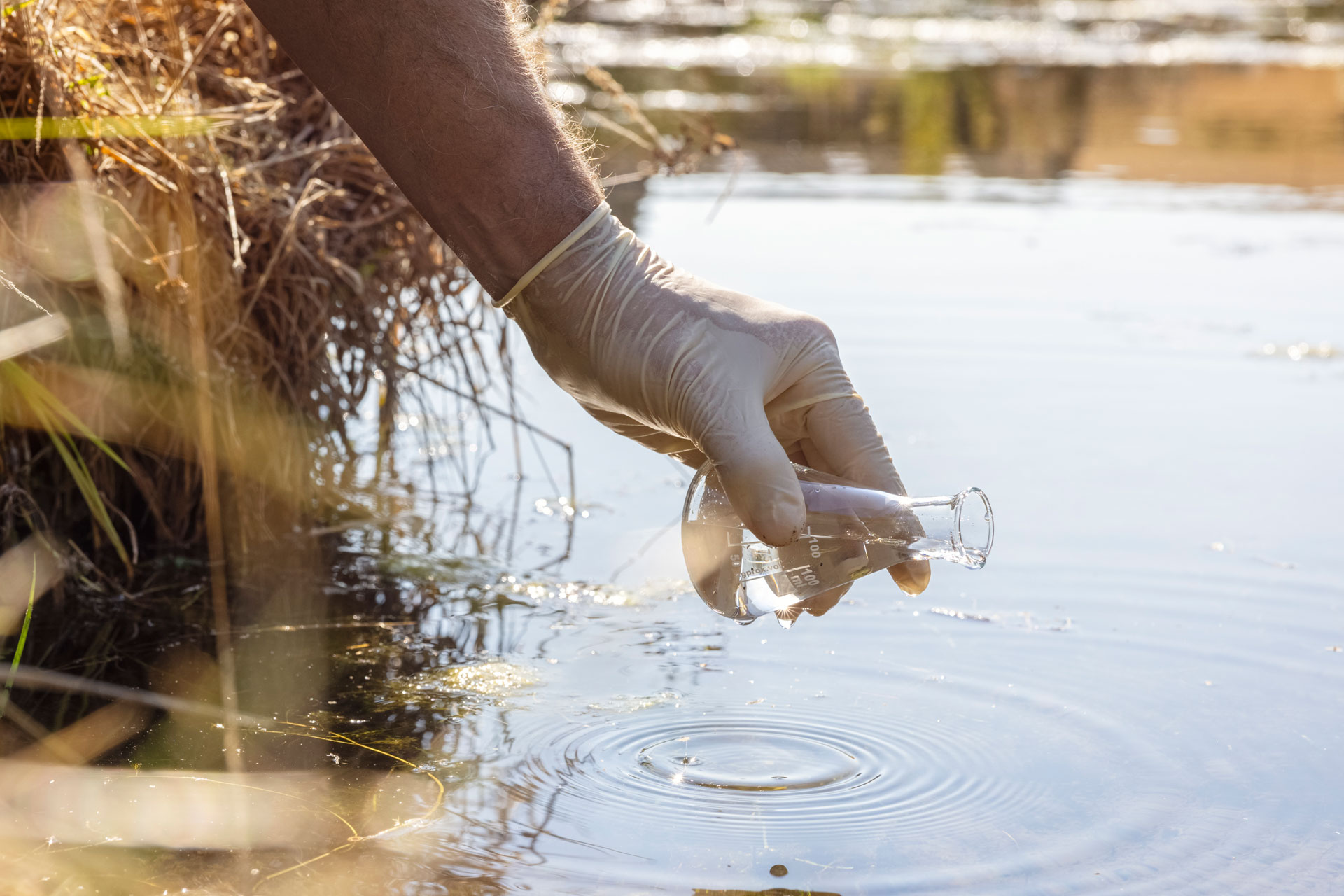
Getty Images
How To Stay Safe In The Water
While you’re in the water, there are also precautions you can take to avoid illness.
- Keep your mouth closed to avoid swallowing any water. This tends to be easier with breaststroke than with front crawl, particularly for less advanced swimmers.
- Join a dedicated swimming group – these are often run by experts who have more knowledge of which waters are safe and clean.
- Cover up any cuts with waterproof plasters before entering the water (this can help protect from Weil’s disease). Replace the plasters after swimming and wash the cuts with clean water.
- Use a swimming hat or ear plugs to protect your ears from infection.
What Are The New Wild Swimming Sites For 2026?
- Little Shore, Amble, Northumberland
- Newton and Noss Creeks, Devon
- Canvey Island Foreshore, Essex
- Sandgate Granville Parade Beach, Kent
- Queen Elizabeth Gardens Salisbury, Wiltshire
- East Beach at West Bay, Bridport
- Pangbourne Meadow, Berkshire
- River Fowey, Lostwithiel, Cornwall
- River Swale, Richmond, Yorkshire
- Falcon Meadow, Bungay, Suffolk
- River Thames at Ham and Kingston, Greater London
- New Brighton Beach, Merseyside